The Wisdom of Naomi: A Mother's Influence
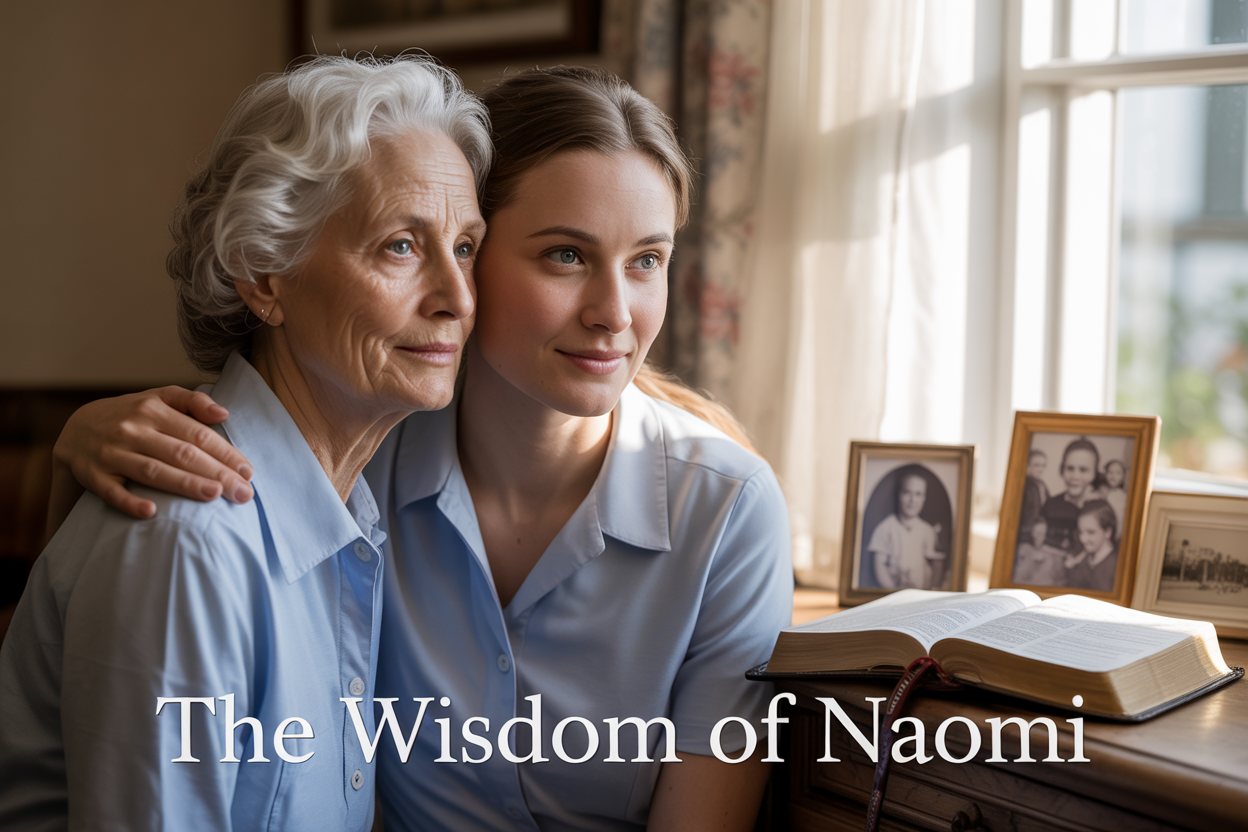
Naomi biblical character offers powerful lessons for anyone seeking to understand the depth of mother's influence wisdom. Her story reveals how biblical motherhood lessons can transform lives across generations, making her one of the most compelling biblical women leadership examples in scripture.
This exploration is perfect for mothers, mentors, and anyone who wants to learn from Naomi's approach to guiding others through life's toughest challenges. Her relationship with Ruth shows us what selfless guidance parenting looks like in action, even when your own world falls apart.
We'll dive into how Naomi demonstrated resilience through adversity when she lost everything yet still managed to nurture Ruth's growth. You'll discover the wise motherhood principles she used to build strong intergenerational relationships that lasted a lifetime. Finally, we'll look at practical ways to apply Naomi's mothering philosophy biblical approach in your own relationships, showing how her timeless wisdom can guide modern parenting and mentoring.
The Naomi and Ruth relationship proves that the most powerful influence often comes not from what we say, but from how we love others through our darkest seasons.
Understanding Naomi's Character and Legacy

Biblical foundation of Naomi's story and significance
Naomi's story unfolds in the Book of Ruth during Israel's tumultuous period of the Judges. As a biblical character, she represents the profound impact of a mother's influence during times of national instability and personal crisis. Her narrative begins with a family migration from Bethlehem to Moab during a severe famine, setting the stage for a journey that would test every aspect of her faith and character.
The biblical account positions Naomi as more than just a supporting character in Ruth's famous story. She serves as the catalyst for one of Scripture's most beautiful demonstrations of loyalty, redemption, and God's providence. Her name, meaning "pleasant" or "delightful," creates an ironic contrast with the bitter circumstances she faces, yet reveals the depth of character that emerges through suffering.
Naomi's significance extends beyond her individual story to represent the broader theme of God's faithfulness to His people during dark seasons. Her experiences mirror Israel's own journey through exile and restoration, making her a relatable figure for anyone navigating loss while maintaining hope.
Key personality traits that defined her maternal approach
Naomi's mothering philosophy centers on genuine care combined with practical wisdom. She demonstrates remarkable emotional intelligence, knowing when to speak and when to remain silent. Her conversations with Ruth reveal a woman who balances honesty about life's hardships with unwavering hope in God's provision.
Core traits that shaped her influence:
-
Authentic vulnerability - Naomi doesn't hide her pain or pretend everything is fine
-
Sacrificial love - She consistently puts her daughters-in-law's welfare above her own comfort
-
Practical wisdom - Her advice comes from real-world experience, not theoretical knowledge
-
Spiritual grounding - Despite questioning God, she never abandons her faith foundation
-
Cultural sensitivity - She respects the different backgrounds of those she mentors
Her approach to relationships shows a rare combination of strength and tenderness. Naomi speaks truthfully about difficult circumstances while creating space for others to make their own choices. This balance between guidance and freedom becomes a hallmark of wise motherhood principles that transcends cultural boundaries.
How loss and hardship shaped her wisdom
The depth of Naomi's wisdom comes directly from her encounters with profound loss. Widowhood and the death of both sons could have destroyed her, but instead these experiences refined her understanding of what truly matters in life. Her resilience through adversity became the foundation for her ability to guide others through their own challenges.
Loss taught Naomi to distinguish between temporary setbacks and permanent devastation. She learned that while circumstances change, character endures. This hard-won perspective allows her to offer hope to Ruth even when her own future seems uncertain.
Her famous declaration, "Call me Mara, for the Almighty has dealt very bitterly with me," reveals someone who processes grief honestly rather than suppressing it. This emotional authenticity creates trust with those around her and demonstrates that acknowledging pain doesn't equal losing faith.
Key lessons from her hardship:
-
Grief must be acknowledged before healing can begin
-
Community support becomes essential during difficult seasons
-
Past blessings provide strength for current challenges
-
God's timing often differs from human expectations
Her role as mentor beyond biological motherhood
Naomi's influence extends far beyond her biological children to encompass Ruth, a foreign daughter-in-law who becomes like her own daughter. This relationship demonstrates how biblical motherhood lessons transcend blood relations and cultural differences. Her mentoring of Ruth creates a model for intergenerational relationships that builds bridges across ethnic and religious divides.
The Naomi and Ruth relationship showcases mentorship at its finest. Naomi provides Ruth with practical guidance about customs, relationships, and navigating life as a widow in ancient Israel. She teaches Ruth how to approach Boaz with dignity and wisdom, showing her how to position herself for redemption without compromising her integrity.
Her mentoring style focuses on empowerment rather than control. Naomi gives Ruth information and advice, then trusts her to make wise decisions. This approach builds confidence and independence while maintaining a strong relational bond.
Through her influence on Ruth, Naomi becomes part of the lineage leading to King David and ultimately to Jesus Christ. Her legacy demonstrates how a mother's influence can impact generations far beyond her immediate family, making her story relevant for anyone seeking to understand the lasting power of wise, sacrificial love.
Lessons in Resilience Through Adversity
Transforming Personal Tragedy into Teaching Moments
Naomi biblical character faced unimaginable loss when her husband and both sons died in a foreign land. Rather than becoming consumed by bitterness, she chose to channel her grief into meaningful guidance for her daughters-in-law. This transformation didn't happen overnight - scripture reveals her initial despair when she asked to be called "Mara," meaning bitter. However, Naomi's journey shows us that acknowledging pain honestly can become the foundation for profound wisdom.
Her approach to tragedy offers modern mothers a blueprint for resilience. When life delivers devastating blows, Naomi demonstrated how to:
-
Process grief authentically without hiding pain from family members
-
Extract lessons from hardship that benefit the next generation
-
Use personal experience as a compass for guiding others through similar struggles
-
Transform victim mentality into victor wisdom
The biblical motherhood lessons embedded in Naomi's story reveal that our darkest moments often contain seeds of our greatest teaching opportunities. She didn't pretend everything was fine, nor did she allow despair to paralyze her family's future.
Demonstrating Grace Under Pressure for Family Members
When faced with destitution and uncertain prospects, Naomi's response revealed the heart of wise motherhood principles. She prioritized her daughters-in-law's welfare over her own comfort, encouraging them to return to their families where they could find security. This selfless act required enormous emotional strength - releasing the only family connections she had left.
Resilience through adversity manifested in Naomi's practical decision-making under extreme stress. She:
| Pressure Point | Naomi's Response | Teaching Moment |
|---|---|---|
| Financial ruin | Planned strategic return to Bethlehem | Problem-solving over panic |
| Social isolation | Released Ruth and Orpah with blessing | Love means letting go when necessary |
| Uncertain future | Trusted in God's provision | Faith anchors decision-making |
| Emotional overwhelm | Expressed feelings honestly | Authenticity builds trust |
Her grace under pressure wasn't about maintaining a perfect facade. Instead, Naomi showed her family how to make difficult decisions with clarity and compassion, even when emotions threatened to cloud judgment.
Building Emotional Strength in Times of Uncertainty
Naomi and Ruth relationship exemplifies how emotional strength transfers between generations. Naomi didn't shield Ruth from reality's harshness, but she also didn't allow circumstances to crush their hope. She taught emotional resilience through modeling rather than lecturing.
The mothering philosophy biblical principles Naomi embodied show that emotional strength develops through:
-
Honest communication about challenges - Naomi spoke truthfully about their difficult circumstances without sugar-coating reality
-
Practical action steps - She made concrete plans for their survival rather than remaining paralyzed by uncertainty
-
Shared decision-making - Naomi included Ruth in planning their future, building her confidence in facing uncertainty
-
Emotional validation - She acknowledged Ruth's fears while encouraging forward movement
Naomi's approach to building emotional strength wasn't about teaching Ruth to suppress difficult feelings. Instead, she modeled how to feel deeply while still moving purposefully toward solutions. This balance between emotional authenticity and practical action became the cornerstone of Ruth's own remarkable resilience.
The mother's influence wisdom seen in Naomi's mentoring reveals that emotional strength isn't inherited - it's cultivated through relationship and shared experience. Her investment in Ruth's emotional development ultimately shaped not just Ruth's immediate survival, but her capacity to become an ancestor of King David, demonstrating how one woman's resilience can impact generations.
The Art of Selfless Guidance

Putting Children's Needs Above Personal Desires
Naomi's biblical character demonstrates the profound depth of selfless guidance when she encourages Ruth to return to her own people rather than follow her into uncertainty. Despite her own loneliness and grief, Naomi prioritizes what she believes would be best for Ruth's future. This biblical motherhood lesson reveals how true maternal love sometimes means making decisions that cost us emotionally but benefit those we care about.
When we examine Naomi's actions, we see a mother's influence wisdom that transcends biological relationships. She could have easily kept Ruth close for her own comfort, but instead she considers Ruth's youth, her need for security, and her potential for finding love again. This kind of wise motherhood principle requires setting aside our natural desire for companionship and focusing on what truly serves our children's growth and happiness.
Offering Wisdom Without Imposing Control
Naomi masterfully balances sharing her experience while respecting Ruth's autonomy. She doesn't demand or manipulate; instead, she presents options and allows Ruth to choose her own path. This approach shows how biblical women leadership operates through influence rather than force.
The beauty of Naomi's guidance lies in her ability to share hard-won wisdom without becoming controlling. She speaks honestly about the challenges ahead while still honoring Ruth's capacity to make her own decisions. This delicate balance teaches us that effective mentoring means:
-
Sharing experiences without insisting others repeat our choices
-
Providing perspective while respecting different viewpoints
-
Offering support without creating dependency
-
Speaking truth with gentleness and timing
Knowing When to Step Back and Let Others Grow
Naomi's mothering philosophy biblical demonstrates remarkable insight about when to release control. She recognizes that growth often requires space and that her protective instincts might actually hinder Ruth's development. This wisdom shows up when she stops arguing with Ruth's decision to stay and instead begins planning how to help her thrive in their new circumstances.
This biblical character shows us that stepping back doesn't mean abandoning care. Rather, it means trusting the foundation we've built and allowing natural consequences to teach lessons we cannot. Naomi's resilience through adversity includes accepting that love sometimes means letting go of our preferred outcomes for someone else's benefit.
Creating Space for Independence While Maintaining Connection
The Naomi and Ruth relationship beautifully illustrates how to maintain deep bonds while fostering independence. Even as Naomi encourages Ruth's autonomy, she continues to offer guidance when asked and remains emotionally available. This intergenerational relationship model shows how to stay connected without being intrusive.
Naomi creates space for Ruth to develop her own relationship with God, her own social connections in Bethlehem, and even her own romantic interests with Boaz. Yet she remains a trusted advisor throughout these developments. This approach teaches us that healthy relationships can weather the natural ebb and flow of closeness and distance that comes with personal growth.
Building Lasting Relationships Across Generations
Fostering loyalty through authentic care
The Naomi biblical character demonstrates how genuine concern creates unbreakable bonds. When Naomi experienced devastating losses, losing her husband and both sons in Moab, she could have easily become bitter toward her daughters-in-law. Instead, she showed authentic care by urging Ruth and Orpah to return to their families where they'd have better prospects for remarriage and security.
This selfless guidance parenting approach reveals something powerful about building loyalty. Naomi put their welfare above her own comfort, even though keeping them would have provided emotional support during her grief. Ruth's famous declaration - "Where you go I will go, and where you stay I will stay" - came as a direct response to witnessing Naomi's genuine love in action.
Authentic care means prioritizing someone else's best interests, even when it costs you personally. Naomi's transparent vulnerability about her circumstances created space for Ruth to make her own informed choice. She didn't manipulate or guilt-trip. She simply loved honestly, and that honesty became the foundation for one of history's most celebrated relationships.
The biblical women leadership example shows us that loyalty isn't demanded or manufactured - it's earned through consistent, authentic care that puts the other person's wellbeing first.
Bridging cultural and generational gaps effectively
The Naomi and Ruth relationship perfectly illustrates how love transcends cultural boundaries. Ruth was a Moabite - a foreigner from a culture often at odds with Israel. Naomi was an older Hebrew widow. By all social conventions, their relationship should have ended when Naomi's son died.
Yet Naomi's approach to intergenerational relationships created a bridge that spanned these differences. She respected Ruth's cultural background while sharing her own faith and values. Rather than forcing assimilation, she allowed Ruth to observe and choose. This wise motherhood principle recognizes that authentic relationships honor both parties' identities.
Key strategies Naomi used:
-
Acknowledged cultural differences without judgment
-
Shared her values through actions rather than lectures
-
Allowed natural curiosity to drive learning
-
Created safe spaces for questions and growth
-
Demonstrated rather than demanded faith
Naomi understood that bridging gaps requires patience and respect. She didn't try to erase Ruth's Moabite heritage but instead showed how her Hebrew faith could complement Ruth's existing character. This mothering philosophy biblical approach proves that lasting connections form when we celebrate differences while finding common ground in shared values and mutual respect.
Establishing trust through consistent actions
Trust isn't built through grand gestures but through small, consistent actions over time. Naomi's mother's influence wisdom shines through her reliability during the most challenging circumstances. When she had nothing left to offer materially, she continued offering emotional stability and practical guidance.
Even in her darkest moments - when she asked to be called Mara (bitter) instead of Naomi (pleasant) - she remained honest about her struggles while continuing to act in Ruth's best interests. This transparency actually strengthened their bond because Ruth could see Naomi's authentic humanity.
Naomi's trust-building actions included:
| Action | Impact on Relationship |
|---|---|
| Honest communication about circumstances | Built foundation of transparency |
| Consistent care despite personal grief | Demonstrated reliable character |
| Practical guidance for Ruth's future | Showed investment in her success |
| Respect for Ruth's autonomy | Created atmosphere of mutual respect |
The biblical motherhood lessons here show that trust grows when words align with actions. Naomi didn't promise what she couldn't deliver, but she consistently delivered what she promised. Her resilience through adversity became a model Ruth could depend on, creating the security needed for their relationship to flourish across cultural and generational divides.
Practical Applications of Naomi's Mothering Philosophy
Modern Parenting Strategies Inspired by Her Example
Naomi's approach to mothering philosophy biblical offers timeless principles that translate beautifully into contemporary parenting. Her ability to guide without controlling shows us how to raise independent, thoughtful children. Instead of micromanaging every decision, Naomi trusted Ruth's judgment while offering wisdom when needed.
Today's parents can adopt this same hands-off approach by asking open-ended questions rather than giving immediate answers. When your teenager faces a difficult choice, try asking "What do you think would happen if you chose that path?" rather than jumping in with your solution. This builds critical thinking skills and confidence.
Naomi also demonstrated the power of storytelling in teaching values. She shared her family's history, helping Ruth understand their traditions and beliefs. Modern parents can create similar connections by sharing family stories, discussing their own mistakes and lessons learned, and helping children see how past experiences shape present decisions.
Her biblical motherhood lessons show us that effective parenting involves being vulnerable about our own struggles while maintaining hope for the future. This authenticity creates deeper bonds and teaches children that perfection isn't the goal—growth is.
Supporting Adult Children Through Major Life Transitions
Naomi and Ruth relationship exemplifies how mothers can support adult children during life's biggest challenges. When Ruth faced widowhood, Naomi didn't try to fix everything or make decisions for her. Instead, she acknowledged the difficulty of the situation and offered Ruth the freedom to choose her own path.
This approach works beautifully when adult children face divorce, career changes, or major relocations. Rather than swooping in with solutions, wise mothers listen first. They validate their children's emotions and remind them of their strengths. Naomi told Ruth she was free to return to her mother's house, giving her permission to prioritize her own wellbeing.
During transitions, adult children need encouragement more than advice. Simple phrases like "I believe in your ability to handle this" or "You've overcome challenges before" can provide the emotional support they need to move forward confidently.
Naomi's wise motherhood principles also show us the importance of being available without being intrusive. She remained physically and emotionally present for Ruth while respecting her autonomy. This balance requires patience and trust but creates stronger relationships in the long run.
Mentoring Others Beyond Your Immediate Family
The mother's influence wisdom Naomi demonstrated extended far beyond biological relationships. Her willingness to embrace Ruth as a daughter shows how we can expand our circle of influence through intentional mentoring relationships.
Many women today find fulfillment in mentoring younger colleagues, neighbors, or community members. This might involve sharing professional expertise, offering life advice, or simply being a consistent source of encouragement. Naomi's example teaches us that these relationships require genuine investment, not casual interaction.
Effective mentoring, like Naomi's relationship with Ruth, involves:
-
Consistent availability - Being present when needed without overwhelming
-
Honest feedback - Sharing truth with kindness and respect
-
Celebrating successes - Acknowledging growth and achievements
-
Patient guidance - Allowing others to learn at their own pace
These intergenerational relationships create lasting impact. When we invest in someone's growth and development, we're creating ripple effects that extend far beyond what we can see. Naomi's influence on Ruth eventually affected generations, including King David's lineage.
Balancing Honesty with Encouragement in Difficult Conversations
Naomi mastered the delicate art of speaking truth while maintaining hope. When she told Ruth and Orpah they should return home, she was honest about their bleak prospects while still caring deeply about their wellbeing. This selfless guidance parenting approach helps us navigate tough conversations with grace.
The key lies in timing and tone. Naomi didn't sugarcoat their situation, but she also didn't deliver harsh truths without compassion. She acknowledged the reality of their circumstances while leaving room for hope and personal choice.
In difficult conversations with our own children or mentees, we can follow this model:
| Naomi's Approach | Modern Application |
|---|---|
| Acknowledged harsh realities | Be honest about challenges without catastrophizing |
| Expressed genuine care | Lead with love, not judgment |
| Respected their choices | Allow others to make their own decisions |
| Remained supportive regardless | Maintain relationship despite disagreement |
This approach builds trust because people know you'll tell them the truth, but they also know you care about their wellbeing more than being right.
Creating Legacy Through Relationship-Building Rather Than Material Inheritance
Naomi's lasting legacy wasn't built on wealth or possessions—she had lost everything. Instead, her biblical women leadership created impact through the relationships she nurtured and the wisdom she shared. This perspective revolutionizes how we think about leaving a meaningful legacy.
Rather than focusing solely on financial inheritance, we can prioritize investing in people's character development, emotional intelligence, and spiritual growth. These investments appreciate over time and can't be lost to economic downturns or poor financial decisions.
Building relational legacy involves:
-
Teaching values through example - Living out the principles you want to pass down
-
Creating meaningful traditions - Establishing rhythms that connect generations
-
Sharing stories and wisdom - Passing down family history and life lessons
-
Investing time intentionally - Prioritizing relationships over material pursuits
Naomi's influence on Ruth created a legacy that extended far beyond her own lifetime. Ruth's character, shaped by Naomi's guidance, influenced her son Obed, who influenced his son Jesse, who influenced his son David. One woman's investment in relationship created generational impact that changed history.
This resilience through adversity mindset helps us see setbacks as opportunities to model perseverance and faith. When we respond to difficulties with grace and wisdom, we're teaching others how to handle their own challenges. These lessons become part of our legacy—gifts that keep giving long after we're gone.
.png)
Naomi's story shows us that true motherhood goes far beyond biology - it's about choosing love, offering guidance, and standing by those we care about through life's toughest moments. Her resilience during devastating loss, her selfless advice to Ruth, and her ability to build bridges between generations teach us that our influence as mentors and guides can create ripple effects that last for years. The relationships we nurture today, whether with our own children or those who look up to us, have the power to shape entire family legacies.
Take Naomi's approach to heart: lead with wisdom rather than control, offer honest counsel even when it's difficult, and remember that sometimes the most loving thing you can do is encourage others to make their own choices. Her story reminds us that our greatest impact often comes not from protecting people from hardship, but from walking alongside them and helping them discover their own strength. Start applying these principles in your own relationships - listen more than you speak, guide without demanding, and trust that the seeds of wisdom you plant will grow in ways you may never fully see.


Comments
Post a Comment