HOW TO KEEP CHRIST AT THE CENTER OF CHRISTMAS

Christmas can easily become overwhelming with shopping lists, decorations, and endless parties. For Christian families who want to keep Christ in Christmas, the challenge is finding ways to honor Jesus' birth while still creating magical memories for your loved ones.
This guide is for parents, grandparents, and anyone looking to establish Christ-centered Christmas traditions that go beyond the commercial noise. You'll discover practical ways to make Jesus the heart of your holiday season without sacrificing the joy and excitement your family craves.
We'll explore how to establish meaningful Christian Christmas traditions in your home that your kids will treasure for years. You'll also learn to choose gifts that reflect Christian values and redirect holiday activities to focus on the Gospel message. Finally, we'll tackle the biggest challenge - combating materialism and commercialization while still creating a Christmas your family absolutely loves.
Establish Christ-Centered Christmas Traditions in Your
Home

Replace secular decorations with meaningful Christian symbols
Transform your home into a sacred space by swapping out generic holiday decorations for Christ-centered Christmas symbols that tell the story of Jesus' birth. Instead of focusing on reindeer and snowmen, fill your home with nativity scenes, angels, stars of Bethlehem, and crosses wrapped in garland. Place a beautiful nativity set as your centerpiece, allowing children to interact with the figures while learning about Mary, Joseph, and baby Jesus.
Consider creating a Jesse tree with ornaments representing Old Testament prophecies that pointed to Christ's coming. Each ornament becomes a conversation starter about God's plan of salvation. Replace standard wreaths with ones featuring religious symbols like doves, crowns, or crosses. Even your Christmas tree can reflect deeper meaning by including handmade ornaments depicting biblical scenes or verses about Jesus' birth.
Christian Christmas traditions become more meaningful when every decoration serves as a visual reminder of the gospel message. Your guests will immediately sense the spiritual atmosphere you've created, opening natural opportunities for faith conversations.
Create family advent calendar focused on Jesus' birth story
Building anticipation for Christmas through a gospel-centered advent calendar helps children understand that the season is about celebrating Jesus rather than just receiving presents. Design a calendar that walks your family through the prophecies, genealogy, and events surrounding Christ's birth over 25 days leading up to Christmas.
Each day can feature a different aspect of the nativity story - from the angel's announcement to Mary, to the shepherds in the fields, to the wise men following the star. Include small Scripture cards, discussion questions, and simple activities that reinforce each day's lesson. You might add a piece to your nativity scene each day, building the complete scene by Christmas morning.
Make this interactive by having different family members take turns reading the daily passage and leading discussion. Include songs, crafts, or acts of service that connect to each day's theme. This approach transforms the countdown to Christmas into a meaningful journey through Scripture rather than a materialistic wish list.
Incorporate daily Bible readings about the nativity
Establish a consistent rhythm of Scripture reading throughout December by focusing on passages that reveal God's plan for salvation through Jesus' birth. Start with Old Testament prophecies in Isaiah, Micah, and other books that foretold the Messiah's coming. Move through the genealogies in Matthew and Luke that show God's faithfulness across generations.
Spend time in the actual nativity accounts, reading slowly and discussing details your family might have overlooked. Explore the perspectives of different characters - Mary's faith, Joseph's obedience, the shepherds' joy, and the wise men's worship. Don't rush through familiar passages; let them speak fresh truth into your family's heart.
Create a special Christmas devotional time separate from regular family devotions. This could happen around the breakfast table, before bedtime, or gathered around your nativity scene. Choose age-appropriate translations and encourage questions. Let these daily readings shape your family's conversations throughout the day, making God's Word the foundation of your Christmas celebration.
Start each December day with prayer and gratitude
Begin every morning in December with intentional prayer that acknowledges Jesus as the reason for your celebration. Gather your family for a brief time of thanksgiving, asking God to help you keep Christ at the center of each day's activities. Thank Him specifically for the gift of salvation through Jesus' birth, life, death, and resurrection.
Rotate prayer responsibilities among family members, encouraging even young children to participate. Focus prayers on gratitude rather than requests, helping everyone develop a heart of worship during this season. Pray for opportunities to share the gospel message with others and for wisdom in making Christmas choices that honor God.
This morning prayer time sets the spiritual tone for your entire day, reminding everyone that your joy comes from God's gift rather than material presents or holiday activities. When challenges arise during busy December days, your family can return to this morning foundation of gratitude and worship.
Choose Gifts That Reflect Christian Values and Purpose

Select presents that encourage spiritual growth and learning
When choosing meaningful Christmas gifts that keep Christ at the center, consider presents that help deepen your loved ones' relationship with Jesus. A beautiful study Bible with engaging commentary can transform someone's daily devotional time. Look for versions specifically designed for different age groups - teen study Bibles often include real-life applications, while children's Bibles feature colorful illustrations that bring Bible stories to life.
Devotional books make excellent Christ-centered Christmas gifts that keep giving throughout the year. Pick titles that match the recipient's spiritual journey - new believers might appreciate foundational books, while mature Christians could benefit from deeper theological works. Journals designed for prayer and reflection encourage regular communication with God.
Christian music, whether contemporary worship albums or classic hymns, creates an atmosphere of praise in the home. Consider subscription services for Christian audiobooks or Bible apps that offer multiple translations and study tools. Art supplies paired with scripture coloring books provide both relaxation and meditation opportunities.
For children, Christian board games and puzzle sets make learning about faith fun and interactive. Building sets that recreate biblical scenes help young minds visualize important stories while developing creativity and problem-solving skills.
Give gifts that serve others and spread God's love
Transform your gift-giving into an opportunity to serve others by choosing presents that extend beyond your immediate circle. Sponsor a child through a Christian organization in someone's name, providing them with a meaningful way to make a lasting difference in a child's life. This type of gift demonstrates how Christmas generosity can reach across the globe.
Consider assembling care packages for local homeless shelters or food banks as a family gift-giving activity. Include warm clothing, hygiene items, and encouraging notes with scripture verses. This hands-on approach to giving shows children how Christmas can be about serving those in need.
Purchase gifts from organizations that support missions or fair-trade cooperatives. Handcrafted items from developing countries help artisans support their families while providing unique, meaningful presents. Coffee, chocolate, and handicrafts from these sources often come with stories about the communities they support.
Create "blessing bags" filled with gift cards, snacks, and small toiletries to keep in your car for encountering people in need. Give these preparation kits as gifts to friends and family members, encouraging them to look for opportunities to serve throughout the year.
Books about missionaries, humanitarian workers, or social justice leaders inspire recipients to consider their own calling to serve others. Biographies of people like Mother Teresa, William Wilberforce, or contemporary Christian leaders demonstrate how faith transforms into action.
Focus on experiences that build faith and family bonds
Experience-based gifts create lasting memories while strengthening spiritual connections within families. Plan trips to Christian conferences, youth camps, or family retreats where everyone can grow in faith together. These shared experiences often become cherished memories that family members discuss for years to come.
Give tickets to Christian concerts, theater productions, or conferences happening in your area. Live worship experiences and dramatic presentations of biblical stories create powerful moments of spiritual connection. Many touring productions visit different cities throughout the year, making these gifts accessible regardless of location.
Consider gifting memberships to Christian museums, historical sites, or creation centers. These year-long passes encourage multiple visits and provide ongoing opportunities for faith-based learning and exploration. Some locations offer special programs for families or educational workshops.
Plan service projects as family gifts - volunteering together at soup kitchens, participating in church mission trips, or organizing neighborhood outreach efforts. These experiences teach children the joy of serving others while demonstrating Christian values in action.
Create family tradition starter kits that include everything needed for new Christ-centered Christmas traditions. This might include materials for making an Advent wreath, books for reading the Christmas story together, or supplies for creating a family nativity scene. These gifts establish practices that can continue for generations, helping families focus on Jesus' birth rather than commercial aspects of the holiday season.
Redirect Holiday Activities to Honor Jesus' Birth

Attend Church Services and Christmas Programs Regularly
Church attendance becomes especially meaningful during the Christmas season, offering families countless opportunities to focus on the true reason for celebration. Many congregations host special Advent services, Christmas Eve candlelight ceremonies, and nativity programs that create sacred moments for reflection and worship. These services provide a powerful counterbalance to the cultural noise surrounding the holidays.
Consider attending different types of services throughout December - perhaps a traditional midnight mass, a contemporary Christmas Eve service, or a children's nativity program at a neighboring church. Each offers unique perspectives on the birth of Jesus and helps deepen your family's understanding of this miraculous event.
Christmas programs and concerts at local churches often feature beautiful music, dramatic presentations, and heartfelt messages that bring the Christmas story to life. These events create opportunities for meaningful conversations with your children about the significance of Jesus' birth and God's love for humanity.
Volunteer as a Family to Serve Those in Need
Service becomes a natural expression of Christ-centered Christmas celebrations. Local food banks, homeless shelters, and community kitchens desperately need volunteers during the holiday season. Working together as a family to serve meals, sort donations, or wrap gifts for underprivileged children demonstrates Jesus' heart for the marginalized and teaches children about sacrificial love.
Consider adopting a family in need through local churches or charitable organizations. Shopping for specific items on their wish list, wrapping presents, and delivering them personally creates lasting memories while showing God's love in action. These experiences often become more meaningful to children than receiving their own gifts.
Soup kitchens and rescue missions welcome families who want to help serve Christmas dinners. Rolling up your sleeves to dish out food, clear tables, or simply sit and talk with guests provides real-world examples of Jesus' ministry to the poor and lonely.
Visit Nursing Homes and Share Christmas Joy with Elderly
Elderly residents in care facilities often feel forgotten during the holidays, making visits from families incredibly impactful. Many nursing homes eagerly welcome groups who want to sing carols, play games, or simply spend time talking with residents. These intergenerational connections bring mutual joy and demonstrate Christ's love for all people.
Children especially love hearing stories from older adults about Christmases from decades past. These conversations create beautiful bridges between generations while helping kids understand that every person has value and deserves love and attention.
Some facilities allow families to "adopt" specific residents for the holidays, visiting regularly and bringing small gifts or homemade treats. Building genuine relationships with elderly individuals teaches children empathy and respect while providing much-needed companionship for isolated seniors.
Organize Neighborhood Caroling with Christian Songs
Caroling brings the Christmas story directly to your neighbors' doorsteps while creating opportunities for natural Gospel conversations. Traditional Christmas carols like "O Holy Night," "Angels We Have Heard on High," and "Joy to the World" proclaim the birth of Jesus in beautiful, memorable ways.
Start by planning your route and gathering a small group of willing participants. Bring printed carol sheets, perhaps hot cocoa in thermoses, and small gifts like homemade cookies or candy canes. Don't worry about perfect singing voices - the joy and enthusiasm matter more than musical talent.
Some neighbors might invite you inside for brief visits, opening doors for deeper conversations about the meaning of Christmas. These moments can plant seeds about God's love and the significance of Jesus' birth in ways that feel natural and non-threatening.
Host Faith-Based Christmas Gatherings Instead of Parties
Transform typical holiday entertaining by centering gatherings around the birth of Jesus rather than secular festivities. Start with a brief devotion or Christmas story reading, incorporate worship music alongside traditional carols, and include activities that point toward Christ.
Create stations where guests can write prayers for the new year, make crafts related to the nativity story, or participate in service projects like assembling care packages for local ministries. These activities naturally steer conversations toward spiritual matters while maintaining the joy and fellowship of Christmas celebrations.
Consider hosting a birthday party for Jesus, complete with cake and singing "Happy Birthday" to the Savior. This simple concept helps children understand that Christmas celebrates someone's birth, not just gift-giving and decorations. Invite neighbors and friends who might not regularly attend church, creating gentle opportunities to share your faith through hospitality and love.
Combat Materialism and Commercialization During the
Season

Set spending limits that prioritize spiritual over material gifts
Creating boundaries around Christmas spending helps families focus on what truly matters. Start by setting a realistic budget that reflects your values rather than societal expectations. Many Christian families find success with the "something they want, something they need, something to wear, something to read" approach, but consider adding a fifth category: "something that grows their faith."
When you establish clear spending limits, you're teaching your family that love isn't measured by price tags. Consider allocating more of your Christmas budget toward experiences that build memories and strengthen relationships. A family game night, cooking together, or volunteering at a local shelter often creates more lasting joy than expensive gadgets.
Document your spending decisions with your spouse or family members to stay accountable. This transparency helps everyone understand why you're choosing to spend less on material items and more on meaningful gifts that reflect Christian values. You might discover that setting these limits actually reduces holiday stress while increasing your family's gratitude for what they receive.
Teach children about giving rather than receiving
Children naturally focus on what they'll get for Christmas, but you can redirect their excitement toward the joy of giving. Start early in December by helping them choose toys or clothes they've outgrown to donate to families in need. This hands-on experience shows them how their generosity can bring happiness to others.
Create opportunities for your kids to earn money for giving throughout the year. Whether through extra chores or small jobs for neighbors, children feel proud when they can purchase gifts with their own efforts. Encourage them to think about each family member's interests and needs rather than defaulting to expensive wish list items.
Make giving traditions that become as exciting as receiving presents. Some families draw names for secret acts of service leading up to Christmas, while others adopt a local family anonymously. These activities help children understand that the true spirit of Christmas reflects God's ultimate gift to humanity.
Consider establishing a family rule where children must give one gift for every gift they receive. This simple practice helps balance their focus and develops generous hearts that will serve them throughout their lives.
Create homemade gifts that show love and thoughtfulness
Homemade presents require time, effort, and creativity rather than money, making them perfect antidotes to commercialized Christmas celebrations. These gifts carry personal touches that store-bought items simply can't match. A hand-knitted scarf, homemade cookies, or a photo album filled with family memories shows recipients that someone cared enough to invest their time.
Start planning homemade gifts in November so you're not rushed during December. Simple projects like decorated picture frames, homemade vanilla extract, or personalized recipe cards make meaningful presents that cost very little. Children can create artwork, write letters to grandparents, or help bake treats for teachers and neighbors.
The process of making gifts together becomes as valuable as the gifts themselves. Families bond while crafting, sharing stories, and working toward common goals. These moments create the kind of memories that last far longer than any purchased item ever could.
Don't worry about perfection when creating homemade gifts. The slight imperfections and personal touches are exactly what make these presents special. Recipients appreciate the thought and effort invested, understanding that someone took time from their busy schedule to create something unique just for them.
Share the Gospel Message Through Your Christmas
Celebrations
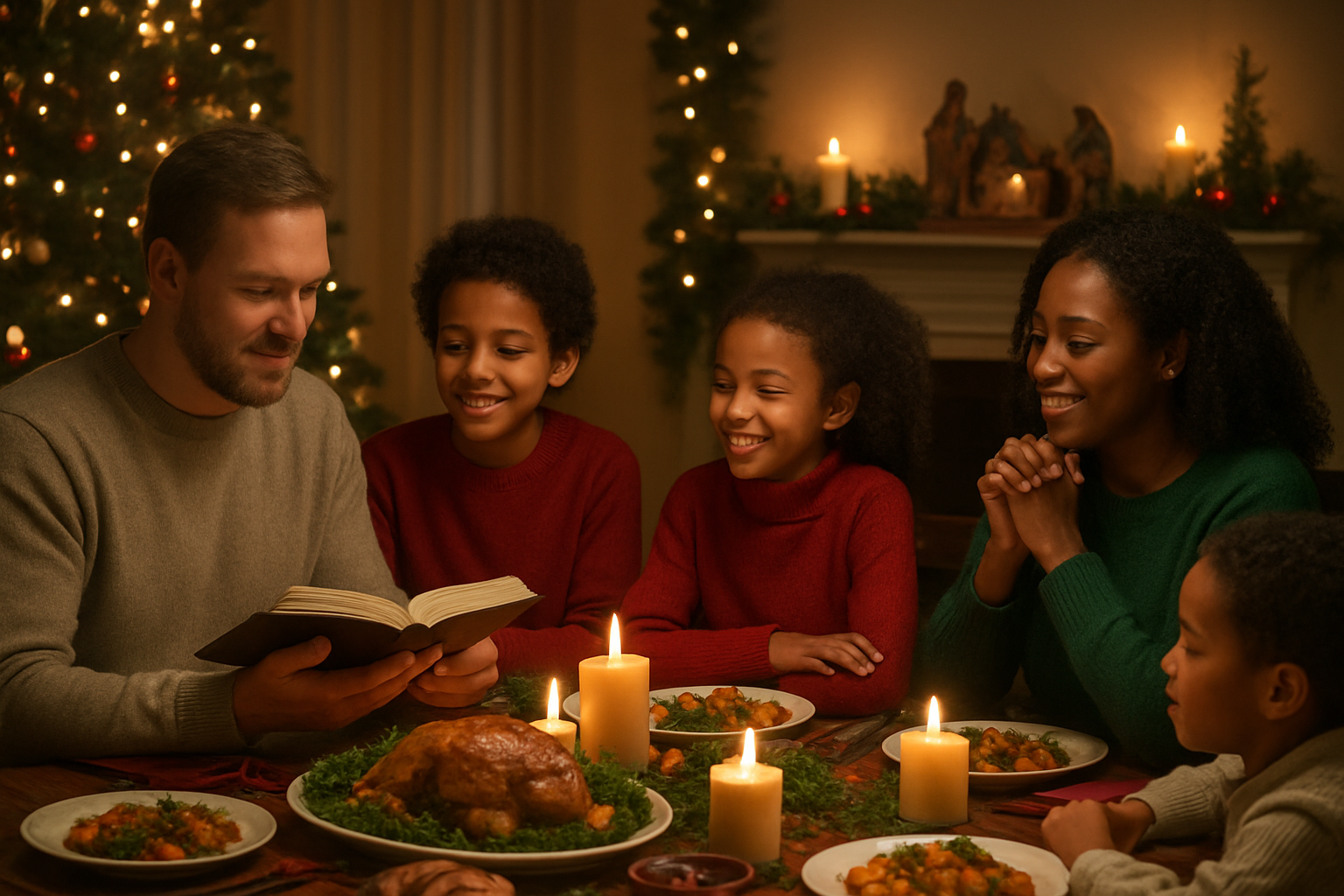
Use holiday conversations as opportunities to witness
Holiday gatherings naturally create moments when people ask about your Christmas traditions and what makes them special. These conversations become perfect openings to share your faith without feeling pushy or awkward. When someone comments on your Gospel-centered holidays approach, you can explain how celebrating Jesus' birth brings deeper meaning to your family's Christmas experience.
Start by sharing personal stories about how faith-based Christmas ideas have impacted your life. Maybe talk about a Christmas when you felt God's presence strongly, or how focusing on Christ transformed your holiday stress into peace. People connect with authentic experiences more than theological arguments.
Keep your Gospel message simple and relatable. Explain how Jesus' birth represents God's love becoming tangible – something everyone can understand. You might say, "Christmas reminds me that God didn't stay distant but came down to be with us. That changes everything about how I live."
Display nativity scenes with explanations for visitors
A beautiful nativity scene becomes a powerful conversation starter when you add thoughtful explanations alongside it. Create small, elegant cards that tell the story behind each figure – Mary's faith, Joseph's obedience, the shepherds' joy, and the wise men's worship. This turns a simple decoration into an interactive Gospel presentation.
Consider placing your Christian Christmas traditions display where guests naturally gather. The kitchen counter, entryway table, or living room mantle work perfectly. When visitors notice the scene, they'll often ask questions, giving you natural opportunities to share the Christmas story.
Make your nativity historically rich and personally meaningful. Include details about Bethlehem, the significance of Jesus being born in a stable, and what this humble beginning says about God's character. You can even add a card explaining how this birth fulfilled ancient prophecies, connecting the Christmas story to God's bigger plan.
Send Christmas cards with Bible verses and personal testimonies
Christmas cards offer a unique chance to reach friends and family with the Gospel message in a non-threatening way. Choose verses that capture the joy and hope of Christ's birth, like Luke 2:10-11 or John 3:16, but pair them with personal notes explaining what these truths mean to you.
Your testimony doesn't need to be dramatic – simple, heartfelt sharing works best. Write something like, "This year I've been thinking about how God's love shown through Jesus gives me hope even in difficult times. I'm grateful for His presence in my life and wanted to share that joy with you."
Consider creating custom cards that feature your family's favorite Christmas scripture alongside a photo from your Christ-centered Christmas celebrations. This visual combination makes your faith feel real and lived-out rather than theoretical.
Invite non-believing friends to experience Christ-centered traditions
Invitations to Christmas events give people firsthand exposure to meaningful Christmas gifts – both physical presents and spiritual blessings. Host a Christmas cookie decorating party where you naturally weave in the story of Jesus' birth. Organize a Christmas caroling group that visits nursing homes, showing how faith leads to serving others.
Create welcoming environments where non-believers feel comfortable asking questions about your spiritual Christmas activities. Your dinner table, decorated with symbols of the nativity, becomes a place where natural conversations about faith can unfold over good food and warm fellowship.
Plan events that demonstrate rather than preach. When friends see your family's joy during advent readings or witness the peace that comes from keeping Christ in Christmas, they'll want to understand the source of what they observe.

Christmas can easily become a whirlwind of shopping lists, decorations, and endless activities that pull our attention away from the real reason we celebrate. The traditions we create, the gifts we choose, and the activities we plan all offer opportunities to point our hearts and our families back to Jesus. When we intentionally redirect the season's focus from what we can get to what God has given us, Christmas transforms from a stressful holiday into a meaningful celebration of Christ's birth.
This Christmas, challenge yourself to look beyond the cultural expectations and create space for Jesus in every aspect of your celebration. Start small by choosing one new tradition that honors Him, selecting gifts that reflect His love, or simply sharing His story with someone who needs to hear it. The goal isn't to eliminate all the fun parts of Christmas, but to weave Christ's presence through everything we do. When we keep Him at the center, every twinkling light, every wrapped present, and every gathering becomes a reminder of the greatest gift ever given – our Savior.


Comments
Post a Comment