The Role of a Mother According to the Bible
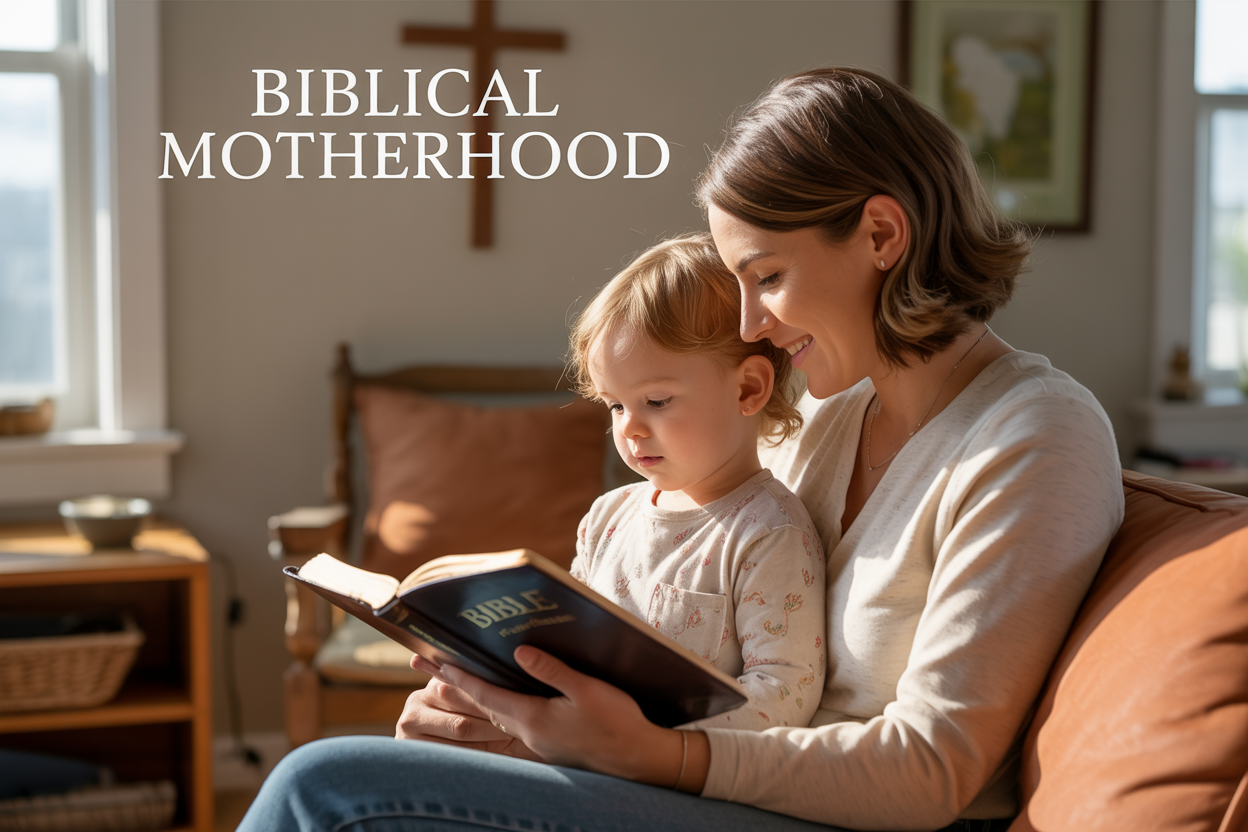
Motherhood carries profound meaning in the Bible, offering timeless wisdom for Christian women seeking to honor God through their parenting journey. This guide is written for Christian mothers, expectant mothers, and women exploring what biblical motherhood looks like in practice.
The Bible presents motherhood as both a sacred calling and a practical responsibility. From Eve to Mary, Scripture showcases mothers who shaped their children's faith and character through intentional, God-centered parenting. These biblical mothers examples reveal principles that remain relevant for today's Christian parenting challenges.
We'll explore the biblical foundations that define a mother's role according to Scripture, examining core responsibilities like teaching children biblical values and providing spiritual guidance. You'll discover how biblical discipline methods balance love with correction, and learn practical ways to raise children according to scripture while navigating modern family life.
Finally, we'll look at how godly motherhood principles translate into everyday situations, helping you apply faith-based parenting strategies that build strong, Christ-centered families. Whether you're a new mother or seasoned in parenting, these Christian mother responsibilities offer a clear framework for nurturing children who love and follow God.
Biblical Foundations of Motherhood
God's Original Design for Women as Life-Givers
From the very beginning, Scripture reveals that women carry a unique and sacred capacity that reflects God's creative power. When God breathed life into Adam, He created a being who could work and tend the garden, but it was through woman that humanity would multiply and fill the earth. This divine design places women at the heart of God's plan for creation's continuation.
The Hebrew word for woman, "ishah," connects directly to man ("ish"), showing their complementary nature. Yet women received something distinctly their own - the ability to conceive, carry, and bring forth new life. This isn't merely a biological function but a participation in God's ongoing creative work. Every pregnancy mirrors the divine act of forming life, making mothers co-creators with the Almighty.
Eve as the First Mother and Her Legacy
Eve stands as the prototype for all mothers who would follow. The Bible calls her "the mother of all living" (Genesis 3:20), a title that carries both honor and responsibility. Despite the fall and its consequences, Eve's story demonstrates that even when circumstances become difficult, the calling to nurture life remains sacred.
Her experiences - from the joy of Seth's birth where she declared "God has appointed another seed for me" (Genesis 4:25) - show how biblical motherhood involves recognizing God's hand in every child's arrival. Eve understood that children come as gifts from God, not merely products of human desire or accident.
The pain mentioned in Genesis 3:16 doesn't diminish the blessing of childbearing but reminds mothers that their calling involves sacrifice. This establishes a pattern throughout Scripture where godly motherhood requires laying down one's own comfort for the sake of nurturing life.
The Sacred Calling of Nurturing Life
Biblical motherhood extends far beyond giving birth. The Hebrew concept of nurturing encompasses physical care, emotional support, spiritual guidance, and character formation. Mothers become God's instruments for shaping hearts, minds, and souls.
Scripture presents nurturing as a holy task. The same God who tenderly cares for His people entrusts mothers with reflecting His nurturing character. This calling appears in:
-
Physical provision: Ensuring children's basic needs are met
-
Emotional security: Creating environments where children feel loved and valued
-
Spiritual formation: Introducing children to God's character and ways
-
Character development: Teaching wisdom, integrity, and righteousness
The Proverbs 31 woman exemplifies this comprehensive nurturing, caring for her household's physical needs while also teaching wisdom and kindness. Her children rise up and call her blessed because she understood that motherhood involves cultivating every aspect of human development.
Divine Partnership in Creating and Raising Children
Biblical motherhood operates as a partnership with God from conception through a child's entire development. Psalm 139 reveals how God personally forms each child in the womb, making mothers participants in a divine creative process. This partnership continues as children grow, with mothers serving as God's primary agents for early spiritual and moral formation.
Hannah's story perfectly illustrates this partnership. She desperately wanted a child, prayed for one, received Samuel from God's hand, then dedicated him back to God's service. Her response shows how biblical mothers hold their children with open hands, recognizing that children ultimately belong to their heavenly Father.
This divine partnership means mothers aren't raising children according to worldly standards or personal ambitions alone. They're called to raise children according to God's purposes and plans. The responsibility feels overwhelming, but the partnership brings comfort - mothers don't parent alone. God provides wisdom, strength, and guidance for those who seek Him.
Christian parenting becomes an extension of God's own parenting, with mothers reflecting His love, discipline, mercy, and truth in their daily interactions with their children.
Core Responsibilities of Biblical Mothers
Spiritual Training and Teaching God's Word
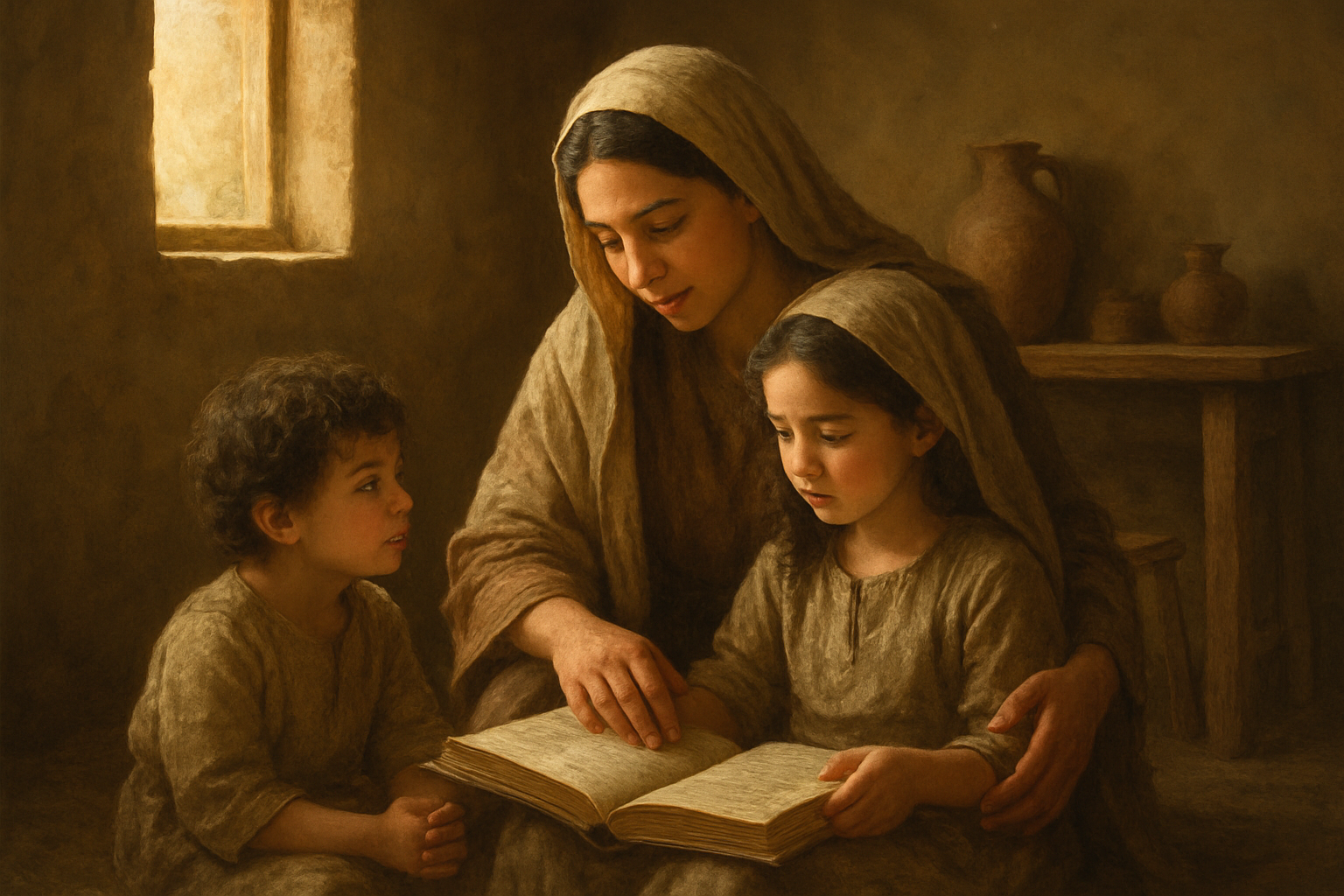
Biblical motherhood places tremendous emphasis on passing down spiritual knowledge to children. Deuteronomy 6:6-7 instructs parents to keep God's commandments in their hearts and teach them diligently to their children, talking about them throughout daily activities. This creates a natural learning environment where faith becomes integrated into every aspect of family life.
Christian mothers bear the responsibility of making Scripture accessible and meaningful to young minds. This involves reading Bible stories, explaining spiritual concepts in age-appropriate ways, and helping children understand God's character through everyday examples. The goal isn't just knowledge transfer but heart transformation that leads to genuine faith.
Prayer plays a central role in this spiritual training. Mothers model prayer life by praying with their children before meals, at bedtime, and during challenging moments. They teach children to bring their concerns, gratitude, and questions directly to God, establishing a personal relationship with their Creator.
Character Development and Moral Guidance
Raising children according to scripture requires consistent attention to character formation. Biblical mothers focus on developing virtues like honesty, kindness, patience, and respect for others. They use daily interactions as teaching moments, addressing behavioral issues with biblical wisdom rather than secular psychology alone.
Proverbs provides extensive guidance for this aspect of Christian parenting. Mothers reference these teachings to help children understand the consequences of both wise and foolish choices. They emphasize that character matters more than achievements or appearances, aligning with biblical values that prioritize inner transformation.
The process involves setting clear expectations based on Christian principles while providing loving correction when children fall short. This isn't about perfection but about teaching children to recognize their mistakes, seek forgiveness, and make better choices moving forward.
Providing Physical Care and Emotional Support
God designed mothers to nurture their children's physical and emotional wellbeing alongside spiritual development. This comprehensive care reflects God's own nature as both provider and comforter. Biblical mothers understand that meeting physical needs creates security that allows children to receive spiritual instruction more effectively.
Emotional support includes validating children's feelings while guiding them toward healthy responses. Mothers create safe spaces where children can express fears, disappointments, and struggles without judgment. This emotional safety builds trust that makes children more receptive to moral and spiritual guidance.
Physical care extends beyond basic needs to include creating a home environment that reflects godly values. This might involve establishing routines that include family devotions, maintaining a peaceful atmosphere, and ensuring children feel valued and loved unconditionally. When children experience this type of comprehensive care, they develop a foundation for understanding God's love and provision in their own lives.
Exemplary Mothers in Scripture
Hannah's Dedication and Sacrificial Love
Hannah stands as a powerful example of a mother whose dedication transcended personal desires. After years of infertility and heartbreak, she poured out her soul to God at the temple, promising to dedicate her child to divine service if blessed with a son. When Samuel was born, Hannah kept her vow despite the emotional cost. She raised him with love during his early years, then brought him to the temple to serve under Eli.
Her annual visits to bring Samuel a new coat show the tender heart of a mother who chose God's purposes over her natural desire to keep her son close. Hannah's prayer in 1 Samuel 2:1-10 reveals her deep spiritual maturity and trust in God's sovereignty. She understood that children belong to God first, and parents are stewards entrusted with their care.
This biblical mother's example shows us that true maternal love sometimes requires sacrifice. Hannah didn't abandon her role as Samuel's mother when she left him at the temple - she redefined it according to God's calling. Her willingness to surrender what she treasured most demonstrates the kind of faith-based parenting that puts God's plans above personal comfort.
Mary's Faith and Obedience to God's Plan
Mary's response to the angel Gabriel showcases the heart of godly motherhood - complete surrender to God's will despite uncertainty. As a young woman facing an unplanned pregnancy that could bring social disgrace, Mary chose faith over fear. Her simple words, "Let it be unto me according to your word," reveal a mother who trusted God's character even when His plan seemed impossible.
Throughout Jesus' childhood, Mary treasured meaningful moments in her heart, showing the contemplative nature of a wise mother. She observed, reflected, and allowed God to shape her understanding of her extraordinary son's purpose. When Jesus stayed behind in Jerusalem at age twelve, Mary experienced the anxiety every mother knows, yet she continued learning about God's unique plan for her child.
Mary's presence at the cross demonstrates a mother's unwavering love through the most difficult circumstances. She stood with Jesus in His darkest hour, embodying the biblical principle that mothers provide steadfast support regardless of personal cost. Her example teaches modern Christian mothers about balancing human maternal instincts with divine purposes, showing that obedience to God ultimately serves our children's highest good.
Jochebed's Courage in Protecting Moses
Jochebed faced every mother's worst nightmare - a government decree threatening her child's life. When Pharaoh ordered the death of Hebrew male infants, she refused to comply with unjust authority. Her courage in hiding Moses for three months shows a mother's fierce protective instinct guided by moral conviction rather than fear.
Her creative solution to save Moses required both wisdom and faith. Jochebed carefully crafted a waterproof basket, placed her baby in it, and positioned her daughter Miriam to watch. She entrusted her son to God's providence while taking practical steps to protect him. This balance of faith and action provides a model for mothers facing impossible circumstances.
Jochebed's influence on Moses extended far beyond his infancy. When Pharaoh's daughter found him, Jochebed was hired as his nurse - God's provision that allowed her to instill Hebrew identity and values during his formative years. Her teaching shaped the man who would later lead Israel out of Egypt. This biblical mother shows us that protecting our children sometimes requires creative courage, and that early spiritual formation has lasting impact even when circumstances separate families.
The Proverbs 31 Woman as the Ideal Mother
The Proverbs 31 woman presents a comprehensive picture of biblical motherhood that balances multiple responsibilities with grace and wisdom. Her children rise up and call her blessed, indicating the fruit of her faithful parenting over time. She doesn't achieve this honor through perfection but through consistent dedication to her family's wellbeing.
Her approach to motherhood integrates spiritual, practical, and emotional care. She speaks with wisdom and kindness, showing that effective Christian parenting combines truth with love. The passage emphasizes her strength and dignity, qualities that enable her to face the future without fear while providing stability for her children.
The economic activities described - buying fields, planting vineyards, and trading - show a mother who models industry and stewardship for her children. She demonstrates that godly motherhood involves preparing children for real-world responsibilities while maintaining spiritual priorities. Her lamp doesn't go out at night, symbolizing the vigilant care characteristic of dedicated mothers.
This biblical portrait challenges modern mothers to pursue excellence without perfection, showing that raising children according to scripture involves developing their character, work ethic, and relationship with God. The Proverbs 31 woman's legacy lives on through children who honor her memory and carry forward the values she instilled.
Teaching Children Faith and Values
.png)
Daily Scripture Reading and Prayer
biblical motherhood takes root in consistent spiritual practices that shape both mother and child. Regular Scripture reading creates a foundation where children experience God's Word as a natural part of daily life. Smart mothers establish routines that make Bible time feel normal rather than forced - perhaps reading a Psalm during breakfast or sharing a Bible story before bedtime.
Prayer becomes the heartbeat of a Christian home when mothers demonstrate genuine communication with God. Children watch how their mothers approach both struggles and celebrations through prayer. This faith-based parenting approach shows kids that God cares about everything from lost homework to family decisions.
Creating age-appropriate devotional times helps children develop their own relationship with God. Simple prayers of gratitude, requests for help with friendship troubles, or praise for beautiful sunsets teach children that God wants to hear from them personally. These moments plant seeds that often bloom into lifelong spiritual habits.
Modeling Christian Character Through Actions
Children absorb more from what they observe than what they hear. Teaching children biblical values happens most effectively through consistent demonstration of Christ-like character in everyday situations. How a mother responds when someone cuts her off in traffic, treats a rude cashier, or handles disappointment speaks volumes about her faith.
Authentic Christian living means admitting mistakes and seeking forgiveness - both from God and family members. When mothers model humility by apologizing for losing their temper or making poor decisions, children learn that following Christ involves growth and grace, not perfection.
Christian mother responsibilities include showing love, patience, kindness, and self-control even during stressful moments. Children need to see faith in action during ordinary activities like grocery shopping, dealing with difficult neighbors, or managing household responsibilities. These daily demonstrations build a child's understanding of how faith translates into real-world behavior.
Creating a Christ-Centered Home Environment
The atmosphere of a home communicates values more powerfully than rules posted on walls. Godly motherhood principles guide mothers in establishing environments where faith feels natural and welcome. This doesn't require religious decorations in every room, but rather intentional choices that reflect biblical priorities.
Family traditions that honor God help children connect faith with positive memories. Celebrating answered prayers, serving others together, or establishing weekly family worship times creates a culture where spiritual conversations happen naturally. Background music, bedtime routines, and even mealtime conversations can reinforce biblical values.
Raising children according to scripture means balancing structure with grace throughout the home. Clear expectations about kindness, honesty, and respect create security while forgiveness and second chances demonstrate God's mercy. The goal isn't producing perfect children but nurturing hearts that seek God and understand His love for them.
Physical spaces matter too - having Bibles accessible, creating quiet spots for prayer, and displaying reminders of God's faithfulness help children see faith as integrated into every aspect of life rather than compartmentalized into Sunday mornings.
Balancing Authority and Grace in Discipline
.png)
Setting Godly Boundaries with Love
Christian mothers face the delicate task of establishing clear boundaries while maintaining a loving atmosphere in the home. Biblical discipline methods emphasize that rules aren't meant to restrict children but to create a safe space where they can grow and flourish. Proverbs 22:6 reminds us to "train up a child in the way he should go," which requires mothers to set consistent expectations rooted in God's love.
Effective boundaries communicate both love and protection. When children understand that rules exist because their mother cares deeply about their wellbeing, they're more likely to respect those limits. This approach mirrors how God sets boundaries for us - not out of harshness, but from perfect love and wisdom.
Godly motherhood principles teach us that boundaries should be:
-
Clearly communicated and age-appropriate
-
Consistently enforced without favoritism
-
Rooted in biblical values rather than personal preferences
-
Flexible enough to allow for growth and learning
Using Correction to Build Character
Correction serves as a tool for character development rather than mere punishment. Biblical mothers understand that discipline shapes a child's heart, not just their behavior. The goal isn't compliance through fear but transformation through understanding.
Proverbs 19:18 encourages parents to "discipline your children, for in that there is hope." This verse reveals that correction opens doors to positive change. When mothers correct with purpose, they help children develop self-control, wisdom, and respect for authority.
Character-building correction involves:
-
Explaining the "why" behind rules and consequences
-
Connecting actions to their impact on others
-
Teaching problem-solving skills for future situations
-
Celebrating growth and positive changes
Showing Mercy While Teaching Consequences
The balance between mercy and justice reflects God's character and should guide Christian parenting approaches. Biblical mothers learn to distinguish between moments that call for grace and situations where natural consequences provide the best learning opportunities.
Mercy doesn't mean avoiding all consequences. Instead, it means responding with compassion while still allowing children to learn from their mistakes. This approach helps children understand both God's forgiveness and His justice.
Consider these practical applications:
-
Acknowledge genuine remorse and adjust consequences accordingly
-
Separate the child from their behavior - love the child while addressing the action
-
Use mistakes as teaching moments rather than shame-inducing events
-
Model forgiveness and second chances
Preparing Children for Independence
The ultimate goal of raising children according to scripture involves equipping them to make wise decisions independently. Biblical mothers gradually transfer responsibility to their children, teaching them to rely on God's wisdom rather than constant parental oversight.
This preparation process requires faith-based parenting that builds confidence in both the child and their relationship with God. Mothers must resist the urge to control every aspect of their children's lives and instead focus on developing their moral compass and decision-making abilities.
Key strategies include:
-
Teaching children to seek God's guidance through prayer
-
Encouraging age-appropriate decision-making opportunities
-
Discussing real-life scenarios and biblical responses
-
Building trust through open communication and respect for their growing maturity
Successful independence preparation means children eventually internalize the values their mothers have taught them, carrying these principles into adulthood and their own families.
Modern Applications of Biblical Motherhood
Adapting Ancient Wisdom to Contemporary Challenges
Biblical motherhood principles remain remarkably relevant in today's fast-paced world, though their application requires thoughtful adaptation. Modern Christian mothers face unique challenges that biblical mothers never encountered - from navigating social media influences on their children to balancing career demands with family responsibilities.
The Proverbs 31 woman serves as a powerful example of adaptability. She was entrepreneurial, managing household finances and even running her own business while prioritizing her family's well-being. Today's mothers can embrace this same spirit by finding creative ways to contribute to their family's provision while maintaining their primary calling to nurture and guide their children.
Technology presents both opportunities and obstacles for faith-based parenting. While screens can distract families from meaningful connection, they also offer unprecedented access to biblical resources, online church communities, and educational content that supports Christian parenting goals. Wise mothers learn to harness technology's benefits while establishing healthy boundaries.
The biblical emphasis on teaching children God's ways translates beautifully to modern contexts. Instead of formal evening devotions that might feel forced, mothers can weave biblical values into everyday conversations during car rides, meal preparation, or bedtime routines. The key lies in being intentional about these moments rather than waiting for perfect teaching opportunities.
Finding Support in Christian Community
The early church model of shared responsibility offers tremendous hope for today's mothers who often feel isolated in their parenting journey. Biblical motherhood was never meant to be a solo endeavor - it thrived within supportive faith communities where experienced mothers mentored younger ones.
Modern mothers desperately need this same network. Churches can facilitate meaningful connections through:
-
Mothers' groups that meet regularly for prayer, encouragement, and practical advice
-
Mentorship programs pairing seasoned mothers with those just starting their journey
-
Childcare co-ops that allow mothers time for personal spiritual growth
-
Family ministry events that strengthen entire households in faith
Online Christian communities also provide valuable support, especially for mothers in areas with limited local resources. Virtual Bible studies, parenting forums, and prayer groups can supplement face-to-face relationships, offering encouragement during challenging seasons.
The biblical principle of bearing one another's burdens becomes practical when mothers share struggles openly. Whether dealing with a strong-willed toddler or a rebellious teenager, having other mothers who understand these challenges from a faith perspective provides both practical wisdom and emotional support.
Trusting God's Strength in Daily Parenting
Perhaps no aspect of biblical motherhood is more crucial than recognizing our complete dependence on God's strength. The daily demands of mothering can easily overwhelm even the most capable women, making it essential to tap into divine resources.
Prayer becomes the mother's lifeline - not just formal prayers at designated times, but constant communication with God throughout the day. When patience runs thin during sibling conflicts, when worry creeps in about a child's choices, or when exhaustion threatens to derail the best parenting intentions, mothers can immediately turn to God for wisdom and strength.
Biblical mothers like Hannah demonstrate the power of bringing every concern to God. Her desperate prayers for a child, followed by her faithful dedication of Samuel to God's service, show how surrender and trust work together in godly motherhood principles.
Daily Scripture reading provides both comfort and guidance for specific parenting challenges. Verses about patience, wisdom, and unconditional love become practical tools rather than abstract concepts when mothers face real-time parenting decisions.
Christian mother responsibilities ultimately point back to stewarding the children God has entrusted to our care. This perspective transforms difficult parenting moments from personal failures into opportunities to model dependence on God and teach children where true strength comes from.
The most powerful legacy mothers can leave isn't perfect parenting but rather demonstrating authentic faith that acknowledges weaknesses while trusting God's sufficiency in every situation.
.png)
Biblical motherhood represents one of God's most beautiful and challenging callings. From the foundational role of nurturing and teaching children to the delicate balance of discipline and grace, mothers carry the responsibility of shaping future generations according to God's design. The examples of Sarah, Hannah, Mary, and other faithful women show us that motherhood isn't about perfection—it's about trusting God through every season and pointing our children toward His love and truth.
The timeless principles found in Scripture don't become outdated with changing times. Today's mothers can still draw strength from biblical wisdom while adapting these truths to their unique circumstances. Whether you're teaching your toddler their first prayers or guiding your teenager through difficult decisions, remember that God has equipped you for this journey. Your faithful love, consistent prayers, and commitment to raising children who honor God will leave a lasting legacy that extends far beyond what you can see today.


Comments
Post a Comment