Christian Understanding of the Easter Colors
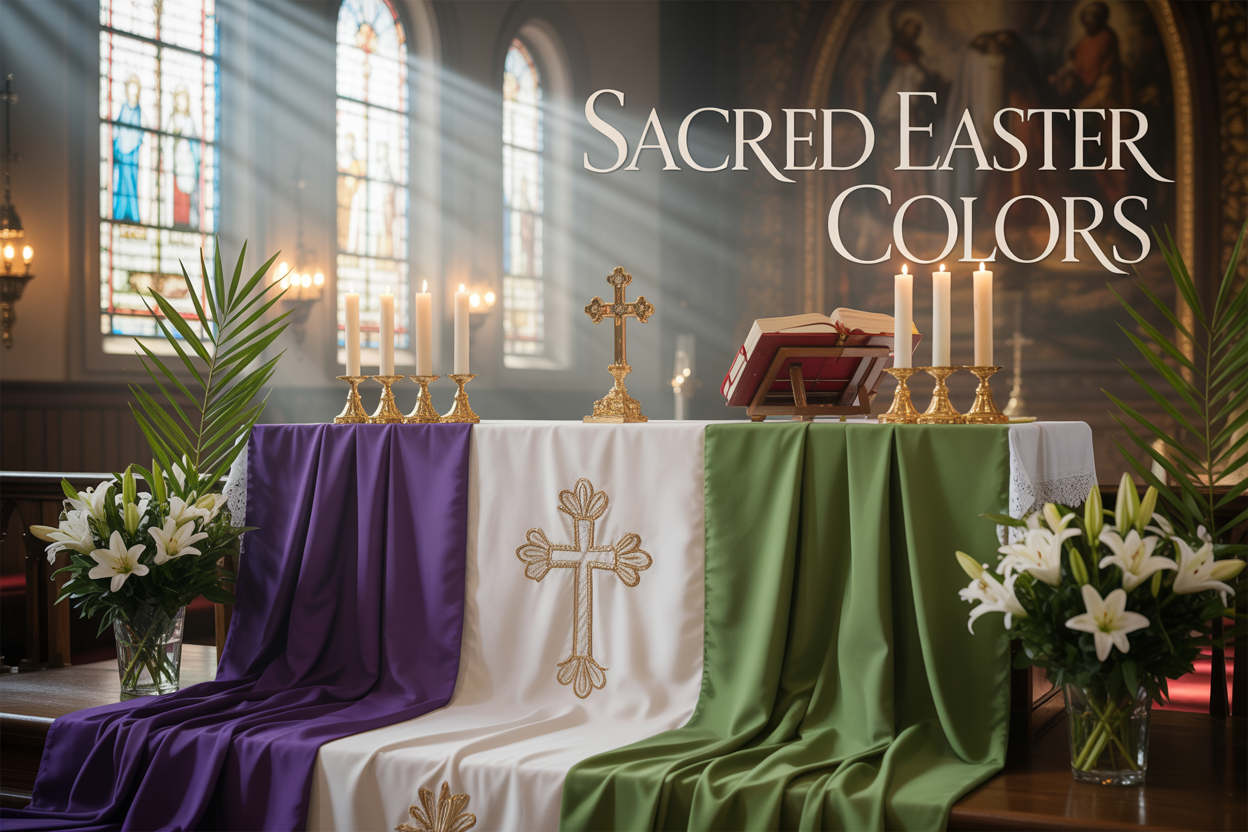
Understanding the Sacred Meaning Behind Christian Easter Colors
Easter colors carry deep spiritual meaning that many Christians want to understand better. This guide is for church members, worship leaders, and anyone curious about the Christian Easter traditions behind the purple, white, gold, and green that fill sanctuaries during the Easter season.
These Easter liturgical colors aren't just decorative choices. Each shade tells part of the Easter story and connects us to centuries of Christian worship. The Easter color symbolism creates a visual language that speaks to our hearts even before we hear the first hymn.
We'll explore how purple Easter significance marks the solemn journey of Lent and Holy Week. You'll discover why white Easter symbolism dominates Resurrection Sunday as the primary color of celebration. We'll also unpack the gold Easter meaning that represents divine glory and the green Easter symbolism that points to new life and growth.
By understanding these Easter colors meaning, you'll see how Christian Easter colors transform ordinary worship spaces into sacred storytelling environments. These Easter worship colors have guided believers for generations, and they can deepen your own Easter experience too.
Discover the Sacred Meaning Behind Traditional Easter Colors
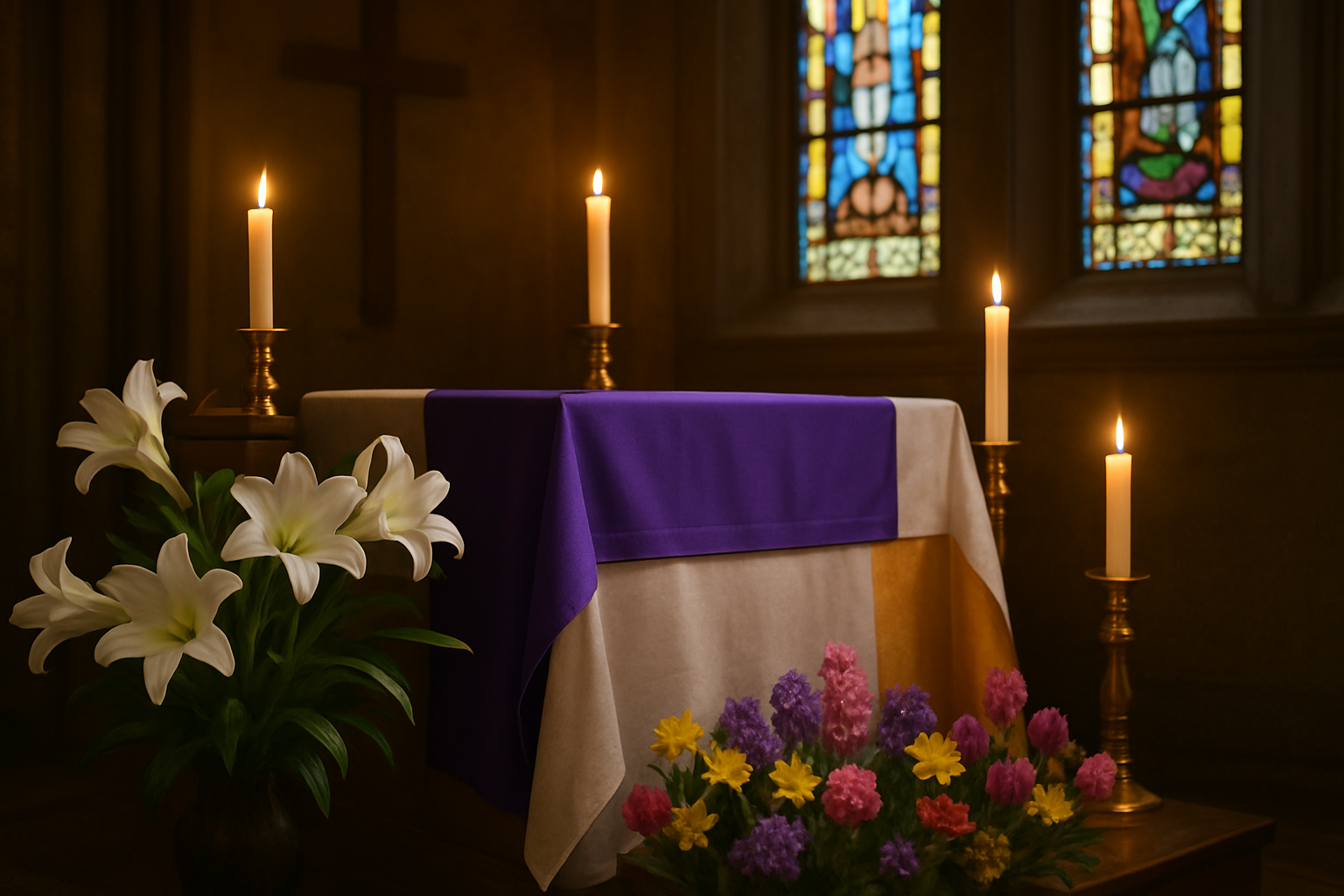
Understand the Biblical Foundations of Easter Color Symbolism
The roots of Christian Easter colors meaning trace back to ancient biblical texts and early church practices. Colors held profound spiritual significance in Hebrew and Christian traditions, serving as visual representations of divine truths and sacred concepts. The Old Testament frequently uses color imagery to convey God's character and promises - from the rich purple and blue of the tabernacle curtains to the white garments symbolizing purity and righteousness.
Biblical writers understood colors as God's language, speaking to believers through visual symbols that transcend cultural barriers. The Book of Revelation describes heavenly scenes filled with brilliant white robes, golden crowns, and precious stones in vibrant hues. These descriptions laid the groundwork for how Christians would later interpret and apply color symbolism in their worship practices.
Early church fathers recognized that colors could communicate spiritual realities to both literate and illiterate congregations. They drew connections between biblical imagery and the colors surrounding Christ's resurrection story - the royal purple of His mockery, the pristine white of resurrection garments, and the golden glory of His divine nature revealed.
Learn How Early Christians Established Color Traditions
The development of Christian Easter colors began in the first centuries after Christ's resurrection, as believers sought meaningful ways to commemorate this central event. Early Christians living under Roman rule carefully adapted existing cultural symbols while infusing them with distinctly Christian meanings. Purple, already associated with royalty and nobility in Roman society, transformed into a symbol of Christ's kingship and the penitential preparation for Easter.
By the fourth century, as Christianity gained official recognition, church leaders systematically organized liturgical practices including color usage. The Council of Trent later formalized many of these traditions, establishing the liturgical calendar with specific Easter liturgical colors for different seasons and celebrations.
Monasteries played a crucial role in preserving and refining these color traditions. Monks meticulously recorded the spiritual significance of each hue, creating detailed guides for proper liturgical observance. Their careful documentation ensured that Christian Easter traditions would be passed down through generations with consistent meaning and application.
Regional variations emerged as Christianity spread across different cultures, but core color symbolism remained remarkably consistent. Whether in Ethiopian Orthodox churches, Celtic Christian communities, or Roman Catholic parishes, the fundamental Easter color symbolism maintained its spiritual integrity while adapting to local customs and available materials.
Explore the Connection Between Colors and Resurrection Themes
The resurrection narrative provides the perfect framework for understanding Easter color symbolism. Each traditional color directly connects to specific aspects of Christ's victory over death and the hope it brings to believers. White Easter symbolism emerges most powerfully from the resurrection account itself - the angel's dazzling appearance, the grave clothes left behind, and the glorified body of the risen Christ.
Purple represents the journey from suffering to glory, bridging the darkness of crucifixion with the light of resurrection morning. This royal color reminds believers that Christ's apparent defeat was actually His greatest triumph, transforming the symbol of earthly kingship into heavenly authority.
Gold Easter meaning radiates through resurrection themes of divine glory breaking into human history. The precious metal symbolizes the imperishable nature of Christ's victory and the eternal life offered to all believers. Just as gold doesn't tarnish or decay, the resurrection promises endure forever.
Green connects to resurrection through themes of new life and spiritual rebirth. As Christ emerged from the tomb, He brought the promise of regeneration for all creation. Green Easter symbolism captures this life-giving power, representing the spiritual growth and renewal available through faith in the risen Savior.
These colors work together to tell the complete resurrection story, creating a visual theology that reinforces the spoken word and deepens believers' understanding of their faith's central miracle.
Master the Spiritual Significance of Purple in Easter Celebrations
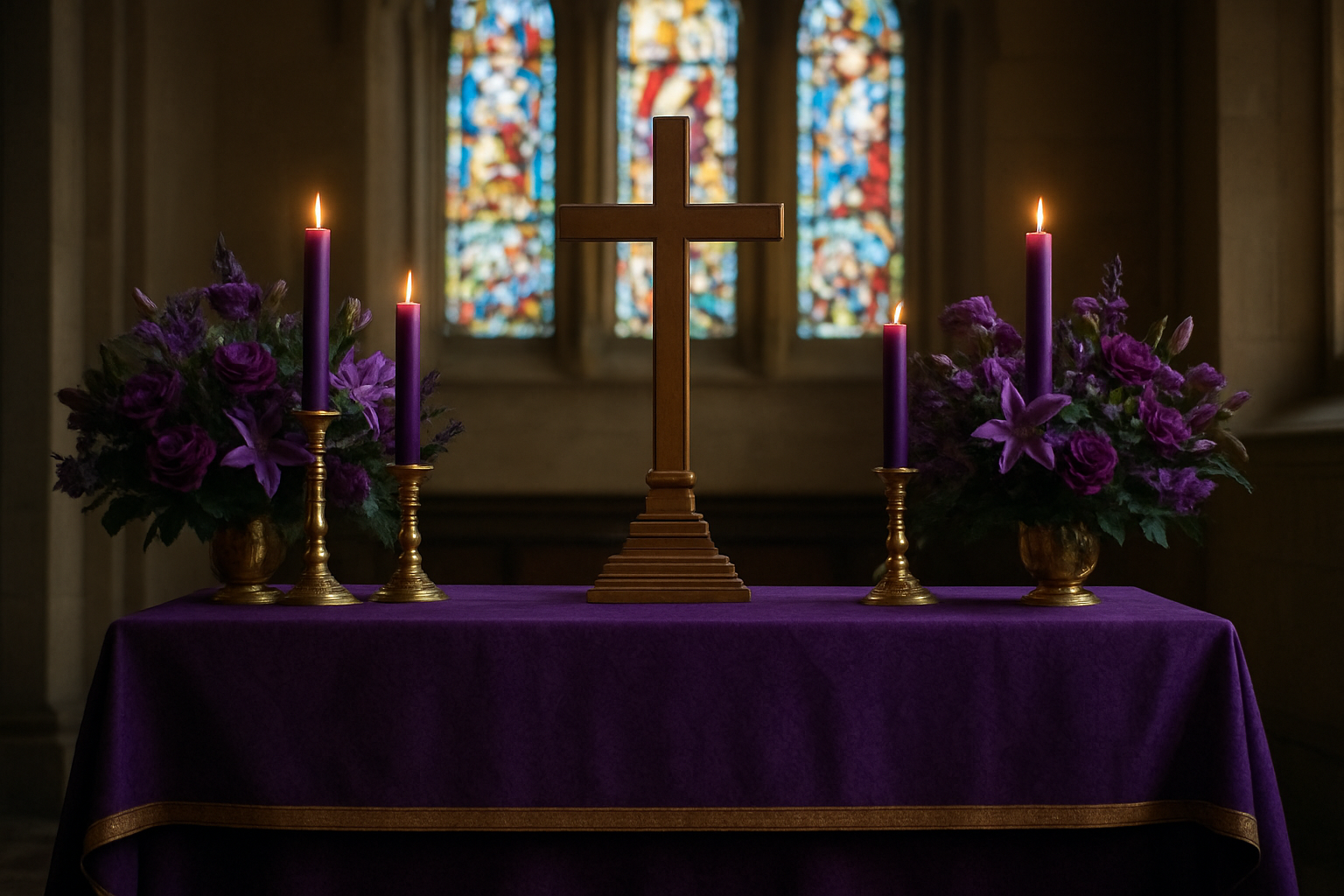
Recognize purple as the color of royalty and Christ's kingship
Purple holds an extraordinary place in Easter color symbolism as the ultimate representation of divine royalty. During biblical times, purple dye came from the murex shell and cost more than gold, making it available only to emperors, kings, and the wealthiest nobles. When Roman soldiers mockingly dressed Jesus in purple robes before his crucifixion, they unknowingly proclaimed a profound truth about his true identity as King of Kings.
The deep, rich hues of purple remind Christians that Christ's kingship transcends earthly power. Unlike human rulers who govern through force or politics, Jesus leads through love, sacrifice, and redemption. Churches incorporate purple vestments, altar cloths, and decorations to honor this divine authority that conquered death itself.
Purple Easter significance extends beyond mere tradition - it connects believers to the majesty of their Savior. When you see purple during Easter celebrations, you're witnessing a visual declaration that Christ reigns supreme over all creation, having earned his crown through ultimate sacrifice rather than earthly conquest.
Connect purple to penance and preparation during Lent
The journey to Easter begins with forty days of preparation, and purple serves as the perfect companion color for this sacred season. Christian Easter colors during Lent create an atmosphere of reflection, encouraging believers to examine their hearts and draw closer to God through prayer, fasting, and acts of service.
Purple's solemn beauty invites contemplation without creating despair. Churches drape their sanctuaries in various shades of purple, from deep violet to lighter lavender, creating spaces that feel both reverent and hopeful. This intentional use of color helps congregations shift their focus from worldly distractions to spiritual priorities.
The color psychology of purple naturally promotes introspection and spiritual awareness. When surrounded by purple during Lent, worshippers often find themselves more receptive to God's voice and more willing to engage in the difficult but rewarding work of personal transformation. This preparation makes Easter's celebration even more meaningful and joyful.
Appreciate how purple represents sacrifice and suffering
Purple carries the weight of Christ's passion with remarkable grace and dignity. The color encompasses both the physical suffering Jesus endured and the emotional anguish of bearing humanity's sins. Yet purple doesn't dwell in darkness - it points toward the victory that comes through sacrifice.
Easter liturgical colors include purple specifically because it honors the cost of redemption without diminishing the hope of resurrection. The bruising, the crown of thorns, and the mockery all contribute to purple's association with Christ's suffering, but this same color also represents the nobility found in willing sacrifice for others.
Churches use purple to help believers connect emotionally and spiritually with Christ's passion. When you see purple banners or wear purple during Easter season, you're participating in a tradition that acknowledges both the pain of Good Friday and the promise of Easter Sunday. This duality makes purple uniquely powerful among Easter worship colors - it holds space for both sorrow and anticipation, creating room for the full spectrum of emotions that Easter brings to the Christian heart.
Embrace the Power of White as Easter's Primary Color
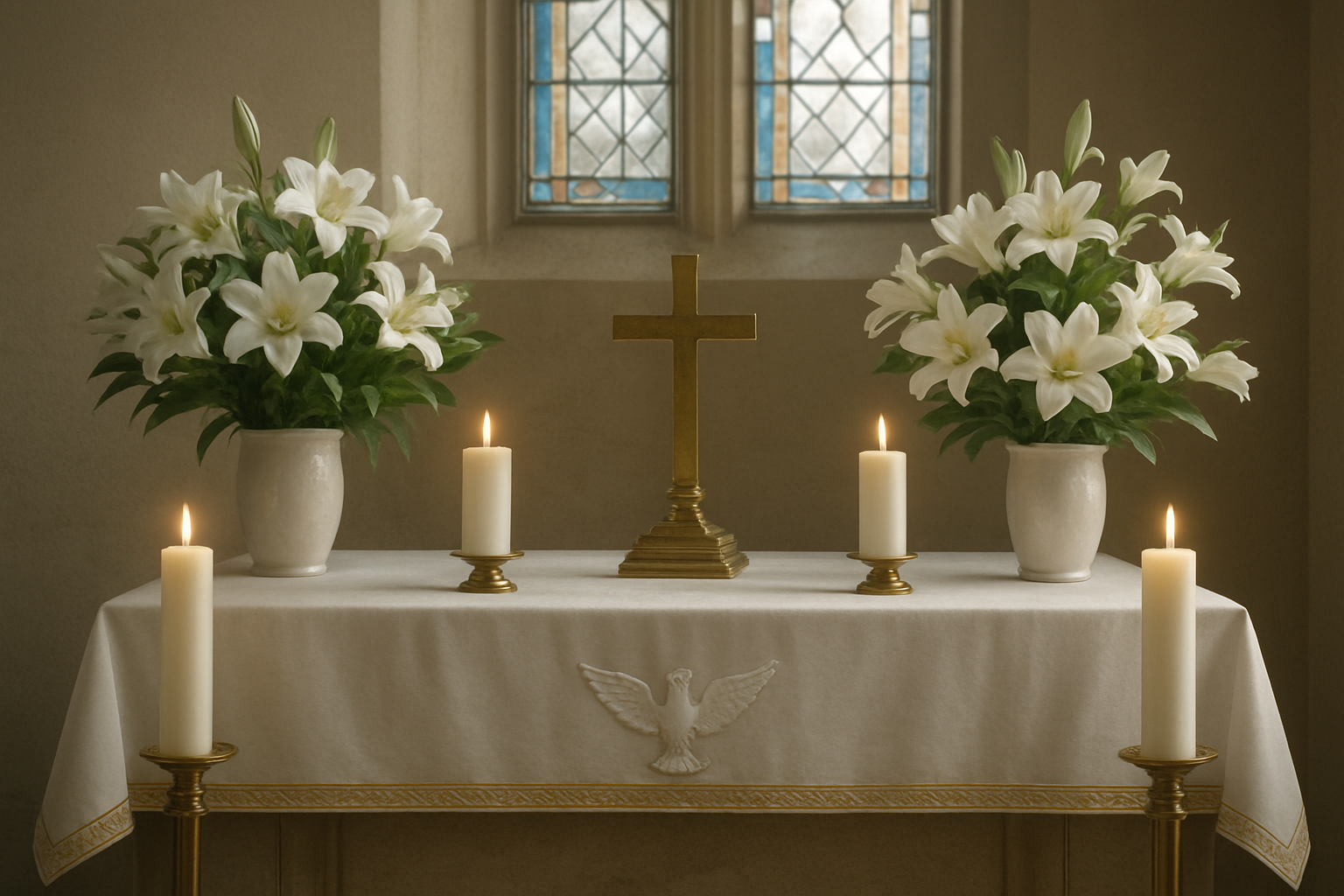
Celebrate white as the symbol of purity and new life
White stands as the most important color in Christian Easter traditions, representing the pure and spotless nature of Christ's sacrifice. This sacred hue carries deep white Easter symbolism that touches the very heart of Christian faith. When we see white adorning churches during Easter celebrations, we witness a visual representation of spiritual transformation and divine purity.
The color white in Easter worship reflects the sinless nature of Jesus Christ and the cleansing power of His love. Churches across denominations embrace white vestments, altar cloths, and decorations during Easter services because this color embodies the perfect holiness that believers strive to achieve through faith. The pristine whiteness reminds congregations that Christ's sacrifice washed away the stains of sin, offering humanity a fresh start and renewed relationship with God.
White also symbolizes the new life that Easter brings to all believers. Just as spring brings fresh growth and renewed vitality to nature, the white color during Easter season represents spiritual rebirth and the promise of eternal life. This powerful symbolism connects directly to the Christian Easter traditions that emphasize transformation, hope, and divine grace.
Understand white's representation of Christ's resurrection victory
The triumph of white during Easter celebrations directly connects to Christ's victory over death and darkness. When Jesus emerged from the tomb on that first Easter morning, His resurrection represented the ultimate victory of light over darkness, life over death, and good over evil. White captures this triumphant moment in Easter color symbolism, serving as a banner of Christ's conquest over sin and death.
Biblical accounts describe the resurrection scene with brilliant white imagery. The angels at the tomb wore white garments, and Christ himself appeared in radiant white clothing during the transfiguration. This heavenly white represents divine glory and the power of God breaking through earthly limitations. Churches honor this victory by draping their sanctuaries in white during Easter worship colors celebrations.
The white of Easter Sunday contrasts sharply with the purple and black of Good Friday, creating a powerful visual narrative of Christ's journey from suffering to glory. This dramatic shift in liturgical colors tells the complete Easter story through visual symbolism, helping believers understand the magnitude of Christ's resurrection victory.
Discover white's connection to baptism and spiritual cleansing
White carries profound meaning in Christian baptism traditions, making its Easter prominence especially significant for understanding spiritual cleansing. The white garments worn by newly baptized believers symbolize their washing clean from sin and their new identity in Christ. This baptismal connection makes white the perfect Easter liturgical colors choice for celebrating spiritual renewal.
The practice of wearing white robes during baptism dates back to early Christian traditions, where converts would dress in pure white clothing to symbolize their spiritual rebirth. Easter celebrations honor this same transformation on a communal level, as the entire church family celebrates the cleansing power of Christ's resurrection.
Churches often schedule baptisms during Easter season specifically because the white Easter decorations provide the perfect backdrop for this sacred ceremony. The visual harmony between Easter's white symbolism and baptismal whites creates a powerful worship environment that reinforces the message of spiritual cleansing and new life in Christ. This connection helps believers understand that Easter isn't just about historical events, but about personal transformation and ongoing spiritual growth.
Unlock the Joy and Hope Represented by Gold in Easter Worship
Experience gold as the color of divine glory and majesty
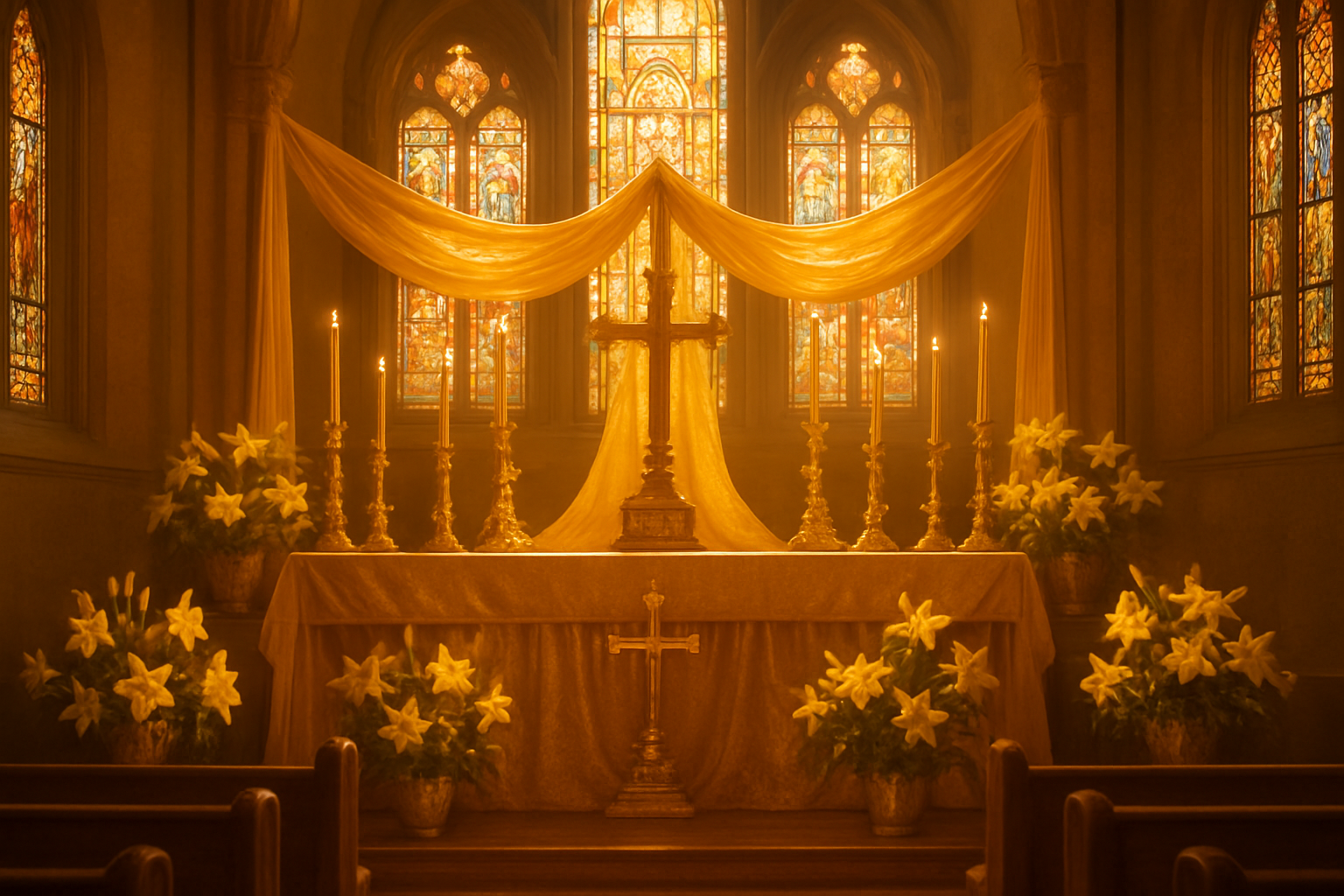
Gold represents the ultimate expression of divine presence in Christian Easter traditions. This precious metal color connects directly to God's heavenly throne and eternal nature. When churches incorporate gold into their Easter decorations and vestments, they acknowledge Christ's divine identity and His victory over death.
The gold Easter meaning draws from biblical imagery where gold appears as the material of divine realms. The New Jerusalem described in Revelation features streets of pure gold, and the ark of the covenant was overlaid with this precious metal. During Easter worship, gold vestments and altar decorations remind congregants that they celebrate not just a human teacher, but the divine Son of God who conquered the grave.
Gold candlesticks, crosses, and communion vessels create an atmosphere of reverence during Easter services. The reflective quality of gold symbolizes how Christ's divine light penetrates the darkness of sin and death. Many churches reserve their finest gold appointments specifically for Easter Sunday, recognizing this as the most significant celebration in the Christian Easter colors spectrum.
Connect gold to the eternal nature of Christ's triumph
Unlike other metals that tarnish and corrode, gold maintains its luster through time, making it a perfect symbol for Christ's eternal victory. The Easter color symbolism of gold speaks to the permanent nature of resurrection hope. Christ's triumph over death isn't temporary or conditional - it's as enduring as pure gold itself.
This eternal quality appears in Easter hymns and prayers that incorporate golden imagery. "Crown Him with Many Crowns" speaks of Christ's golden crown of victory, while traditional Easter carols reference golden halls of heaven. The use of gold in Easter liturgical colors reinforces the message that Christ's resurrection transforms believers' eternal destiny.
Churches often display golden banners proclaiming "He is Risen" or "Alleluia" during Easter season. These decorations serve as visual reminders that the resurrection isn't just a historical event, but an ongoing reality that continues to impact believers' lives. The permanence of gold reflects the unchanging nature of Christ's victory and the eternal security it provides.
Understand gold's role in celebrating resurrection joy
Gold captures the exuberant celebration that defines Easter worship. This radiant color expresses the overwhelming joy that filled the disciples when they discovered the empty tomb. The Easter colors meaning includes gold as the visual representation of spiritual celebration and triumphant praise.
During Easter services, golden altar cloths and vestments create an atmosphere of festivity that distinguishes this season from the somber purple of Lent. The brightness of gold complements white as Easter worship colors that proclaim victory and joy. Many congregations incorporate golden instruments like bells and chimes to enhance the celebratory atmosphere.
Golden decorations often include symbols of triumph such as crowns, trumpets, and victory wreaths. These elements remind worshippers that Easter celebrates the ultimate victory - Christ's conquest of humanity's greatest enemy. The joy represented by gold isn't merely emotional happiness, but the deep spiritual celebration that comes from knowing death has been defeated and eternal life secured.
Appreciate the Life-Giving Symbolism of Green During Easter Season

Recognize green as the color of new growth and renewal
Green holds a special place in Easter color symbolism as nature's most powerful reminder of rebirth and fresh beginnings. When you walk outside during spring, the vibrant green shoots pushing through winter's dead landscape mirror Christ's resurrection from the tomb. This Christian Easter color connects believers to the fundamental promise that death doesn't have the final word.
Churches often incorporate green elements during the Easter season to emphasize this connection between the natural world and spiritual truths. Green vestments, altar cloths, and decorations serve as visual reminders that just as plants emerge from dormant seeds, our faith grows from what appears lifeless into something beautiful and alive. The color represents God's creative power working both in nature and in human hearts.
Connect green to the promise of eternal life through Christ
Green Easter symbolism extends far beyond seasonal change to represent the eternal life Jesus offers believers. Just as evergreen trees maintain their color throughout winter's harshest months, Christ's promise of eternal life remains constant through life's darkest seasons. This parallel helps Christians understand that resurrection isn't just about Jesus rising from the dead—it's about the ongoing life He provides to all who believe.
The connection between green and eternal life appears throughout Scripture, from the Tree of Life in Genesis to the green pastures in Psalm 23. These biblical images reinforce green's role in Easter worship colors as a symbol of God's sustaining presence and the abundant life He promises His people.
Learn how green represents hope and spiritual rebirth
Hope springs eternal in Christian Easter traditions, and green perfectly captures this sentiment. After winter's gray and brown dominance, green's return signals that better days lie ahead. Similarly, green during Easter reminds believers that no matter how bleak circumstances appear, God's power to bring new life remains unchanged.
Spiritual rebirth takes center stage when green appears in Easter celebrations. Baptisms often feature green elements to symbolize the new believer's transformation from spiritual death to life. The color represents:
-
Fresh starts in faith journeys
-
Growth in spiritual maturity
-
Renewed commitment to following Christ
-
Hope for personal transformation
Understand green's significance in post-Easter celebrations
Post-Easter celebrations continue to feature green Easter symbolism as the church calendar moves into the season of Pentecost and ordinary time. Green dominates liturgical calendars during these weeks, emphasizing the ongoing work of the Holy Spirit in believers' lives. This extended use of green reinforces that Easter's impact doesn't end on Easter Sunday—it continues transforming lives throughout the year.
Many churches use green decorations during post-Easter services to maintain the connection between resurrection and daily Christian living. The color reminds congregations that the same power that raised Jesus from the dead now works within them, producing spiritual fruit and enabling growth in faith, hope, and love.
Apply Easter Color Knowledge to Enhance Your Worship Experience
Choose Appropriate Colors for Home Easter Decorations
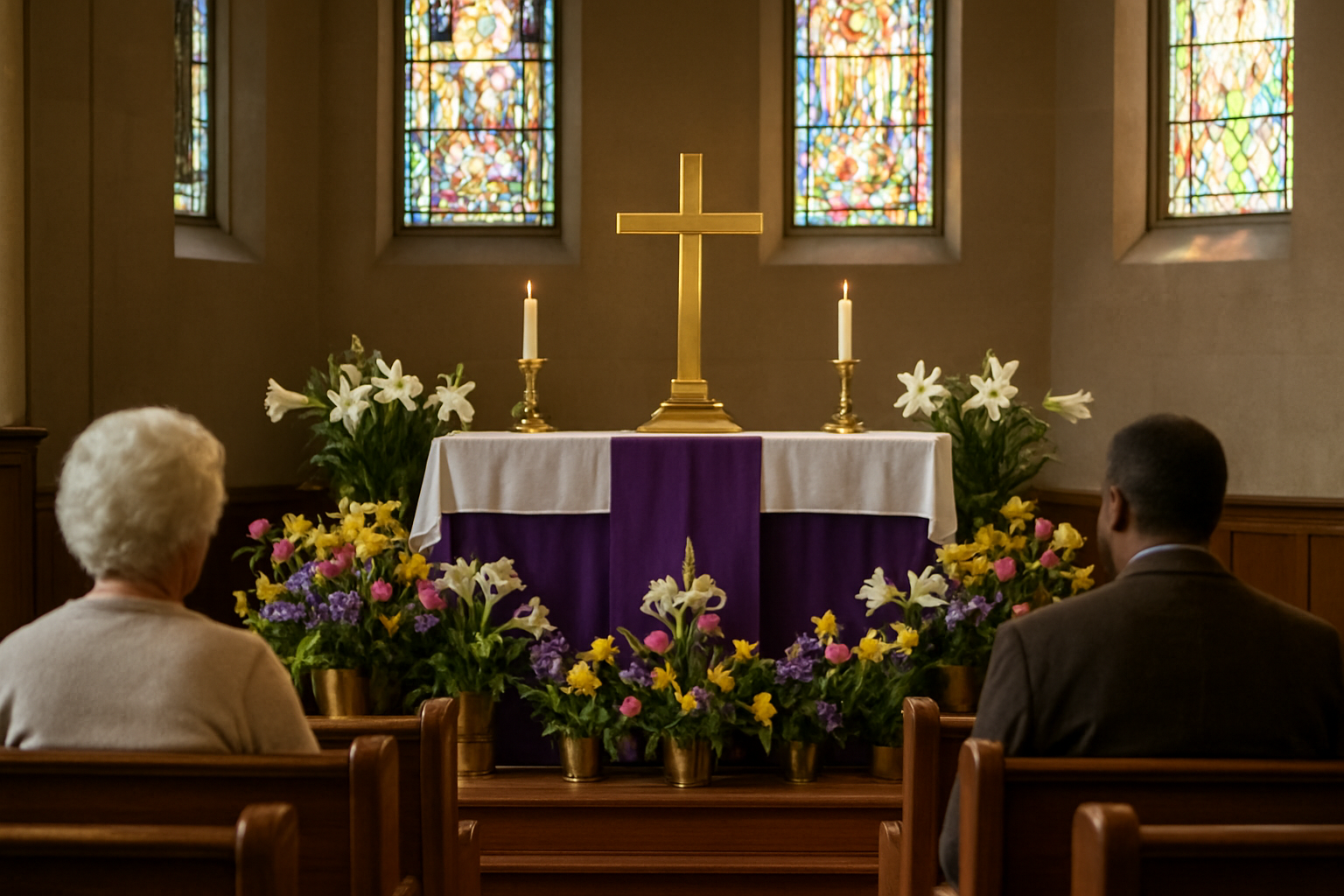
Transform your home into a sacred space by thoughtfully selecting Easter colors that reflect Christian traditions. Purple decorations work beautifully during Lent and the weeks leading up to Easter, creating an atmosphere of reflection and preparation. Consider purple table runners, candles, or fresh flowers like violets or tulips to honor this period of spiritual contemplation.
White takes center stage on Easter Sunday itself. White lilies symbolize Christ's resurrection and purity, making them perfect focal points for your Easter table or mantle. Combine white flowers with cream-colored linens, pearl accents, or simple white candles to create an elegant celebration of new life. Gold accents enhance white decorations magnificently - think gold picture frames displaying religious artwork, metallic vases, or shimmering table settings that catch the light.
Green brings the promise of new growth into your Easter celebrations. Fresh spring branches, potted herbs, or arrangements featuring ferns and eucalyptus remind family and guests of God's renewing power. Mix green elements with your primary white and gold scheme for a natural, life-affirming atmosphere.
Avoid overwhelming your space with too many competing colors. Instead, choose one dominant Easter color and accent with one or two others. This approach creates harmony while maintaining the spiritual significance of each hue.
Understand the Meaning Behind Church Vestments and Altar Cloths
Church vestments and altar decorations follow a carefully planned liturgical color calendar that deepens worship experiences throughout the Easter season. Priests wear purple vestments during Lent, signifying penitence and preparation for Easter's joy. These deep violet robes remind congregants that Easter's celebration comes after a period of spiritual discipline and self-reflection.
On Easter Sunday, churches transform dramatically as purple gives way to brilliant white and gold vestments. The priest's white alb and stole represent Christ's victory over death, while gold accents symbolize divine glory and the precious nature of salvation. Many churches reserve their finest white linens and most ornate gold vessels specifically for Easter worship, creating a visual feast that matches the spiritual significance of the resurrection.
During the Easter season that follows, which lasts fifty days until Pentecost, churches typically maintain white as the primary liturgical color. Some denominations incorporate green vestments during this period, especially when celebrating themes of spiritual growth and the continuing work of the Holy Spirit in believers' lives.
Pay attention to these visual cues during worship services. They're not merely decorative choices but theological statements that enhance your understanding of where you are in the church calendar and what spiritual themes deserve focus during each worship experience.
Incorporate Meaningful Colors into Personal Easter Celebrations
Personal Easter celebrations become more meaningful when you understand Christian Easter color symbolism and apply it intentionally to your family traditions. Start by creating color-themed Easter baskets that teach children about faith while maintaining the joy of the holiday. Fill purple baskets with books about Jesus' sacrifice, small crosses, or devotional materials during Holy Week. Switch to white or gold baskets on Easter morning, filling them with symbols of new life like small plants, butterfly decorations, or items that represent growth and renewal.
Easter egg decorating offers wonderful opportunities to incorporate Easter worship colors meaningfully. Purple eggs can represent the journey through Lent, while white eggs celebrate resurrection morning. Gold eggs make beautiful keepsakes that remind family members of God's precious love throughout the year. Green eggs work perfectly for teaching children about spiritual growth and the new life available through faith.
Create Easter morning traditions that highlight these meaningful colors. Set your breakfast table with white linens and gold accents, place fresh green plants as centerpieces, and encourage family members to wear white or light colors to church. These simple choices reinforce the spiritual significance of Easter while creating lasting memories.
Consider establishing annual traditions around specific Easter colors. Plant a family garden with white flowers each Easter season, or start a collection of purple devotional items that come out each Lent. These practices help families connect with Christian Easter traditions year after year, building spiritual depth alongside holiday joy.
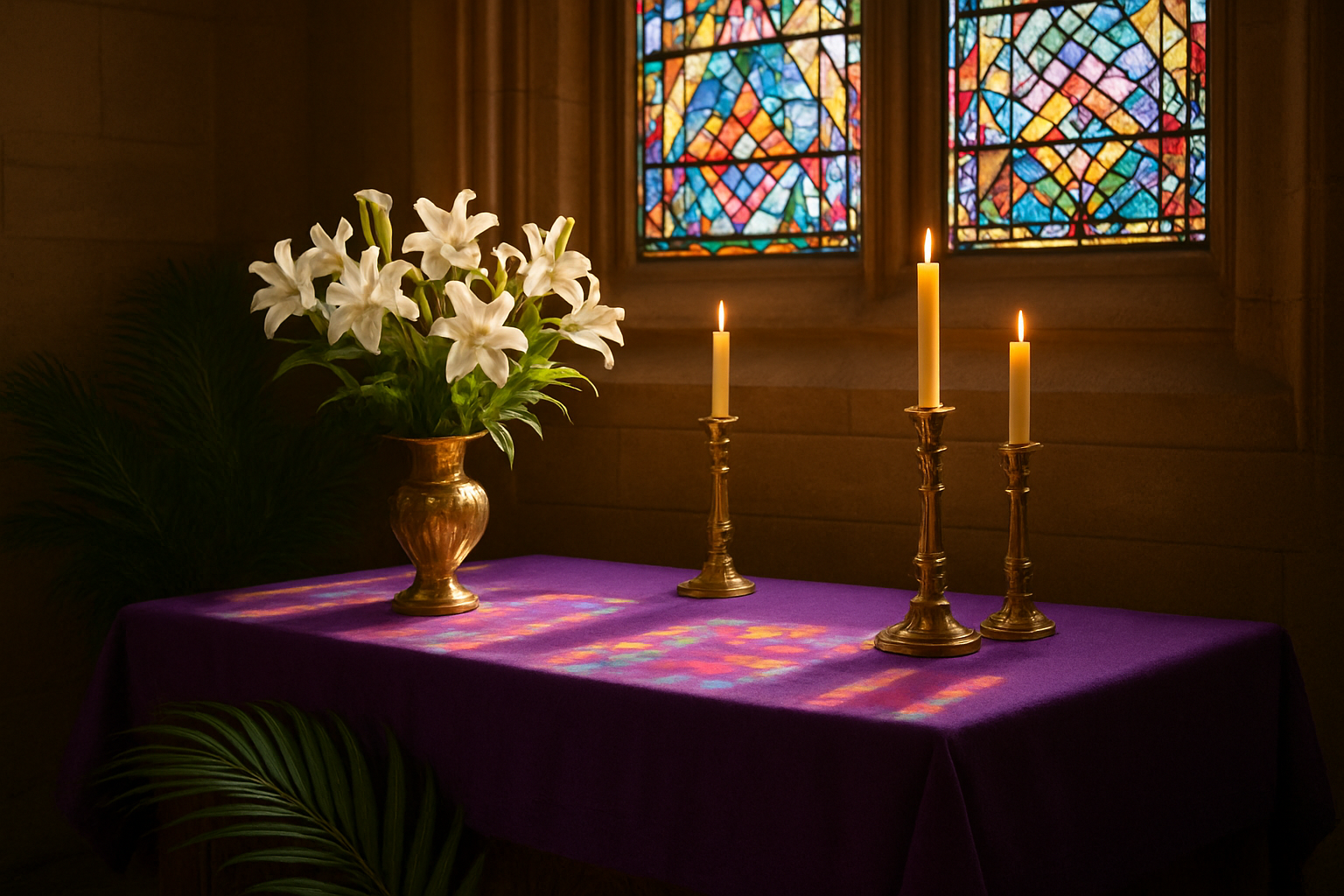
The colors of Easter carry deep spiritual meaning that connects us to the heart of our faith. Purple reminds us of Christ's royalty and the solemnity of His sacrifice, while white celebrates the purity and victory of His resurrection. Gold brings the joy and divine glory of Easter morning, and green represents the new life that springs from His triumph over death. These colors aren't just decorations – they're visual prayers that help tell the greatest story ever told.
When you see these colors during Easter season, let them guide your heart toward worship and reflection. Whether you're choosing flowers for your church, decorating your home, or simply noticing the colors around you during services, remember that each hue speaks to a different aspect of God's amazing love. Take time to really see these colors and let them deepen your understanding of what Easter truly means for your life and faith.


Comments
Post a Comment