WHY SINGING CHRISTMAS CAROLS IS A POWERFUL TRADITION
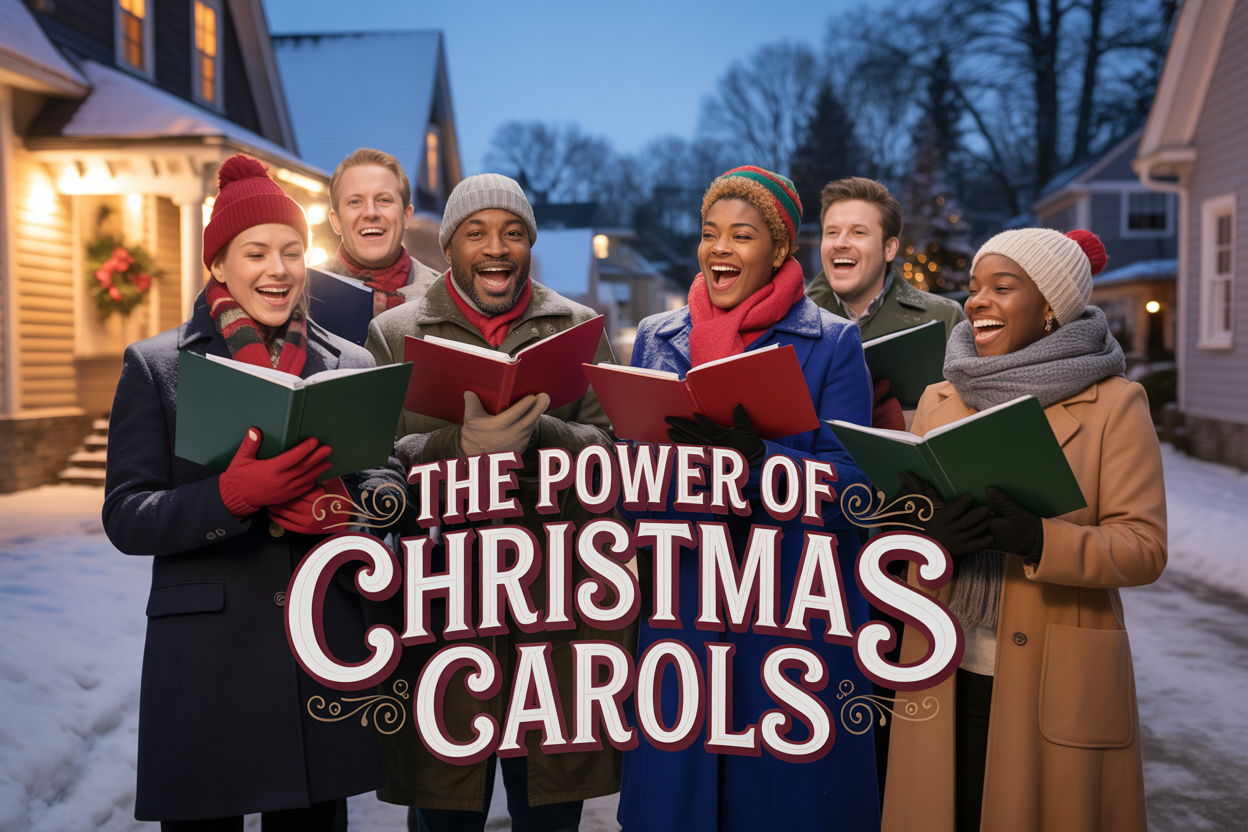
Christmas carols have been bringing people together for centuries, creating magical moments that go far beyond simple holiday entertainment. This cherished Christmas music tradition offers surprising benefits for singers, listeners, and entire communities.
If you've ever wondered why caroling tradition feels so meaningful—or you're curious about getting involved in community caroling yourself—you're not alone. Many families, church groups, and neighborhood organizations are rediscovering the powerful impact of this festive singing custom.
We'll explore how Christmas carol history reveals deep cultural roots that still resonate today. You'll also discover the proven psychological benefits of holiday singing traditions, from reducing stress to boosting mood and creating stronger social bonds. Finally, we'll look at how carol singing builds genuine community connections and spreads joy in ways that few other activities can match.
Historical Roots and Cultural Significance of Christmas Carols

Ancient origins connecting communities through shared melodies
Christmas carols trace their roots back thousands of years to ancient celebrations that brought people together through song. Before Christianity spread across Europe, communities gathered during winter solstice festivals, sharing melodies that carried their hopes through the darkest months of the year. These early songs created powerful bonds between neighbors and families, establishing singing Christmas carols as a way to strengthen social connections during challenging times.
The word "carol" itself comes from the ancient Greek "choros," meaning a circle dance accompanied by singing. Early carolers would literally dance in circles while performing, creating a physical and emotional unity that went far beyond simple entertainment. This tradition of communal singing evolved across cultures, from Roman festivals to Celtic celebrations, each adding unique elements to what would eventually become our modern Christmas carol history.
Religious traditions that strengthen spiritual bonds
When Christianity began incorporating existing musical traditions, carol singing transformed into a powerful tool for spiritual connection. Medieval monks developed elaborate chants and hymns that eventually filtered down to common people, who adapted these sacred melodies into songs they could share in their homes and communities.
The 13th century saw the emergence of Franciscan friars who actively encouraged caroling tradition as a way to spread religious messages through accessible music. These traveling singers brought sacred stories to life through memorable melodies, creating deeper spiritual connections than sermons alone could achieve. Churches began organizing community caroling events, recognizing how group singing strengthened faith bonds and created lasting spiritual memories.
Cultural preservation through generational storytelling
Christmas caroling benefits extend far beyond entertainment—these songs serve as cultural time capsules, preserving stories and values across generations. Each carol carries historical narratives, religious teachings, and cultural wisdom that might otherwise be forgotten. When families gather to sing traditional carols, they're actively participating in an unbroken chain of cultural transmission that spans centuries.
Many carols contain references to historical events, social customs, and regional traditions that provide windows into past civilizations. "Good King Wenceslas," for example, tells the story of a real 10th-century duke known for his charitable acts, preserving both historical memory and moral lessons. Through holiday singing traditions, communities maintain connections to their heritage while adapting these timeless messages for new generations.
Evolution from sacred hymns to beloved holiday customs
The transformation of Christmas music tradition from purely religious expressions to inclusive community celebrations demonstrates the adaptability and enduring appeal of carol singing. During the Renaissance, composers began creating secular versions of traditional carols, making them accessible to people of all faiths and backgrounds.
The Victorian era marked a significant turning point when carol singing impact expanded beyond church walls into public spaces. Door-to-door caroling became a cherished custom that brought music directly to people's homes, creating intimate moments of connection between singers and listeners. This period also saw the creation of many beloved carols still popular today, as composers balanced sacred themes with universal messages of peace, joy, and goodwill.
Modern festive singing customs continue this evolution, with communities adapting traditional carols to reflect contemporary values while maintaining their core message of unity and celebration. Today's Christmas carol history includes diverse musical styles and cultural influences, proving that this ancient tradition remains vibrant and relevant in our connected world.
Psychological and Emotional Benefits of Caroling
Stress reduction through melodic expression
Singing Christmas carols acts as a natural stress-buster, working almost like musical medicine for your mind. When you belt out "Silent Night" or hum along to "Jingle Bells," your body releases endorphins – those feel-good chemicals that chase away tension and worry. The rhythmic breathing required for singing activates your parasympathetic nervous system, which is basically your body's built-in relaxation mode.
Research shows that melodic expression through caroling triggers the same physiological responses as meditation. Your heart rate slows down, cortisol levels drop, and muscle tension melts away. The repetitive nature of many Christmas carols creates a meditative state that helps quiet racing thoughts and anxiety. Whether you're singing door-to-door or joining a group at the local shopping center, the act of focusing on melody and lyrics pulls your mind away from daily stressors and grounds you in the present moment.
Enhanced mood and holiday spirit activation
Christmas caroling works like an instant mood elevator, flooding your brain with positive neurochemicals. The combination of music, movement, and social interaction creates what scientists call a "happiness cocktail" of serotonin, dopamine, and oxytocin. These brain chemicals don't just make you feel good in the moment – they create lasting improvements in your overall emotional well-being.
The familiar melodies of beloved carols trigger powerful emotional responses linked to positive holiday memories. When you sing "White Christmas" or "Let It Snow," your brain automatically connects to warm feelings of family gatherings, gift exchanges, and cozy winter evenings. This nostalgic activation helps combat seasonal depression and the holiday blues that many people experience during darker winter months.
Memory stimulation and nostalgic connections
Carol singing creates a direct pathway to your most treasured memories, acting like a time machine for your emotions. The melodies you learned as a child remain deeply embedded in your long-term memory, and singing them as an adult instantly transports you back to those magical moments of childhood wonder and family togetherness.
This memory stimulation works on multiple levels. The combination of rhythm, melody, and lyrics engages different parts of your brain simultaneously, strengthening neural pathways and improving cognitive function. Many families discover that elderly relatives with memory challenges suddenly come alive when familiar carols start playing, singing every word with crystal clarity despite struggling with other forms of recall.
The nostalgic connections formed through caroling create emotional anchors that enrich your sense of identity and belonging. Each carol carries stories – the church service where you first heard "O Holy Night," the snowy evening when neighbors gathered for impromptu caroling, or the year your family started their own caroling tradition.
Therapeutic value of group singing experiences
Group caroling creates a unique therapeutic environment where individual voices blend into something bigger than the sum of their parts. This collective musical experience releases powerful bonding hormones and creates what psychologists call "social flow" – that magical state where individual consciousness merges with group consciousness.
The therapeutic benefits go beyond just feeling good. Group singing has been shown to boost immune system function, lower blood pressure, and reduce inflammation markers in the body. When you sing Christmas carols with others, your breathing and heart rates naturally synchronize with the group, creating a shared physiological experience that deepens social bonds and emotional connection.
The non-judgmental nature of caroling makes it especially therapeutic. Unlike formal choir performances, Christmas caroling welcomes all voices and skill levels. This inclusive environment allows people to experience the joy of musical expression without performance anxiety or fear of making mistakes. The focus shifts from perfect execution to shared celebration, creating healing spaces for those dealing with isolation, grief, or emotional struggles during the holiday season.
Social Connection and Community Building Power
Breaking down barriers between strangers and neighbors
Christmas caroling possesses an almost magical ability to dissolve the invisible walls that typically separate people in modern society. When carolers appear at doorsteps, something extraordinary happens – the usual social protocols melt away. Neighbors who might only exchange polite nods suddenly find themselves sharing genuine smiles and heartfelt conversations. The simple act of singing Christmas carols creates an instant atmosphere of warmth and approachability that transcends economic status, age differences, and cultural backgrounds.
The tradition works because music serves as a universal language that speaks directly to our emotions. A group of carolers singing familiar holiday melodies immediately signals safety, joy, and goodwill. Even the most reserved individuals often find themselves humming along or sharing personal stories about their favorite Christmas memories. This spontaneous connection happens because caroling strips away the superficial barriers we construct in daily life, replacing them with shared humanity and seasonal spirit.
Creating instant bonds through shared musical experiences
Music has an unparalleled power to forge immediate connections between people, and Christmas caroling amplifies this effect. When voices join together in familiar holiday songs, participants experience what researchers call "social bonding through synchronized activity." The act of singing in harmony naturally synchronizes breathing, heartbeats, and emotional states, creating an instant sense of unity and belonging.
These musical moments transcend typical social interactions. Complete strangers can feel deeply connected after sharing just one song together. The shared experience of creating beautiful music, even imperfectly, generates feelings of accomplishment and mutual appreciation. Caroling groups often report that their strongest friendships began with a single evening of holiday singing traditions.
The repertoire of Christmas carols provides common ground that spans generations and cultures. Songs like "Silent Night" or "Jingle Bells" carry shared emotional significance, allowing people from vastly different backgrounds to connect through collective memory and tradition. This musical bridge enables conversations and relationships that might never have formed otherwise.
Fostering intergenerational relationships and understanding
Christmas caroling serves as one of the few remaining traditions that naturally brings together people across age groups. Grandparents, parents, teenagers, and young children can all participate meaningfully in the same activity, each contributing their unique voice to the collective experience. This multi-generational participation creates opportunities for mutual understanding and respect that are increasingly rare in our age-segregated society.
Older community members often become living historians during caroling experiences, sharing stories about how the tradition has evolved over decades. Younger participants gain valuable perspective on community history and cultural continuity. Meanwhile, children and teenagers bring fresh energy and enthusiasm that rekindles the joy of longtime carolers.
The intergenerational aspect of community caroling also provides natural mentorship opportunities. Experienced singers guide newcomers, while different age groups learn from each other's perspectives on holiday traditions. These relationships often extend beyond the caroling season, creating lasting connections that strengthen the entire community fabric throughout the year.
Personal Development Through Carol Singing
Confidence Building Through Public Performance
Stepping out your front door with a group of fellow carolers naturally pushes you beyond your comfort zone. Many people discover hidden reserves of courage when they begin singing Christmas carols door-to-door or at community events. The supportive atmosphere of Christmas caroling creates a safe space for people who typically avoid public speaking or performing to gradually build their confidence.
Regular participation in caroling activities helps singers overcome stage fright and social anxiety. Each performance becomes easier than the last, creating a positive feedback loop that builds self-assurance. The warm reception that Christmas music typically receives from audiences also provides encouraging validation for nervous performers.
The seasonal nature of caroling allows people to practice public performance skills in a low-stakes environment where mistakes are easily forgiven and enthusiasm is valued over perfection. This forgiving atmosphere helps participants develop resilience and learn to recover gracefully from minor slip-ups.
Musical Skill Development and Vocal Improvement
Regular carol singing provides excellent vocal training opportunities for singers of all skill levels. The repetitive nature of Christmas caroling throughout the holiday season creates consistent practice that strengthens vocal cords and improves breath control. Many traditional carols feature challenging melodic lines and harmonies that push singers to expand their range and develop better pitch accuracy.
Caroling groups often include singers with varying experience levels, creating natural mentorship opportunities where experienced vocalists share techniques with beginners. This peer-to-peer learning environment helps participants develop better listening skills as they learn to blend their voices with others.
The acoustic nature of most caroling performances - without microphones or sound systems - trains singers to project their voices naturally and develop proper vocal technique. Many participants notice significant improvements in their singing ability after just one caroling season.
Leadership Opportunities Within Caroling Groups
Christmas caroling groups provide numerous chances for participants to develop and practice leadership skills. Someone needs to coordinate rehearsal schedules, select song repertoires, and organize performance locations. These responsibilities help participants develop project management abilities, communication skills, and decision-making confidence.
Musical leadership roles naturally emerge within caroling groups as more experienced singers step forward to conduct, teach harmonies, or lead warm-up exercises. These positions help develop teaching abilities and musical knowledge that participants often apply in other areas of their lives.
The collaborative nature of caroling also teaches diplomatic leadership skills as group members learn to navigate different opinions about song choices, performance styles, and logistical arrangements while maintaining group harmony and holiday spirit.
Cultural Literacy and Historical Knowledge Expansion
Participating in the Christmas caroling tradition connects singers with centuries of musical and cultural history. Learning traditional carols exposes participants to different musical periods, from medieval melodies to Victorian compositions, broadening their understanding of how Christmas music has evolved over time.
Many caroling groups take time to research the historical background of the songs they perform, discovering fascinating stories about how certain carols originated during specific historical events or cultural movements. This research deepens participants' appreciation for the music and connects them with broader historical narratives.
The international nature of many Christmas carols also introduces singers to different languages and cultural traditions, expanding their global awareness and cultural sensitivity. Learning carols from various countries helps participants understand how different cultures celebrate the holiday season through music.
Spreading Joy and Creating Lasting Impact
Brightening Spirits of Elderly and Isolated Individuals
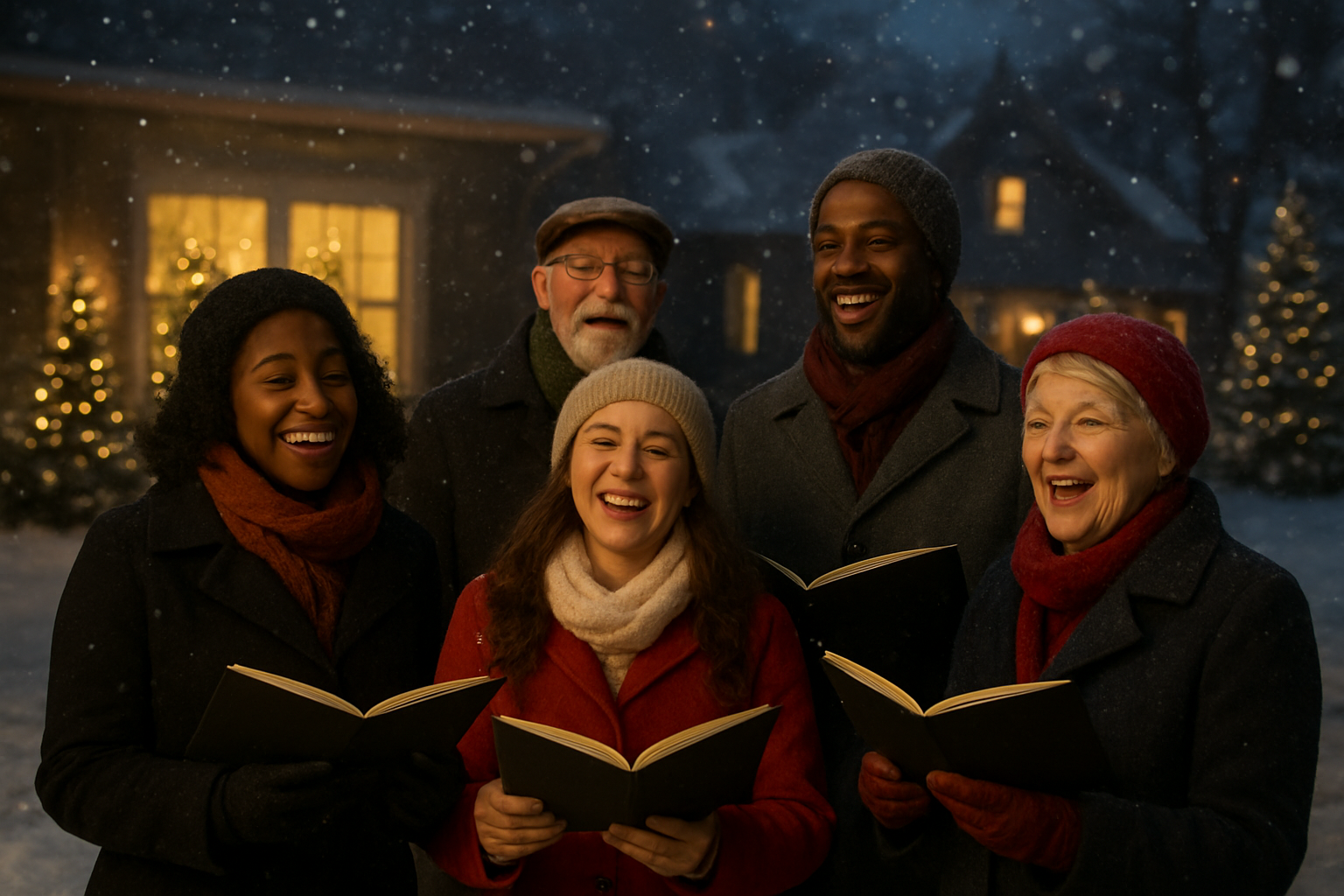
Christmas caroling serves as a beacon of warmth for seniors living in care facilities, homebound individuals, and those experiencing social isolation. When carolers arrive at nursing homes or senior living communities, the transformation is immediate and profound. Elderly residents often light up with recognition as familiar melodies from their youth fill the air, triggering cherished memories of holidays past.
The impact extends far beyond the momentary entertainment. Many elderly individuals struggle with loneliness, especially during the holiday season when family connections may feel distant. Carolers provide genuine human connection through their gift of music and presence. Research shows that music therapy can significantly improve mood and cognitive function in seniors, and Christmas carols specifically tap into deep emotional memories that remain vivid even when other recollections fade.
For homebound individuals of all ages, carol singers bring the outside world to their doorstep. The simple act of hearing voices singing traditional holiday songs can break through feelings of isolation and remind people that their community cares about them. Many carolers report receiving heartfelt thank-you notes weeks later from recipients who were touched by the unexpected visit.
Creating Magical Moments for Children and Families
The Christmas caroling tradition holds special magic for young audiences who experience the wonder of live music performed just for them. Children's faces often reflect pure amazement when carolers appear at their door, creating spontaneous moments of joy that become treasured family memories.
Parents frequently describe how caroling visits become annual highlights their children eagerly anticipate. The interactive nature of singing Christmas carols allows families to join in, creating participatory experiences that strengthen family bonds. Unlike passive entertainment, caroling invites everyone to become part of the musical moment, whether through singing along, clapping, or simply swaying to familiar rhythms.
Schools and daycare centers that host caroling visits report increased excitement about music and holiday traditions among their students. Children often attempt to learn the songs themselves afterward, extending the caroling tradition's educational value. The experience teaches young people about giving freely of one's talents and demonstrates how simple acts can bring significant happiness to others.
These musical encounters also expose children to live performance in an intimate setting, potentially sparking lifelong appreciation for music. Many professional musicians trace their earliest inspiration to community performances they witnessed as children, including neighborhood Christmas caroling.
Building Positive Community Reputation and Goodwill
Organizations and groups that engage in Christmas caroling often discover unexpected benefits for their community standing and reputation. Churches, schools, youth groups, and civic organizations that participate in regular caroling activities become known as caring, engaged community members who actively contribute to local well-being.
The goodwill generated through caroling extends throughout the year, not just during the holiday season. Community members remember groups that took time to brighten their holidays, leading to increased support for fundraising efforts, volunteer recruitment, and other organizational initiatives. Local businesses often take notice of caroling groups' positive community impact, resulting in sponsorship opportunities and partnerships.
Social media has amplified the reach of caroling activities, with families and recipients frequently sharing photos and videos of caroling visits online. This organic promotion showcases the caroling tradition's continued relevance and helps organizations demonstrate their community involvement to broader audiences. The positive publicity generated through these genuine moments of connection proves far more valuable than traditional advertising.
Municipal leaders increasingly recognize caroling groups as valuable community assets that contribute to local quality of life. Many cities now officially support and promote community caroling activities, understanding that these traditions strengthen neighborhood connections and create the kind of positive atmosphere that attracts residents and businesses alike.
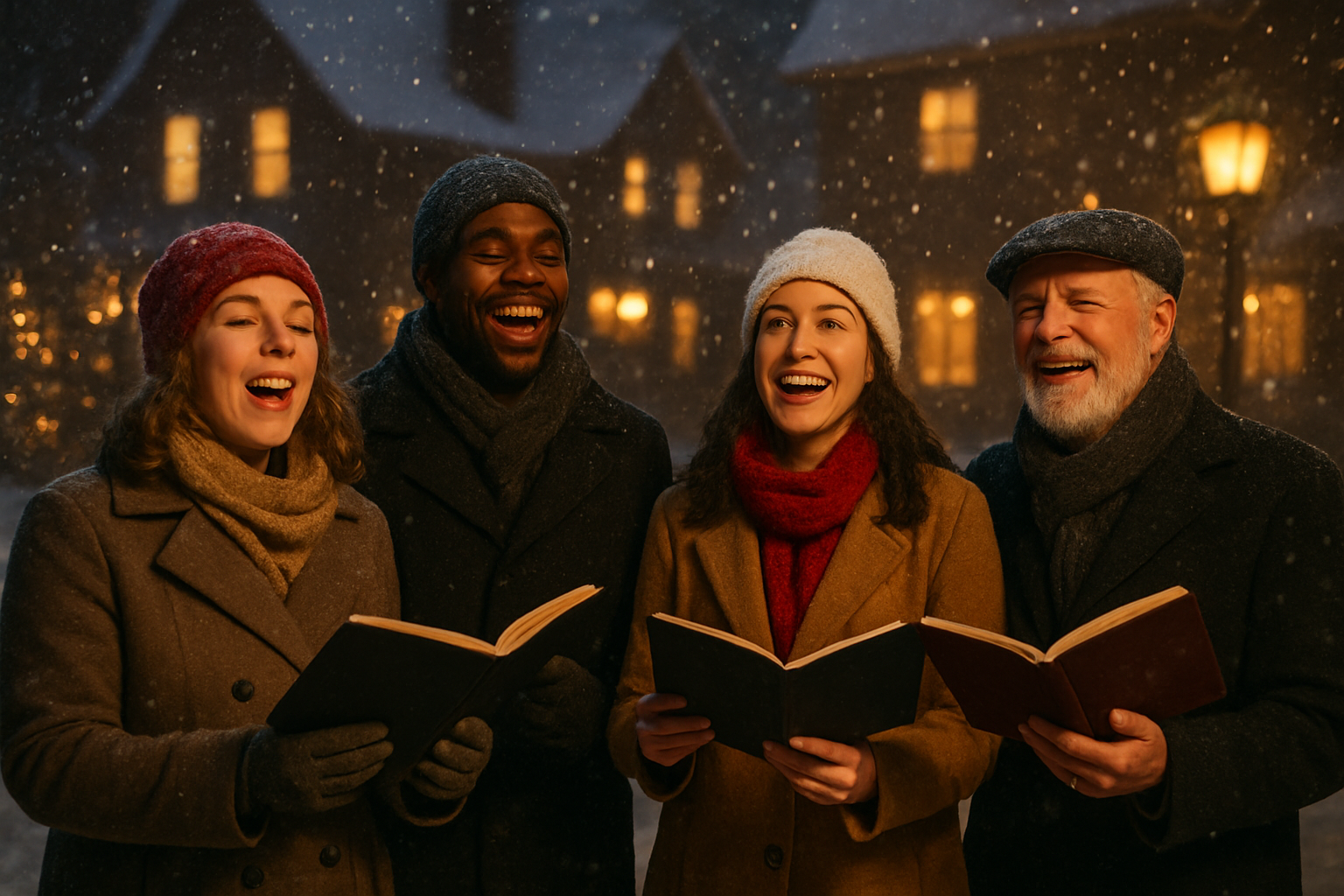
Christmas carols carry a special magic that goes far beyond simple holiday music. These timeless songs connect us to centuries of tradition while offering real benefits for our mental health, social connections, and personal growth. When we sing carols, we're not just sharing melodies – we're building stronger communities, reducing stress, and creating moments of pure joy that ripple outward to touch countless lives.
The beauty of caroling lies in its simplicity and accessibility. You don't need perfect pitch or professional training to participate in this meaningful tradition. Whether you're singing door-to-door in your neighborhood, joining a church choir, or simply humming along at home, you're tapping into something powerful that brings people together across all backgrounds and ages. This holiday season, consider embracing the carol tradition – your voice, no matter how it sounds, has the power to spread happiness and strengthen the bonds that make our communities thrive.


Comments
Post a Comment