Biblical Lessons on Motherhood
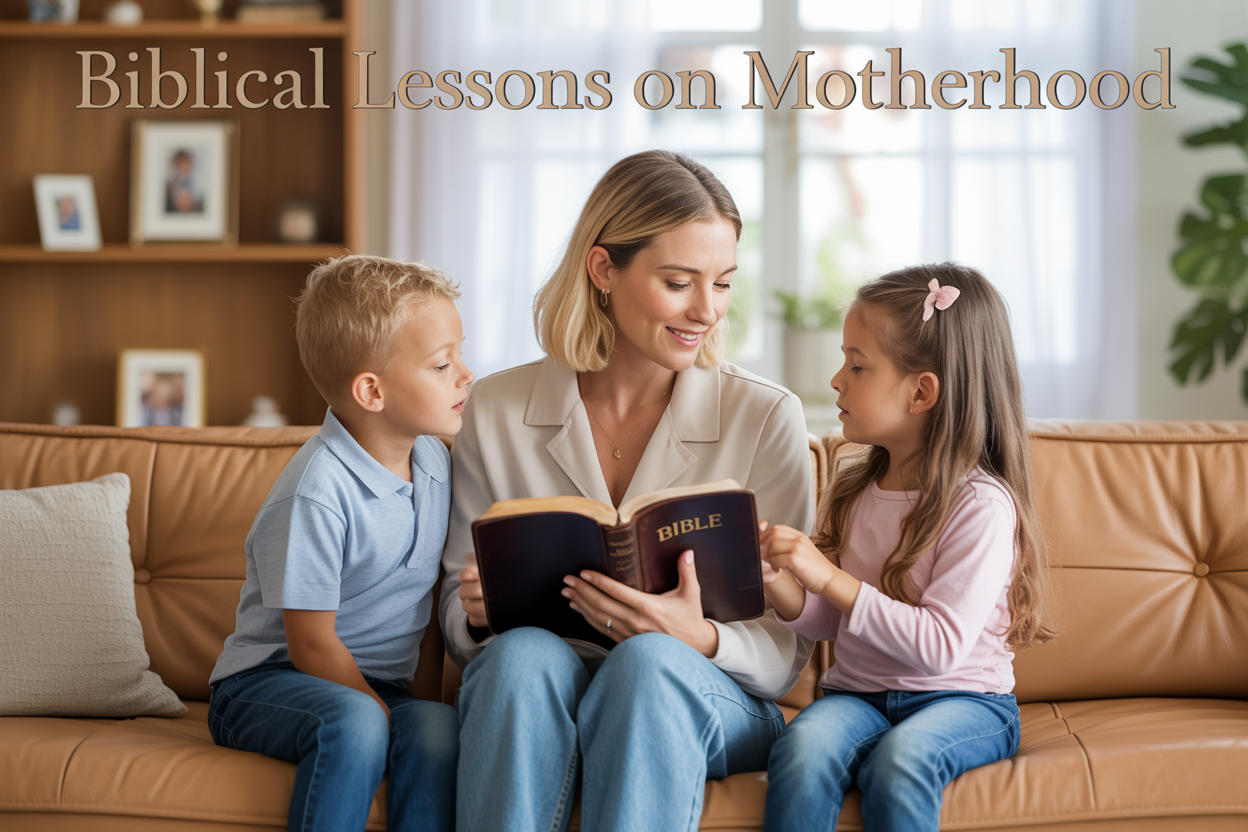
The Bible offers rich wisdom for mothers seeking to raise children with faith and purpose. These biblical lessons for mothers provide timeless guidance that speaks directly to the joys and struggles of Christian parenting today.
This resource is designed for Christian moms at any stage of their journey—whether you're expecting your first child, managing toddlers, guiding teenagers, or watching adult children navigate their own paths. You'll also find value here if you're mentoring young mothers or simply want to understand God's heart for motherhood.
We'll explore how biblical motherhood brings honor and dignity through following godly mother examples like Mary, Hannah, and the Proverbs 31 woman. You'll discover Christian parenting principles that help nurture character in your children while building their spiritual foundation. We'll also look at how biblical women found strength during difficult seasons and how their faithful mothering created lasting spiritual heritage for generations to come.
These biblical parenting wisdom principles will equip you with practical Christian mom guidance rooted in Scripture's unchanging truth.
Honor and Dignity Through Biblical Motherhood Models
Eve's Legacy as the Mother of All Living
Eve stands as the first example of biblical motherhood, earning the profound title "mother of all living" (Genesis 3:20). Her story reveals how even in the midst of profound loss and disappointment, mothers can find purpose and hope. After the devastating experience of losing Abel and seeing Cain's rebellion, Eve didn't abandon her calling. When Seth was born, she recognized God's faithfulness in providing another seed, declaring "God has appointed another seed for me instead of Abel, whom Cain killed" (Genesis 4:25).
Eve's legacy teaches modern mothers that their role extends beyond immediate circumstances. Despite facing the first family tragedy in human history, she understood her position as a vessel for God's continuing plan. Her example shows that godly mother examples can emerge from seasons of deep pain and that biblical motherhood involves trusting God's sovereignty even when family life doesn't match expectations.
Sarah's Faith Despite Infertility Struggles
Sarah's journey to motherhood exemplifies unwavering faith through decades of infertility. For twenty-five years, she held onto God's promise while facing the monthly reminder of her barrenness. Her story in Genesis demonstrates that biblical lessons for mothers often emerge from seasons of waiting and apparent impossibility.
When Sarah finally conceived Isaac at age ninety, her response revealed the heart of faithful mothering: "God has made me laugh, and all who hear will laugh with me" (Genesis 21:6). Her laughter wasn't mockery but pure joy—the kind that comes when God's timing proves perfect despite human impatience.
Sarah's experience teaches that Christian parenting principles begin before conception. Her faith during the waiting years prepared her to receive Isaac as God's gift rather than personal achievement. Modern mothers struggling with fertility, adoption delays, or other challenges can find strength in Sarah's patient endurance and ultimate joy.
Hannah's Prayer and Dedication to God
Hannah's story showcases the power of prayer in motherhood and the beauty of dedicating children to God's service. Facing cruel taunts from her husband's other wife about her childlessness, Hannah chose prayer over bitterness. Her desperate plea at the temple (1 Samuel 1:10-11) reveals a mother's heart willing to surrender her deepest desire for God's glory.
What makes Hannah remarkable isn't just her fervent prayer but her follow-through. When God granted her request for a son, she kept her vow to dedicate Samuel to temple service. This act of sacrificial love demonstrates that Christian mom guidance involves raising children for God's purposes rather than parental fulfillment.
Hannah's prayer life also shaped her parenting approach. Her song of praise in 1 Samuel 2 shows how worship and gratitude formed the foundation of her mothering. She understood that children belong to God first, and parents serve as temporary stewards of precious gifts.
Mary's Obedience and Trust in Divine Calling
Mary's response to the angel Gabriel embodies complete surrender to God's will: "Behold the maidservant of the Lord! Let it be to me according to your word" (Luke 1:38). Her teenage acceptance of an unplanned pregnancy that would bring social disgrace demonstrates extraordinary faith and trust.
Throughout Jesus' childhood and ministry, Mary consistently pointed others toward her son rather than seeking recognition for herself. At the wedding in Cana, she simply told the servants, "Whatever He says to you, do it" (John 2:5). This redirection shows how biblical motherhood involves decreasing so children can fulfill their God-given purposes.
Mary's presence at the crucifixion reveals the depth of a mother's love and the pain that often accompanies faithful parenting. She watched her son suffer while trusting God's greater plan—a profound example of how motherhood in the Bible includes both joy and sorrow, triumph and sacrifice. Her example shows that biblical parenting wisdom involves releasing children to fulfill their divine destinies, even when it means personal heartache.
Nurturing Character Through Godly Parenting Principles
Proverbs 31 Woman's Approach to Child-Rearing
The Proverbs 31 woman offers a powerful example of biblical motherhood that goes beyond household management. She demonstrates strength and dignity while training her children in righteousness. Her approach centers on consistent daily interactions that shape character rather than simply managing behavior.
This godly mother speaks wisdom and kindness, showing how words can build up rather than tear down. She doesn't rely on harsh criticism but uses encouraging instruction that guides her children toward making good choices. Her teaching comes naturally through everyday moments - while preparing meals, during work, and in quiet conversations.
The Proverbs 31 mother understands that character development happens gradually through repeated examples. She models diligence, generosity, and fear of the Lord, knowing her children learn more from what they observe than what they're told. Her children rise up and call her blessed because they've experienced her faithful love and wise guidance throughout their lives.
Building Strong Moral Foundations in Children
Christian parenting principles emphasize the importance of establishing clear moral boundaries rooted in Scripture. Children need to understand right from wrong, but they also need to see why God's ways lead to flourishing lives. This requires patient explanation and consistent modeling of biblical values.
Deuteronomy 6:6-9 provides the blueprint for building these foundations - God's commands should be in our hearts first, then shared naturally with our children. These conversations happen during regular family activities, not just formal teaching times. When parents integrate faith into daily life, children see that following God isn't separate from real living.
Effective biblical parenting wisdom includes creating family rhythms that reinforce important values. Regular prayer, reading Scripture together, and discussing how biblical principles apply to current situations helps children internalize truth. When challenges arise, parents can point back to these established foundations rather than creating rules on the spot.
Teaching Wisdom and Discernment Daily
Godly mother examples throughout Scripture show the importance of teaching children to think biblically about everyday decisions. This means helping them develop the ability to evaluate situations through God's perspective rather than simply following rules.
Daily teaching opportunities emerge constantly - how to treat friends, handle disappointment, respond to authority, and make choices about entertainment. Wise mothers ask questions that guide children to discover biblical principles rather than just giving answers. This approach develops thinking skills that serve children well into adulthood.
The goal isn't perfect children but children who learn to recognize God's voice and seek His wisdom when facing decisions. This happens through regular conversations about real situations, prayer together when facing difficulties, and celebrating when children make wise choices independently. Teaching wisdom requires patience as children learn through both successes and mistakes.
Faithful mothering involves trusting God's timing in children's development while remaining consistent in pointing them toward biblical truth. Each child learns differently, requiring mothers to adapt their teaching methods while maintaining the same foundational principles.
Finding Strength During Motherhood Challenges
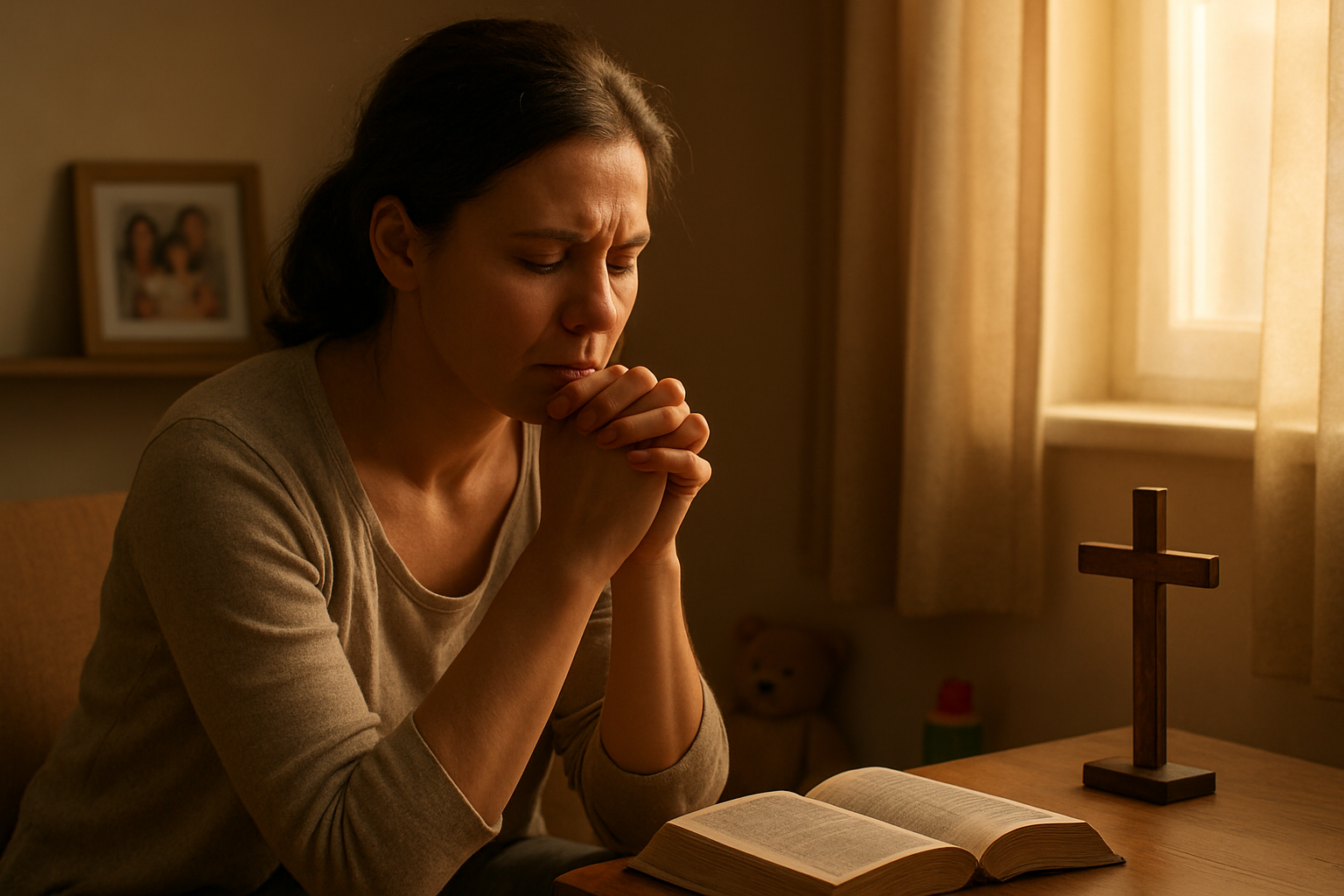
Hagar's Comfort in the Wilderness
When Hagar found herself abandoned in the desert with her son Ishmael, facing certain death from thirst and exposure, she discovered that God sees struggling mothers in their darkest moments. The biblical account reveals how this Egyptian servant woman experienced divine intervention when human help seemed impossible. God heard Ishmael's cries and Hagar's desperation, providing water from an unexpected source and promising a future for her child.
Biblical motherhood often involves moments when we feel completely alone and overwhelmed. Hagar's story shows us that even when circumstances appear hopeless, God remains aware of our struggles. She received not just immediate provision but also a vision for her son's future - something every mother needs during difficult seasons. This godly mother example demonstrates that our Father notices when we're at our breaking point and responds with both practical help and emotional encouragement.
Naomi's Resilience Through Loss and Hardship
Naomi's journey from abundance to bitter loss illustrates how mothers can navigate life's most devastating seasons while maintaining their faith foundation. After losing her husband and both sons in a foreign land, she could have remained bitter and isolated. Instead, she chose to return home, bringing her daughter-in-law Ruth with her.
Her motherhood in the Bible story reveals several key principles for handling overwhelming grief:
-
Acknowledging pain honestly without pretending everything is fine
-
Accepting help from unexpected sources (Ruth's loyalty)
-
Taking practical steps forward even while grieving
-
Recognizing God's faithfulness in new circumstances
Naomi's transformation from calling herself "bitter" to celebrating her grandson's birth shows how mothers can emerge from tragedy with renewed purpose. Her example of Christian parenting principles includes allowing others to support us and finding ways to invest in the next generation despite personal losses.
The Widow of Zarephath's Faith in Provision
This unnamed mother faced the ultimate test of trust when the prophet Elijah asked her to share her family's last meal. With only enough oil and flour for one final bread for herself and her son, she had every reason to refuse. Instead, her response reveals the kind of faith that sustains mothers through impossible circumstances.
Her story teaches biblical lessons for mothers about:
-
Radical obedience: Choosing to trust God's promises over visible circumstances
-
Generous spirit: Sharing even when resources seem inadequate
-
Daily dependence: Relying on divine provision rather than stored security
-
Miraculous multiplication: Experiencing God's ability to stretch resources beyond natural limits
The widow's oil and flour never ran out during the famine, demonstrating how God honors mothers who step out in faith. Her experience shows that Christian mom guidance often involves taking risks that seem foolish by worldly standards but prove wise in God's economy.
Jochebed's Courage in Protecting Moses
Moses' mother faced every parent's nightmare - a government decree threatening her child's life. Jochebed's response reveals extraordinary courage combined with practical wisdom. She didn't just hide baby Moses for three months; she developed a strategic plan that ultimately placed him in Pharaoh's own household.
Her faithful mothering approach included:
-
Creative problem-solving: Designing a waterproof basket and choosing the right location
-
Strategic timing: Placing the basket when Pharaoh's daughter would discover it
-
Network building: Having Miriam positioned to suggest a Hebrew nurse
-
Letting go: Trusting God with her son's future in an Egyptian palace
Jochebed's example shows how biblical parenting wisdom sometimes requires releasing our children into situations we can't control. She demonstrates that protecting our children doesn't always mean keeping them close - sometimes it means positioning them where God can use them most effectively.
Her story encourages mothers facing impossible choices to combine bold action with surrendered trust. Jochebed's courage resulted in Moses becoming Israel's deliverer, showing how one mother's faithful decisions can impact entire nations.
Sacrificial Love and Selfless Service

The Mother of James and John's Devotion
The mother of James and John demonstrates the fierce protective love that defines biblical motherhood. When she approached Jesus asking for her sons to sit at His right and left hand in His kingdom, she revealed a mother's heart willing to advocate boldly for her children's future. Though Jesus redirected her understanding of true greatness, her devotion speaks to every Christian mother who desires the best for their children.
This unnamed mother shows us that godly mother examples aren't always perfect in their requests, but they're passionate in their pursuit of blessing for their families. Her willingness to come directly to Jesus models how mothers can intercede for their children's spiritual well-being. She didn't settle for mediocrity in her sons' calling—she wanted them positioned for greatness in God's kingdom.
Her story teaches us that motherly ambition, when surrendered to God's will, becomes a powerful force for good. While her initial request missed the mark, her heart was in the right place. She understood that Jesus held the keys to her sons' destiny and wasn't afraid to ask for what seemed impossible.
Learning from the Syrophoenician Woman's Persistence
The Syrophoenician woman's encounter with Jesus paints a vivid picture of a mother's relentless love. When her daughter was possessed by an unclean spirit, she didn't accept "no" as a final answer. Her persistence in seeking healing for her child offers profound biblical lessons for mothers facing seemingly impossible circumstances.
This Gentile mother broke through cultural barriers, religious boundaries, and even apparent rejection to secure her daughter's freedom. Jesus initially seemed to dismiss her request, comparing giving bread to children versus throwing it to dogs. Instead of walking away offended, she cleverly responded that even dogs eat the crumbs that fall from the master's table.
Her faith-filled persistence paid off. Jesus commended her great faith and immediately healed her daughter. This mother's story encourages every parent facing challenges that seem beyond their control:
-
Never give up praying for your children's spiritual and physical well-being
-
Humble yourself before God, acknowledging your need for His intervention
-
Use creative persistence when advocating for your family
-
Trust God's timing even when His initial response seems discouraging
Embracing Servant Leadership in the Home
Christian parenting principles call mothers to model servant leadership that reflects Christ's example. This approach flips worldly leadership concepts upside down, positioning mothers as servants who lead through love, sacrifice, and humble service to their families.
Servant leadership in Christian mom guidance means putting family needs above personal comfort while maintaining healthy boundaries. It involves teaching children to serve others by demonstrating service yourself. This isn't about becoming a doormat or sacrificing your identity—it's about choosing to use your influence to build up rather than tear down.
Practical servant leadership looks like:
| Action | Impact on Family |
|---|---|
| Serving meals with joy | Creates atmosphere of gratitude |
| Listening before speaking | Builds trust and communication |
| Admitting mistakes | Models humility and growth |
| Putting devices away | Shows family is priority |
| Praying with children | Demonstrates dependence on God |
This leadership style requires strength, wisdom, and intentionality. It means choosing to respond with grace during stressful moments and viewing daily tasks as opportunities to serve God through serving your family. When mothers embrace servant leadership, they create homes where faithful mothering flourishes and children learn to value others above themselves.
The goal isn't perfection but progression—growing in Christ-likeness while guiding children toward their own relationship with God. This servant leadership becomes the foundation for building lasting spiritual heritage that impacts generations to come.
Building Lasting Spiritual Heritage
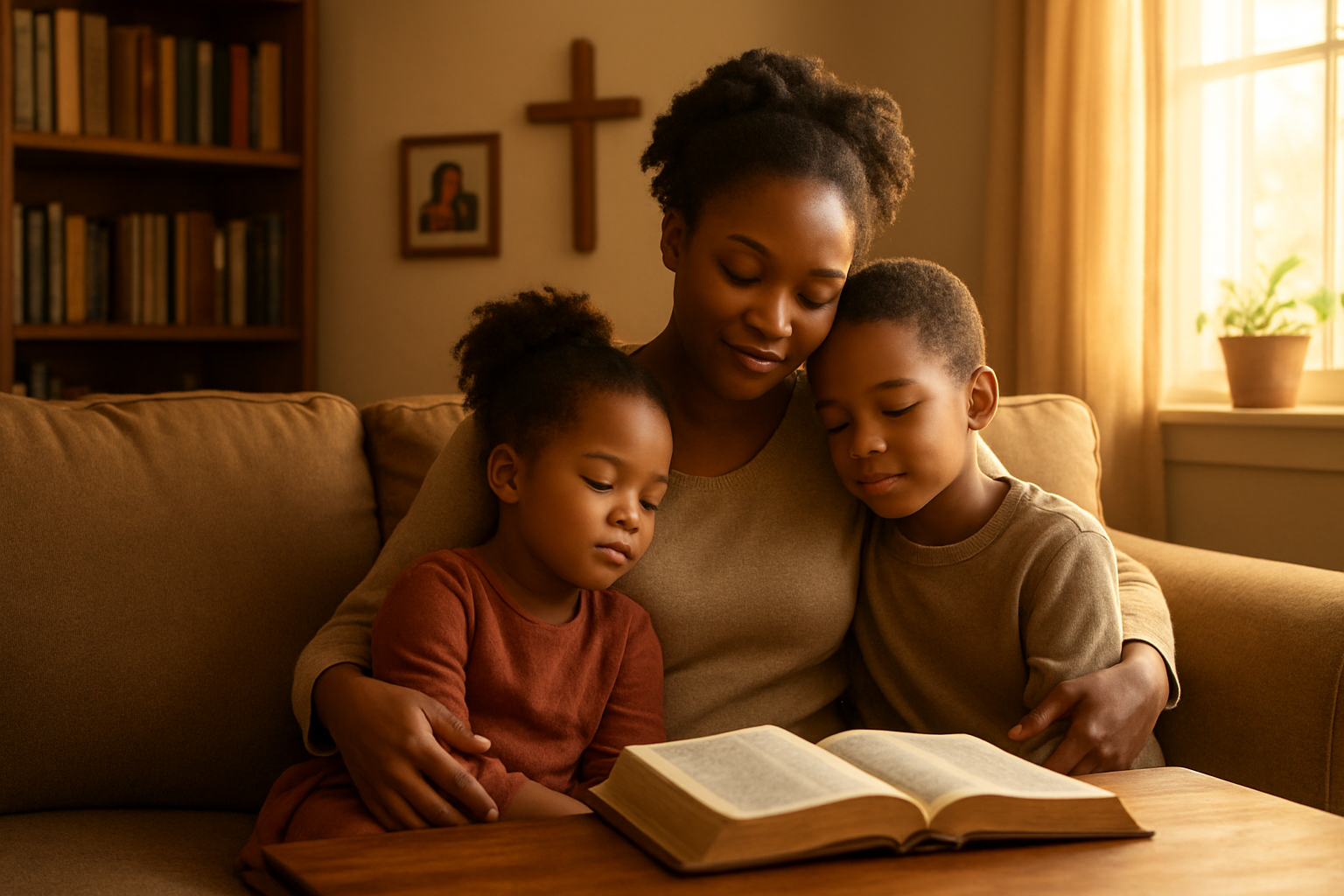
Timothy's Grandmother Lois and Mother Eunice
The apostle Paul's letters to Timothy reveal one of the most beautiful examples of spiritual heritage building in Scripture. In 2 Timothy 1:5, Paul writes about Timothy's "sincere faith, which first lived in your grandmother Lois and in your mother Eunice." This powerful verse shows how faith traveled through generations of women who understood their calling as faithful mothers.
Lois and Eunice faced unique challenges. Living in a mixed household where Timothy's father was Greek, they couldn't rely on the traditional Jewish family structure. Yet these godly mother examples demonstrate that circumstances don't determine spiritual outcomes. They intentionally cultivated Timothy's faith despite cultural pressures and family dynamics that could have pulled him away from God.
Paul's recognition of their influence speaks volumes. He didn't just acknowledge Timothy's faith—he traced its roots back to these faithful women. Their investment in Timothy's spiritual development produced a young man who became Paul's most trusted ministry partner and eventually a church leader himself.
Passing Down Faith Through Generations
Biblical motherhood involves much more than meeting physical needs. It requires intentional spiritual investment that extends far beyond childhood. Deuteronomy 6:6-7 provides the blueprint: "These commandments that I give you today are to be on your hearts. Impress them on your children. Talk about them when you sit at home and when you walk along the road, when you lie down and when you get up."
This passage reveals that spiritual heritage building happens in everyday moments. Faith gets passed down through casual conversations, bedtime stories, and spontaneous discussions about God's character. Mothers who successfully transfer their faith understand that formal teaching moments matter less than consistent, authentic living.
The Hebrew concept behind "impress" suggests sharpening or engraving. Just as a blade gets sharpened through repeated contact with a stone, children's hearts get shaped through repeated exposure to biblical truth and godly character. This process requires patience, consistency, and deep trust in God's timing.
Creating Biblical Traditions and Values
Christian parenting principles come alive when families establish meaningful traditions rooted in Scripture. These practices create touchstones that children carry into adulthood and eventually pass to their own children. Biblical traditions don't have to be elaborate—they just need to point hearts toward God.
Consider these practical approaches:
-
Family worship times where Scripture reading becomes natural
-
Celebration of biblical holidays that teach God's character and faithfulness
-
Service projects that demonstrate Christ's love in action
-
Prayer walks through neighborhoods or mission fields
-
Gratitude practices that acknowledge God's daily provisions
-
Storytelling sessions featuring biblical heroes and their faith journeys
Hannah's prayer in 1 Samuel 2 shows how mothers can model dependence on God through both struggle and celebration. Her words became Samuel's foundation for understanding God's sovereignty and faithfulness. When mothers demonstrate authentic faith through life's ups and downs, children learn that God remains constant regardless of circumstances.
Investing in Children's Eternal Destiny
Motherhood in the Bible consistently emphasizes eternal perspective over temporary comfort. Mary's response to the angel Gabriel demonstrates this beautifully: "May your word to me be fulfilled" (Luke 1:38). She chose God's purposes over her own plans, knowing her obedience would impact countless generations.
This eternal focus shapes daily decisions. Mothers building spiritual heritage ask different questions: How does this choice affect my child's relationship with God? What am I teaching through my response to this situation? How can I use this moment to point my children toward Christ?
Biblical lessons for mothers emphasize the power of prayer in shaping children's destinies. Monica, mother of Augustine, prayed for her son's salvation for thirty years before seeing breakthrough. Her persistence demonstrates that spiritual heritage building often requires long-term vision and unwavering hope.
The investment pays dividends across generations. When mothers prioritize their children's spiritual development, they create ripple effects that extend far beyond their own lifetimes. Timothy's ministry influenced countless believers. Augustine's writings shaped Christian theology for centuries. These outcomes began with mothers who understood their calling to build lasting spiritual heritage rather than pursue temporary achievements.
Christian mom guidance points toward this truth: your faithful investment in your children's spiritual lives creates an inheritance more valuable than any material legacy you could leave behind.
.png)
Biblical motherhood offers a beautiful blueprint for raising children with purpose and faith. The examples of mothers like Hannah, Mary, and Jochebed show us that parenting isn't just about meeting daily needs—it's about shaping hearts and building character that lasts for generations. These women faced real struggles, made difficult sacrifices, and trusted God through uncertain times, proving that motherhood has always required both strength and surrender.
Your role as a mother carries incredible value in God's eyes, even on the hardest days when you feel overwhelmed or unsure. Start small by incorporating prayer into your daily routines, teaching your children to see God's hand in everyday moments, and showing them what sacrificial love looks like through your own actions. Remember that building a spiritual heritage doesn't require perfection—it requires faithfulness, one day at a time.


Comments
Post a Comment