Why Easter Carols are Powerful for Worship
.png)
Easter carols have shaped Christian worship for centuries, creating moments that touch hearts and lift spirits during the most sacred season of the year. These powerful Easter songs go far beyond simple melodies—they carry deep spiritual truths that connect believers to the resurrection story in ways that spoken words alone cannot achieve.
This guide is written for worship leaders, pastors, church musicians, and anyone involved in planning Easter services who wants to understand why Easter carols and Easter hymns for church remain essential elements of meaningful worship experiences.
We'll explore how these traditional Easter carols developed their rich historical roots in Christian tradition, examine the unique emotional and spiritual connection they create between worshippers and the Easter message, and discover the biblical foundation that makes these powerful Easter music selections so theologically significant for modern church services.
Historical Significance of Easter Carols in Christian Tradition
Ancient Origins Dating Back to Early Church Practices
Easter carols trace their roots to the earliest Christian communities, where believers spontaneously burst into song to celebrate Christ's resurrection. These ancient worship expressions emerged naturally from the joy and wonder surrounding the Easter story. Early Christians adapted familiar melodies from Jewish traditions and Greco-Roman culture, creating new lyrics that proclaimed the victory over death.
The practice of communal singing during Easter celebrations became widespread by the 2nd and 3rd centuries. Church leaders like St. Ambrose of Milan actively promoted congregational singing, recognizing how Easter worship music could unite believers across social and cultural boundaries. These early Christian Easter songs served as both celebration and evangelism tool, spreading the gospel message through memorable melodies.
Archaeological evidence reveals that Christian communities in Rome, Antioch, and Alexandria developed distinct musical traditions around Easter celebrations. Each region contributed unique characteristics to what would eventually become the foundation of modern traditional Easter carols. The call-and-response format, still used today, originated from these ancient practices where church leaders would sing verses and congregations would respond with choruses of "Alleluia" or "Christ is risen."
Evolution Through Medieval and Renaissance Periods
Medieval monasteries became the primary preservers and developers of Easter hymns for church services. Gregorian chant provided the sophisticated musical framework that elevated simple Easter melodies into complex liturgical compositions. Monks spent countless hours perfecting these arrangements, creating manuscripts that would influence Easter carols worship for centuries.
The 12th and 13th centuries marked a revolutionary period when composers began writing polyphonic Easter music. This advancement allowed multiple vocal parts to weave together, creating rich harmonies that enhanced the spiritual experience. Notable composers like Hildegard of Bingen crafted powerful Easter music that combined mystical poetry with innovative musical structures.
During the Renaissance, Easter carols experienced unprecedented growth and refinement. Professional composers like Palestrina and Josquin des Prez elevated biblical Easter songs to artistic masterpieces while maintaining their worship function. The printing press revolutionized distribution, making sheet music accessible to churches throughout Europe.
| Period | Key Development | Impact on Easter Carols |
|---|---|---|
| Early Medieval | Gregorian Chant | Standardized melodies |
| High Medieval | Polyphony | Complex harmonies |
| Renaissance | Printing Press | Widespread distribution |
Preservation of Biblical Stories Through Musical Tradition
Easter carols became living repositories of biblical narratives, preserving scripture through melody and verse. When literacy rates were low, these Easter worship songs served as educational tools that taught congregations about Christ's passion, death, and resurrection. Each carol encapsulated theological truths in memorable formats that could be easily learned and shared.
The Easter carols church service tradition ensured that essential biblical stories survived through oral transmission. Carols like "Christ the Lord is Risen Today" and "Jesus Christ is Risen Today" transformed complex theological concepts into accessible celebrations that common people could understand and embrace. These songs became bridges between scholarly theology and popular faith.
Regional variations of Easter carols reflected how different communities interpreted and emphasized various aspects of the resurrection story. Some focused on the sorrow of Good Friday, while others celebrated the triumph of Easter morning. This diversity enriched the overall Easter music Christian tradition by preserving multiple perspectives on the central Christian narrative.
Church musicians recognized that congregational singing created emotional connections to biblical truth that sermons alone couldn't achieve. The repetitive nature of carol refrains embedded scripture into worshippers' hearts and minds, creating lasting spiritual impact that extended far beyond Sunday services. This Easter music spiritual impact continues to influence how modern believers connect with their faith through song.
Emotional and Spiritual Connection Created Through Easter Music
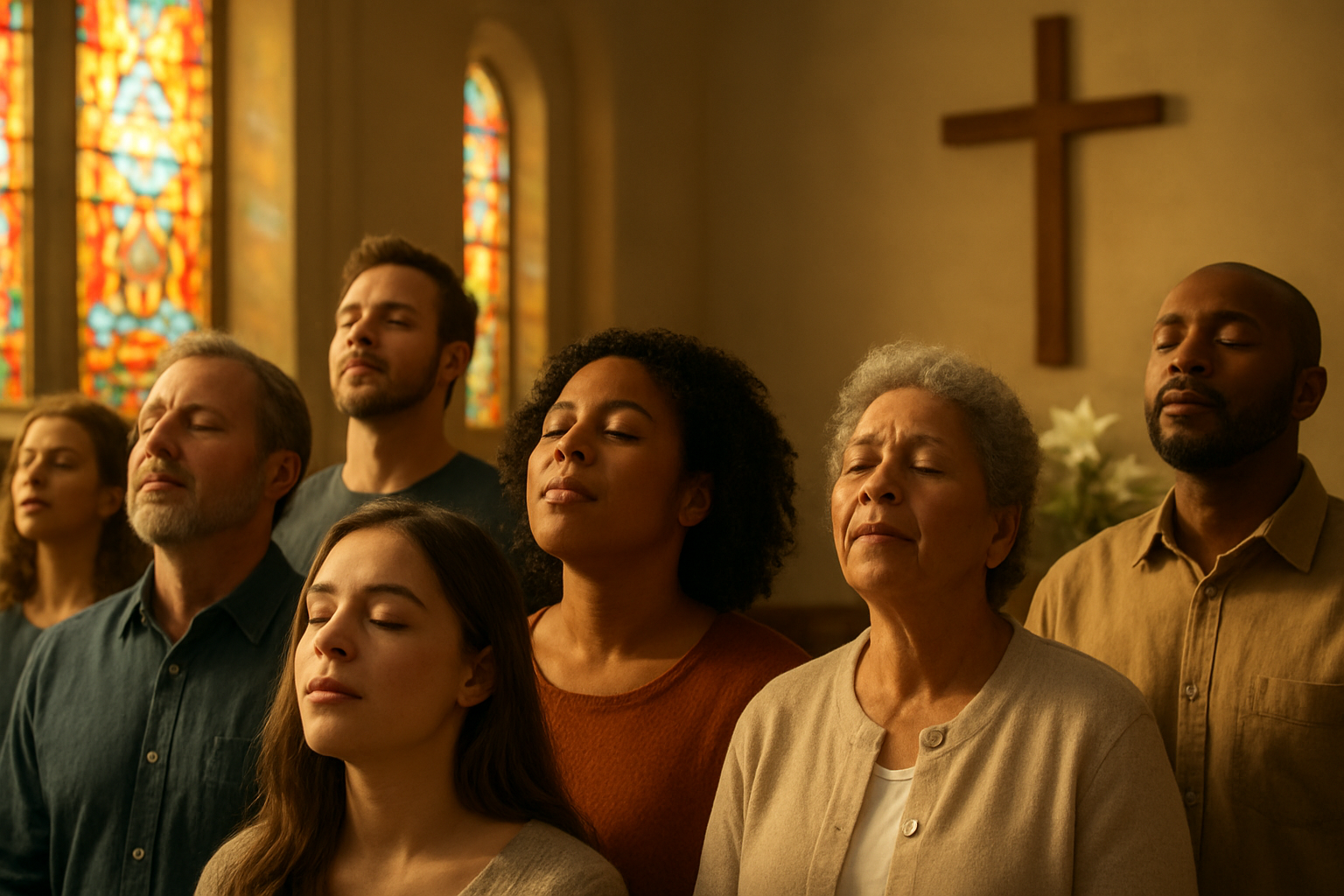
Triggering Deep Feelings of Joy and Celebration
Easter carols possess a unique ability to stir emotions that run deeper than ordinary church music. When congregations sing "Christ the Lord Is Risen Today" or "Up from the Grave He Arose," something powerful happens in the human heart. The triumphant melodies paired with resurrection lyrics create an emotional surge that connects believers to the very essence of their faith - victory over death itself.
The musical structure of traditional Easter carols supports this emotional impact. Many feature ascending melodic lines that mirror Christ's ascension, while others use major keys and soaring harmonies that naturally lift spirits. "Hallelujah" choruses repeated throughout Easter worship music build anticipation and release, creating moments of pure celebration that secular music rarely achieves.
Personal testimonies from churchgoers consistently reveal how Easter carols transport them beyond their immediate circumstances. A widow finds hope in "Because He Lives," while a struggling parent discovers strength in "He Lives." These powerful Easter music selections don't just tell a story - they invite participation in the greatest comeback narrative ever told.
Creating Communal Bonds Among Congregation Members
Easter worship music breaks down barriers between church members in remarkable ways. When voices unite in singing "Christ Arose" or "Crown Him with Many Crowns," individual differences fade as collective worship takes center stage. Age gaps disappear when elderly saints harmonize with teenagers, and economic distinctions become irrelevant as rich and poor proclaim the same resurrection truth.
The call-and-response nature of many Easter hymns for church services strengthens these communal connections. Songs like "Were You There?" invite congregational participation that transforms passive listeners into active worshipers. This shared musical experience creates memories that bind church communities together long after Easter Sunday ends.
Research shows that group singing releases endorphins and creates synchrony among participants. Easter carols magnify this effect because they center on shared core beliefs rather than personal preferences. When a congregation sings "Low in the Grave He Lay" together, they're not just making music - they're declaring unified faith in Christ's resurrection power.
Supporting Personal Reflection on Christ's Resurrection
Biblical Easter songs create space for intimate spiritual encounters that group activities often struggle to provide. The contemplative verses of "In the Garden" allow individuals to imagine their own meetings with the risen Christ, while "The Old Rugged Cross" guides personal meditation on sacrifice and redemption. These moments of individual reflection within corporate worship settings offer the best of both worlds.
Easter carols worship experiences often include periods of silence or soft instrumental accompaniment that encourage private prayer and thought. During these quiet moments, the resurrection themes embedded in the music continue working in believers' hearts. Many Christians report their deepest spiritual insights occurring while Easter music plays softly in the background.
The repetitive nature of traditional Easter carols supports extended meditation. Unlike contemporary songs that quickly move between concepts, classic Easter worship songs allow extended focus on single truths. "He Lives" repeated multiple times gives worshipers opportunity to internalize resurrection reality rather than simply acknowledge it intellectually.
Christian Easter songs also provide vocabulary for personal prayer and reflection throughout the Easter season. Phrases from beloved carols become part of believers' internal dialogue with God, creating ongoing spiritual connection beyond formal worship services.
Biblical Foundation That Makes Easter Carols Theologically Rich

Direct Scripture References Woven Into Lyrics
Easter carols draw their theological strength from direct biblical quotations and paraphrases embedded throughout their verses. Classic hymns like "Christ the Lord is Risen Today" echo the angel's proclamation from Matthew 28:6, while "Low in the Grave He Lay" directly references Romans 6:9 in its triumphant refrain. These biblical Easter songs transform abstract theological concepts into singable truths that congregations can internalize and remember.
Many traditional Easter carols incorporate multiple scripture passages within a single composition. "The Strife is O'er" weaves together elements from 1 Corinthians 15:55-57 and Revelation 1:18, creating a tapestry of resurrection victory. This scriptural density gives worshippers multiple entry points for meditation and reflection, making each carol a mini Bible study set to music.
Storytelling Elements That Bring Gospel Accounts to Life
Easter worship music excels at transforming the gospel narratives into vivid, emotional experiences. Carols like "Were You There When They Crucified My Lord?" place listeners directly at the crucifixion scene, creating personal investment in Christ's suffering. The progression from darkness to light, despair to joy, mirrors the biblical account's emotional arc perfectly.
Modern Christian Easter songs continue this storytelling tradition by painting scenes from the empty tomb, the road to Emmaus, and the upper room appearances. These musical narratives help congregations experience the resurrection story as active participants rather than passive observers, deepening their spiritual connection to the Easter message.
Doctrinal Truths Expressed Through Memorable Melodies
The combination of theological truth with memorable melodies creates powerful Easter music that serves as an educational tool. Complex doctrines like substitutionary atonement, justification, and resurrection hope become accessible through carefully crafted lyrics set to singable tunes. "In Christ Alone" demonstrates how modern songwriters continue this tradition, packing systematic theology into verses that stick in the mind.
Easter hymns for church often employ repetitive choruses and refrains to reinforce key doctrinal points. This repetition serves a dual purpose: it makes the songs easier to learn corporately and embeds theological truths deeper into the worshipper's consciousness through musical memorization techniques.
Prophetic Fulfillment Themes Celebrated in Song
Easter carols worship frequently highlights the connection between Old Testament prophecies and their New Testament fulfillment in Christ's resurrection. Hymns reference Isaiah 53, Psalm 16:10, and Daniel's prophecies, showing how Easter represents the culmination of God's redemptive plan throughout history.
These prophetic themes give Easter music spiritual impact by demonstrating God's faithfulness across generations. When congregations sing about prophecy fulfilled, they're reminded that the same God who kept His promises in Christ continues to be trustworthy today. This builds faith and confidence in God's ongoing work in their lives.
Victory Over Death Message Reinforced Through Music
The triumph over death stands as the central theme in most Easter worship songs. Musical arrangements often mirror this victory through rising melodies, triumphant harmonies, and climactic crescendos that musically represent Christ's emergence from the tomb. "Thine Be the Glory" exemplifies this approach with its majestic melody supporting lyrics of conquest and celebration.
Easter carols church service selections frequently build toward these victory declarations, creating worship experiences that move congregations from contemplation of Christ's suffering to celebration of His triumph. This musical journey reinforces the theological reality that death has been defeated and believers share in Christ's victory through faith.
Practical Benefits for Modern Church Services
Enhanced Congregational Participation and Engagement
Easter carols worship transforms passive listeners into active participants during church services. These familiar melodies naturally invite everyone to sing along, creating a collective voice that builds energy and spiritual momentum throughout the service. When congregations unite in singing powerful Easter music, the atmosphere shifts from individual reflection to communal celebration.
The repetitive nature and memorable refrains in traditional Easter carols make it easy for even first-time visitors to join in. Songs like "Christ the Lord is Risen Today" with its signature "Alleluia" create immediate connection points where everyone can participate regardless of their musical background or church familiarity.
Easter hymns for church also encourage physical engagement beyond singing. Many Easter carols naturally inspire clapping, raised hands, or swaying, allowing people to worship with their whole being. This multi-sensory experience deepens engagement and helps worshippers feel more connected to the service and community.
Multi-Generational Appeal That Unites Age Groups
Christian Easter songs serve as bridges between different generations within the church family. Older members often connect deeply with classic hymns like "Up from the Grave He Arose," while younger generations appreciate contemporary arrangements of these timeless pieces. This shared musical heritage creates common ground where grandparents and grandchildren can worship side by side.
Many churches successfully blend traditional and modern approaches by incorporating both classic Easter carols church service selections and updated versions with contemporary instrumentation. This approach honors the church's history while speaking to younger hearts, preventing generational divides that can fracture congregations.
The storytelling aspect of Easter carols resonates across age groups because the resurrection story itself is universally compelling. Whether through the gentle melody of "Because He Lives" or the triumphant chorus of "He Lives," these songs communicate hope in ways that speak to both the eight-year-old and the eighty-year-old sitting in the same pew.
Memorable Teaching Tool for Biblical Concepts
Biblical Easter songs function as portable theology lessons that stick with people long after the service ends. The combination of melody, rhythm, and repetition creates powerful memory anchors that help congregants retain important spiritual truths. Complex theological concepts about resurrection, redemption, and eternal life become accessible through simple, singable verses.
Easter worship music often weaves multiple scripture references into single songs, exposing congregants to broader biblical narratives. "Crown Him with Many Crowns" alone references passages from Revelation, Philippians, and the Gospels, creating connections across different books of the Bible that formal Bible study might not achieve as effectively.
The emotional connection created through music makes these biblical concepts more than intellectual knowledge—they become heart knowledge. When someone hums "Amazing Grace (My Chains are Gone)" during their week, they're not just remembering a tune; they're reinforcing their understanding of freedom in Christ and the transformative power of the resurrection story.
Psychological Impact on Worshippers During Easter Season
Elevated Mood and Sense of Hope Through Uplifting Melodies
Easter carols tap into something deeply psychological when it comes to lifting our spirits. The ascending melodies and triumphant harmonies found in powerful Easter music trigger the release of dopamine and endorphins in our brains, creating genuine feelings of joy and optimism. When congregations sing classics like "Christ the Lord Is Risen Today" with its soaring "Alleluias," the musical structure literally elevates mood through major key progressions and upward melodic movement.
Research shows that specific musical elements in Easter worship music - like bright tonalities, rhythmic energy, and crescendoing phrases - activate the brain's reward centers. The psychological impact becomes even stronger when these melodies are paired with resurrection themes, creating a powerful combination that can shift someone from despair to hope within minutes. Many Easter hymns for church were composed specifically with these uplifting qualities, understanding that music serves as a vehicle for emotional transformation during worship.
Stress Relief and Emotional Healing Properties
Group singing of Christian Easter songs creates measurable physiological changes that promote healing and stress reduction. When people sing together, their breathing synchronizes, heart rates align, and cortisol levels drop significantly. This biological response explains why many worshippers report feeling physically lighter and emotionally renewed after participating in Easter carol singing.
The repetitive nature of many traditional Easter carols functions like musical meditation, allowing the mind to release anxiety and focus on positive themes. Songs with refrains like "He Lives" or "Because He Lives" create cognitive anchors that help process grief, fear, and uncertainty. Churches often notice that members dealing with loss or trauma find particular comfort in these musical expressions of hope and resurrection.
Enhanced Memory Retention of Easter Messages
Music acts as a powerful memory enhancer, and Easter carols worship experiences create lasting impressions of theological concepts. The combination of melody, rhythm, and repetition helps embed Easter messages deep into long-term memory. Children who grow up singing "Jesus Christ Is Risen Today" often recall both the tune and its meaning decades later, demonstrating music's role in spiritual formation.
The brain processes musical information differently than spoken words, creating multiple pathways for storing and retrieving Easter themes. When biblical Easter songs combine scripture with memorable melodies, they create what psychologists call "dual coding" - storing information both verbally and musically. This explains why people can recite entire verses of Easter carols years after learning them, while struggling to remember sermons from the previous week.
Community Solidarity Strengthened Through Group Singing
Easter music spiritual impact extends beyond individual experience to forge powerful community bonds. When congregations sing together, mirror neurons fire in sync, creating empathy and connection among participants. This neurological phenomenon helps explain why Easter carol singing often feels like a unifying experience that transcends individual differences.
The shared physical act of breathing, vocalizing, and moving to Easter worship songs creates what researchers call "collective effervescence" - a psychological state where individual identity merges temporarily with group identity. Churches report stronger fellowship and increased volunteer participation following Easter services rich in congregational singing, suggesting that Easter carols church service experiences build lasting social cohesion that extends beyond the worship hour.

Easter carols hold a unique place in Christian worship because they combine centuries of tradition with deep spiritual meaning. These songs connect us to generations of believers who have celebrated Christ's resurrection through music, creating an emotional bridge between past and present. The biblical foundation of Easter carols gives them theological weight, while their melodies and lyrics help modern congregations experience the joy and hope of the resurrection in a personal way.
Churches that embrace Easter carols during the season often see increased engagement from their congregations. The psychological impact of these songs - from the triumph of "Christ the Lord Is Risen Today" to the gentle hope of "He Lives" - helps worshippers move from the solemnity of Good Friday to the celebration of Easter morning. If your church hasn't fully explored the power of Easter carols, consider incorporating them more intentionally into your worship services. They offer a simple yet profound way to help your congregation connect with the heart of the Easter message.


Comments
Post a Comment