Understanding the Events Surrounding Jesus' Crucifixion
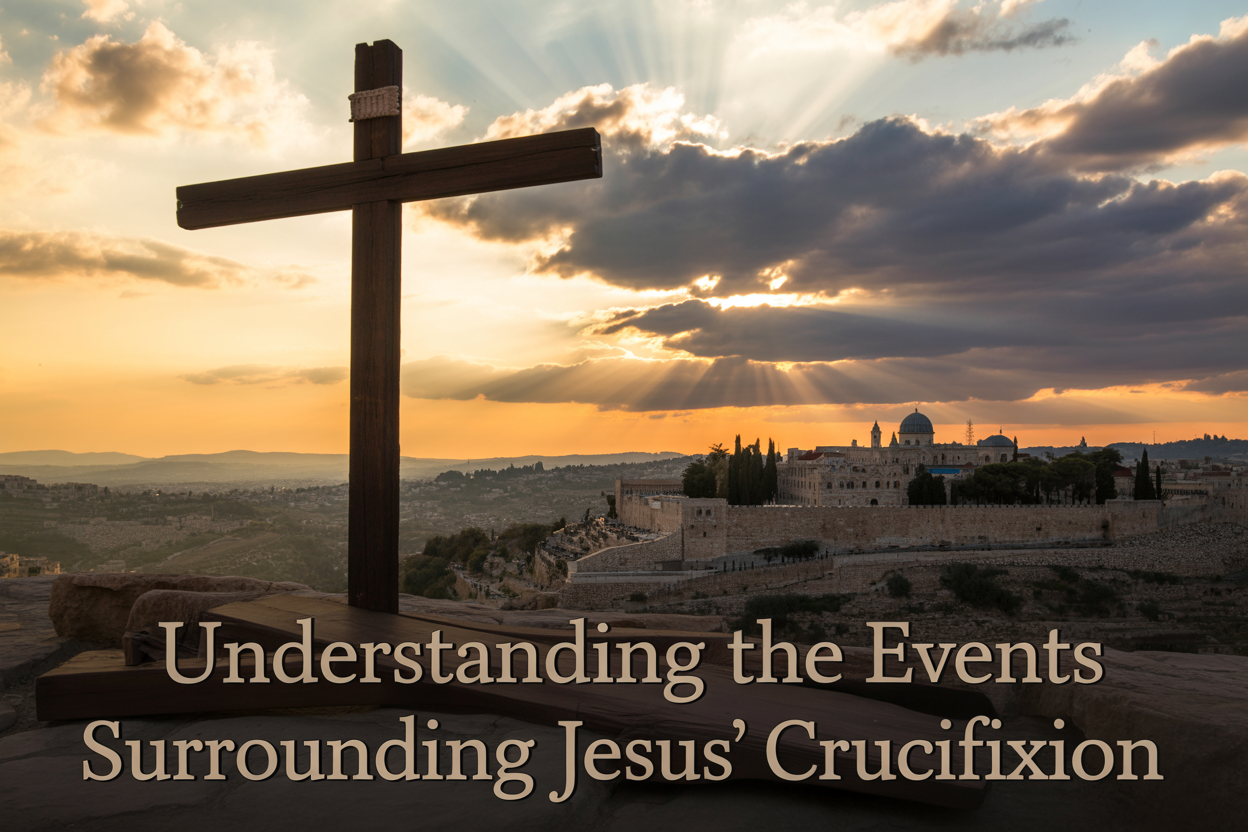
Understanding the Events Surrounding Jesus' Crucifixion
The crucifixion of Jesus Christ stands as one of history's most significant events, yet many people only know the basic story. This guide breaks down the complex chain of events that led to Jesus' death and resurrection for anyone seeking a deeper understanding of the biblical crucifixion story.
Whether you're studying the Bible, preparing for Easter, or simply curious about this pivotal moment in Christian faith, we'll walk through the key moments that shaped the passion of Christ. You'll discover the political tensions that made Jesus a target, the personal betrayal that set everything in motion, and the brutal suffering he endured.
We'll explore the political and religious pressures that led to Jesus' arrest, examine the betrayal of Jesus and the dramatic Gethsemane arrest, and trace the series of trials that sealed his fate. You'll also learn about Jesus' suffering before crucifixion and the events leading to crucifixion that changed the course of history forever.
Political and Religious Context Leading to Jesus' Arrest
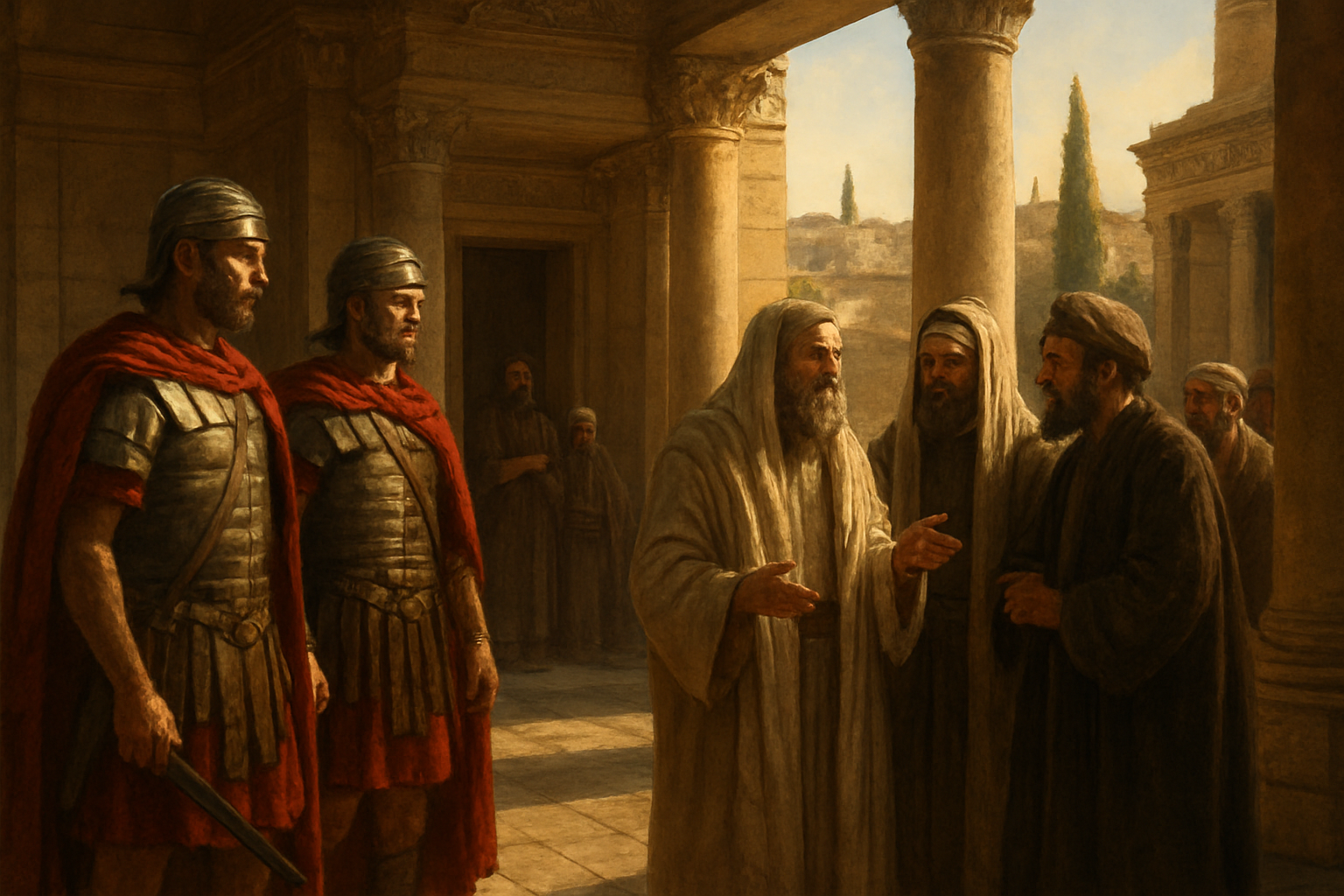
Roman Occupation and Tensions with Jewish Authorities
The Roman Empire's iron grip on Judea created a powder keg of political tensions that would ultimately contribute to the events leading to crucifixion of Jesus Christ. Rome governed through a delicate balance of military force and strategic alliances with local religious leaders. The Jewish authorities, particularly the Sadducees who controlled the temple establishment, found themselves caught between maintaining their religious identity and appeasing their Roman overlords.
This uneasy partnership meant that any figure who threatened the status quo posed a danger to both Roman political stability and Jewish religious authority. The Romans feared uprisings and messianic movements that could challenge their rule, while Jewish leaders worried about losing their privileged positions within the occupied territory. Jesus' growing popularity and his message of God's kingdom presented exactly the kind of threat both parties wanted to eliminate.
Pharisees' and Sadducees' Growing Opposition to Jesus' Teachings
Religious opposition to Jesus intensified as his ministry progressed. The Pharisees, known for their strict adherence to religious law, viewed Jesus' interpretations of scripture as dangerous departures from established tradition. His habit of healing on the Sabbath, associating with tax collectors and sinners, and claiming divine authority directly challenged their understanding of proper religious conduct.
The Sadducees faced an even more direct threat. As the aristocratic priestly class who controlled temple operations, they saw Jesus' teachings about spiritual renewal and his criticism of religious corruption as attacks on their very livelihood. His parables often portrayed religious leaders unfavorably, and his growing influence among the people undermined their authority.
Key points of conflict included:
-
Jesus' claim to forgive sins, which they saw as blasphemy
-
His reinterpretation of Sabbath laws
-
His criticism of their emphasis on ritual over compassion
-
His growing following among common people
Jesus' Cleansing of the Temple as a Catalyst for Action
The temple cleansing represented a turning point in the conflict between Jesus and the religious establishment. When Jesus overturned the money changers' tables and drove out those selling sacrificial animals, he struck at the heart of the temple's economic system. This wasn't just a religious statement—it was an attack on a lucrative business that provided significant income to the priestly families.
The temple served as both a religious center and a major economic hub. The currency exchange and sale of approved sacrificial animals generated substantial profits for those in charge. By calling the temple "a den of robbers," Jesus exposed the corruption that had crept into what was supposed to be sacred space.
This public confrontation occurred during Passover week, when Jerusalem swelled with pilgrims and tensions ran highest. The timing made Jesus' actions even more provocative and dangerous to the established order. The religious leaders could no longer ignore or dismiss him as a minor irritation.
High Priests' Decision to Eliminate the Perceived Threat
The decision to eliminate Jesus wasn't made lightly, but it became inevitable as the religious leaders calculated the risks. Caiaphas, the high priest, reportedly declared that it was better for one man to die than for the whole nation to perish—a statement that revealed both political pragmatism and fear of Roman retaliation.
The Sanhedrin, the Jewish ruling council, faced a dilemma. If Jesus continued gaining followers and someone proclaimed him king, Rome might respond with devastating force against the entire Jewish population. The destruction of Jerusalem and its temple—their source of power and identity—was too terrible to risk.
Several factors pushed them toward this drastic decision:
-
Jesus' triumphal entry into Jerusalem, which resembled royal processions
-
His cleansing of the temple, which challenged their authority
-
His growing popularity with crowds during Passover
-
Reports of his claims about rebuilding the temple
-
Fear that his movement might spark violent rebellion
The religious leaders convinced themselves that eliminating Jesus was necessary for national survival, setting in motion the events leading to crucifixion that would unfold over the next few days.
The Betrayal and Arrest in Gethsemane
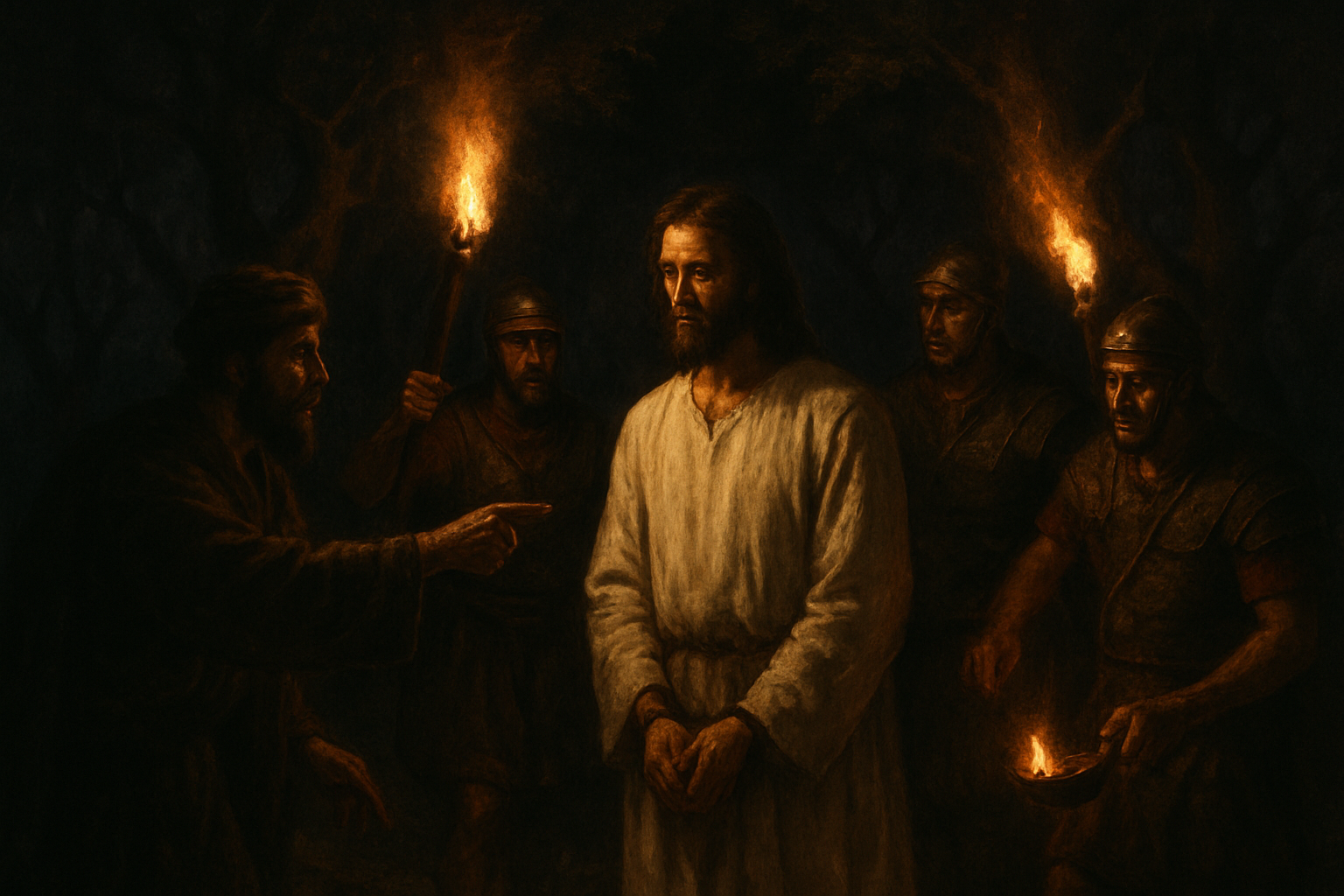
Judas Iscariot's Agreement to Betray Jesus for Thirty Pieces of Silver
The betrayal of Jesus began not in the heat of the moment, but through a calculated decision by one of his closest disciples. Judas Iscariot, who served as the group's treasurer, approached the chief priests with an offer that would seal Jesus' fate. The Gospel accounts describe how Judas asked, "What will you give me if I deliver him over to you?" The religious leaders, eager to arrest Jesus away from the crowds who revered him, agreed to pay thirty pieces of silver—the price of a slave according to Old Testament law.
This betrayal wasn't merely about money. Judas had likely grown disillusioned with Jesus' mission, perhaps expecting a political revolutionary who would overthrow Roman rule rather than a spiritual teacher who spoke of sacrifice and suffering. The thirty pieces of silver represented roughly four months' wages for a laborer, but for Judas, it may have symbolized his final break from a movement that no longer aligned with his expectations.
The timing of this agreement was strategic. The religious authorities needed someone with insider knowledge to help them arrest Jesus quietly, away from his supporters. Judas provided the perfect solution—he knew Jesus' habits, his favorite retreat locations, and when he would be most vulnerable.
Jesus' Final Prayer and Emotional Struggle in the Garden
The Garden of Gethsemane became the setting for one of the most intensely human moments in Jesus' story. After the Last Supper, Jesus led his disciples to this familiar olive grove where he often went to pray. Knowing what lay ahead, Jesus took his three closest disciples—Peter, James, and John—deeper into the garden while asking the others to keep watch.
The Gospel accounts reveal Jesus experiencing profound anguish as he contemplated his approaching death. He fell face down, praying with such intensity that Luke describes his sweat becoming "like drops of blood falling to the ground." This detail points to a rare medical condition called hematidrosis, which can occur under extreme emotional stress.
Jesus' prayer reveals his humanity: "My Father, if it is possible, may this cup be taken from me. Yet not as I will, but as you will." He repeated this prayer three times, each time returning to find his disciples sleeping despite his request for them to stay awake and pray with him. This moment shows Jesus grappling with the weight of what he believed was his destiny—taking on the sins of humanity through his death.
The emotional struggle wasn't just about physical death but about the spiritual separation from God that he believed his sacrifice would require. An angel appeared to strengthen him, but the agony continued as Jesus wrestled with his mission's ultimate cost.
The Kiss of Betrayal and Armed Arrest by Temple Guards
The peaceful garden atmosphere shattered when Judas arrived with a large crowd of temple guards, chief priests, and elders, all carrying swords and clubs. In the darkness, the arresting party needed a clear signal to identify Jesus among his disciples. Judas had arranged a seemingly innocent sign—a greeting kiss, a common form of respect between a student and teacher.
Approaching Jesus, Judas said, "Greetings, Rabbi!" and kissed him. Jesus' response was both knowing and tragic: "Friend, do what you came for." This moment crystallized the betrayal—the intimate gesture of affection twisted into an act of treachery that would echo through history.
The arrest quickly turned chaotic. Peter drew his sword and struck the high priest's servant, cutting off his ear. Jesus immediately intervened, healing the man's injury and telling Peter, "Put your sword back in its place, for all who draw the sword will die by the sword." He reminded his disciples that he could call upon legions of angels if he chose, but this arrest was part of a larger plan.
Jesus questioned why they came armed to arrest him as if he were a dangerous criminal when he had taught openly in the temple courts daily. The religious leaders chose this covert nighttime arrest to avoid the crowds who might have defended him. As the temple guards bound Jesus, all his disciples fled into the darkness, leaving him to face his trials alone.
The Series of Trials and Legal Proceedings
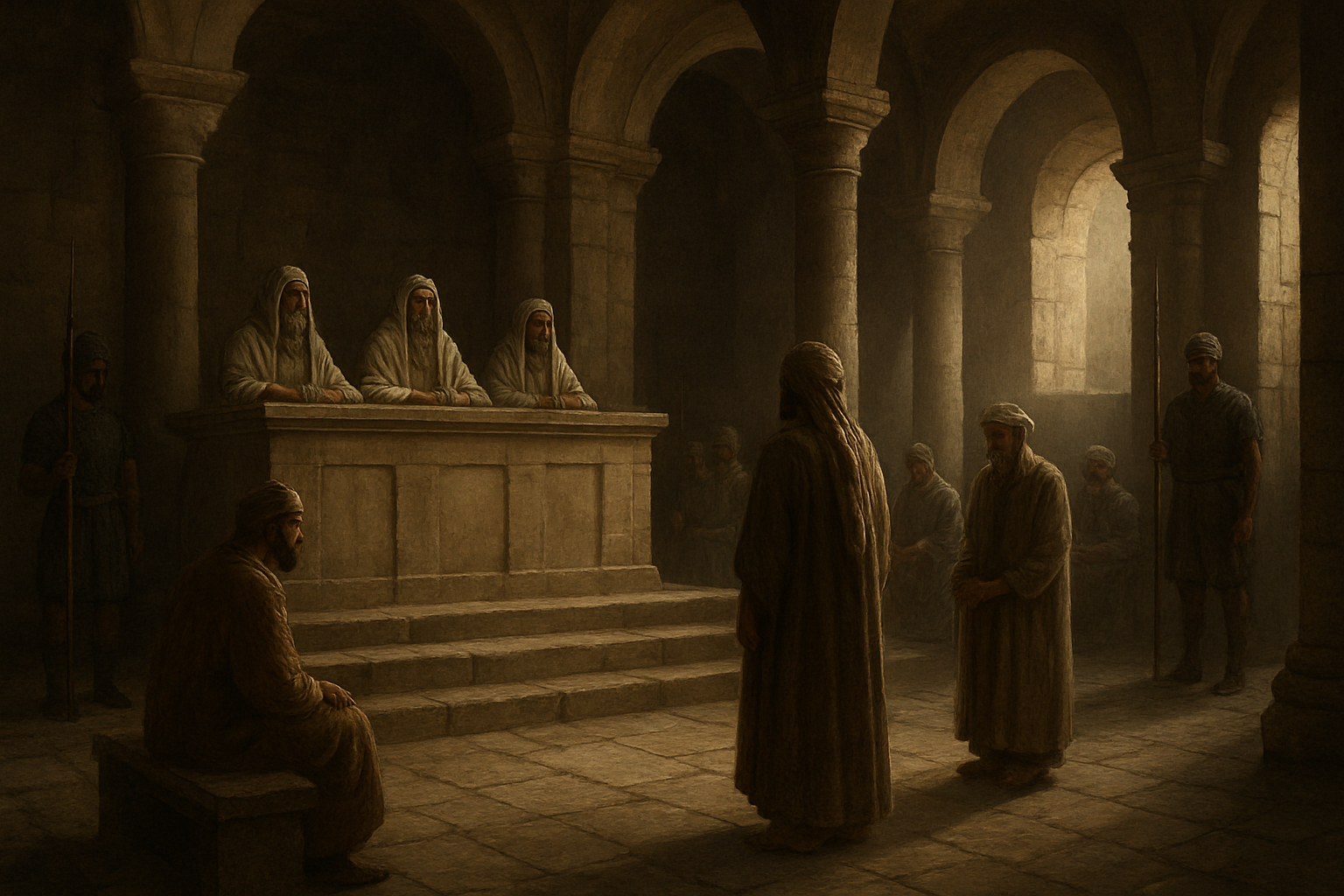
Interrogation before Annas, the former high priest
After Jesus arrest and trial began in Gethsemane, the guards brought him first to Annas, the former high priest who still wielded considerable influence despite no longer holding the official position. This preliminary interrogation served as an informal hearing where Annas questioned Jesus about his disciples and teachings, trying to gather information that could be used against him in the formal proceedings that would follow.
Annas held significant power behind the scenes, operating as the patriarch of a priestly dynasty that controlled much of the temple's religious and economic activities. His questioning focused on Jesus' ministry and followers, attempting to establish evidence of sedition or blasphemy. Jesus responded by pointing to his public teaching, challenging Annas to call witnesses rather than demanding self-incrimination. When Jesus spoke boldly about the openness of his ministry, one of the officers struck him, demonstrating the hostile atmosphere already surrounding these proceedings.
Trial before Caiaphas and the Jewish Sanhedrin
The formal religious trial took place before Caiaphas, the current high priest and son-in-law of Annas, along with members of the Sanhedrin. This represented the most significant legal proceeding under Jewish law, where the religious leaders sought to build a case that would justify a death sentence under both Jewish and Roman legal systems.
The Sanhedrin struggled initially to find consistent testimony against Jesus. Multiple witnesses came forward with accusations, but their testimonies contradicted each other, failing to meet the Jewish legal requirement for corroborating evidence. The proceedings grew increasingly desperate as the religious leaders recognized their case was falling apart.
The turning point came when Caiaphas directly asked Jesus if he was "the Christ, the Son of the Blessed One." Jesus' affirmative response, combined with his reference to sitting at the right hand of power and coming with the clouds of heaven, prompted Caiaphas to tear his robes and declare this statement blasphemous. The Sanhedrin unanimously condemned Jesus to death, though they lacked the authority under Roman occupation to carry out capital punishment themselves.
First appearance before Pontius Pilate, the Roman governor
Since the Jewish authorities couldn't execute Jesus themselves, they brought him to Pontius Pilate, the Roman governor, early in the morning. They needed Roman authorization for the death penalty, but they also had to reframe their charges from religious blasphemy to political sedition, since Rome wouldn't intervene in purely religious matters.
The accusers presented Jesus as a political threat, claiming he opposed paying taxes to Caesar and declared himself a king. Pilate's interrogation focused on the kingship claim, asking Jesus directly if he was the king of the Jews. Jesus' response about his kingdom not being of this world seemed to satisfy Pilate that Jesus posed no immediate political threat to Roman authority.
After this initial examination, Pilate announced his finding: "I find no fault in this man." This declaration created a problem for the religious leaders who had expected Roman cooperation in executing Jesus. Pilate's reluctance to condemn someone he viewed as innocent set the stage for the complex maneuvering that would follow.
Examination by Herod Antipas in Jerusalem
Learning that Jesus came from Galilee, Pilate saw an opportunity to avoid making a difficult decision by sending Jesus to Herod Antipas, who ruled that region and happened to be in Jerusalem for Passover. This transfer represented an attempt by Pilate to shift responsibility for Jesus crucifixion proceedings to another authority.
Herod had long wanted to meet Jesus, having heard about his miracles and wondering if he might be John the Baptist returned from the dead. The tetrarch hoped to witness some supernatural sign or receive answers to his many questions. However, Jesus remained completely silent during Herod's questioning, refusing to speak or perform any miracles despite intense interrogation.
Frustrated by Jesus' silence and finding no grounds for execution, Herod treated the situation as entertainment. He and his soldiers mocked Jesus, dressing him in elegant robes to ridicule his supposed royal claims, then sent him back to Pilate. This examination produced no charges or condemnation, but it did result in Herod and Pilate becoming friends after previously being enemies.
Final trial and sentencing by Pilate under public pressure
When Jesus returned to Pilate, the Roman governor faced mounting pressure from the Jewish leaders and growing crowds. Pilate made several attempts to release Jesus, including offering to have him flogged and released, and presenting the crowd with a choice between Jesus and Barabbas, a known insurrectionist, during the customary Passover prisoner release.
The passion of Christ reached its climax when the crowd, influenced by the chief priests and elders, demanded Barabbas' release and Jesus crucifixion. Pilate's wife had sent word warning him to have nothing to do with "that righteous man" due to disturbing dreams she'd experienced, adding to his reluctance to condemn Jesus.
Despite his personal conviction of Jesus' innocence, Pilate ultimately yielded to the political pressure. The threat of being reported to Caesar as someone who released a rival king proved too dangerous for his career and position. In a symbolic gesture, Pilate washed his hands before the crowd, declaring himself innocent of Jesus' blood while simultaneously authorizing his execution.
The final sentencing included the inscription "Jesus of Nazareth, King of the Jews" placed above the cross, written in Hebrew, Latin, and Greek. This title, which the chief priests protested, ironically proclaimed the truth they had rejected during the biblical crucifixion story that would transform human history.
The Physical and Emotional Suffering Before Crucifixion
Brutal Scourging and Mockery by Roman Soldiers
Roman scourging was one of the most horrific punishments in the ancient world, designed to push victims to the brink of death without killing them. When Jesus underwent this torture, Roman soldiers used a flagrum - a whip embedded with pieces of bone, metal, and glass that would tear flesh from the body with each strike. The typical scourging involved 39 lashes, though some historians suggest Jesus may have endured even more.
The physical damage was devastating. Each strike of the flagrum would create deep lacerations across the back, shoulders, and legs. The embedded materials would catch and tear muscle tissue, often exposing ribs and internal organs. Victims frequently went into shock from blood loss and pain. Medical experts who have studied crucifixion believe Jesus likely lost significant amounts of blood during this phase alone.
Beyond the physical torture, Roman soldiers added psychological torment through mockery and humiliation. They gathered around Jesus, spitting on him, striking his face, and hurling insults. This wasn't just casual cruelty - it was systematic dehumanization designed to break the spirit completely. The soldiers found entertainment in his suffering, turning the scourging into a spectacle of sadism.
Crown of Thorns and Purple Robe Humiliation
The crown of thorns represents one of history's most recognizable symbols of mockery turned sacred. Roman soldiers crafted this cruel accessory from thorny branches, likely from a shrub common in the Jerusalem area with thorns measuring one to two inches long. They pressed this makeshift crown deep into Jesus' scalp, causing profuse bleeding since head wounds bleed heavily due to the rich blood supply in that area.
The purple robe they placed on Jesus carried deep symbolic meaning. Purple dye was extremely expensive in ancient times, making purple garments a symbol of royalty and wealth. By draping Jesus in purple, the soldiers were creating a grotesque parody of kingship - mocking his claim to be "King of the Jews" while simultaneously torturing him. The irony wasn't lost on them as they knelt in fake worship, shouting "Hail, King of the Jews!" while striking his face.
This combination of the crown and robe created a horrific tableau of mock coronation. Every element was designed to humiliate - the painful crown, the royal color now stained with blood, and the jeering crowd treating divine claims as nothing more than a joke. The psychological impact was as devastating as the physical pain, stripping away dignity in the most public way possible.
Carrying the Cross Through Jerusalem Streets
The journey from the Praetorium to Golgotha became known as the Via Dolorosa, or "Way of Sorrows." Jesus, already weakened by hours of torture and blood loss, was forced to carry the crossbeam (called a patibulum) through crowded Jerusalem streets. This wooden beam typically weighed between 75-125 pounds, and carrying it required significant upper body strength that Jesus no longer possessed.
Archaeological evidence suggests the route covered approximately 600 yards through narrow, winding streets filled with Passover pilgrims. Every step was agony as the rough wood pressed against his torn and bleeding back. The crown of thorns continued to cause pain with each movement, while curious crowds gathered to witness the spectacle. Some mourned, others mocked, creating a cacophony of voices that followed the procession.
Simon of Cyrene's involvement becomes significant when viewed against this backdrop. When Jesus could no longer bear the weight and repeatedly fell, Roman soldiers conscripted Simon to carry the cross. This wasn't mercy - it was pragmatism. The Romans needed Jesus alive for crucifixion, and his collapse threatened their execution schedule.
The public nature of this suffering served Roman purposes perfectly. Crucifixion was always a public spectacle designed to deter others from challenging Roman authority. Every stumble, every cry of pain, every drop of blood spilled on those ancient stones sent a clear message about the price of defying Rome.
The Crucifixion Event and Its Immediate Aftermath
Placement between two criminals at Golgotha
The crucifixion of Jesus Christ took place at Golgotha, meaning "place of the skull" in Aramaic. Roman authorities positioned Jesus between two criminals, a detail that fulfilled biblical prophecy about being "numbered with the transgressors." This placement wasn't accidental—it was designed to maximize humiliation and associate Jesus with common lawbreakers in the public eye.
The site of Golgotha was strategically chosen for public executions. Located outside Jerusalem's walls but visible to travelers entering the city, it served as a stark warning about Roman justice. Archaeological evidence suggests the location was a rocky outcrop that resembled a skull, giving the place its distinctive name.
The two criminals crucified alongside Jesus represent different responses to his message. One mocked Jesus, demanding he save them all if he truly was the Messiah. The other criminal defended Jesus, acknowledging their own guilt while recognizing Jesus's innocence, ultimately receiving the promise of paradise.
Jesus' seven final statements from the cross
The Gospel accounts record seven distinct statements Jesus made during his crucifixion hours, each revealing profound theological and human dimensions of his suffering.
The Seven Last Words:
-
"Father, forgive them, for they know not what they do" - Demonstrating mercy toward his executioners
-
"Today you will be with me in paradise" - Promising salvation to the repentant criminal
-
"Woman, behold your son... Behold, your mother" - Ensuring care for his mother Mary
-
"My God, my God, why have you forsaken me?" - Expressing the weight of bearing humanity's sin
-
"I thirst" - Acknowledging his physical suffering and humanity
-
"It is finished" - Declaring the completion of his redemptive work
-
"Father, into your hands I commit my spirit" - Surrendering his life voluntarily
These statements reveal Jesus maintaining concern for others even while experiencing excruciating pain. His words addressed forgiveness, salvation, family care, spiritual anguish, physical needs, mission completion, and ultimate trust in God.
Supernatural phenomena during the crucifixion hours
The biblical crucifixion story records several extraordinary events that accompanied Jesus's death, suggesting cosmic significance beyond a typical execution.
Darkness at Midday: From noon until 3 PM, darkness covered the land. This wasn't a solar eclipse, as Passover occurred during a full moon when eclipses are impossible. Ancient historians like Thallus and Phlegon documented unusual darkness during this period, though they offered various explanations.
Temple Veil Torn: The massive curtain separating the Holy of Holies in Jerusalem's temple split from top to bottom at the moment of Jesus's death. This 60-foot-tall, hand-thick tapestry couldn't have torn by human effort. Symbolically, this represented the removal of barriers between God and humanity.
Earthquake and Rock Splitting: Seismic activity accompanied the crucifixion, causing rocks to split and tombs to open. Some ancient sources mention unusual geological disturbances in the Jerusalem area during this time.
Saints Rising: Matthew's Gospel mentions that after Jesus's resurrection, many holy people came back to life and appeared in Jerusalem, witnessed by many residents.
Death confirmation and removal of the body
Roman execution protocols required careful death confirmation before body removal. Crucifixion victims typically survived for days, but Jesus died within six hours, surprising Pontius Pilate.
The Spear Pierce: To ensure death, soldiers pierced Jesus's side with a spear, causing blood and water to flow—medical evidence suggesting cardiac rupture or accumulated fluid around the heart and lungs from severe physical trauma.
Joseph of Arimathea's Request: This wealthy Sanhedrin member, previously a secret follower, boldly asked Pilate for Jesus's body. Roman law typically left crucified bodies to decay as additional punishment, but exceptions were made for influential requests.
Burial Preparations: Despite the approaching Sabbath, Joseph and Nicodemus hastily prepared Jesus's body with approximately 75 pounds of spices and wrapped him in linen cloths. They placed him in Joseph's new tomb, hewn from rock, located in a nearby garden.
The passion of Christ concluded with the stone being rolled across the tomb entrance, sealing what appeared to be the end of Jesus's earthly ministry, though events three days later would dramatically change that perception.
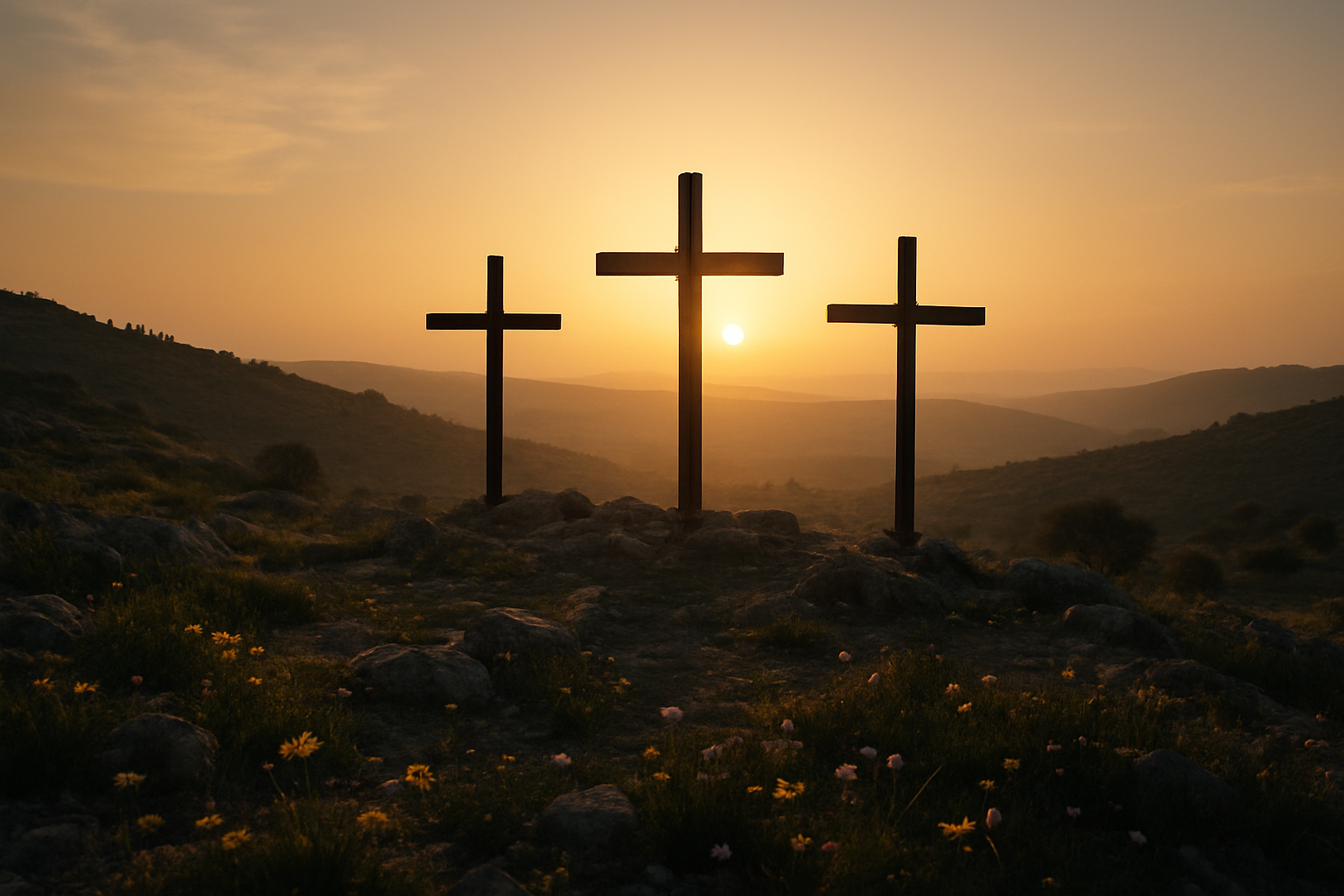
The crucifixion of Jesus stands as one of history's most significant events, shaped by complex political tensions, religious conflicts, and human choices. From the volatile relationship between Jewish leaders and Roman authorities to Judas's betrayal in the garden, each moment built toward that fateful day on Golgotha. The rushed trials, marked by procedural violations and predetermined outcomes, revealed the desperation of those seeking Jesus's death. The physical brutality he endured—from flogging to carrying the cross—only matched the emotional weight of abandonment and mockery he faced.
These events remind us that the crucifixion wasn't just a moment in time but the culmination of deeply human struggles with power, fear, and faith. Whether you approach this story from a historical, religious, or personal perspective, the crucifixion challenges us to examine our own responses to truth, justice, and sacrifice. Take time to reflect on how these ancient events might speak to the choices and challenges you face today.


Comments
Post a Comment