Understanding the Christian Easter Symbols
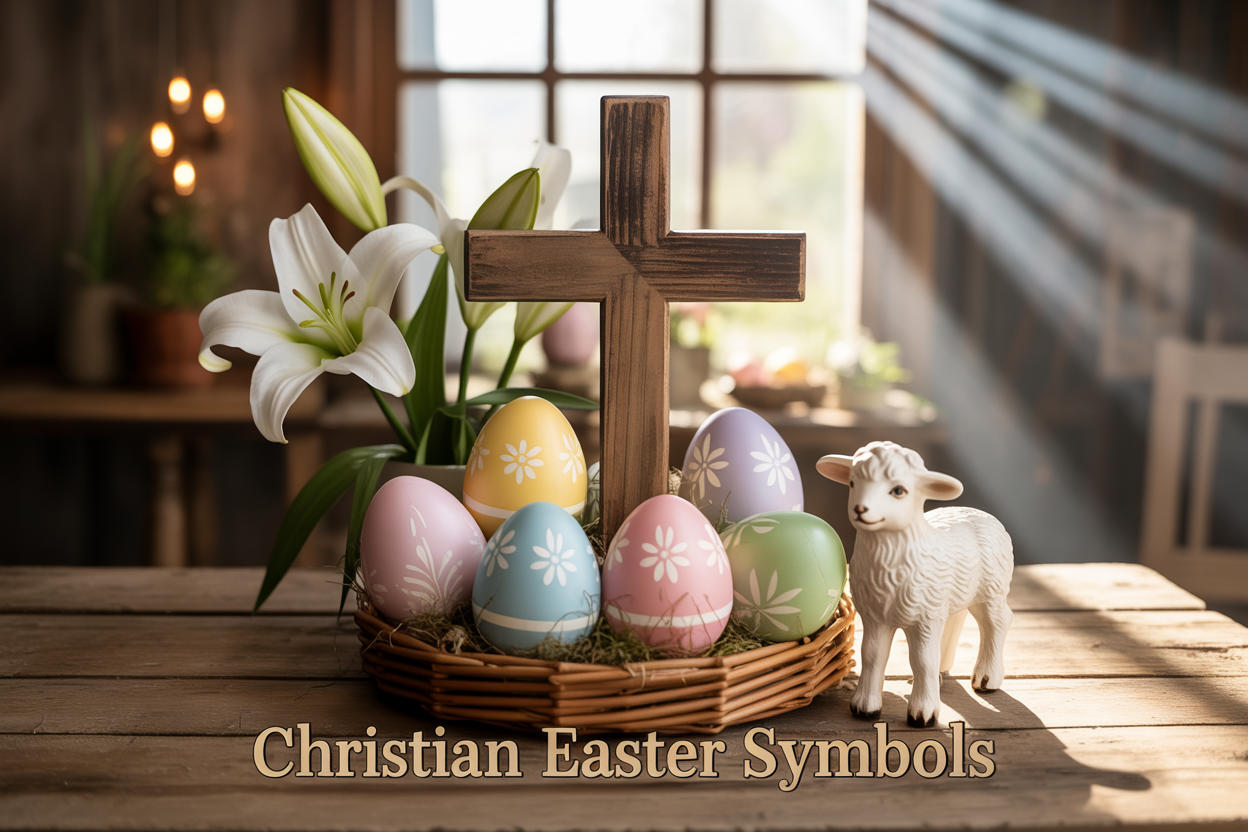
Easter symbols carry deep spiritual meaning that many Christians want to understand better. If you're curious about the Christian Easter symbols that appear in churches, homes, and celebrations each spring, you're not alone in seeking their true significance.
This guide is perfect for believers, families preparing for Easter, or anyone interested in learning what these sacred symbols really represent. Many people see Easter eggs, crosses, and lilies everywhere during the season but don't know the powerful stories behind them.
We'll explore the spiritual meaning behind Easter eggs and how they represent new life and resurrection. You'll also discover the profound symbolism of the Easter cross and why it remains the most important Christian holiday symbol. We'll uncover the sacred significance of Easter lilies and decode the meaning of Easter lamb symbolism that connects directly to Jesus's sacrifice.
You'll walk away knowing exactly what these Easter symbols and their meanings teach us about faith, hope, and the resurrection story that defines Christianity.
Explore the Powerful Symbolism of the Easter Cross
Recognize the Cross as the Ultimate Symbol of Christ's Sacrifice
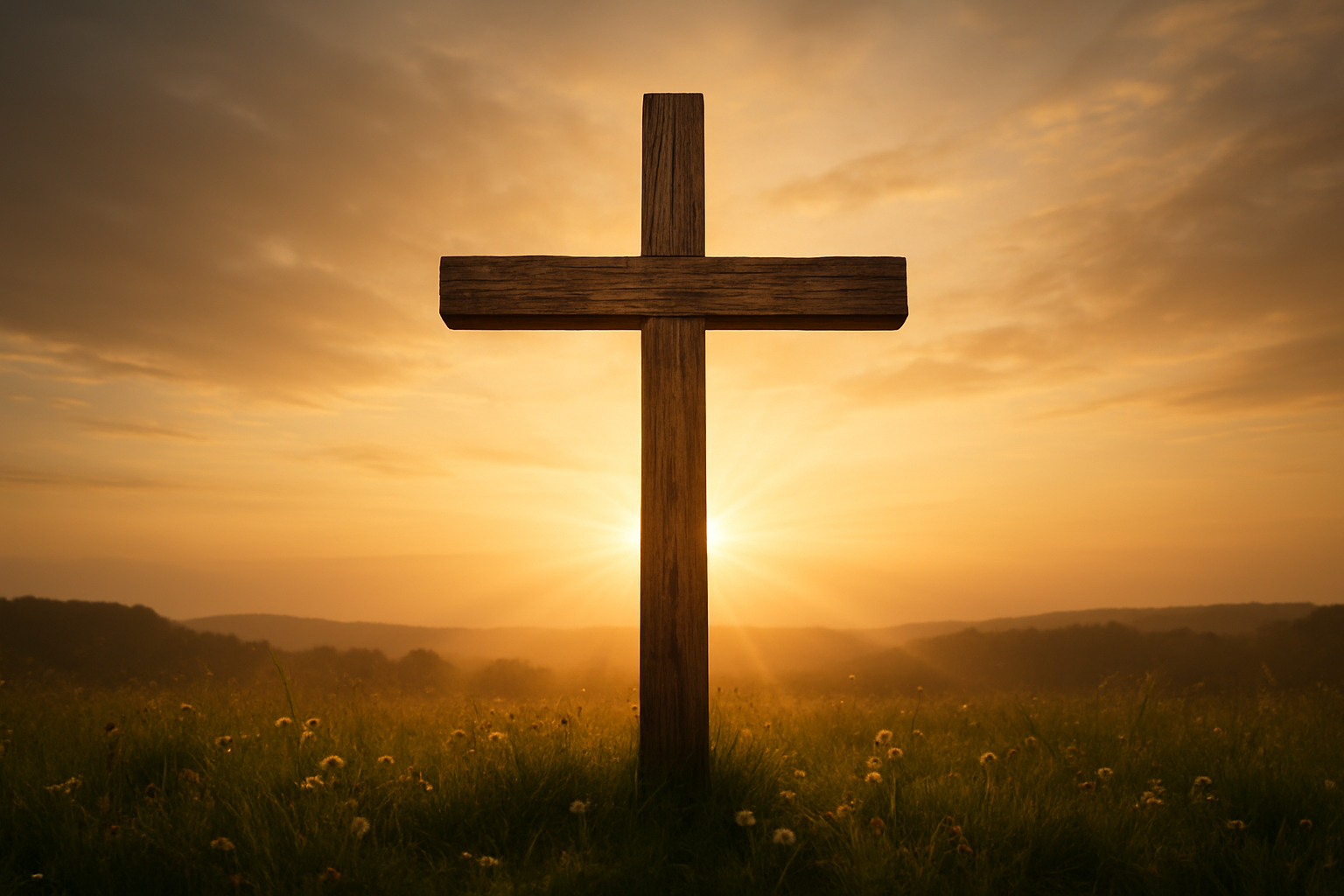
The Easter cross stands as Christianity's most powerful and recognizable symbol, representing the heart of the Christian faith. This sacred emblem captures the profound moment when Jesus Christ willingly gave His life for humanity's salvation. During Easter celebrations, churches around the world prominently display crosses to remind believers of the immense love demonstrated through this ultimate sacrifice.
The vertical beam of the cross points toward heaven, symbolizing the divine connection between God and humanity. The horizontal beam represents the embrace of all people, showing how Christ's sacrifice extends to every corner of the earth. Together, these intersecting lines create a visual reminder that Easter isn't just about remembering a historical event – it's about celebrating the bridge built between the divine and human realms.
Many Christians find deep meaning in contemplating how the cross transforms what was once an instrument of execution into a symbol of hope and redemption. The rough wood that once brought death now represents eternal life, making the Easter cross a paradox that perfectly captures the Christian message of triumph through apparent defeat.
Discover How Empty Crosses Represent Victory Over Death
Empty crosses hold special significance during Easter season, symbolizing the resurrection and Christ's victory over death. Unlike crucifixes that display Jesus on the cross, empty crosses celebrate the completed work of salvation. The absence of a figure on the cross powerfully communicates that death could not hold Christ, and the tomb stands empty.
Protestant churches particularly embrace empty crosses during Easter worship, emphasizing the resurrection rather than focusing solely on the crucifixion. This choice reflects the joyful nature of Easter – while Good Friday remembers the sacrifice, Easter Sunday celebrates the triumph. The empty cross declares that suffering and death do not have the final word in God's story.
The symbolism extends beyond the physical absence of Christ's body. Empty crosses represent the freedom believers have from sin's penalty and death's sting. They remind worshippers that the grave is not humanity's final destination, offering hope for eternal life with God.
Learn About Different Cross Variations Used During Easter Season
Easter celebrations feature various cross designs, each carrying unique symbolic meaning within Christian traditions. The Latin cross, with its longer vertical beam extending below the horizontal bar, remains the most common form used in Easter displays and worship services.
Popular Easter Cross Variations:
| Cross Type | Description | Easter Significance |
|---|---|---|
| Celtic Cross | Features a circle around the intersection | Represents eternal life and God's endless love |
| Budded Cross | Has three buds at each arm's end | Symbolizes the Trinity and new life |
| Passion Cross | Often made from rough wood or thorny branches | Emphasizes Christ's suffering and sacrifice |
| Flory Cross | Decorated with fleur-de-lis at the ends | Represents purity and resurrection |
Churches often create special Easter cross displays using flowers, particularly white lilies, to symbolize purity and new life. Some congregations construct outdoor crosses from natural materials, allowing the community to participate in Easter sunrise services. These variations help different Christian denominations express their unique theological emphases while maintaining the central message of Christ's sacrifice and resurrection.
Wooden crosses remain popular choices for Easter decorations because they connect directly to the biblical account. Many families create their own Easter cross displays at home, using everything from simple wooden pieces to elaborate floral arrangements that transform this ancient symbol into a celebration of spring and spiritual renewal.
Discover the Symbolic Meaning Behind Easter Eggs
Uncover the Ancient Origins of Egg Symbolism in Spring Celebrations
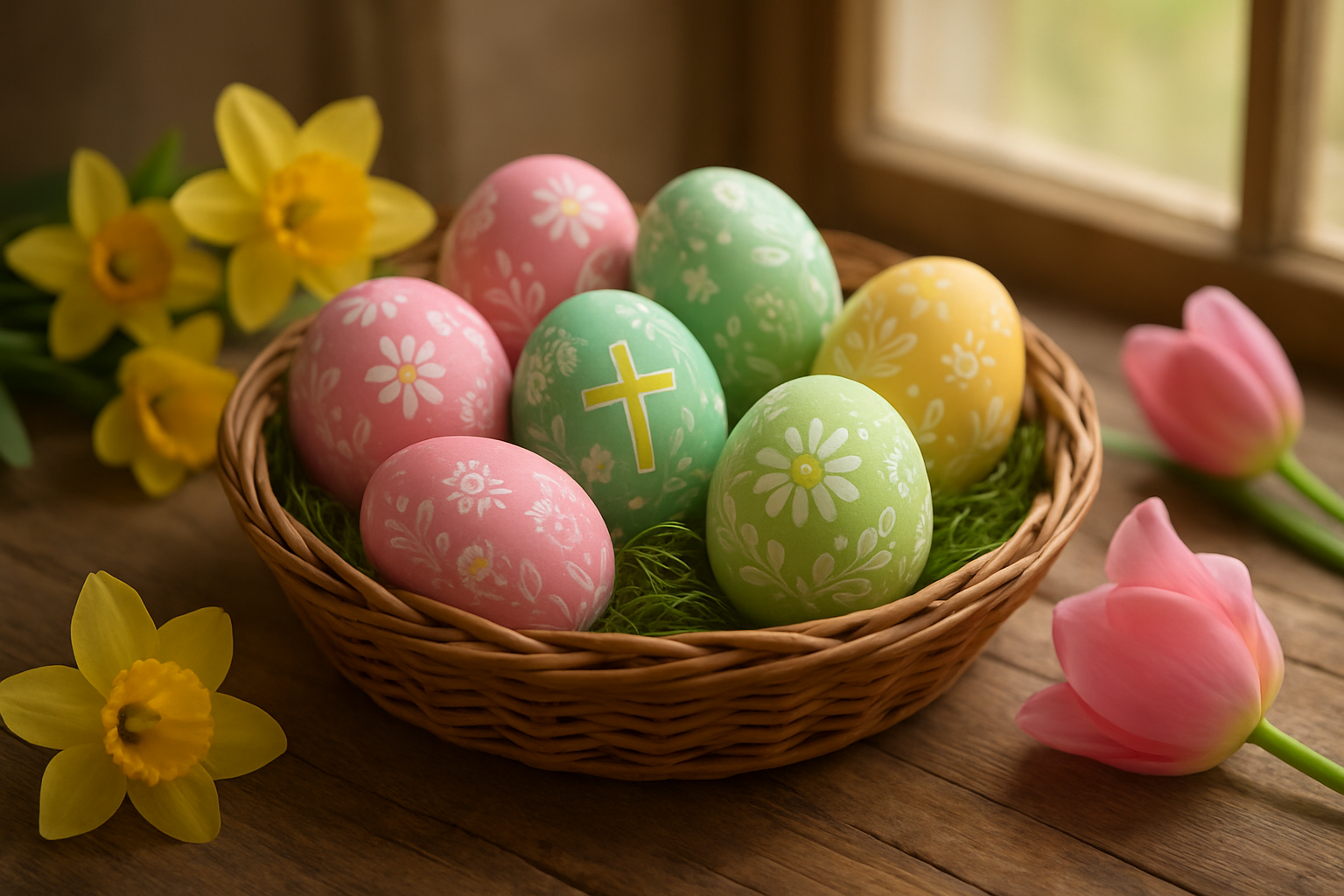
Eggs have carried deep meaning across cultures for thousands of years, long before Christianity adopted them as Easter symbols. Ancient civilizations saw eggs as powerful representations of creation, fertility, and the renewal that comes with spring. The Egyptians buried eggs with their dead as symbols of rebirth, while Persian and Roman cultures exchanged decorated eggs during spring festivals to celebrate new beginnings.
The connection between eggs and springtime makes perfect sense when you think about it. As winter's grip loosens, birds return to build nests and lay eggs, marking nature's awakening. Ancient peoples recognized this pattern and wove egg symbolism into their religious and cultural practices. The Greeks hung eggs in temples, and Germanic tribes colored eggs to honor Eostre, their goddess of spring and dawn.
Learn Why Eggs Represent New Life and Resurrection in Christianity
Christian Easter symbols transformed the ancient egg tradition into something deeply spiritual. Early Christians saw the egg as a perfect metaphor for Christ's resurrection - just as a chick breaks free from what appears to be lifeless shell, Jesus emerged from the tomb, conquering death itself.
The egg's hard shell represents the sealed tomb, while the life within symbolizes the promise of eternal life through Christ. This Easter egg symbolism became especially meaningful during Lent, when eating eggs was forbidden. Christians would save eggs throughout the fasting period, then bless and eat them on Easter Sunday as a celebration of new life.
Byzantine Christians began the tradition of dyeing eggs red to represent Christ's blood shed on the cross. The deep crimson color served as a visual reminder of the sacrifice that made resurrection possible. This practice spread throughout Orthodox Christianity and remains a cherished tradition today.
Explore Different Cultural Traditions of Decorating Easter Eggs
Easter tradition meanings vary beautifully across different cultures, each adding unique elements to egg decoration. Ukrainian pysanky represents perhaps the most intricate tradition, using hot wax and multiple dye baths to create elaborate geometric patterns. Each design carries specific meaning - dots represent tears of the Virgin Mary, while waves symbolize eternity.
Russian Orthodox Christians create stunning painted eggs with religious icons and golden details. These masterpieces often become family heirlooms passed down through generations. Polish Catholics practice a similar art called pisanki, creating vibrant patterns that tell stories of faith and heritage.
German immigrants brought the tradition of the Easter hare (later becoming the Easter Bunny) who would hide decorated eggs for children to find. This custom merged with existing egg traditions in America, creating the modern egg hunt we know today.
| Culture | Tradition | Symbolic Meaning |
|---|---|---|
| Ukrainian | Pysanky with geometric patterns | Protection and blessing |
| Russian | Icon-painted eggs | Religious devotion |
| Polish | Pisanki with folk designs | Cultural heritage |
| German | Bunny-delivered eggs | Joy and surprise |
Understand How Egg Hunts Connect Children to Easter's Spiritual Message
Modern egg hunts do more than entertain children - they create a tangible connection to Easter symbols and their meanings. When kids search for hidden eggs, they're participating in a tradition that mirrors the disciples' discovery of the empty tomb. The seeking and finding mirrors the spiritual journey of discovering faith.
Many churches now incorporate spiritual elements into egg hunts, placing Bible verses or small religious symbols inside plastic eggs alongside treats. This approach helps children understand that Easter celebrates more than spring - it commemorates the most important event in Christian holiday symbols.
The excitement of finding hidden treasures naturally parallels the joy of discovering God's love and promises. Parents can use these moments to explain resurrection concepts in age-appropriate ways, making abstract spiritual truths concrete through the simple act of holding an egg. The tradition creates lasting memories while planting seeds of faith that can grow throughout a child's life.
Understand the Sacred Significance of Easter Lilies

Learn Why White Lilies Symbolize Purity and Resurrection
Easter lilies, with their pristine white petals and trumpet-shaped blooms, stand as one of the most recognizable Christian Easter symbols. The pure white color represents the sinless nature of Jesus Christ and His victory over death. These flowers naturally bloom during springtime, making them perfect symbols for the resurrection story that defines Easter.
The lily's transformation from a buried bulb to a beautiful flower mirrors Christ's journey from death to resurrection. Just as the bulb lies dormant in the earth before emerging as a magnificent bloom, Jesus emerged from the tomb after three days. This powerful visual connection has made white lilies essential elements in Easter celebrations for centuries.
Churches and Christian families choose white lilies specifically because their unblemished appearance reflects spiritual purity and new life. The fragrant blooms serve as living reminders that death doesn't have the final word in the Christian faith.
Discover the Biblical Connections to Lily Symbolism
Scripture references to lilies appear throughout the Bible, creating deep connections between these flowers and Christian faith. In the Sermon on the Mount, Jesus speaks about lilies of the field, saying they don't toil or spin, yet Solomon in all his glory wasn't dressed as beautifully as these simple flowers. This passage highlights God's provision and care for His creation.
The Song of Solomon also mentions lilies multiple times, using them to describe beauty and purity. Early Christians connected these biblical references to the Easter story, seeing parallels between the lily's natural beauty and Christ's perfect sacrifice.
Many biblical scholars point out that while the exact species mentioned in Scripture may differ from modern Easter lilies, the symbolic meaning remains consistent. The flower represents trust in God's plan, divine beauty, and the hope of resurrection that forms the cornerstone of Christian belief.
Explore How Churches Use Lilies in Easter Decorations
Churches worldwide transform their sanctuaries with Easter lilies during the resurrection season. These religious symbols create stunning visual displays that enhance worship experiences and reinforce the Easter message. Many congregations place lilies near the altar, around the cross, and throughout the nave to create an atmosphere of celebration and reverence.
Easter lily arrangements often include specific numbers of flowers with symbolic meaning. Some churches use three lilies to represent the Trinity, while others arrange them in groups of seven to symbolize completeness or perfection. The placement isn't random - each arrangement tells part of the Easter story.
Congregation members frequently donate lilies in memory of loved ones or in celebration of life events. These memorial and honor dedications create meaningful connections between the Easter symbols and personal faith journeys. The donated flowers often fill the sanctuary with both beauty and significance that extends beyond the Easter service.
Understand the Life Cycle Connection Between Lilies and Rebirth
The Easter lily's growth pattern perfectly illustrates the Christian concept of death and resurrection. The bulb must be planted in fall, spending months buried in cold, dark soil before emerging in spring. This underground period represents death, while the eventual blooming symbolizes resurrection and new life.
The lily's life cycle teaches important spiritual lessons about patience, faith, and transformation. Just as the bulb trusts the process of growth even when nothing appears to be happening above ground, Christians are called to maintain faith during difficult seasons. The eventual bloom becomes a reward for enduring the dark period.
Gardeners know that lily bulbs actually grow stronger during their dormant phase, developing the root system needed for spectacular blooms. This process mirrors how spiritual growth often happens during challenging times, preparing believers for greater purpose and beauty in their lives. The connection between the lily's natural cycle and spiritual rebirth makes these flowers particularly meaningful during Easter celebrations.
Decode the Meaning of Easter Lamb Symbolism
Connect the Lamb Symbol to Jesus as the Lamb of God
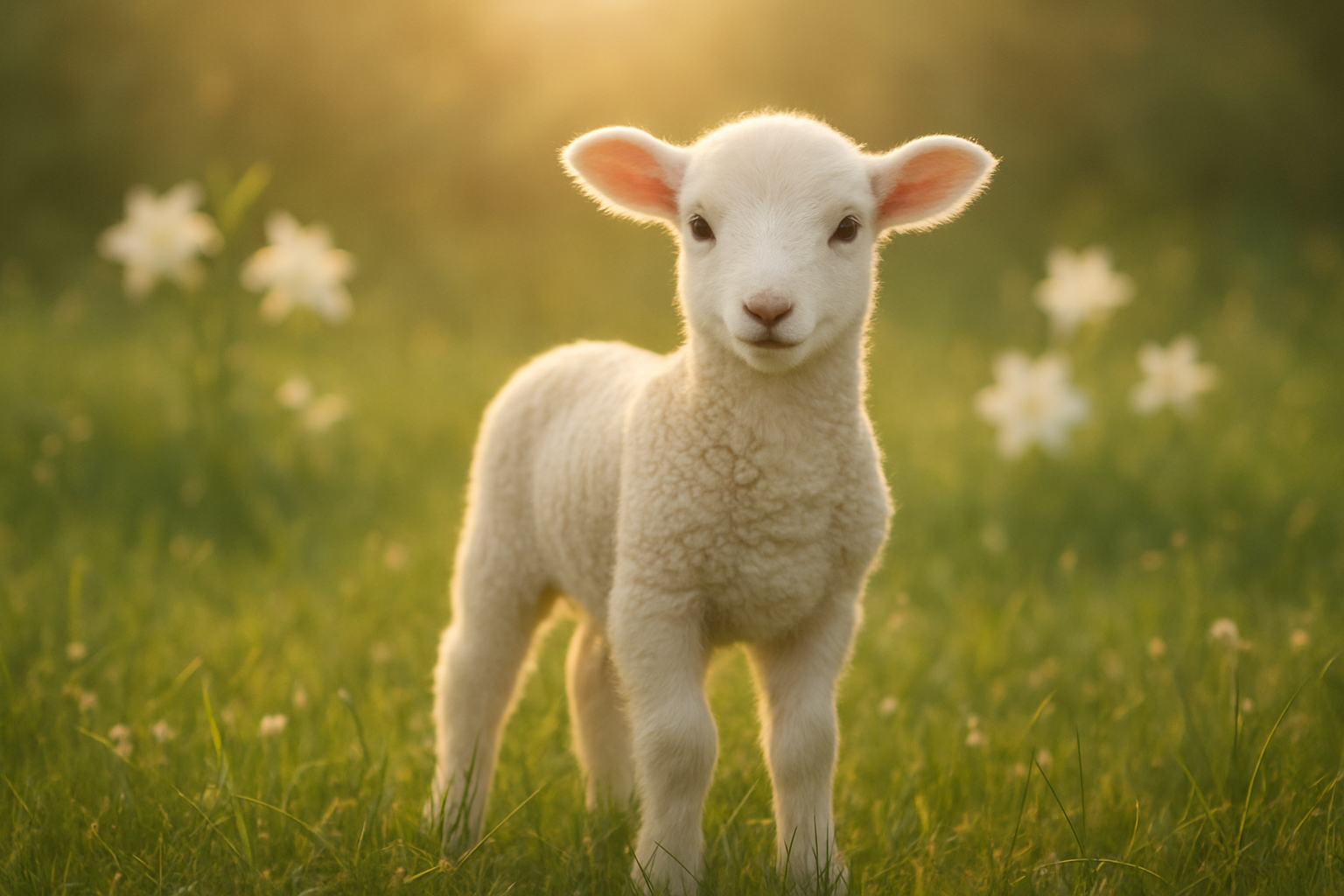
The Easter lamb stands as one of the most profound Christian Easter symbols, directly linking to Jesus Christ's identity as the "Lamb of God." This powerful connection appears throughout the New Testament, beginning with John the Baptist's declaration when he first saw Jesus: "Behold, the Lamb of God, who takes away the sin of the world" (John 1:29). The symbolism runs deep, representing Jesus's pure, innocent nature and his role as the ultimate sacrifice for humanity's redemption.
The lamb imagery captures Jesus's gentle, peaceful character while simultaneously acknowledging his sacrificial mission. Unlike other animals that might represent strength through power or dominance, the lamb embodies strength through vulnerability and submission to God's will. This paradox makes the Easter lamb symbolism particularly meaningful for Christians who understand that true power often comes through surrender and service.
Early Christian communities embraced this symbol because it perfectly encapsulated the essence of Jesus's ministry. The lamb represented both the shepherd who cares for his flock and the sacrifice that saves them. This dual nature appears throughout Christian art, literature, and worship, making the lamb an enduring and recognizable symbol during Easter celebrations.
Understand the Sacrificial Significance in Christian Tradition
The sacrificial aspect of Easter lamb symbolism draws directly from Old Testament traditions, particularly the Passover lamb that protected Hebrew families from the angel of death in Egypt. Just as the blood of the Passover lamb marked doorposts for protection, Christians believe Jesus's sacrifice marks believers for salvation. This connection between Passover and Easter creates a rich theological tapestry that spans both Jewish and Christian traditions.
The sacrificial lamb concept appears repeatedly in biblical prophecy, most notably in Isaiah 53:7, which describes the suffering servant as "a lamb that is led to the slaughter." Christians interpret this passage as a direct prophecy about Jesus's crucifixion, where he remained silent before his accusers and willingly accepted his fate for the greater good of humanity.
Christian holiday symbols often emphasize this sacrificial element through various artistic representations. Churches frequently display images of lambs carrying crosses or banners, symbolizing the willing nature of Christ's sacrifice. The lamb's innocence and purity make it the perfect metaphor for Jesus's sinless nature, which qualified him to serve as the perfect sacrifice according to Christian theology.
Learn About Lamb Imagery in Easter Art and Literature
Throughout history, artists and writers have used lamb imagery to convey deep spiritual truths about Easter. Medieval illuminated manuscripts frequently depicted Christ as both shepherd and lamb, creating visual metaphors that helped believers understand complex theological concepts. Renaissance painters like Jan van Eyck incorporated the "Agnus Dei" (Lamb of God) into their altarpieces, showing a lamb standing on an altar with blood flowing into a chalice.
Easter religious symbols in literature often feature lambs in pastoral settings, representing the peace and redemption that Christ's sacrifice brings to believers. Poets like William Blake explored the innocent lamb as a symbol of divine love and protection, while hymnwriters created songs that celebrate Jesus as both the Good Shepherd and the sacrificial lamb.
Modern artistic expressions continue this tradition, with contemporary churches commissioning sculptures, stained glass windows, and paintings that feature lamb imagery during Easter season. These artistic works help congregations connect visually and emotionally with the deeper meanings behind Easter symbols and their meanings, making abstract theological concepts more accessible and meaningful for worship and reflection.
Recognize Lesser-Known Easter Symbols and Their Meanings
Discover the Symbolism of Easter Butterflies and Transformation
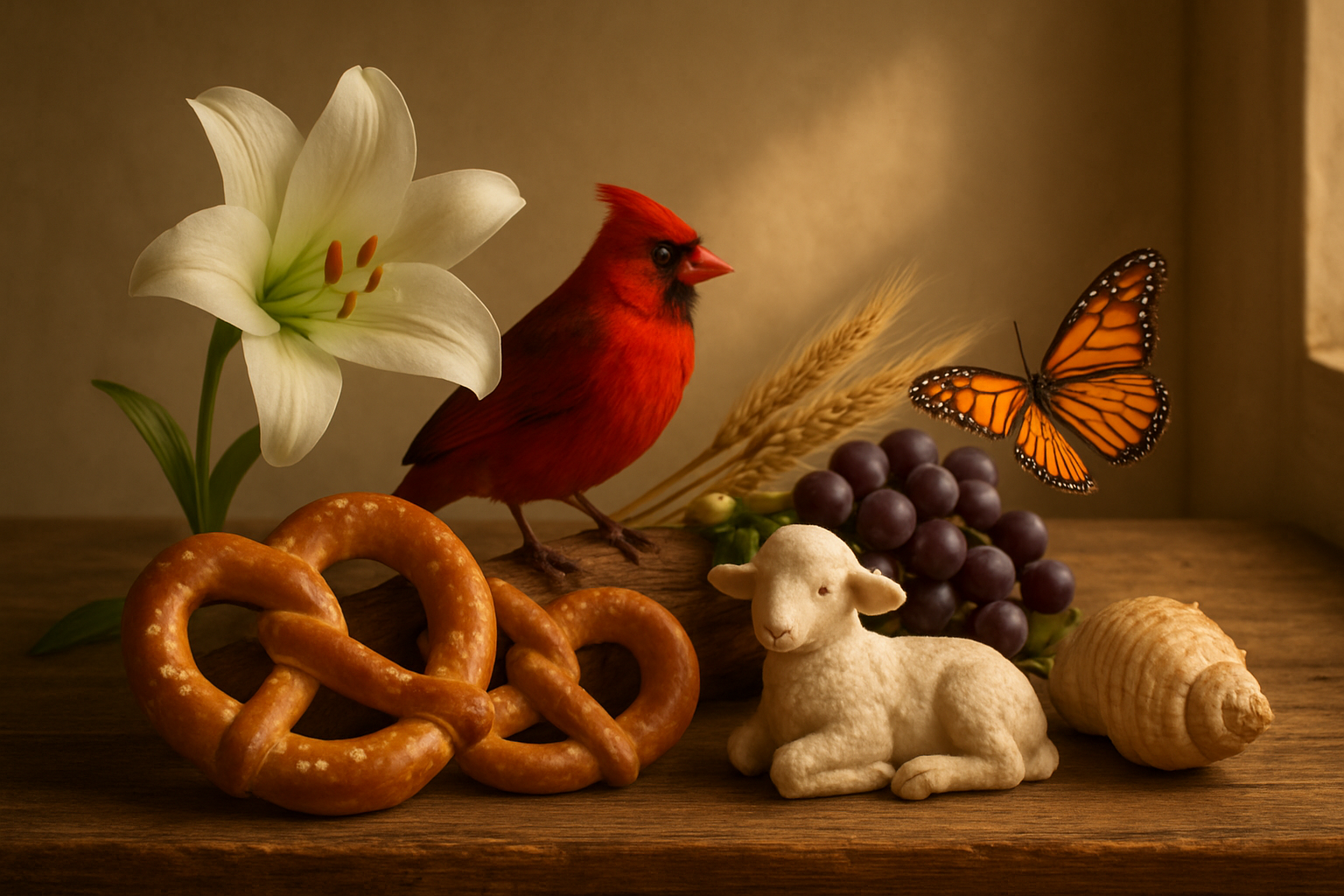
The butterfly stands as one of Christianity's most beautiful symbols of resurrection and new life. This delicate creature undergoes an amazing transformation from caterpillar to cocoon to butterfly, making it a perfect representation of Christ's death and resurrection. Many Christians see this metamorphosis as a mirror of spiritual rebirth that happens when someone accepts faith.
During Easter season, butterflies appear on decorations, cards, and church banners because they remind believers that death isn't the end of the story. Just as the butterfly emerges from what looks like a tomb, Christ emerged from His grave with new life. The three stages of butterfly development - caterpillar, chrysalis, and butterfly - also connect to the Trinity and the three days Christ spent in the tomb.
Learn About Palm Branches and Their Connection to Palm Sunday
Palm branches carry deep meaning that goes back to Jesus's triumphant entry into Jerusalem. When crowds waved these branches and shouted "Hosanna," they were celebrating Jesus as their king and savior. Palm branches in ancient times represented victory, peace, and eternal life.
The tradition of Palm Sunday, which starts Holy Week, keeps this symbolism alive today. Churches distribute palm fronds to congregants, who often take them home and keep them throughout the year as reminders of Christ's sacrifice. In many cultures, these blessed palms are woven into crosses or displayed in homes as protective symbols.
Palm branches also appear in biblical prophecy, where they represent the faithful who will worship in heaven. This connection makes them powerful Christian Easter symbols that link earthly celebration with eternal hope.
Understand the Significance of Easter Candles and Light
Light plays a central role in Christian Easter tradition, with the Paschal candle being the most important example. This large white candle gets lit during the Easter Vigil service and burns throughout the Easter season. The flame represents Christ as the light of the world, pushing away the darkness of sin and death.
Churches often use smaller candles during Easter services, creating a warm glow that symbolizes the joy and hope of resurrection. The practice of lighting candles connects to Jesus's own words about being the light that guides people out of darkness. When families light candles at home during Easter, they're continuing this ancient tradition of celebrating spiritual illumination.
The Easter candle ceremony creates a powerful visual reminder that Christ's resurrection brings light to a dark world. Many congregations pass this light from person to person, showing how faith spreads from one believer to another.
Explore the Meaning Behind Easter Bread and Communion
Special Easter breads appear in many Christian traditions around the world, each carrying symbolic meaning tied to the resurrection. Hot cross buns, with their distinctive cross marking, remind believers of Christ's crucifixion and the spices used for His burial. Greek tsoureki bread gets braided to represent the Trinity, while Italian Easter bread often contains eggs to symbolize new life.
These breads connect directly to the Last Supper and the ongoing practice of communion. When Christians share bread during Easter celebrations, they remember Christ's body given for salvation. The act of breaking bread together creates community and recalls how Jesus broke bread with His disciples after His resurrection.
Many families make Easter bread recipes that have been passed down through generations, making the preparation itself a form of worship and remembrance.
Uncover the Symbolism of Spring Flowers Beyond Lilies
While Easter lilies get most of the attention, other spring flowers carry their own special meanings in Christian tradition. Daffodils represent rebirth and new beginnings because they're often the first flowers to bloom after winter's end. Their bright yellow petals symbolize the light of Christ breaking through the darkness of death.
Crocuses push through snow and frozen ground, making them symbols of hope and perseverance through difficult times. Tulips, with their cup-like shape, represent prayer and devotion, while their variety of colors can symbolize different aspects of faith - red for love, white for purity, and purple for royalty.
These Christian Easter symbols remind believers that God's creation itself celebrates the resurrection. Just as flowers bloom after winter's death, spiritual life blooms after accepting Christ's gift of salvation. Churches often incorporate these various flowers into Easter decorations to create rich displays of color and meaning that enhance worship and reflection.
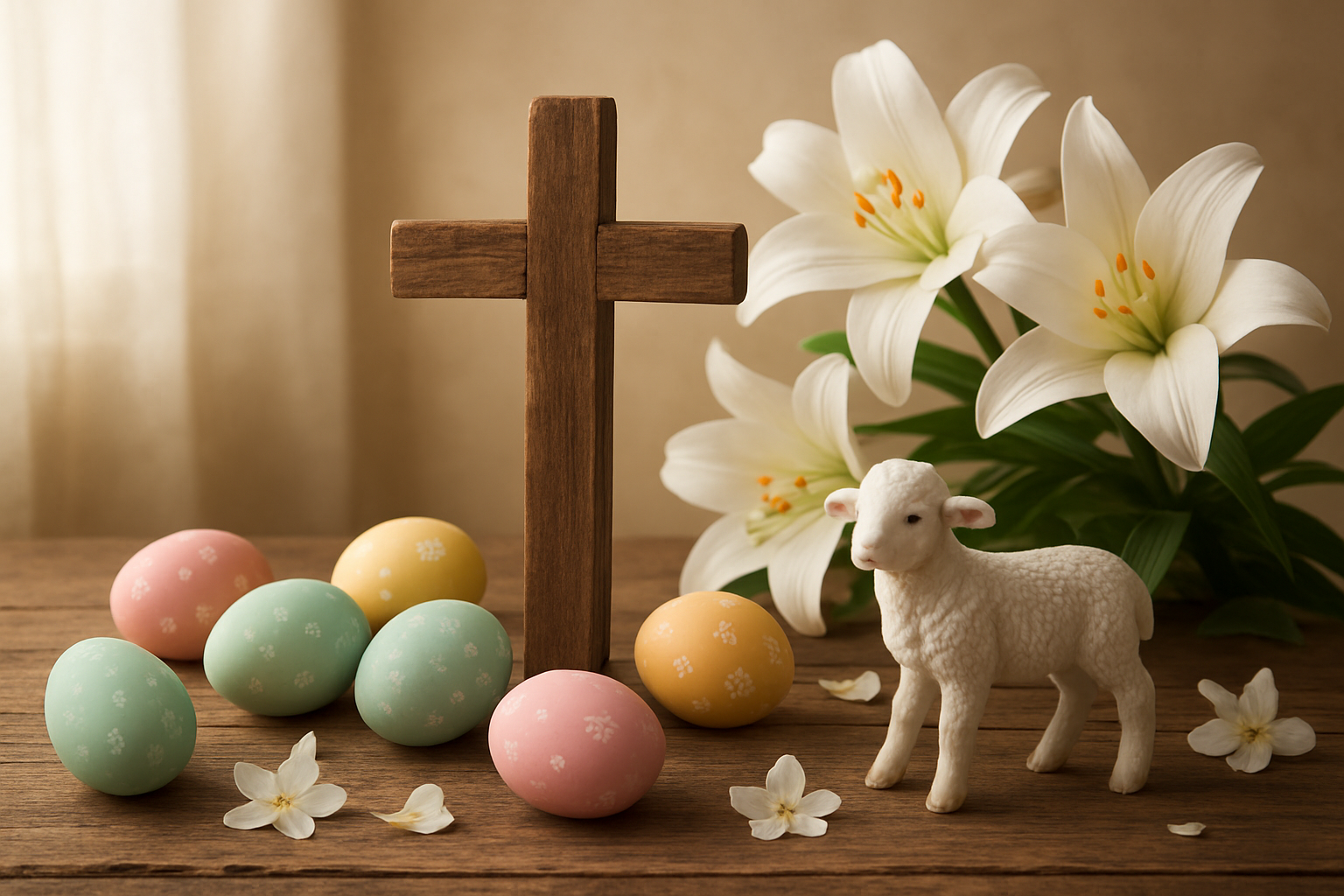
Easter symbols carry deep spiritual meaning that connects us to the heart of Christian faith. From the new life represented by Easter eggs to the resurrection power of the cross, each symbol tells part of the greatest story ever told. The pure white Easter lilies remind us of Christ's sinless nature, while the lamb points to His sacrificial love. Even the lesser-known symbols like butterflies, hot cross buns, and palm branches add layers of meaning to this sacred season.
These symbols aren't just decorations or traditions - they're powerful reminders of hope, renewal, and God's incredible love for us. As you celebrate Easter this year, take time to share these meanings with your family and friends. Let these ancient symbols deepen your understanding of what Christ accomplished and help you experience the true joy of Easter in a fresh, meaningful way.


Comments
Post a Comment