The True Meaning of Easter: Why the Resurrection Matters
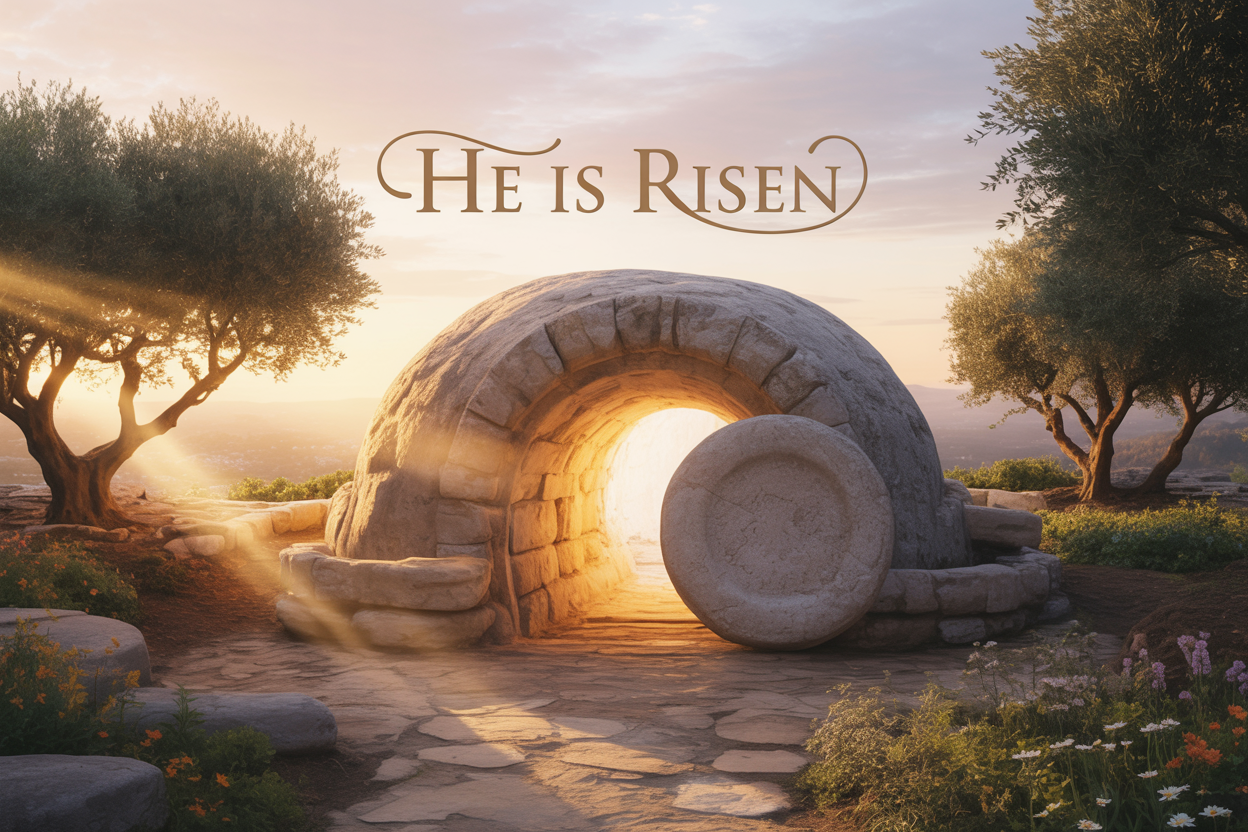
Easter is more than chocolate eggs and family dinners – it's the cornerstone of Christian faith that transforms how millions of people understand life, death, and hope. For Christians seeking to deepen their faith, skeptics curious about Christianity's central claim, and anyone wondering about Easter's true significance, the resurrection of Jesus stands as history's most debated and life-changing event.
The resurrection of Jesus isn't just an ancient story – it's a claim that demands investigation and offers profound implications for your daily life. When you understand why the resurrection matters, you discover how this single event validates everything Jesus taught about himself and provides tangible benefits that can reshape your entire worldview.
We'll explore the historical context surrounding Easter and examine the resurrection event's immediate impact on Jesus' followers. You'll discover how Christ's resurrection validates his bold claims about divinity and eternal life. Most importantly, we'll unpack the personal benefits of believing in the resurrection and show you how this truth can transform your daily perspective on everything from relationships to purpose to facing life's biggest challenges.
Understanding the Historical Context of Easter

The Jewish Passover Connection That Shaped Jesus' Final Week
The timing of Jesus' crucifixion wasn't random—it happened during Passover, the most important Jewish festival. This connection runs much deeper than simple coincidence. For centuries, Jewish families had celebrated Passover by sacrificing an unblemished lamb and spreading its blood on their doorframes, remembering how God delivered Israel from slavery in Egypt.
Jesus entered Jerusalem during Passover week when the city swelled with hundreds of thousands of pilgrims. The very lambs being prepared for Passover sacrifices created the backdrop for his final days. John the Baptist had earlier called Jesus "the Lamb of God who takes away the sin of the world," and now that prophecy was playing out during the exact season when lambs were being slaughtered for spiritual deliverance.
The Easter historical context becomes even more striking when you consider the Passover requirements: the lamb had to be perfect, without blemish, examined for four days before sacrifice. Jesus entered Jerusalem on what we now call Palm Sunday and was crucified on Friday—four days later. The religious leaders examined him through interrogations and trials, ultimately declaring they found "no fault in him," echoing the spotless lamb requirement.
Even the timing of his death—at the same hour when Passover lambs were being killed in the temple—shows how Jesus fulfilled what the Passover celebration had been pointing toward all along.
Why the Timing of Jesus' Death Was Prophetically Significant
The prophetic timing surrounding Jesus' death reveals a divine orchestration that goes beyond human planning. The prophet Daniel had predicted the exact timeframe when the Messiah would be "cut off" in his famous "70 weeks" prophecy, and Jesus' crucifixion occurred precisely within that prophetic window.
Jesus himself spoke about his "hour" throughout the Gospels, indicating that his death would happen at exactly the right moment. During Passover week, three different groups of people—Jews, Romans, and Gentiles—all played roles in his crucifixion, fulfilling Psalm 2's prophecy about nations conspiring against God's anointed one.
The resurrection significance becomes clearer when you realize Jesus died on Preparation Day (Friday) and rose on the first day of the week (Sunday). This wasn't just convenient timing—it fulfilled his repeated predictions about rising "on the third day." Jewish counting included partial days, so Friday (day one), Saturday (day two), and Sunday (day three) satisfied both Jesus' prophecies and Old Testament patterns.
The Day of Firstfruits, which fell on the Sunday after Passover, traditionally celebrated the first harvest of the season. Paul later described Jesus as "the firstfruits of those who have fallen asleep," connecting his resurrection to this agricultural festival that looked forward to a full harvest of resurrected believers.
How Roman Crucifixion Practices Confirm the Gospel Accounts
Archaeological discoveries and historical records have validated the Gospel accounts of Roman crucifixion with remarkable accuracy. The Romans designed crucifixion as the ultimate deterrent—a slow, agonizing death that served as public spectacle and warning.
Roman historians like Tacitus and Josephus documented crucifixion procedures that match Gospel descriptions perfectly. Victims typically carried the crossbeam (patibulum) to the execution site, not the entire cross. They were usually stripped naked and nailed through the wrists and feet, details that align with Gospel accounts and explain why Jesus needed help carrying his cross after being severely beaten.
Medical experts who've studied crucifixion describe the physiological effects that match Jesus' recorded words. The difficulty breathing explains his short phrases from the cross. The blood and water that flowed when the soldier pierced his side indicates cardiac rupture or separation of blood components—both consistent with the extreme physical trauma of crucifixion.
Roman guards faced death penalty for allowing prisoners to escape, which explains their fierce attention to ensuring Jesus was truly dead. The spear thrust to his side wasn't random violence but standard procedure to confirm death. The guards' certainty meant they didn't break Jesus' legs like the other victims, inadvertently fulfilling the prophecy that no bone of the Passover lamb would be broken.
These historical details don't just confirm the Gospel accounts—they underscore the brutal reality of what Jesus endured and make his resurrection even more remarkable.
The Resurrection Event and Its Immediate Impact
Empty Tomb Evidence That Convinced Skeptical Disciples
The disciples weren't expecting a resurrection. When Jesus died on the cross, they scattered in fear and disappointment. Their dreams of a political messiah who would overthrow Roman rule had crumbled. So when Mary Magdalene and other women reported finding Jesus' tomb empty, the disciples' first reaction wasn't joy—it was disbelief.
What changed their minds wasn't wishful thinking but concrete evidence. The burial cloths were still there, lying undisturbed as if Jesus' body had simply passed through them. If grave robbers had stolen the body, they wouldn't have taken time to carefully unwrap it and leave the expensive linen behind. The Roman guards, whose lives depended on preventing exactly this scenario, had fled in terror after experiencing something that left them speechless.
Peter and John's investigation of the empty tomb marked the beginning of their transformation from doubt to faith. The resurrection of Jesus wasn't a story they wanted to believe—it was a reality they couldn't deny, even when it meant facing persecution and death for proclaiming it.
Eyewitness Testimonies That Changed Lives Forever
The resurrection appearances weren't private, mystical experiences but public encounters with multiple witnesses. Jesus appeared to Mary Magdalene in the garden, to two disciples on the road to Emmaus, and to the eleven remaining apostles in a locked room. He ate fish with them, invited Thomas to touch his wounds, and spent forty days teaching them about the kingdom of God.
Perhaps most compelling was his appearance to over 500 people at once, many of whom were still alive when Paul wrote about it decades later, essentially daring skeptics to interview these witnesses themselves. These weren't hallucinations or group hysteria—Jesus cooked breakfast on the beach, held conversations, and demonstrated that his resurrection body was both physical and glorified.
The diversity of witnesses strengthens the case: men and women, believers and skeptics, individuals and groups, all testified to the same reality. Their lives were permanently altered by these encounters, transforming them from confused followers into confident witnesses of the resurrection.
The Transformation of Fearful Followers into Bold Witnesses
The psychological transformation of the disciples provides powerful evidence for the resurrection. Before Easter, they were a confused, frightened group hiding behind locked doors. Peter, who had denied knowing Jesus three times during the crucifixion, was now boldly declaring the resurrection to thousands in Jerusalem just weeks later.
This dramatic change wasn't gradual—it was immediate and radical. The same disciples who had argued about who would be greatest in Jesus' kingdom were now willing to suffer and die for proclaiming his resurrection. They endured beatings, imprisonment, and execution rather than deny what they had witnessed.
People don't die for lies they know to be false. They might die for something they believe to be true but is actually false, but they won't die for something they know they made up. The disciples' willingness to suffer persecution and martyrdom for their resurrection testimony demonstrates their absolute conviction that Jesus had risen from the dead.
Early Church Growth Despite Persecution and Opposition
The explosive growth of the early church in the very city where Jesus was crucified provides historical validation of the resurrection's immediate impact. Within months of the crucifixion, thousands of Jews in Jerusalem were converting to Christianity, despite facing social ostracism, economic hardship, and physical persecution.
This growth occurred in hostile territory, among people who had access to the facts and could have easily disproven the resurrection claims by producing Jesus' body or interviewing witnesses. Instead, even some priests and Pharisees became believers, including Saul of Tarsus, who had been actively persecuting Christians before his encounter with the risen Christ.
The church's rapid expansion throughout the Roman Empire, despite having no political power, wealth, or social advantages, demonstrates the compelling nature of the resurrection message. The Easter significance for these early Christians wasn't just theological—it was transformational, creating a movement that would eventually change the course of human history.
Why the Resurrection Validates Jesus' Claims About Himself

Fulfillment of Old Testament Prophecies About the Messiah
The resurrection of Jesus didn't happen in a vacuum – it was the grand finale of hundreds of prophecies written centuries before Christ walked the earth. When Jesus rose from the dead, he fulfilled ancient promises that many thought were impossible to achieve.
Consider Isaiah 53, written around 700 years before Jesus' birth. This passage describes a suffering servant who would be "pierced for our transgressions" and would "see his offspring and prolong his days." How can someone who dies see their descendants and live long? The resurrection answers this riddle perfectly.
Psalm 16:10 declares that God's Holy One would not see decay in the grave. King David wrote these words knowing they couldn't apply to himself – his tomb was well-known in Jerusalem. But Jesus' body never experienced corruption because he conquered death on the third day.
Even the timing was prophetic. Daniel 9:24-27 predicted the Messiah would come and be "cut off" at a specific time in history. Hosea 6:2 speaks of being raised up "on the third day." These weren't lucky guesses – they were divine blueprints that the resurrection fulfilled with stunning precision.
Proof of Jesus' Divine Nature and Authority Over Death
Death has been humanity's ultimate enemy since the beginning of time. Kings, philosophers, and heroes have all fallen to its power. Yet Jesus walked out of his tomb as if death was merely an inconvenience. This wasn't resuscitation like Lazarus experienced – this was complete victory over death itself.
During his ministry, Jesus made bold claims about his identity. He said he was one with the Father, that he existed before Abraham, and that he had the authority to forgive sins. Religious leaders called these statements blasphemous. But the resurrection validated every single claim.
Only God has power over life and death. When Jesus raised others from the dead, he did it through prayer and divine authority. But his own resurrection was different – he had the power within himself to take up his life again, just as he predicted in John 10:18.
The empty tomb stands as irrefutable evidence of Jesus' divine nature. No mere human teacher or prophet could orchestrate their own resurrection. The resurrection of Jesus proves he wasn't just speaking about God – he was and is God in human flesh.
Confirmation of His Promise of Eternal Life for Believers
Throughout his ministry, Jesus made an incredible promise: everyone who believes in him would have eternal life. Skeptics could easily dismiss such claims as wishful thinking or religious fantasy. But when Jesus himself conquered death, his promises suddenly carried unshakeable credibility.
The resurrection transforms Jesus' words from hopeful philosophy into guaranteed reality. When he said, "Because I live, you also will live" in John 14:19, he wasn't offering empty comfort – he was stating a fact backed by his own victory over the grave.
This promise extends beyond just surviving death. The resurrection of Jesus demonstrates that believers will receive new, imperishable bodies just like his. Paul explains in 1 Corinthians 15 that Christ's resurrection is the "firstfruits" – meaning his victory guarantees the same outcome for all who trust in him.
The Easter meaning becomes deeply personal here. Jesus didn't rise from the dead just to prove a point about his own power. He rose to open the door for everyone who believes to follow him through death into eternal life. His resurrection is our assurance that death is not the end of the story for those who put their faith in Christ.
The Personal Benefits of Believing in Christ's Resurrection
Freedom from the Fear of Death and Eternal Judgment
The resurrection of Jesus fundamentally changes how believers approach death and eternity. When Christ conquered death, He removed its ultimate sting for those who trust in Him. This doesn't mean death becomes painless or that grief disappears, but it loses its terror. The resurrection proves that physical death isn't the end of the story.
Scripture teaches that judgment awaits every person, but Christ's resurrection provides a way to stand before God with confidence rather than fear. Jesus absorbed the punishment for sin through His death, and His resurrection validates that the payment was accepted. Believers can face their final day knowing they're clothed in Christ's righteousness rather than their own failures.
This freedom transforms daily living. People who truly grasp resurrection hope often display remarkable courage in difficult circumstances. They make bold decisions, take calculated risks, and invest in relationships without the paralyzing fear of ultimate loss. The resurrection significance for Christians extends beyond just avoiding hell—it's about walking through life with unshakeable confidence in God's eternal plan.
Access to God's Forgiveness and Complete Life Transformation
Christ's resurrection opens the door to genuine spiritual transformation that goes beyond mere behavior modification. The resurrection demonstrates God's power to bring life from death, both spiritually and physically. This same resurrection power works in believers' lives, enabling them to overcome destructive patterns and develop Christlike character.
Forgiveness through the resurrection isn't just about having sins erased—it's about receiving a new identity. The old self dies with Christ, and the resurrection brings new life with fresh possibilities. This creates space for authentic change that isn't dependent on willpower alone.
The benefits of believing in resurrection include:
-
Complete guilt removal: Past mistakes no longer define identity
-
Power for daily choices: The Holy Spirit enables godly living
-
Broken cycle of shame: Self-condemnation gives way to acceptance
-
Renewed relationships: Forgiven people learn to forgive others
-
Purpose-driven living: Life gains meaning beyond personal success
This transformation happens gradually but genuinely. Resurrection power doesn't make people perfect instantly, but it provides the foundation for steady growth toward spiritual maturity.
Hope and Purpose That Transcends Temporary Circumstances
The resurrection creates an eternal perspective that reframes every temporary struggle. While life's difficulties remain real and often painful, they take on different meaning when viewed through resurrection hope. Current suffering becomes temporary rather than ultimate.
This hope manifests practically in several ways. Believers facing serious illness can maintain peace because they know their story doesn't end with physical death. Those experiencing financial hardship find stability in eternal security rather than temporary wealth. Relationships damaged by betrayal or loss carry healing potential because resurrection power specializes in restoration.
The true meaning of Easter extends into daily decision-making. People with resurrection hope often choose patience over revenge, generosity over greed, and service over self-promotion. They invest in eternal values—relationships, character development, and spiritual growth—rather than exclusively pursuing temporary achievements.
This doesn't mean believers become passive about earthly responsibilities. Instead, they engage with renewed purpose, knowing their efforts have eternal significance when aligned with God's kingdom purposes.
The Promise of Your Own Future Resurrection and Glorified Body
Christ's resurrection serves as the guarantee and preview of every believer's future resurrection. The Bible describes Jesus as the "firstfruits" of resurrection, meaning others will follow. This promise extends beyond spiritual survival after death to include physical resurrection in glorified bodies.
The glorified body won't be subject to current limitations:
| Current Body | Glorified Body |
|---|---|
| Subject to illness | Perfect health |
| Ages and decays | Eternal youth |
| Limited strength | Supernatural abilities |
| Affected by environment | Unhindered by physical constraints |
| Experiences pain | Free from suffering |
This future reality impacts present living. Believers can endure physical limitations knowing they're temporary. Chronic pain, disability, and aging lose their power to create despair when viewed against the backdrop of coming resurrection. The body becomes a temporary dwelling rather than the final home.
The resurrection impact on daily life includes treating the body with respect while not becoming obsessed with its temporary nature. This balance leads to healthy living without vanity, medical care without panic, and aging without despair. The guarantee of future perfection enables people to accept present imperfections with grace.
How the Resurrection Changes Your Daily Perspective

Living with Eternal Values Instead of Temporary Pursuits
The resurrection of Jesus fundamentally shifts what we consider valuable and worth pursuing in our daily lives. When you truly grasp the resurrection impact daily life, material possessions, career achievements, and social status begin to pale in comparison to eternal rewards. This doesn't mean abandoning responsibility or living carelessly – it means viewing everything through the lens of eternity.
Consider how differently you approach relationships when you understand they extend beyond this earthly life. Arguments that once seemed earth-shattering become opportunities for grace and forgiveness. Money transforms from a security blanket into a tool for blessing others. Career decisions shift from purely financial considerations to questions of how your work contributes to God's kingdom.
This eternal perspective affects your time management too. Hours spent scrolling social media might be redirected toward meaningful conversations with neighbors. Weekend plans might include serving at a local charity rather than just entertainment. Your calendar begins reflecting values that matter beyond the grave.
The true meaning of Easter becomes a daily reality when you live with one foot in eternity. Every decision carries weight because it's made in light of Christ's victory over death. This doesn't create burden – it creates freedom from the endless cycle of pursuing things that ultimately don't satisfy.
Finding Peace During Life's Most Difficult Seasons
Life throws curveballs that can shake even the strongest faith. Job loss, health scares, broken relationships, and family crises test our resolve. But the resurrection provides an anchor that holds steady when everything else feels unstable. Christ's victory over the grave means death itself has been defeated – what circumstance could possibly overpower that reality?
This peace doesn't come from denying pain or pretending difficulties don't exist. Instead, it emerges from understanding that your current struggle, no matter how overwhelming, is temporary. The same power that raised Jesus from the dead is available to you in your darkest moments. This isn't wishful thinking – it's the Easter significance Christian believers have clung to for over two thousand years.
When facing loss, the resurrection reminds you that death isn't the final chapter. When dealing with injustice, you remember that ultimate justice will prevail. When overwhelmed by circumstances beyond your control, you rest in knowing that Christ has ultimate control over even death itself.
Many believers describe experiencing supernatural peace during tragedies – a calm that makes no logical sense given their circumstances. This peace flows directly from resurrection power working in their lives. It's not about having all the answers; it's about knowing the One who holds all the answers.
Experiencing Joy That Doesn't Depend on External Circumstances
True joy differs drastically from happiness. Happiness depends on happenings – good circumstances produce good feelings. Joy, rooted in resurrection reality, exists independently of external conditions. This joy becomes a defining characteristic of those who truly understand the resurrection of Jesus and its implications.
You can experience genuine joy even during seasons of struggle because your joy isn't tied to your circumstances. It's anchored in the unchanging reality that Christ conquered death and promises eternal life to all who believe. This joy shows up in unexpected places:
-
During waiting periods – Instead of anxiety, you find anticipation knowing God works all things for good
-
Through disappointments – Rather than despair, you discover hope because your ultimate hope rests in heaven
-
In mundane moments – Ordinary tasks become opportunities to serve Christ with gladness
-
Amid uncertainty – Unknown futures become adventures because you trust the One who knows the end from the beginning
This resurrection joy transforms how others see you. Coworkers notice your consistent positive attitude regardless of workplace stress. Friends observe your stability during personal challenges. Family members witness your peace when facing difficult decisions. Your joy becomes a testimony to resurrection power without you even realizing it.
The why does resurrection matter question finds its answer in these daily transformations. Your life becomes living proof that death has been defeated and that eternal life is available to all who believe.
.png)
The resurrection of Jesus Christ stands as the cornerstone of Christian faith, transforming a tragic crucifixion into the most significant event in human history. From its historical roots to its immediate impact on the early disciples, the resurrection validates every claim Jesus made about his divine nature and mission. This miraculous event offers believers profound personal benefits - forgiveness, eternal hope, and a restored relationship with God that changes everything about how we view our purpose and destiny.
The power of Easter extends far beyond a single day of celebration. When you truly grasp what the resurrection means, it reshapes how you handle daily challenges, relationships, and setbacks. Death no longer has the final word, and hope becomes more than just wishful thinking - it becomes an unshakeable foundation. Take time this Easter season to reflect on how the resurrection can transform not just your eternal future, but your everyday present. Let the reality of Christ's victory over death breathe new life into your daily walk with him.
Comments
Post a Comment