The Significance of the Last Supper in the Easter Story
The Last Supper stands as one of the most pivotal moments in the Easter story, transforming how Christians understand Jesus' sacrifice and celebrate Easter today. This guide is written for Christians, church leaders, and anyone curious about the deeper meaning behind Easter traditions who want to grasp why this final meal holds such profound significance.
Jesus' last meal with his disciples wasn't just a farewell dinner - it was a deliberate act that redefined everything about his approaching crucifixion and what Easter means for believers. The Last Supper Easter story reveals how Jesus used familiar symbols to prepare his followers for the ultimate sacrifice and establish new traditions that continue today.
We'll explore the historical context that made this meal so meaningful to Jesus and his disciples, examining how the timing and setting added layers of significance. You'll discover the symbolic elements Jesus introduced during the meal and how these symbols directly connect to his crucifixion and resurrection. Finally, we'll look at how understanding the Last Supper's true meaning can transform modern Easter celebrations from simple traditions into deeply meaningful acts of remembrance and faith.
Understanding the Historical Context of the Last Supper
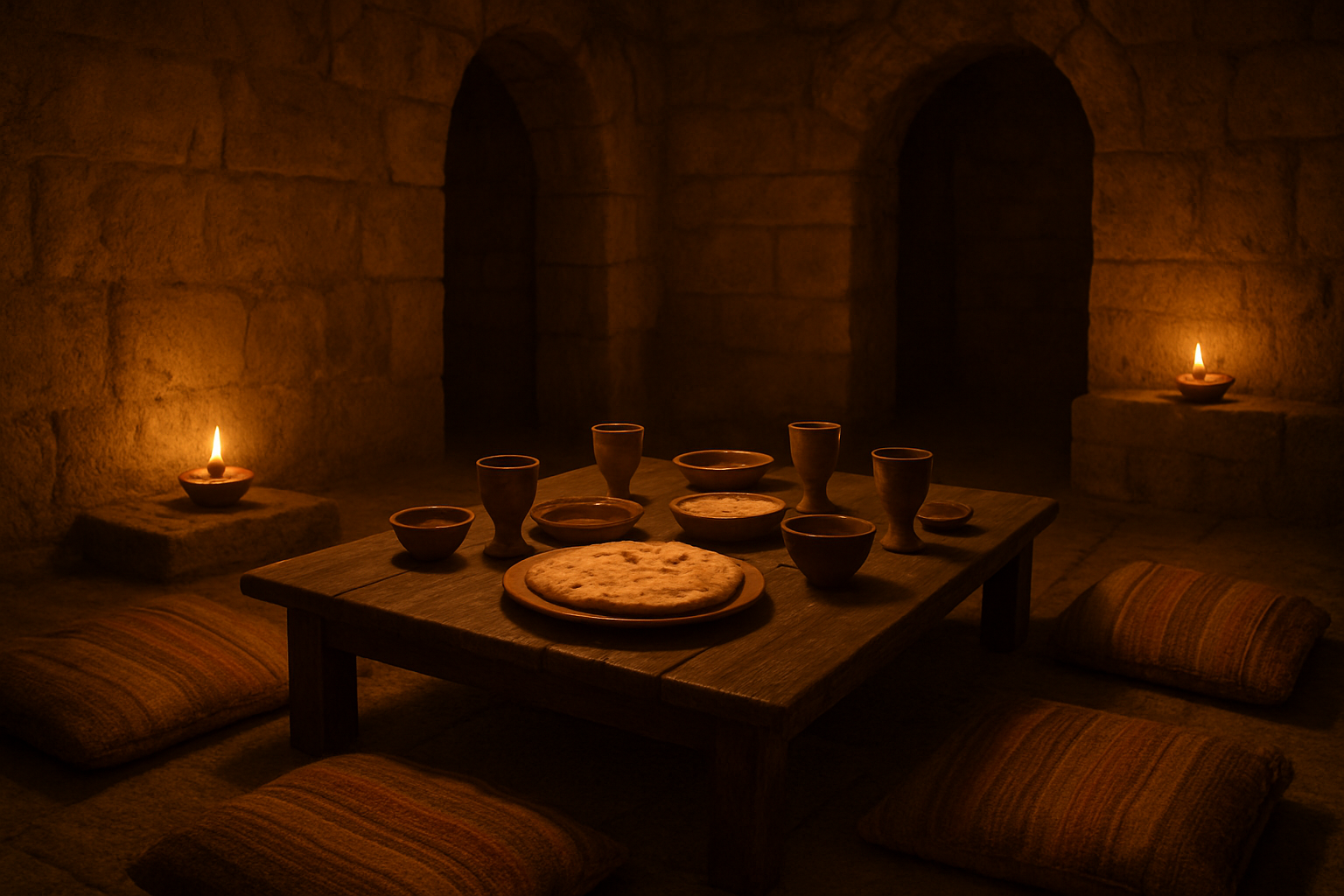
Discovering the Passover tradition and its meaning for Jewish families
The Last Supper Easter story becomes much clearer when you understand that Jesus was celebrating Passover with his disciples. This wasn't just any dinner - Passover was the most sacred celebration in Jewish life, commemorating God's rescue of the Israelites from slavery in Egypt.
Every spring, Jewish families gathered to retell the story of their ancestors' liberation. They ate specific foods with deep meaning: unleavened bread symbolized the hasty escape from Egypt, bitter herbs represented the bitterness of slavery, and lamb recalled the sacrificial blood that protected Hebrew homes from the angel of death.
The Passover meal followed a careful ritual called the Seder, where the youngest child would ask, "Why is this night different from all other nights?" The father would then recount God's mighty acts of deliverance. This wasn't just history - it was a living memory that connected every generation to their identity as God's chosen people.
When Jesus gathered his disciples for this sacred meal, they expected to follow the familiar pattern. The significance of Last Supper emerges from how Jesus transformed these ancient symbols. Instead of simply remembering past deliverance, he was announcing a new exodus - not from physical slavery, but from sin and death itself.
Exploring the political tensions in first-century Jerusalem
Jerusalem in Jesus' time was a powder keg of competing interests and simmering conflicts. The Roman Empire controlled the region through brutal efficiency, while Jewish religious leaders tried to maintain their authority and preserve their temple-centered way of life.
The political landscape looked like this:
| Group | Goals | Relationship to Rome | View of Jesus |
|---|---|---|---|
| Pharisees | Preserve Jewish law and tradition | Reluctant cooperation | Theological threat |
| Sadducees | Maintain temple power and wealth | Active collaboration | Political threat |
| Zealots | Armed resistance against Rome | Open rebellion | Potential revolutionary leader |
| Essenes | Spiritual purity and separation | Withdrawal from society | Possible prophet |
Roman soldiers patrolled the streets, especially during major festivals when thousands of pilgrims flooded into the city. The Romans knew that religious gatherings could quickly turn into political uprisings, so they stayed on high alert during Passover.
Jewish leaders walked a dangerous tightrope. They needed to keep the peace with Rome while maintaining credibility with their people. Any messianic claims or talk of a new kingdom made them nervous because it could provoke Roman crackdowns that would destroy their carefully maintained position.
This volatile atmosphere explains why Jesus' growing popularity alarmed the religious establishment. His teachings about God's kingdom and his dramatic entry into Jerusalem during Passover week looked like the perfect recipe for disaster.
Recognizing the disciples' expectations before the crucifixion
The disciples came to that final Passover meal with completely different expectations than what actually unfolded. They had witnessed Jesus' miracles, heard his teachings about God's kingdom, and seen crowds proclaim him as the Son of David. Everything pointed toward Jesus finally claiming his throne as Israel's long-awaited messiah.
Their expectations included:
-
Political liberation: They believed Jesus would overthrow Roman rule and restore Israel's independence
-
Personal prominence: They had already argued about who would sit at Jesus' right and left hands in his kingdom
-
National restoration: They expected the twelve tribes of Israel to be reunited under Jesus' rule
-
Temple renewal: They thought Jesus would cleanse and reform the religious system
Even during the Jesus Last Supper meaning became clear through his words and actions, the disciples struggled to understand. When Jesus spoke about betrayal and death, they couldn't process it. Peter's violent reaction in the Garden of Gethsemane shows how unprepared they were for anything other than victory.
The disciples' confusion helps explain their later transformation. The resurrection didn't just prove Jesus was alive - it completely redefined their understanding of what God's kingdom looked like. Instead of political power, they discovered spiritual authority. Instead of earthly glory, they found eternal significance. The Last Supper symbolism that seemed so puzzling that night finally made perfect sense in light of the cross and empty tomb.
Examining the Symbolic Elements Jesus Introduced

Breaking Bread as Representation of His Broken Body
When Jesus took the bread during the Last Supper, He transformed an ordinary meal into something deeply profound. The act of breaking bread wasn't just about sharing food—it became a vivid picture of what would happen to His physical body on the cross. As He tore the bread apart, Jesus was showing His disciples the reality of His upcoming crucifixion in terms they could understand and remember.
The broken bread symbolism runs deeper than just physical suffering. In Jewish culture, bread represented sustenance and life itself. By connecting His broken body to this essential element of daily life, Jesus was revealing that His sacrifice would become the spiritual nourishment for all who believe. This powerful image helped the disciples grasp that His death wouldn't be meaningless suffering, but rather the source of eternal life.
Sharing Wine as Symbol of His Shed Blood
The wine Jesus shared during the Last Supper carried equally powerful significance in the Easter story. When He passed the cup and declared it represented His blood, He was drawing connections to the Old Testament sacrificial system that His Jewish disciples would immediately recognize. Blood had always been central to covenant-making and atonement in their religious tradition.
The red wine created a visual representation that would stick in their memories long after that night. Unlike the abstract concept of divine sacrifice, the wine made the reality tangible. Jesus knew His disciples would need this concrete symbol to help them process the traumatic events that would unfold during His crucifixion. The shared cup also emphasized unity—they were all partaking in the same covenant relationship He was establishing through His sacrifice.
Washing Feet as Demonstration of Servant Leadership
The foot washing episode during the Last Supper revealed another crucial element of Jesus' character and mission. In a culture where washing feet was reserved for the lowest servants, Jesus shocked His disciples by taking on this humble role. This act demonstrated that His approach to leadership was completely different from worldly power structures.
Peter's initial resistance to having his feet washed reflects how countercultural this behavior was. The disciples expected their teacher to maintain his position of honor, but Jesus used this moment to show them what true greatness looks like. This servant leadership model became a cornerstone of Christian discipleship, showing that following Jesus means embracing humility and service to others.
Establishing the New Covenant Through These Actions
Through these symbolic elements, Jesus was establishing a new covenant that would replace the old sacrificial system. The Last Supper symbolism created a bridge between the Jewish Passover tradition and the new reality He was about to usher in through His death and resurrection. Each element—the bread, wine, and foot washing—worked together to communicate the comprehensive nature of this new agreement between God and humanity.
This new covenant wasn't just about forgiveness of sins, but about a completely transformed relationship with God. The intimate setting of the meal emphasized the personal nature of this covenant, while the symbolic elements provided lasting reminders of what Jesus accomplished through His sacrifice on the cross.
Connecting the Last Supper to Jesus' Sacrificial Death
Fulfilling Old Testament prophecies about the Messiah
The Last Supper represents the culmination of centuries of prophetic promises about the coming Messiah. Jesus deliberately chose this moment to reveal how His life fulfilled specific Old Testament prophecies. When He took the bread and wine, He wasn't just sharing a meal—He was announcing that He was the promised sacrifice Isaiah wrote about in chapter 53.
The prophet Isaiah described a suffering servant who would "bear the sins of many" and be "pierced for our transgressions." Jesus' words about His body being "broken for you" and His blood being "poured out for many" directly echoed these ancient promises. The timing wasn't coincidental; Jesus wanted His disciples to understand that His approaching death wasn't a tragic accident but the planned fulfillment of God's redemptive promise.
Daniel's prophecy about the Messiah being "cut off" after 483 years also found its completion in this moment. The Last Supper Easter story becomes even more significant when we realize Jesus was consciously stepping into His role as the long-awaited Messiah, not the conquering king many expected, but the suffering servant who would die for humanity's sins.
Replacing temple sacrifices with His ultimate sacrifice
The sacrificial system that had governed Jewish worship for over a thousand years was about to change forever. Every day, priests offered countless animal sacrifices in the temple—lambs for sin offerings, bulls for atonement, doves for purification. These sacrifices were necessary but temporary, requiring constant repetition because they could never fully remove sin.
Jesus transformed this entire system during the Last Supper by declaring Himself the final sacrifice. His blood wouldn't just cover sins temporarily like animal blood did—it would remove them completely. The significance of Last Supper becomes clear when we understand that Jesus was announcing the end of the old covenant and the beginning of a new one.
The disciples didn't fully grasp this revolutionary change at the time, but they would soon witness the temple curtain tearing in two when Jesus died. This dramatic moment symbolized that the barrier between God and humanity had been removed forever. No more animal sacrifices would be needed because the perfect sacrifice had been offered once and for all.
Creating the bridge between Passover lamb and Lamb of God
The connection between the Passover lamb and Jesus as the "Lamb of God" reaches its climax during the Last Supper. For over 1,400 years, Jewish families had gathered annually to remember how the blood of a perfect lamb saved their ancestors from death in Egypt. The lamb had to be spotless, without blemish, and its blood had to be applied to protect the household.
Jesus revealed Himself as the ultimate Passover lamb during this sacred meal. John the Baptist had earlier called Him "the Lamb of God who takes away the sin of the world," but now Jesus was making this identity crystal clear. Just as the original Passover lamb's blood protected God's people from physical death, Jesus' blood would protect all believers from spiritual death.
The Jesus crucifixion connection becomes undeniable when we consider the timing. Jesus was crucified during Passover week, at the exact time when thousands of Passover lambs were being slaughtered in the temple. He wasn't just participating in Passover—He was becoming the reality that every Passover celebration had pointed toward throughout history.
| Passover Lamb | Jesus as the Lamb |
|---|---|
| Had to be perfect and spotless | Lived a sinless life |
| Blood protected from death | Blood saves from eternal death |
| Sacrificed annually | Sacrificed once for all time |
| Saved one household | Saves all who believe |
Revealing How the Last Supper Transforms Easter's Meaning
Showing Easter as completion of what began at the table
The Last Supper Easter story reveals a beautiful narrative arc that connects Jesus' final meal with his disciples to the ultimate victory of resurrection morning. What Jesus initiated around that table in the upper room wasn't just a ceremonial dinner - it was the opening act of humanity's redemption story. When Jesus broke bread and poured wine, declaring them symbols of his body and blood, he was essentially announcing the beginning of his sacrificial mission.
The Easter celebration gains profound depth when we understand it as the triumphant conclusion to what started during the Last Supper. Jesus didn't randomly choose bread and wine as symbols; he selected elements that would carry his followers through the darkest hours ahead. The significance of Last Supper becomes clear when we see how every element Jesus introduced that night found its fulfillment in his death and resurrection.
The broken bread represented his body that would be broken on the cross, while the poured wine symbolized his blood that would be shed for forgiveness. Easter morning validated every promise Jesus made during that sacred meal, proving that his words carried divine authority and his sacrifice achieved its intended purpose.
Understanding resurrection as validation of the covenant
The resurrection serves as God's stamp of approval on the new covenant Jesus established during the Last Supper. When Jesus told his disciples that his blood would seal a new covenant between God and humanity, they likely struggled to grasp the magnitude of what he was saying. The resurrection three days later became the divine signature confirming that this covenant was authentic and eternally binding.
Jesus Last Supper meaning becomes even more powerful when we recognize that his resurrection didn't just prove he was who he claimed to be - it validated every promise he made during that final meal. The new covenant he spoke about wasn't just wishful thinking or metaphorical language; it was a literal agreement backed by God's power over death itself.
This validation transforms how we understand both the Last Supper and Easter. The meal wasn't just a farewell dinner, and Easter isn't just a celebration of life conquering death. Together, they represent the establishment and confirmation of humanity's restored relationship with God. The resurrection proves that the covenant meal Jesus shared with his disciples extends to every believer throughout history.
Recognizing communion as ongoing celebration of victory
Modern communion services carry the DNA of both the Last Supper and Easter victory. Every time believers gather to share bread and wine, they're not just remembering a historical event - they're celebrating an ongoing triumph. The Holy Week Last Supper established the pattern, but Easter gave it eternal significance that continues to unfold in every communion service.
The bread and wine that once symbolized coming sacrifice now represent accomplished victory. What Jesus presented as future reality during the Last Supper, communion celebrates as present truth. The body that was broken has been raised, and the blood that was shed has purchased eternal redemption. Each communion service becomes a mini-Easter celebration, proclaiming that death has been defeated and new life is available.
This ongoing celebration connects modern believers directly to both the upper room and the empty tomb. When we participate in communion, we're not just observers of ancient events - we're active participants in the victory those events secured. The Last Supper symbolism continues to speak, but now it speaks of completed redemption rather than coming sacrifice.
Connecting personal salvation to the shared meal
The Last Supper creates an intimate bridge between Jesus's sacrifice and individual salvation. When Jesus said, "This is my body broken for you," he wasn't speaking to humanity in general - he was addressing specific people sitting around that table. This personal dimension of the Last Supper transforms how we understand Easter's impact on individual lives.
Personal salvation isn't an abstract theological concept but a direct result of what Jesus initiated during that shared meal. The "you" in Jesus's words encompasses every person who accepts his invitation to spiritual nourishment. The Easter Jesus sacrifice becomes personally meaningful when we understand that the same love Jesus expressed to his disciples around that table extends to us individually.
The shared meal aspect emphasizes that salvation, while personal, isn't private. Just as the disciples experienced Jesus's love together around one table, modern believers share in his victory as part of a larger community. Easter celebration traditions often include communal meals because they echo this original pattern of shared grace and collective joy.
Experiencing hope through remembrance of His promises
The promises Jesus made during the Last Supper provide enduring hope that extends far beyond Easter Sunday. When he told his disciples he would drink wine with them again in his Father's kingdom, he was offering them something to hold onto during the dark hours that lay ahead. These promises continue to anchor believers today, especially during difficult seasons.
Remembrance becomes a source of hope because it connects present struggles to future victory. The Christian Easter meaning deepens when we realize that the same Jesus who kept his promise to rise from the dead will keep every other promise he made. The Last Supper modern application includes learning to find hope through remembering God's faithfulness in the past.
Every communion service reinforces these promises, creating what might be called "hope through remembrance." Believers don't just remember what Jesus did; they remember what he promised to do. The bread and wine become tangible reminders that the God who conquered death can handle whatever challenges his people face. This hope transforms Easter from an annual celebration into a daily source of strength and encouragement.
Applying Last Supper Lessons to Modern Easter Celebrations
Making communion more meaningful in contemporary worship
Communion often becomes routine in modern church services, but the Last Supper's profound meaning can breathe new life into this sacred practice. When we remember Jesus breaking bread with his disciples on that pivotal night, we see beyond the ritual to the relationship. The Last Supper Easter story reveals Jesus sharing not just food, but his heart, his fears, and his unwavering love.
Churches can transform communion by encouraging reflection on the Last Supper's intimate setting. Small group communion services mirror the original gathering of twelve, creating space for deeper connection and contemplation. Some congregations now include foot washing, following Jesus' example of humble service to his disciples. This practice helps participants grasp the full scope of what happened in that upper room.
Preparing hearts before communion makes the difference. When people understand they're participating in the same act Jesus shared with his closest friends hours before his crucifixion, the bread and wine become windows into divine love rather than mere symbols.
Understanding Easter beyond cultural traditions
Easter has become wrapped in cultural traditions that often overshadow the Jesus Last Supper meaning and its connection to resurrection Sunday. Egg hunts and bunny decorations have their place, but the Last Supper reminds us that Easter's true power lies in sacrifice and redemption.
The Last Supper shows Easter isn't about spring renewal or family gatherings - though these can be wonderful. Easter celebrates the moment when Jesus willingly walked toward the cross, knowing the pain ahead. That Thursday night meal reveals the depth of divine love that makes resurrection Sunday possible.
Modern families can weave Last Supper elements into Easter celebrations by sharing meaningful meals where stories of Jesus' sacrifice take center stage. Some families recreate elements of the Passover meal Jesus shared with his disciples, helping children connect Easter's joy with the gravity of Jesus' sacrifice.
Easter celebration traditions gain deeper meaning when rooted in the Last Supper's themes of sacrificial love, community, and hope. The anticipation Jesus felt that night - knowing both the cross and the empty tomb lay ahead - gives Easter its profound emotional depth.
Embracing the community aspect of faith
The Last Supper wasn't a solitary moment of preparation; Jesus chose to spend his final hours with his community of disciples. This choice reveals something essential about faith - it's meant to be shared. Modern believers often struggle with individualistic spirituality, but the Last Supper calls us back to communal faith.
Jesus could have spent that night in prayer alone, yet he gathered his disciples for a meal. Even knowing one would betray him and others would abandon him, he chose community. This teaches us that faith flourishes in relationship with others, messy as those relationships might be.
Contemporary churches are rediscovering small group ministry, Bible studies in homes, and intentional Christian community. These mirror the intimate setting of the Last Supper, where real conversation, genuine struggle, and authentic faith intersect. Holy Week Last Supper observances often bring congregations together for shared meals and reflection, recreating that sense of sacred community.
Faith communities that embrace the Last Supper's model create space for vulnerability, service, and mutual support. Just as Jesus washed his disciples' feet, modern believers find ways to serve one another practically and spiritually.
Living out servant leadership in daily relationships
Jesus transformed leadership forever when he took a basin and towel to wash his disciples' feet during the Last Supper. This shocking act of service shows leaders how to lead - not from positions of power, but through humble service. The Last Supper modern application includes revolutionizing how we approach leadership in families, workplaces, and communities.
Servant leadership means putting others' needs first, just as Jesus demonstrated. Parents practice this when they prioritize their children's growth over their own convenience. Managers embody servant leadership when they develop their team members rather than just pursuing results. Church leaders follow Jesus' example when they serve their congregations rather than seeking recognition.
The Last Supper reveals that true greatness comes through service, not dominance. Jesus, knowing he would soon return to the Father, chose to spend precious time serving others. This challenges every believer to examine their motivations and methods in relationships.
Last Supper symbolism includes the powerful image of the master becoming the servant. Modern believers can live this out by looking for opportunities to serve rather than be served, to lift others up rather than promote themselves, and to love sacrificially even when it costs them something.
Daily relationships become opportunities to practice the servant leadership Jesus demonstrated. Whether in marriages, friendships, or professional settings, the Last Supper model calls believers to lead through love, service, and humility rather than authority or manipulation.
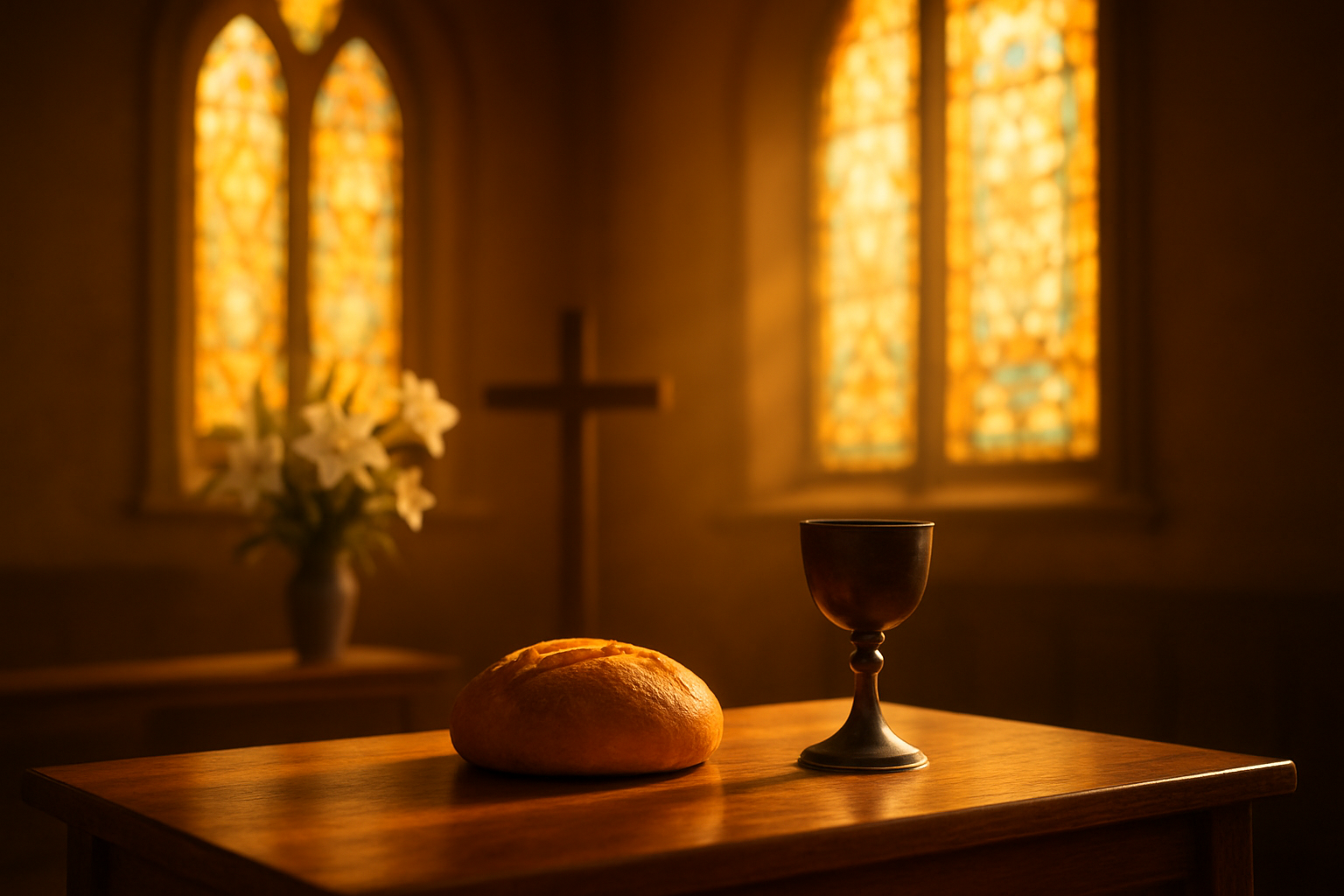
The Last Supper stands as the cornerstone moment that gives Easter its profound meaning. Jesus transformed a simple Passover meal into something revolutionary - introducing the bread and wine as symbols of his body and blood, forever linking his approaching sacrifice to this sacred gathering. This wasn't just another dinner; it was Jesus preparing his disciples for the greatest act of love in history, setting the stage for the crucifixion and resurrection that would follow.
When we celebrate Easter today, we're not just remembering an empty tomb - we're celebrating the complete story that began around that table. The Last Supper reminds us that Jesus' death wasn't sudden or unexpected; it was a deliberate act of love he willingly embraced. Take time this Easter to reflect on both the sacrifice and the intimacy of that final meal. Let it transform how you approach communion, how you gather with loved ones, and how you understand the depth of what Christ accomplished for us all.


Comments
Post a Comment