Jesus' Prayer in the Garden of Gethsemane
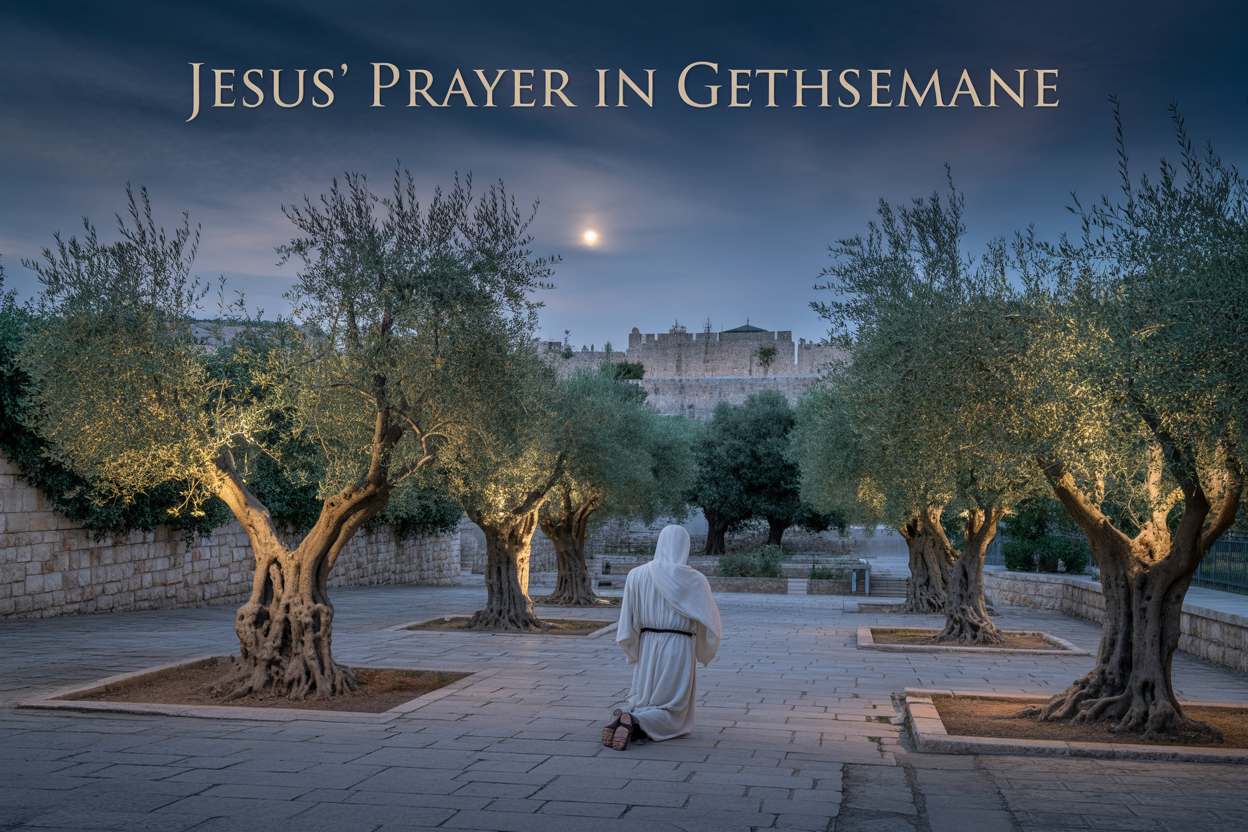
Jesus' final hours before the crucifixion reveal one of the most powerful prayer moments in human history. In the Garden of Gethsemane, we see Christ in his most vulnerable state—wrestling with fear, anguish, and the weight of what lay ahead. This pivotal scene offers profound insights for anyone seeking to understand prayer in difficult times and the beautiful tension between Jesus' human nature and divine purpose.
This exploration is perfect for Christians wanting to deepen their prayer life, Bible study groups examining Christ's suffering before crucifixion, and anyone curious about how Jesus handled his darkest moments. You'll discover what the Gethsemane prayer meaning reveals about authentic conversation with God and how Jesus' emotional struggle can strengthen your own faith during trials.
We'll walk through the actual words Jesus spoke in his Gethsemane prayer, unpack the raw emotions he experienced as both fully human and fully divine, and extract practical biblical prayer lessons you can apply when facing your own overwhelming circumstances.
Setting the Scene: Understanding the Garden of Gethsemane

Historical Significance of the Location
The Garden of Gethsemane sits at the foot of the Mount of Olives, just across the Kidron Valley from Jerusalem's temple walls. This olive grove held deep meaning for Jesus and his disciples - it was their regular retreat spot whenever they visited the holy city. The name "Gethsemane" comes from an Aramaic word meaning "oil press," pointing to the olive oil production that took place there.
Walking through this garden wasn't just a casual stroll for Jesus. Jewish tradition held that the Messiah would appear on the Mount of Olives, and the prophet Zechariah had written about God's feet standing on this very mountain in the last days. Every step Jesus took here carried prophetic weight.
The location also provided a stark contrast to the bustling Passover crowds in Jerusalem. While thousands of pilgrims packed the city for the festival, this quiet grove offered solitude and space for intimate prayer. Ancient olive trees, some possibly dating back to Jesus' time, created natural prayer alcoves where someone could pour out their heart to God without interruption.
Archaeological evidence suggests wealthy Jerusalem residents maintained private gardens in this area. The fact that Jesus and his disciples had regular access indicates they likely had permission from a supporter or benefactor, showing how Jesus' ministry had touched people from various social levels.
Jesus' Emotional and Spiritual State Before Prayer
Matthew's Gospel captures Jesus' emotional turmoil with striking honesty: he began to be "sorrowful and deeply distressed." The Greek words used here paint a picture of overwhelming anguish - the kind of grief that physically weighs on someone's chest and makes breathing difficult.
Jesus wasn't putting on a brave face or maintaining divine composure. Mark describes him as being "greatly amazed" - a word that suggests shock and bewilderment. This wasn't the calm, collected teacher his disciples were used to seeing. Something had shifted dramatically in Jesus' inner world as the reality of the cross drew near.
The timing intensifies this emotional state. Jesus had just finished the Last Supper, where he spoke about betrayal and his impending death. He had washed his disciples' feet, shared intimate final words, and now faced the stark reality that his earthly ministry was ending. The human side of Jesus was wrestling with what lay ahead - not just physical death, but bearing the weight of humanity's sin.
His prayer reveals the depth of his struggle: "My soul is exceedingly sorrowful, even to death." This wasn't mild anxiety or nervousness about difficult circumstances. Jesus was experiencing what we might recognize today as overwhelming dread, the kind that makes someone feel like they might not survive the emotional intensity itself.
The Disciples' Presence and Their Role
Jesus deliberately brought Peter, James, and John deeper into the garden with him - the same three who had witnessed his transfiguration on the mountain. This choice wasn't random. These men had seen his glory revealed, and now they would witness his humanity in its rawest form. The full picture of who Jesus was required seeing both his divine majesty and his human vulnerability.
Their role was supposed to be simple yet crucial: stay awake and pray. Jesus asked them to "watch and pray" while he went a little further to wrestle with God alone. He needed their spiritual support, their intercession, their alert presence during his darkest hour. Even the Son of God valued having prayer partners during intense spiritual battles.
But the disciples fell asleep - not once, but repeatedly. Their failure wasn't just physical tiredness after a long Passover meal. Luke mentions they were sleeping "from sorrow," suggesting emotional exhaustion from the evening's heavy revelations about betrayal and death. They couldn't process what was happening, so their minds shut down.
Their sleep created a profound isolation for Jesus during his most vulnerable moment. The very people he had invested three years of ministry in, who had promised to follow him anywhere, couldn't stay awake for one hour. This abandonment foreshadowed the deeper abandonment he would experience on the cross.
Yet their presence, even sleeping, mattered. Jesus kept returning to check on them, showing his continued care even in his own anguish. Their failure to watch and pray also fulfilled his earlier prediction that they would all fall away, demonstrating that even in his suffering, God's plans were unfolding exactly as foretold.
The Content of Jesus' Prayer: What He Actually Said
His plea to the Father about the cup
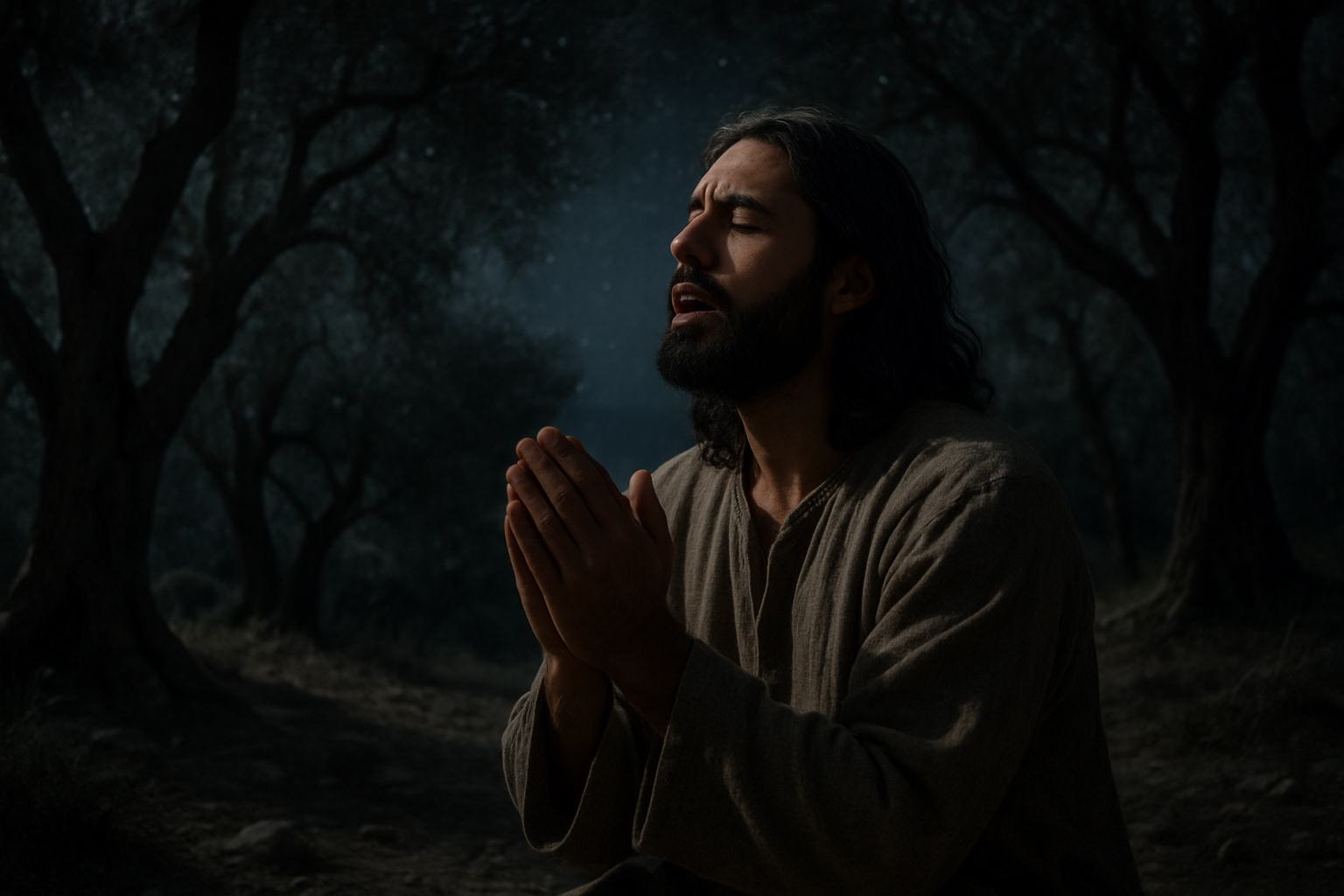
The Gethsemane prayer begins with one of the most vulnerable moments recorded in Scripture. Jesus addressed God as "Abba, Father," using the intimate Aramaic term that small children used for their fathers. This wasn't formal religious language—it was deeply personal.
"Father, if you are willing, take this cup from me," Jesus prayed. The "cup" he referenced wasn't about physical death alone. In biblical imagery, the cup often symbolized God's wrath against sin. Jesus was asking his Father if there might be another way to accomplish humanity's redemption without bearing the full weight of divine judgment.
This plea reveals the genuine horror Jesus felt about what lay ahead. He wasn't just facing crucifixion—brutal as that was—but spiritual separation from the Father as he carried the sins of the world. The request shows Jesus' complete honesty with God about his human emotions and desires.
The submission prayer "Not my will, but yours"
After expressing his honest desire to avoid the cross, Jesus immediately followed with words that define perfect surrender: "Yet not my will, but yours be done." This wasn't reluctant compliance but willing submission born from trust in the Father's perfect plan.
The phrase demonstrates the tension between Jesus' human nature, which naturally recoiled from suffering, and his divine purpose. He didn't suppress his human feelings but chose to align his will with the Father's despite them. This submission prayer became the turning point where Jesus fully embraced his mission.
These words echo throughout Christian prayer life today, showing believers how to bring honest requests to God while ultimately trusting his wisdom and timing.
The intensity and repetition of His requests
Luke's Gospel tells us that Jesus' anguish was so intense that "his sweat was like drops of blood falling to the ground." Medical experts recognize this as a real condition called hematidrosis, which occurs under extreme stress.
Matthew records that Jesus prayed three separate times, using similar words each time. This wasn't mindless repetition but persistent wrestling in prayer during his darkest hour. The repetition shows the depth of his struggle and his need to continually recommit to the Father's will.
Between each prayer session, Jesus returned to find his disciples sleeping, adding isolation to his inner turmoil. Yet he kept returning to prayer, demonstrating that prayer in difficult times often requires persistence rather than single, eloquent requests. His repeated prayers show us that bringing the same concern to God multiple times isn't a sign of weak faith but of genuine human need for divine strength.
The Human Side of Jesus: Emotions and Struggles Revealed
His Expressed Anguish and Distress
The Gospel accounts reveal Jesus using remarkably intense language to describe His inner state in Gethsemane. Matthew records Him saying, "My soul is overwhelmed with sorrow to the point of death" (Matthew 26:38). The Greek word translated as "overwhelmed" carries the meaning of being completely surrounded or encompassed by grief. This wasn't casual sadness—Jesus was describing a soul-crushing weight of sorrow that threatened His very existence.
Mark's Gospel adds another dimension, noting that Jesus began to be "deeply distressed and troubled" (Mark 14:33). The original language suggests a sense of shock and horror, as if Jesus was confronting something almost unbearable. These weren't the words of someone maintaining stoic composure, but of a person experiencing genuine emotional and spiritual crisis.
Physical Manifestations of His Spiritual Battle
Jesus emotions in Gethsemane extended beyond mental anguish into physical symptoms that demonstrate the intensity of His struggle. Luke, the physician, provides the most detailed medical observation: "His sweat was like drops of blood falling to the ground" (Luke 22:44). This condition, known medically as hematidrosis, occurs during extreme psychological stress when tiny blood vessels burst near sweat glands.
The physical evidence tells us that Jesus wasn't merely contemplating difficulty—He was experiencing a full-body response to overwhelming stress. His divine strength in trials didn't eliminate human suffering but worked through it. The trembling, the prostrate position, the repeated prayers all point to someone wrestling with genuine human limitations while facing an impossible situation.
The Reality of His Temptation to Avoid Suffering
Christ suffering before crucifixion included a real temptation to find another way. His prayer "if it is possible, may this cup be taken from me" (Matthew 26:39) wasn't theatrical—it represented genuine human desire to avoid pain and death. The repetition of this request three times shows this wasn't a fleeting thought but a persistent struggle.
Jesus faced what every human faces: the natural instinct for self-preservation. The "cup" He referenced wasn't just physical death but the spiritual weight of bearing humanity's sin. His request reveals that obedience to God's will sometimes conflicts directly with our human desires and instincts, even for the Son of God.
How His Humanity Connects with Our Struggles
This Gethsemane biblical analysis reveals profound connection points between Jesus' experience and our own difficult moments. When we face overwhelming circumstances, we can know that Jesus understands the weight of anguish that threatens to crush us. His experience validates our struggles rather than minimizing them.
Jesus prayer Garden of Gethsemane demonstrates that honest prayer includes bringing our fears, our desires to escape, and our emotional turmoil directly to God. The Gethsemane prayer meaning extends beyond submission to include authentic human expression of struggle. Jesus didn't hide His humanity behind His divinity—He embraced both fully.
His example shows us that prayer in difficult times can include desperate pleas, physical distress, and the honest admission that we don't want to face what's ahead of us. What matters isn't the absence of struggle but our willingness to ultimately surrender to God's purposes, even when they lead through valleys we'd rather avoid.
Divine Strength in the Darkest Hour
The Angel Sent to Strengthen Him
The Gospel of Luke records a remarkable detail that sets the Gethsemane prayer apart from any ordinary moment of human struggle. When Jesus' anguish and surrender reached its peak, "an angel from heaven appeared to him and strengthened him" (Luke 22:43). This supernatural intervention reveals something profound about Christ's humanity and God's provision during the darkest hours.
The presence of this angel wasn't accidental or symbolic—it was a divine response to genuine need. Even as the Son of God, Jesus required supernatural strength for what lay ahead. The angel didn't remove the suffering or change the circumstances, but provided the spiritual fortitude necessary to endure. This divine strength in trials demonstrates that God doesn't always eliminate our difficulties but often sustains us through them.
The Greek word used here for "strengthened" suggests more than emotional comfort—it implies being made powerful or robust. The angel's ministry equipped Jesus with the supernatural endurance needed for the crucifixion. This heavenly assistance validates that the struggle was real and that divine resources are available in our most desperate moments.
His Choice to Embrace the Father's Will
After receiving divine strengthening, we witness the pivotal moment of Christ's surrender. His prayer in difficult times culminates in complete submission: "Yet not my will, but yours be done" (Luke 22:42). This wasn't passive resignation but an active choice to align with the Father's redemptive plan.
The transformation from "if possible, let this cup pass from me" to complete acceptance reveals the nature of true surrender. Jesus didn't pretend the cross wasn't horrific or deny His human desire to avoid suffering. Instead, He chose obedience despite His natural inclinations. This Gethsemane prayer meaning extends far beyond personal preference—it represents the ultimate act of trust in God's wisdom and love.
His choice demonstrates that surrender doesn't mean suppressing honest emotions or pretending difficulties don't exist. Rather, it means choosing God's will after wrestling with our own desires. The Christ suffering before crucifixion began not with physical torture but with this internal battle between human will and divine purpose.
The Transformation from Anguish to Resolve
The change in Jesus between His initial distress and His arrest reveals the power of surrendered prayer. Luke describes Him as being "in anguish" and sweating drops like blood—indicators of extreme psychological and physical stress. Yet when Judas arrived with the armed crowd, we see a completely different person.
Gone was the emotional turmoil. Jesus stood with calm authority, asking "Who is it you want?" When they answered "Jesus of Nazareth," He replied with divine confidence: "I am he." This wasn't bravado but genuine peace that comes from settled resolve. The Jesus human nature that wrestled with suffering had been transformed through prayer into unwavering determination.
This transformation didn't happen through gritting His teeth or summoning willpower. It came through honest communication with the Father, divine strengthening, and conscious surrender. The same Jesus who fell on His face in agony now walked forward to meet His captors with dignity and purpose.
The biblical prayer lessons here are unmistakable: authentic prayer acknowledges our struggles while seeking God's strength, and true surrender often follows intense wrestling rather than preceding it. Jesus emerged from Gethsemane not because the cross became easier, but because His will had been fully aligned with the Father's redemptive plan.
Lessons for Your Own Prayer Life
How to pray when facing overwhelming challenges
When life hits you with problems that feel too big to handle, Jesus' prayer in the Garden of Gethsemane gives you a perfect blueprint. Start by being completely honest about your fears. Jesus didn't pretend everything was fine—he acknowledged his distress and spoke directly about what scared him most. Your prayers don't need to sound polite or put-together when you're drowning in worry.
Bring your worst-case scenarios straight to God. Jesus said "let this cup pass from me" because he knew exactly what was coming. You can do the same. Tell God about the job you might lose, the relationship that's falling apart, or the diagnosis you're dreading. Raw honesty opens the door to real help.
Don't pray alone if you can help it. Jesus brought his closest friends for support, even though they ultimately fell short. Find people who will sit with you in prayer, even when they don't have answers. Sometimes just knowing someone else is awake and caring makes the unbearable feel manageable.
The power of honest communication with God
God already knows what you're thinking, so hiding your real feelings doesn't protect anyone. Jesus' anguish in Gethsemane shows that authentic emotion strengthens rather than weakens your connection with the Father. When you're angry, confused, or terrified, those feelings belong in your prayers just as much as gratitude and praise.
Stop editing yourself before you pray. The Psalms are full of complaints, questions, and even accusations directed at God. David regularly told God exactly how unfair life felt and how disappointed he was with divine timing. Your relationship with God grows deeper when you share your actual thoughts instead of what you think you should be thinking.
Biblical prayer lessons from Gethsemane reveal that struggle and surrender can coexist. You don't have to resolve your emotions before bringing them to God. Jesus felt overwhelming dread and perfect trust simultaneously. Your prayers can hold contradictions too—fear and faith, anger and love, doubt and hope all mixed together.
Finding strength through submission to God's will
Submission doesn't mean giving up or becoming passive. Jesus' "not my will, but yours" came after intense wrestling with the situation. He didn't skip the struggle and jump straight to acceptance. Real surrender happens after you've fully felt the weight of what you're facing and still choose to trust God's plan.
Start small when practicing submission. You don't have to surrender your biggest fears all at once. Begin with daily frustrations—traffic, difficult coworkers, unexpected expenses. Practice saying "your will be done" about smaller things until it becomes natural for larger crises.
Remember that God's will isn't always suffering. Sometimes we assume that if something is hard, it must be God's plan, but that's not necessarily true. Jesus' prayer in difficult times shows us to ask for relief while staying open to whatever answer comes. Submission means trusting God's wisdom, not expecting the worst outcome.
The importance of persistent prayer in crisis
Jesus prayed three separate times in Gethsemane, returning again and again with the same request. This wasn't because God didn't hear him the first time—it was because crisis requires ongoing conversation with heaven. Don't feel like you're bothering God by bringing up the same concerns repeatedly.
Prayer in crisis looks different from regular prayer. You might find yourself praying constantly throughout the day, having the same conversation with God over and over. This isn't a sign of weak faith; it's how you process overwhelming situations with divine help.
Set up prayer rhythms during your hardest seasons. Jesus had specific times and places where he met with the Father. Create your own pattern—morning coffee with God, lunchtime check-ins, evening surrender prayers. Structure helps when your emotions are chaotic.
Drawing comfort from Jesus' example in your struggles
Jesus experienced divine strength in trials, but not in the way you might expect. He didn't suddenly feel brave or stop sweating blood. His strength came through the struggle, not instead of it. God's power often shows up as endurance rather than easy fixes.
Take comfort knowing that your Savior understands anxiety, dread, and feeling abandoned. When people tell you to "just trust God" during your darkest moments, remember that Jesus needed an angel to strengthen him in Gethsemane. Even the Son of God required supernatural help to face what was coming.
Your struggles don't disqualify you from God's love or plans. Jesus' anguish and surrender happened within hours of each other. You can feel overwhelmed and faithful at the same time. Christ suffering before crucifixion proves that doing God's will doesn't always feel good, but it's always worth it.

The Garden of Gethsemane gives us a raw, unfiltered look at Jesus wrestling with his humanity while embracing his divine calling. His honest prayer shows us that it's okay to bring our fears and struggles to God, just as he did when he asked for the cup to pass from him yet chose obedience. We see someone who faced the weight of the world's sin with genuine emotion, yet found the strength to say "not my will, but yours be done."
This prayer teaches us that authentic prayer doesn't require perfect faith or unwavering confidence. Jesus shows us we can pour out our hearts completely while still trusting God's plan, even when we don't understand it. Take time to reflect on your own prayer life – are you holding back your real thoughts and feelings from God? Follow Jesus' example by being completely honest in your prayers, knowing that divine strength often comes through our most vulnerable moments of surrender.


Comments
Post a Comment