How to Teach Children the Real Meaning of Easter
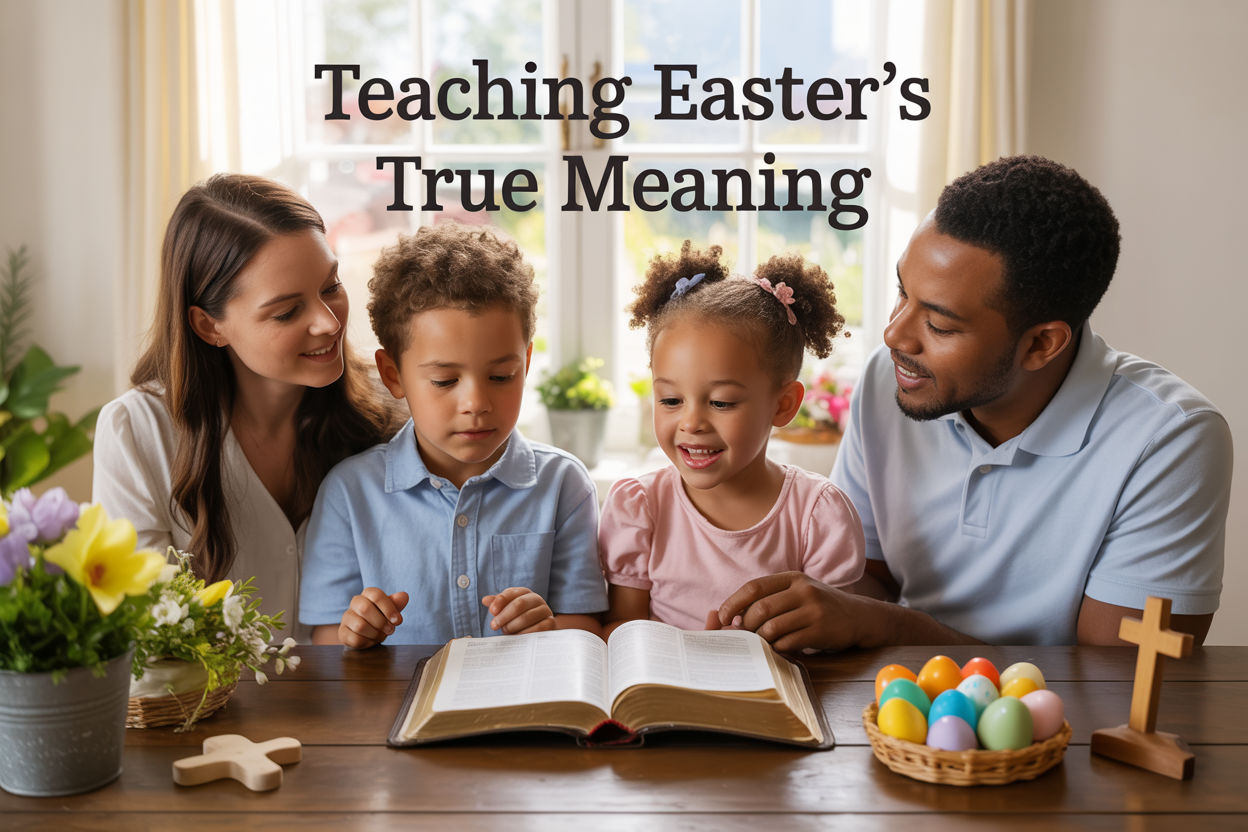
Easter can feel overwhelming for parents who want their kids to understand more than just bunnies and chocolate eggs. Teaching children about Easter means helping them grasp the deeper story of hope, sacrifice, and new life that makes this holiday truly special for Christian families.
This guide is for parents, grandparents, Sunday school teachers, and caregivers who want to share the Easter meaning for kids in ways that stick. You'll discover how to explain complex spiritual concepts through Christian Easter activities for children that make learning fun and memorable.
We'll explore how to build a strong foundation by sharing the Easter story for children in age-appropriate ways. You'll learn to create meaningful Easter celebrations through hands-on activities and symbols that help kids connect Bible stories to their everyday lives. Plus, we'll tackle those tricky questions kids always ask and show you how to weave Easter's message of love and redemption into your family's daily conversations throughout the year.
Understanding the Historical and Christian Foundation of Easter
Explaining the Crucifixion and Resurrection Story in Age-Appropriate Terms
Teaching children about Easter starts with sharing the central story of Jesus's death and resurrection in ways they can understand. For young children ages 3-6, focus on the simple message that Jesus loved everyone so much he was willing to die to save them, and that God brought him back to life on Easter Sunday. Use phrases like "Jesus had a very special job" and "God made something wonderful happen."
School-age children can handle more details about the Easter story for children. Explain how Jesus was arrested even though he did nothing wrong, and how his friends felt sad when he died on the cross. The joy of Easter morning becomes more meaningful when children understand the sadness that came first. Help them connect this to times they've felt sad and then happy again.
Visual storytelling works beautifully when teaching children about Easter. Picture books, simple animations, or even acted-out scenes help children grasp the timeline from Palm Sunday through Easter Sunday. Break the story into manageable pieces rather than trying to cover everything at once.
Connecting Easter to Themes of Sacrifice, Love, and Redemption
Children naturally understand love through their daily experiences with family. Connect Jesus's sacrifice to examples they know - like when parents work hard to provide for their families or when someone gives up something important to help another person. This makes the concept of sacrifice relatable without being overwhelming.
The theme of redemption can be explained as God's way of making things right again. Use analogies children understand: when something breaks and gets fixed, or when someone makes a mistake and gets forgiven. These Christian Easter lessons help children see Easter as more than just a historical event.
Love remains the strongest theme to emphasize. Jesus chose to die because he loved people that much. This isn't scary when framed as the greatest act of love ever shown. Children can relate this to how they feel loved and protected by their own families.
Distinguishing Between Christian Significance and Commercial Traditions
Many families struggle to balance Easter symbols and meaning with popular traditions like egg hunts and chocolate bunnies. Rather than completely avoiding these fun activities, use them as teaching opportunities. Explain that while eggs and bunnies are fun Easter traditions for families, the real reason for celebrating is Jesus's resurrection.
Create clear distinctions by dedicating specific times to meaningful Easter celebrations focused on the religious aspects, and other times for enjoyable family traditions. This approach helps children understand that both can coexist without confusion.
When children ask about the Easter Bunny, use it as a chance to talk about the difference between make-believe fun and real faith stories. Most children can handle this distinction better than adults expect.
Using Visual Aids and Children's Bible Resources Effectively
Quality children's Bibles with age-appropriate illustrations make the Easter story more accessible. Look for versions that show Jesus with children, emphasizing his gentleness and love. Avoid overly graphic depictions of crucifixion for young children while still conveying the seriousness of the sacrifice.
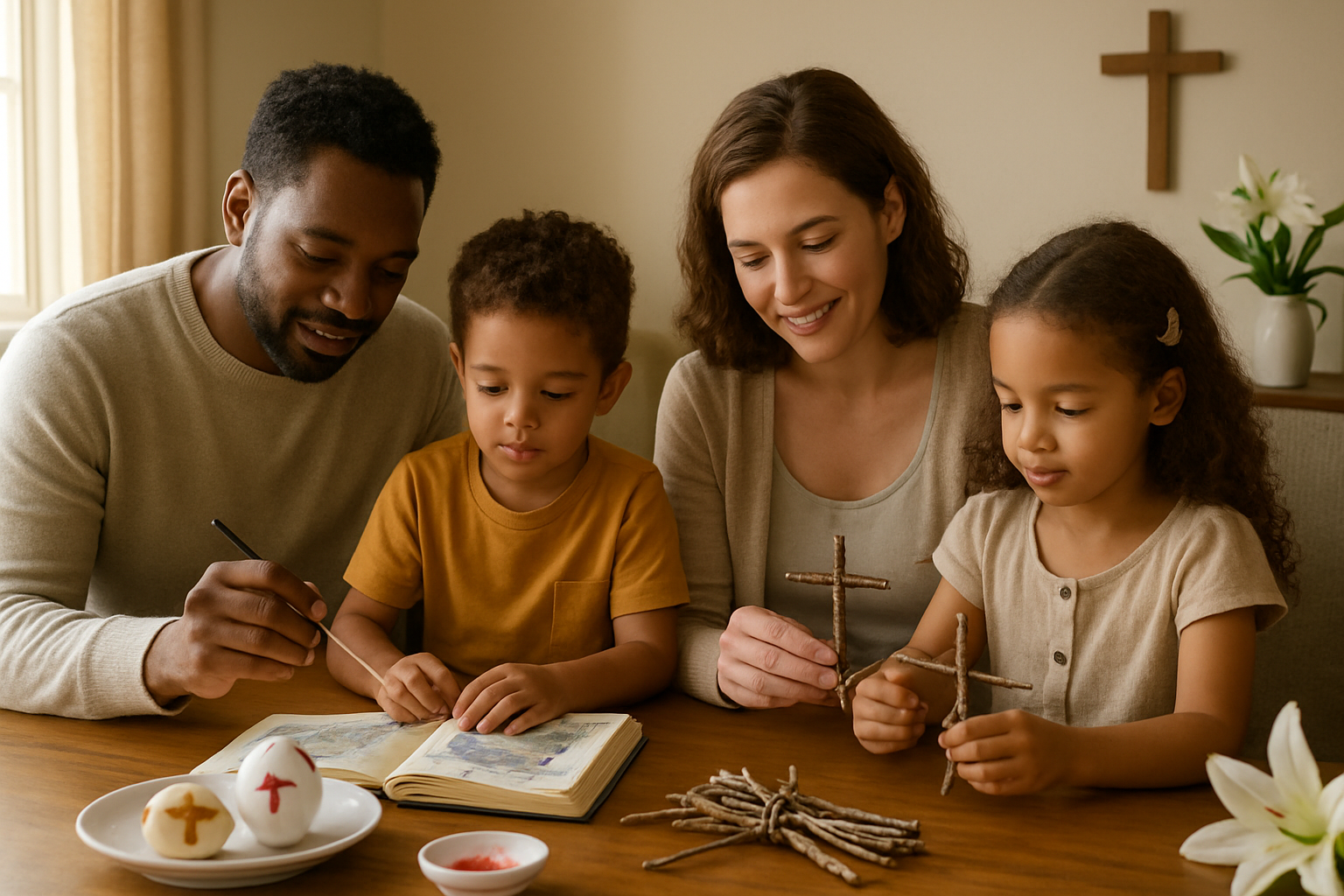
Christian Easter activities for children work best when they engage multiple senses. Resurrection eggs with symbols inside each egg help tell the story sequentially. Cross crafts, garden tomb models, and even simple drawings allow children to process the story through hands-on learning.
Consider creating a Easter timeline on your wall with pictures representing each part of the story. This visual aid helps children remember the sequence and significance of each event. Interactive elements like moveable figures or flaps to lift make the experience even more engaging.
How to explain Easter to children becomes easier when you have the right tools and approach for their developmental stage.
Creating Meaningful Easter Traditions That Reflect Core Values
Incorporating Prayer and Reflection into Family Celebrations
Transform your Easter celebrations by weaving prayer and quiet reflection into the festivities. Start each Easter morning with a simple family prayer circle where everyone shares what they're grateful for and what Easter means to them personally. Create a special prayer corner with candles, crosses, or other meaningful symbols where children can spend a few minutes in quiet thought throughout the day.
Consider establishing a "resurrection reflection" time during your Easter meal. Pass around a small cross or meaningful object, and let each family member share one thing they've learned about Jesus's sacrifice or how they want to grow spiritually. This practice helps children understand that Easter isn't just about celebration—it's about remembering Christ's love and sacrifice for humanity.
Evening prayers on Easter Sunday can include reading Psalm 118 or other resurrection-focused scriptures together. Encourage children to ask questions about what they've heard and experienced throughout the day. These prayer moments create lasting memories and help children develop their own relationship with faith.
Engaging in Acts of Service and Charity During Holy Week
Christian Easter activities for children should extend beyond the home and into the community. Holy Week presents perfect opportunities to teach children about Jesus's example of serving others. Visit local food banks together to donate Easter meals for families in need, or participate in church-sponsored service projects.
Create "Easter blessing bags" filled with snacks, socks, and encouraging notes to distribute to homeless individuals in your community. Let children help prepare these gifts and explain how Jesus showed love through action, not just words. This hands-on approach to teaching children about Easter demonstrates that faith requires both belief and compassionate service.
Organize family visits to nursing homes or hospitals during Holy Week, bringing small Easter gifts or simply spending time with lonely residents. Children learn powerful lessons about Christ's love when they see their parents prioritizing others' needs. These experiences make Easter meaning for kids more tangible and memorable than any lecture about kindness could achieve.
Reading Easter Stories and Bible Texts Together as a Family
Make meaningful Easter celebrations center around the actual Easter story through regular family reading time. Start with age-appropriate Easter story books that present the crucifixion and resurrection in ways children can understand without being frightened. "The Story of Easter" by Patricia Pingry or "He Is Risen" by Lori Froeb offer excellent starting points for younger children.
For older children, read directly from the Gospels—Matthew 28, Mark 16, Luke 24, and John 20—comparing how each author tells the resurrection story. Create a family reading schedule that covers the entire Holy Week narrative, from Palm Sunday through Easter morning. This approach helps children grasp the complete timeline and significance of Jesus's final week.
Encourage children to ask questions during reading time and discuss how the Easter story connects to their daily lives. Keep a family journal where everyone records their thoughts and questions about the readings. This practice transforms Easter traditions for families from passive entertainment into active engagement with Scripture, creating deeper understanding and stronger faith foundations that last long after the Easter eggs are hidden.
Teaching Through Hands-On Activities and Symbolic Learning
Creating Resurrection Gardens to Symbolize New Life
Resurrection gardens offer children a tangible way to understand Easter's central message of hope and renewal. These miniature landscapes tell the Easter story through natural elements that kids can touch, smell, and watch grow over time.
Start with a shallow container or large flower pot filled with potting soil. Help children plant fast-growing seeds like grass or wheatgrass to represent new life emerging from the earth. Create a small hill using extra soil, then place a large stone that can be "rolled away" to reveal an empty tomb made from a small clay pot turned on its side.
Add small figurines, crosses made from twigs, or smooth stones painted with Easter symbols. Watch together as the seeds sprout and grow, creating perfect opportunities for Christian Easter lessons about how Jesus conquered death and brought new life to the world.
The beauty of resurrection gardens lies in their evolving nature. Children witness the transformation from bare soil to green growth, making the abstract concept of resurrection concrete and memorable. This hands-on approach to teaching children about Easter creates lasting visual memories that reinforce the spiritual lesson.
Using Easter Eggs as Symbols of Rebirth and New Beginnings
Easter eggs carry deep symbolic meaning that extends far beyond their colorful shells. Transform this beloved tradition into meaningful Easter activities for kids by exploring the egg's powerful representation of new life breaking forth from seeming emptiness.
Begin with plastic resurrection eggs filled with items that tell the Easter story. Include small objects like a piece of cloth (burial cloth), a nail (crucifixion), a stone (tomb), and leave the final egg empty to represent the resurrection. Children love opening each egg to discover the next part of the story.
Hard-boiled eggs provide another teaching opportunity. Let children help dye them while discussing how the egg appears lifeless on the outside but contains the potential for new life within. This visual metaphor helps young minds grasp the concept of resurrection in terms they understand.
Create "promise eggs" by decorating them with symbols of God's promises - rainbows, hearts, crosses, or written Bible verses. These become keepsakes that remind children of Easter's message throughout the year. The act of decorating together provides natural moments for Christian Easter activities for children and meaningful conversations about faith.
Crafting Crosses and Other Christian Symbols with Children
Hands-on crafting activities help children internalize the Easter story for children through creative expression. Simple cross-making projects using everyday materials make powerful teaching tools that children can proudly display at home.
Gather natural materials like twigs, branches, or driftwood to create rustic crosses. Help children tie them together with twine while discussing how the cross represents both Jesus's sacrifice and victory over death. These nature crosses work beautifully in resurrection gardens or as standalone decorations.
Paper plate crosses offer another accessible option. Cut one paper plate in half and staple it to a whole plate to form a cross shape. Children can decorate with markers, tissue paper, or stickers while learning about the cross's significance. Add the words "He is Risen" or other Easter messages.
Handprint crosses make treasured keepsakes for families. Trace each child's handprint on colored paper, then arrange multiple handprints to form a cross shape. This collaborative approach shows how individual believers come together to form the body of Christ.
Salt dough ornaments shaped like crosses, fish, or doves create lasting reminders of Easter's meaning. Children love mixing, rolling, and cutting the dough while adults share stories about early Christian symbols and their significance.
Organizing Easter Treasure Hunts with Meaningful Clues and Messages
Transform traditional Easter egg hunts into purposeful learning experiences by incorporating Easter symbols and meaning into every clue and discovery. Meaningful Easter celebrations combine fun with faith-based learning that sticks with children long after the hunt ends.
Design clues that teach Bible verses or Easter story elements. For example: "Look where water flows for washing dishes clean, find the next clue and see what it might mean" (leading to the kitchen sink with a clue about baptism and new life). Each location connects to a spiritual concept while maintaining the excitement of discovery.
Create themed hunts focusing on Jesus's journey from Palm Sunday through resurrection Sunday. Hide items representing different parts of the story - palm branches, bread (Last Supper), purple cloth (kingship), crown of thorns, empty tomb symbols. Children collect these items while learning the chronological Easter narrative.
Include service-oriented challenges within the hunt. Clues might lead children to perform acts of kindness - helping with household chores, writing thank-you notes, or preparing care packages for neighbors. This approach teaches that Easter's message extends beyond the celebration into daily acts of love.
Easter traditions for families become more meaningful when they combine entertainment with education. Hide Bible verses instead of candy at some locations, encouraging children to read them aloud and discuss their meaning. This creates natural teaching moments while maintaining the hunt's excitement and energy.
Addressing Common Questions and Misconceptions About Easter
Handling difficult questions about death and resurrection
Children naturally ask tough questions about Easter's central themes, especially when teaching children about Easter involves explaining death and resurrection. When kids wonder why Jesus had to die or how someone can come back to life, approach these conversations with age-appropriate honesty and gentle explanations.
For younger children (ages 3-6), focus on God's love and the happy ending. Explain that Jesus died because he loved everyone so much, and God brought him back to life to show that love is stronger than anything sad or scary. Use simple comparisons like a butterfly emerging from a cocoon or a flower growing from a seed to help them understand transformation and new life.
Older children (ages 7-12) can handle more detailed discussions about sacrifice, forgiveness, and hope. Share how Jesus chose to help people by taking away their mistakes, and his resurrection proves that death isn't the end of the story. Encourage questions and validate their feelings while reinforcing the Easter message of hope and new beginnings.
Create a safe space where children feel comfortable expressing confusion or fear. Some kids worry about their own mortality when discussing death, so reassure them about God's care and protection while focusing on the celebratory aspect of resurrection.
Balancing Easter bunny traditions with Christian meaning
Many families struggle with incorporating beloved Easter bunny traditions while maintaining focus on the Christian Easter story for children. The key lies in creating connections between secular symbols and spiritual truths rather than viewing them as competing elements.
Transform bunny and egg hunts into meaningful Easter celebrations by adding Christian elements. Hide eggs containing Bible verses, small crosses, or pictures depicting the Easter story. Create "resurrection eggs" that tell the story of Holy Week through symbolic items in each egg - a small cross, spices for burial preparation, or an empty egg representing the empty tomb.
Use the Easter bunny as a conversation starter about God's creation and the new life theme central to Easter. Rabbits symbolize fertility and new beginnings, connecting naturally to resurrection themes. Explain how spring animals and their babies remind us of the new life Jesus offers.
Christian Easter activities for children can include:
-
Making Easter story books alongside bunny crafts
-
Creating resurrection gardens with chocolate eggs nearby
-
Decorating eggs with Christian symbols and crosses
-
Preparing Easter baskets filled with both treats and faith-based items
Remember that secular traditions don't diminish Easter's spiritual significance when used intentionally. Help children understand that celebrating with joy and treats reflects the happiness Christians feel about Jesus's victory over death.
Explaining why Easter dates change each year
Unlike Christmas with its fixed December 25th date, Easter's changing schedule often puzzles children and parents alike. When teaching children about Easter, explaining this lunar calendar connection provides an excellent opportunity to explore history and tradition.
Easter's date follows an ancient formula established by the Council of Nicaea in 325 AD. The celebration occurs on the first Sunday following the first full moon after the spring equinox (around March 21st). This means Easter can fall anywhere between March 22nd and April 25th, depending on moon cycles.
Break this down for kids using simple explanations:
-
Easter connects to spring when new life appears everywhere
-
Ancient people used the moon and seasons to track time
-
Jewish Passover (which Jesus celebrated before his death) also follows the lunar calendar
-
The church wanted Easter to stay close to Passover timing
Create visual aids showing moon phases and spring timing to help children understand this concept. Use a calendar to mark different Easter dates over several years, letting kids see the pattern of change.
This varying date actually enhances Easter meaning for kids by connecting the celebration to natural cycles of renewal and rebirth. Point out how Easter always comes during spring in the Northern Hemisphere, when flowers bloom and animals have babies - perfect symbols for resurrection and new life themes central to the Easter message.
Making Easter Relevant to Children's Daily Lives
Connecting Easter themes to personal growth and forgiveness
When teaching children about Easter meaning for kids, help them see how the themes of renewal and forgiveness play out in their everyday experiences. Start by encouraging children to think about times when they've made mistakes and needed a fresh start. Maybe they hurt a friend's feelings or broke something valuable. These moments become powerful teaching opportunities to connect Easter's message of redemption to their personal journey.
Create simple daily practices where children can experience forgiveness in action. When conflicts arise between siblings or friends, guide them through the process of asking for and offering forgiveness, just like the forgiveness offered through Easter. Use role-playing scenarios where children practice saying sorry and meaning it, then watch how relationships can be restored and made even stronger.
Help children understand that personal growth often comes after difficult times, just like how Easter follows Good Friday. When they face challenges like learning a difficult skill or dealing with disappointment, remind them that these struggles can lead to something beautiful, just like the Easter story demonstrates.
Teaching children to recognize new beginnings in their own experiences
Children experience new beginnings all the time, and connecting these to Easter creates meaningful learning moments. The start of each school year, moving to a new home, or even something as simple as planting a garden can become powerful illustrations of resurrection and renewal.
Create a "New Beginnings Journal" where children document their personal fresh starts throughout the year. Include pictures of sprouting seeds, the first day of school, learning to ride a bike, or overcoming a fear. These visual reminders help children see how Easter's themes of new life show up in their world constantly.
Use seasonal changes as natural teaching moments. Spring cleaning becomes more than organizing - it's about making space for new growth. Watching flowers bloom after winter demonstrates how beauty can emerge from seemingly dead situations. These Christian Easter activities for children make abstract concepts tangible and memorable.
Encourage children to look for "resurrection moments" in their daily lives - times when something they thought was finished or broken turned into something good. Maybe a friendship that seemed over was restored, or a project that failed led to an even better idea.
Encouraging children to share Easter's message with friends and peers
Teaching children to share Easter's meaning shouldn't feel forced or uncomfortable. Instead, help them become natural storytellers who can explain Easter to children in their own age-appropriate way. Practice simple ways to explain what Easter means to their family without being preachy or judgmental toward friends who might celebrate differently.
Give children confidence by role-playing conversations they might have with friends. What would they say if someone asks why their family celebrates Easter? How can they explain the difference between Easter eggs and the Easter story? These practice sessions help children feel prepared and confident when opportunities arise naturally.
Encourage children to invite friends to participate in meaningful Easter celebrations with your family. This could be decorating eggs while talking about new life, baking bread while discussing how Jesus shared meals with his friends, or creating Easter cards that include both fun symbols and deeper meaning.
Help children understand that sharing Easter's message often happens through actions more than words. When they show forgiveness, help others, or demonstrate kindness, they're living out Easter values that others notice. These authentic demonstrations of Christian living often spark more meaningful conversations than direct preaching ever could.
Helping children understand how Easter impacts Christian living year-round
Easter isn't just a one-day celebration - it's a way of living that shapes how Christians approach every day. Help children see how Easter traditions for families can extend beyond the holiday itself into daily choices and attitudes.
Create monthly "Easter connections" where you help children identify how the themes of sacrifice, love, and new life apply to current situations. During back-to-school season, talk about how Jesus prepared his disciples for challenges ahead. During winter months, discuss how faith helps us wait patiently for spring, just like waiting for resurrection.
Develop family practices that keep Easter themes alive year-round. This might include weekly conversations about forgiveness, monthly service projects that show love to others, or seasonal celebrations that acknowledge God's ongoing work of renewal in creation.
Help children understand that Christian Easter lessons aren't just history - they're a framework for making decisions every day. When they face choices about how to treat others, how to handle disappointments, or how to use their talents, the Easter story provides guidance and hope.
Show children how holidays throughout the year connect back to Easter themes. Christmas celebrates Jesus' birth, which leads to Easter's completion of the story. Thanksgiving acknowledges gifts that come from God's love. Even ordinary Sundays become mini-celebrations of resurrection as families gather to remember and give thanks.
Easter offers families a wonderful chance to share meaningful lessons with children that go far beyond colorful eggs and chocolate bunnies. By focusing on the historical significance, creating traditions that reflect your family's values, and using hands-on activities to explain important symbols, you can help children understand what this holiday really represents. When kids learn through stories, crafts, and conversations that connect to their everyday experiences, these lessons stick with them long after the Easter decorations are packed away.
Start this Easter season by choosing one or two simple ways to incorporate deeper meaning into your celebrations. Whether it's reading age-appropriate stories about the Easter story, volunteering together as a family, or creating new traditions that focus on hope and renewal, small steps can make a big difference. Remember that children learn best when they can ask questions freely and see how these lessons apply to their own lives. This Easter, give your children the gift of understanding – it's something they'll carry with them far longer than any basket full of treats.


Comments
Post a Comment