Christian Blog Ideas for the Easter Season

Easter brings fresh opportunities for Christian bloggers to inspire their communities and share the profound joy of Christ's resurrection. This guide is designed for Christian content creators, church bloggers, and ministry leaders who want to create meaningful Easter content that resonates with their audience.
Finding the right Christian Easter blog ideas can transform your seasonal content from ordinary posts into powerful tools for spiritual growth. Your readers are hungry for authentic Easter devotional content and fresh perspectives on familiar biblical Easter stories that help them connect more deeply with the resurrection message.
We'll explore how to craft scripture-based Easter reflections that bring ancient truths to life for modern readers. You'll discover creative ways to blend Christian Easter traditions with contemporary storytelling, making your blog a go-to resource for families seeking meaningful Easter spiritual growth challenges. We'll also cover how to write compelling Easter testimony posts that share personal transformation stories, helping your audience see God's resurrection power at work in everyday life.
Scripture-Based Easter Blog Content Ideas
Exploring the Resurrection Story from Different Gospel Perspectives
Each Gospel writer brings unique details and perspectives to the resurrection account, offering rich material for Easter devotional content. Matthew emphasizes the earthquake and angel's dramatic appearance, perfect for exploring God's power breaking into human history. Mark's abrupt ending at the empty tomb creates space to discuss faith in the face of uncertainty and fear.
Luke provides the most detailed resurrection narratives, including the road to Emmaus encounter. This story offers excellent content for discussing how Jesus reveals himself in unexpected ways. John's intimate portrayal of Mary Magdalene's encounter with the risen Christ and Thomas's doubt-to-faith journey resonates deeply with modern believers.
Create comparison posts highlighting how each Gospel writer's background influenced their telling. Matthew, writing to Jewish audiences, connects resurrection to Old Testament prophecy. Mark's fast-paced account reflects his Roman audience's preference for action. Luke, the careful historian, provides thorough documentation. John focuses on personal encounters with the divine.
Consider developing a Holy Week series examining each Gospel's unique contributions to specific events: the triumphal entry, temple cleansing, Last Supper, crucifixion, and resurrection appearances.
Daily Devotions for Holy Week
Christian Easter season blogging reaches its peak with structured Holy Week devotionals that guide readers through Christianity's most sacred week. Begin with Palm Sunday, exploring the tension between earthly expectations and spiritual reality as crowds welcomed Jesus with palms and praise.
Monday through Wednesday offer opportunities to examine Jesus's final teachings, the anointing at Bethany, and Judas's betrayal. These days provide rich material for reflection on worship, sacrifice, and the cost of following Christ.
Maundy Thursday devotions can focus on servanthood through the foot washing, the institution of communion, and Jesus's high priestly prayer. Good Friday requires sensitive handling of the crucifixion, perhaps focusing on the seven last words from the cross.
Holy Saturday, often overlooked, offers unique content opportunities. Explore the disciples' despair, the silence of God, and what it means to wait in hope. This day connects powerfully with readers facing their own seasons of waiting and uncertainty.
Structure each day's devotion with scripture reading, reflection questions, and practical application. Include prayer suggestions and space for journaling. Consider adding historical context about first-century practices to deepen understanding.
Old Testament Easter Prophecies and Their Fulfillment
Biblical Easter stories begin long before the New Testament, woven throughout Hebrew scriptures in types, shadows, and direct prophecies. The Passover lamb in Exodus perfectly parallels Christ's sacrifice, providing rich material for explaining substitutionary atonement and God's protection through sacrifice.
Isaiah 53 offers profound content exploring the suffering servant's sacrifice. Compare the prophecy's details with Gospel accounts: "pierced for our transgressions," "crushed for our iniquities," and "by his wounds we are healed." This passage provides excellent material for Good Friday reflections.
Psalm 22 contains striking parallels to crucifixion details written centuries before this Roman execution method existed. David's prophetic words "My God, my God, why have you forsaken me?" take on new meaning when understood as messianic prophecy.
The story of Abraham's near-sacrifice of Isaac on Mount Moriah foreshadows God's provision of a substitute sacrifice. Jonah's three days in the fish prefigures Christ's death and resurrection timeline. Even Joseph's story contains resurrection themes: betrayal by brothers, false accusations, descent into darkness, and eventual exaltation.
Create content exploring how these connections weren't coincidental but part of God's eternal plan revealed progressively throughout scripture.
Parables That Point to Easter Hope
Jesus's parables contain subtle yet powerful references to redemption, sacrifice, and new life that connect beautifully with Easter scripture reflections. The parable of the prodigal son illustrates the heart of Easter: a father's lavish love restoring relationship with wayward children through costly grace.
The lost sheep parable demonstrates Christ's shepherd heart, willing to leave safety to rescue the lost. Connect this to Jesus leaving heaven's glory to seek and save humanity. The lost coin parable emphasizes the value God places on each person and the joy of redemption.
The pearl of great price shows someone selling everything for treasure of infinite worth, mirroring Christ's sacrifice for humanity's redemption. The hidden treasure parable reinforces themes of valuable things hidden and then revealed, connecting to Christ's hidden identity revealed through resurrection.
The parable of the wedding feast explores themes of invitation, rejection, and provided garments representing righteousness. The ten virgins parable addresses preparedness for Christ's return, connecting Easter resurrection to future hope.
Consider the mustard seed and yeast parables as resurrection metaphors: small beginnings leading to extraordinary growth, death-like burial producing abundant life. Even the parable of new wine in old wineskins speaks to the newness that Easter brings to human hearts and God's kingdom.
Easter Traditions and Their Christian Meanings
Symbolism Behind Easter Eggs and Bunnies
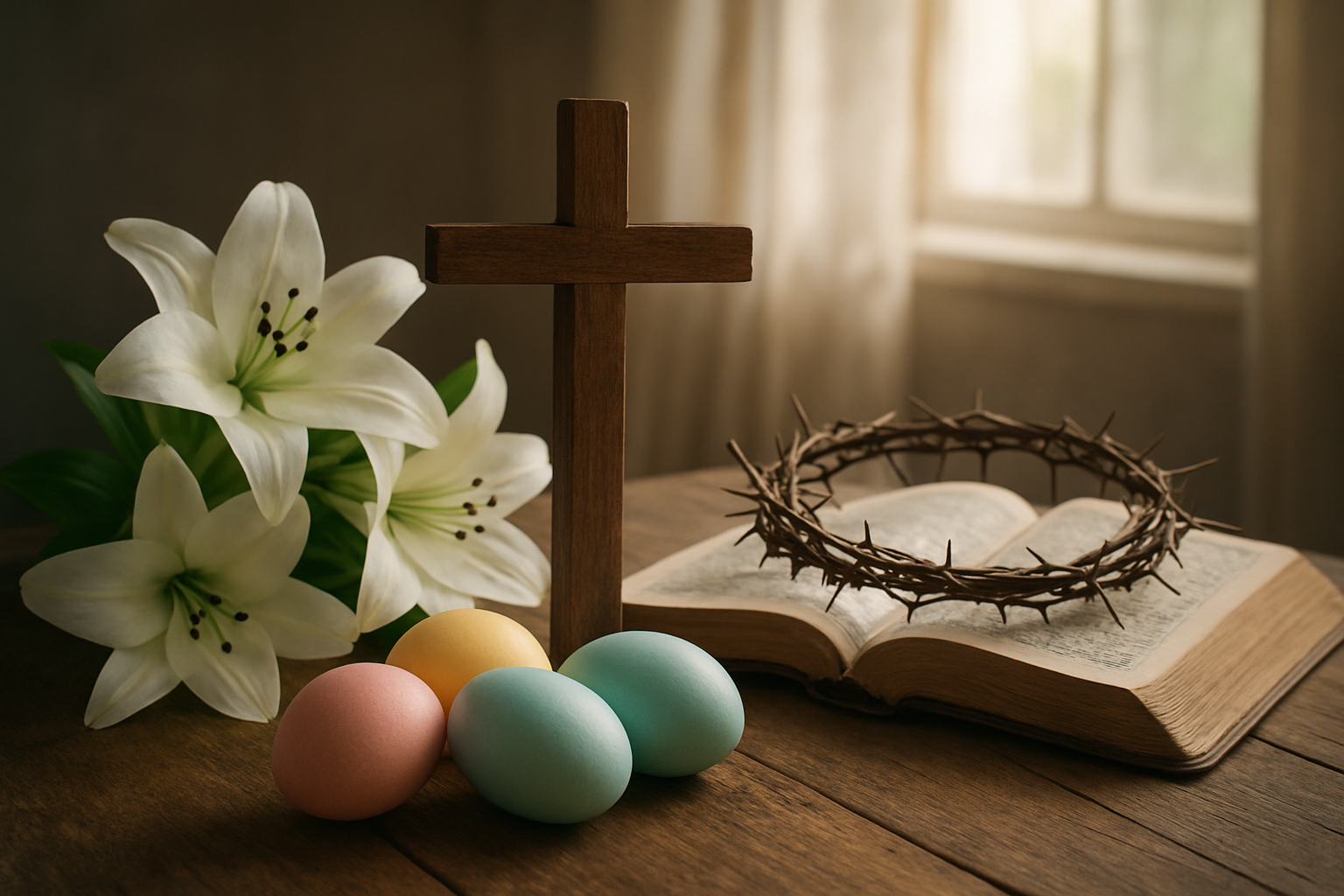
Easter eggs carry profound Christian meaning that often gets overshadowed by their colorful appearance. The egg represents new life and resurrection - just as a chick breaks free from its shell, Christ broke free from the tomb. Early Christians painted eggs red to symbolize the blood of Christ, and this tradition spread throughout the world with various cultural adaptations.
The Easter bunny, while seemingly secular, can actually teach beautiful lessons about God's provision and abundance. Rabbits are known for their fertility and rapid reproduction, symbolizing the abundant life that Christ offers believers. Some Christian families use bunny imagery to discuss how God multiplies His blessings and creates new life in our hearts.
When writing Christian Easter blog ideas about these symbols, consider exploring how families can reclaim these traditions for meaningful faith conversations. Share creative ways to incorporate Scripture into egg hunts or explain the resurrection story through the simple act of cracking an open egg.
The Significance of Palm Sunday Celebrations
Palm Sunday marks Jesus's triumphal entry into Jerusalem, where crowds welcomed Him with palm branches and shouts of "Hosanna!" This moment represents both celebration and foreshadowing - the same people who praised Him would later call for His crucifixion.
Churches worldwide commemorate this day with palm processions, dramatic readings, and special music. The significance lies not just in the historical event, but in what it teaches about human nature and God's unwavering love. Jesus knew what awaited Him, yet He chose to enter Jerusalem anyway.
Christian Easter traditions around Palm Sunday vary widely. Some churches distribute real palm fronds, while others use pussy willows or other local greenery. Many congregations organize processions around their neighborhoods, sharing the Easter message with their communities.
Blog content about Palm Sunday can explore the contrast between earthly kingship and spiritual leadership. Jesus rode a humble donkey, not a warhorse, demonstrating that His kingdom operates by different principles than worldly powers.
Understanding Good Friday Observances
Good Friday represents the darkest yet most hopeful day in Christian history. While it commemorates Christ's crucifixion, it's called "good" because of the incredible gift of salvation it provided humanity. Different Christian traditions observe this solemn day in various ways, each highlighting different aspects of the sacrifice.
Many churches hold three-hour services from noon to 3 PM, reflecting the time Jesus hung on the cross. Others organize Stations of the Cross, walking through Jesus's final hours. Some congregations observe silence, while others focus on singing hymns about the cross.
The beauty of Good Friday observances lies in their diversity while maintaining the central focus on Christ's sacrifice. Eastern Orthodox churches might emphasize different aspects than Protestant denominations, but all recognize the transformative power of this day.
When creating Christian Easter content about Good Friday, consider how different worship styles can deepen understanding of the crucifixion's meaning. Share how families might observe this day at home, perhaps through prayer, fasting, or special meals that remind them of Christ's sacrifice.
Easter Sunrise Service Origins and Impact
Easter sunrise services connect believers to the biblical account of Mary Magdalene discovering the empty tomb at dawn. This tradition began among early Christians who wanted to commemorate the resurrection at the same time of day it occurred, creating a powerful sensory experience that engages both heart and mind.
The first Easter sunrise service in America took place in 1732 in Pennsylvania among Moravian Christians. From there, the tradition spread across denominations and geographical boundaries. Today, millions gather on Easter morning as the sun rises, symbolically representing the Son rising from the grave.
These outdoor services create unique opportunities for evangelism and community building. The natural setting often draws people who might not normally attend church, while the early morning timing emphasizes the specialness of the resurrection celebration.
Christian Easter season blogging about sunrise services can explore how different locations - beaches, mountaintops, parks - enhance the worship experience. The combination of natural beauty, community gathering, and resurrection celebration creates powerful memories that strengthen faith and build church unity.
Many families make sunrise services annual traditions, sometimes traveling to special locations or gathering with extended family. These services often conclude with breakfast together, extending the celebration and fellowship into the morning hours.
Personal Testimony and Reflection Posts

How Easter Changed Your Life Story
Sharing your personal transformation through Christ's resurrection creates powerful Easter testimony posts that connect deeply with readers. Your story doesn't need to be dramatic to be meaningful. Maybe Easter became significant during a season of grief when you truly understood Christ's victory over death. Perhaps it was a moment in childhood when the reality of God's love finally clicked during an Easter service.
Consider writing about specific moments when Easter's message broke through your circumstances. Did you experience healing during Holy Week? Find forgiveness after years of guilt? Discover purpose after feeling lost? These authentic moments resonate because they show how ancient truths apply to modern struggles.
Structure your testimony by contrasting your "before" and "after" while highlighting God's faithfulness. Share the emotions, doubts, and breakthrough moments that led to deeper faith. Remember that vulnerability builds trust with your audience and demonstrates that faith grows through real-life experiences.
Lessons Learned During Lenten Season
The forty days of Lent offer rich material for Christian Easter season blogging that explores spiritual discipline and growth. Document your journey through fasting, prayer, and reflection, sharing both victories and struggles honestly. Readers appreciate knowing that spiritual growth isn't always smooth or easy.
Write about specific practices that challenged you:
-
Fasting from social media and discovering deeper connection with God
-
Daily scripture reading that revealed new insights about sacrifice
-
Acts of service that shifted focus from self to others
-
Prayer disciplines that deepened intimacy with Christ
-
Confession and repentance that brought freedom and peace
Share practical lessons learned along the way. Maybe you discovered that giving up something revealed deeper dependencies. Perhaps serving others taught you about Christ's heart for the marginalized. These insights help readers navigate their own spiritual journeys while providing valuable Easter devotional content.
Don't forget to address the struggles - the days you wanted to quit, the moments when disciplines felt empty, or the times when God seemed distant. Authenticity in these areas encourages others who face similar challenges.
Finding Hope in Personal Resurrection Moments
Life presents countless opportunities to witness God's power to bring life from death, hope from despair, and beauty from ashes. These "resurrection moments" make compelling Christian Easter content creation that illustrates the ongoing relevance of Christ's victory.
Share stories of personal resurrection in various life areas:
| Area | Resurrection Moment Examples |
|---|---|
| Relationships | Restored marriages, reconciled families, renewed friendships |
| Health | Recovery from illness, overcoming addiction, mental health breakthroughs |
| Career | New opportunities after job loss, purpose discovered through setbacks |
| Dreams | Goals revived after disappointment, passions rekindled |
| Faith | Doubt transformed to trust, dry seasons ending in renewal |
These stories demonstrate how Easter's power extends beyond the historical event into daily life. When you share how God brought new life to dead situations in your experience, you help readers recognize similar work in their own lives.
Connect these personal resurrections to the larger Easter story. Explain how Christ's victory over death gives meaning to smaller resurrections you've experienced. This approach helps readers understand that Easter isn't just about eternal life but about abundant life here and now.
Include practical applications by asking reflective questions: What areas of your life feel dead? Where do you need resurrection power? How has God already demonstrated His life-giving power in your story?
Family-Friendly Easter Content
Age-Appropriate Ways to Explain the Crucifixion
Teaching children about Jesus's sacrifice requires sensitivity and wisdom. For younger children (ages 3-6), focus on Jesus's love rather than graphic details. Explain that Jesus died because He loves us so much that He wanted to take away the bad things we do. Use simple language: "Jesus had to go through something very hard so that we could be friends with God forever."
Elementary-aged children (7-11) can handle more details about the crucifixion while still keeping explanations age-appropriate. Share that people didn't understand who Jesus was and made a terrible mistake. Emphasize that Jesus chose to die for us - nobody forced Him. Connect it to their world by comparing it to taking punishment for a sibling's mistake, but much bigger.
Teenagers can engage with the deeper theological meaning. Discuss the weight of sin, God's justice, and the incredible love displayed on the cross. Encourage questions and create space for honest conversations about suffering, death, and redemption.
Always follow difficult conversations with the hope of resurrection. The cross isn't the end of the story - it leads to Easter morning and new life. Consider reading age-appropriate books like "The Jesus Storybook Bible" or "Jesus Calling for Kids" to help frame these conversations.
Easter Crafts with Biblical Significance
Christian Easter traditions come alive through meaningful crafts that tell the resurrection story. Create resurrection gardens using small pots, soil, and flowers, with a small stone rolled away from a cave opening. This craft helps children visualize the empty tomb while creating something beautiful for Easter Sunday.
Make butterfly coffee filter crafts to represent transformation and new life. As children watch the coffee filters absorb colorful water, explain how Jesus transforms our hearts. The caterpillar becoming a butterfly mirrors our spiritual transformation through Christ.
Family Easter activities Christian families love include creating cross sun-catchers with tissue paper and contact paper. As light shines through, children see the beauty that comes from Jesus's sacrifice. Palm branch crafts using green construction paper help recreate Palm Sunday, allowing kids to wave them while singing "Hosanna."
Easter story rocks provide another engaging activity. Paint smooth rocks to represent different parts of the Easter story - a donkey for Palm Sunday, a cross for Good Friday, and a bright yellow stone for the resurrection. Children can retell the story using their painted rocks throughout the Easter season.
Design prayer journals decorated with Easter symbols like crosses, butterflies, and empty tombs. Children can write or draw their prayers, creating a keepsake that connects their faith journey to the Easter celebration.
Family Devotion Ideas for Easter Week
Transform your Easter devotional content into memorable family experiences that deepen everyone's understanding of Holy Week. Start Palm Sunday by reading Matthew 21:1-11 together, then take a family walk while discussing how the crowd celebrated Jesus's arrival in Jerusalem. Create paper palm branches and let children wave them while singing praise songs.
Maundy Thursday devotions focus on Jesus washing the disciples' feet. After reading John 13:1-17, have family members wash each other's feet or hands, discussing what it means to serve others. Share communion together, explaining its significance in simple terms appropriate for your children's ages.
Good Friday requires gentle handling, especially with younger children. Read the crucifixion story from a children's Bible, then spend time in quiet reflection. Light candles and pray together, thanking Jesus for His sacrifice. Some families choose to fast from dessert or favorite activities, helping children understand sacrifice in small ways.
Create an Easter week countdown using seven bags, each containing a scripture verse, discussion question, and simple activity. This Christian Easter season blogging idea works perfectly for families wanting structured daily devotions without overwhelming preparation.
Saturday devotions can focus on waiting and hoping. Discuss how the disciples felt on Saturday - confused, scared, but still holding onto Jesus's promises. Bake resurrection rolls (marshmallows wrapped in crescent roll dough that disappear when baked) to represent the empty tomb.
Creating Meaningful Easter Traditions at Home
Christian Easter content creation begins with establishing traditions that center Christ while creating lasting memories. Start Easter morning with a sunrise service in your backyard or local park. Bring coffee, hot chocolate, and simple breakfast items while reading about the women discovering the empty tomb. The symbolism of dawn breaking mirrors the hope of resurrection.
Design an Easter tree using branches in a vase, decorated with symbols representing Jesus's journey to the cross and resurrection. Each week leading to Easter, add new ornaments - crosses, butterflies, empty tomb figures, or crowns. This visual reminder helps children anticipate Easter's arrival while understanding its meaning.
Establish the tradition of Easter story eggs - twelve plastic eggs containing items that represent different parts of the Easter story. Include a small piece of palm branch, a coin (representing Judas's betrayal), a tiny cross, dice (soldiers gambling for Jesus's clothes), and an empty egg for the resurrection. Open one egg each day leading to Easter, reading the corresponding scripture and discussing its meaning.
Create family Easter time capsules filled with photos, prayers, and letters to Jesus. Open them the following year to see how your family has grown in faith. Some families write letters to Jesus expressing gratitude for His sacrifice, then read them aloud on Easter morning.
Start a neighborhood Easter egg hunt that tells the resurrection story. Hide eggs containing scripture verses that, when found in order, retell the Easter story. This tradition shares your faith with neighbors while creating community connections centered on Christ's love and resurrection hope.
Seasonal Challenges and Growth Opportunities

Giving Up vs. Taking On During Lent
The traditional Lenten fast gets a fresh twist when you challenge your readers to think beyond chocolate and social media. While giving up habits creates space for spiritual growth, taking on new practices can be equally transformative. Create Christian Easter season blogging content that explores both approaches.
Consider writing about giving up comparison by taking on gratitude journaling, or releasing worry while embracing daily prayer walks. Share personal stories about community members who traded complaining for acts of kindness, or those who replaced endless scrolling with Scripture memorization. These dual approaches create powerful Easter spiritual growth challenges that resonate with readers seeking meaningful change.
Your blog posts can include 40-day challenge frameworks, weekly check-ins, and accountability partner suggestions. Feature real testimonies from people who discovered that adding spiritual disciplines felt more empowering than traditional restrictions. This content works especially well when combined with downloadable tracking sheets or mobile-friendly reminder cards.
Forgiveness Lessons from the Cross
The cross stands as history's ultimate forgiveness lesson, offering rich material for Christian Easter blog ideas that dig deep into this transformative topic. Write about the different dimensions of Christ's forgiveness - the thief on the cross receiving instant mercy, Jesus asking forgiveness for his executioners, and the deeper theological implications for believers today.
Explore practical forgiveness scenarios your readers face daily. Address workplace conflicts, family tensions, church hurt, and self-forgiveness through the lens of Easter's message. Share stories of people who found freedom through forgiving seemingly unforgivable situations, always connecting back to the cross as their inspiration and strength.
Create series posts examining different biblical characters who experienced forgiveness - Peter's denial and restoration, Paul's transformation from persecutor to apostle, or David's psalm of repentance. Include reflection questions, prayer prompts, and practical steps readers can take to release bitterness and embrace healing. These Easter devotional content pieces often become your most shared and bookmarked posts.
Embracing New Life After Difficult Seasons
Resurrection themes naturally connect with readers emerging from their own valleys of difficulty. Write about spiritual winters that precede breakthrough moments, drawing parallels between Jesus's tomb experience and the waiting periods we all endure. Share stories of people who discovered unexpected gifts hidden within their hardest seasons.
Address specific struggles like job loss, relationship endings, health battles, or ministry disappointments through the promise of resurrection hope. Create content that validates the reality of pain while pointing toward the possibility of renewal. Include practical steps for recognizing new growth, celebrating small victories, and trusting God's timing during recovery periods.
Develop posts about the difference between healing and wholeness, restoration versus starting over, and learning to see setbacks as setups for comebacks. Feature testimonies from people whose greatest difficulties became their most powerful ministries, always tying back to Christ's victory over death as the foundation for our own new beginnings.
Service Projects Inspired by Christ's Sacrifice
Transform Easter's sacrificial theme into actionable Christian Easter content creation that mobilizes your readers toward service. Move beyond traditional charity drives to explore creative ways your community can demonstrate Christ's love through practical action. Share ideas for serving forgotten populations - nursing home residents, single parents, international students, or homeless individuals.
Create detailed project guides for readers wanting to organize their own outreach efforts. Include budget breakdowns, volunteer coordination tips, partnership opportunities with local organizations, and follow-up strategies for building lasting relationships rather than one-time events. Feature success stories from churches and individuals who've launched meaningful service initiatives.
Write about service projects that match different skill sets and availability levels - from monthly meal prep teams to annual mission trips, from weekly tutoring programs to seasonal care package assemblies. Include reflection questions about how serving others deepens our understanding of Christ's sacrifice and transforms our own hearts in the process. These posts often inspire readers to move from passive faith to active discipleship.
Easter gives Christian bloggers a rich collection of topics to explore with their readers. From diving deep into resurrection scriptures to unpacking the meaning behind Easter traditions like eggs and lilies, there's plenty of content that can help people connect with the season's spiritual significance. Personal stories about faith journeys and family-centered activities create authentic connections, while seasonal challenges can encourage spiritual growth during this meaningful time of year.
The best Easter content comes from the heart and speaks directly to where people are in their faith walk. Mix educational posts about Easter symbols with personal reflections on what the resurrection means to you. Don't forget to include practical ideas that families can use to make Easter more meaningful at home. Your readers are looking for content that helps them celebrate Easter in a way that honors Christ while creating lasting memories with their loved ones.


Comments
Post a Comment