Christian Activities to Engage in During the Easter Season
.png)
Easter offers Christians a special time to deepen their faith and celebrate Christ's resurrection through meaningful activities and traditions. This guide is perfect for Christian families, church groups, and individuals seeking to make the most of this sacred season with intentional Holy Week observances and Easter spiritual disciplines.
We'll explore how to embrace traditional practices that have enriched believers for centuries, from Palm Sunday processions to Good Friday reflections. You'll also discover ways to create lasting Christian family Easter traditions that bring your household closer to God and each other. Finally, we'll look at Easter service projects and community activities that let you live out your faith by serving others during this season of new life and hope.
Embrace Traditional Holy Week Observances
Attend Palm Sunday Services to Welcome Christ's Triumphant Entry
Palm Sunday marks the beginning of Holy Week and sets the tone for the entire Easter season. Churches worldwide commemorate Jesus's triumphant entry into Jerusalem with special services that often include palm branch processions. Many congregations distribute palm fronds or olive branches to worshippers, who wave them during hymns like "All Glory, Laud, and Honor" or "Hosanna, Loud Hosanna."
Consider arriving early to participate in outdoor processions, where communities gather to walk together toward the church sanctuary. Children especially love carrying palms and joining in the celebratory atmosphere. Some churches recreate the biblical scene with donkeys or horses, bringing the ancient story to life.
The liturgical colors shift to red on Palm Sunday, symbolizing both celebration and the approaching passion of Christ. Many services feature dramatic readings of the Passion narrative, allowing congregants to take different roles as the crowd, disciples, or other biblical characters.
Participate in Maundy Thursday Communion and Foot Washing Ceremonies
Maundy Thursday offers profound opportunities for Christian Easter activities through communion and foot washing ceremonies. The word "Maundy" comes from the Latin "mandatum," referring to Christ's new commandment to love one another. This sacred evening recreates Jesus's last supper with his disciples.
Many churches hold special communion services using unleavened bread and wine, reflecting the Passover meal Jesus shared. The atmosphere typically feels more intimate than regular Sunday services, with dimmed lighting and quiet reflection.
Foot washing ceremonies provide powerful experiences of humility and service. Congregants pair up to wash each other's feet, following Christ's example of servant leadership. While some find this practice initially uncomfortable, participants often describe it as deeply moving and transformative.
Some congregations incorporate Seder meal elements, explaining Jewish Passover traditions that connect to Christian faith. These educational components help believers understand the historical and cultural context of Jesus's final week.
Observe Good Friday Vigils and Reflection Services
Good Friday represents Christianity's most solemn day, commemorating Christ's crucifixion. Churches offer various Holy Week observances that create space for deep reflection and mourning. Traditional services often feature the "Seven Last Words" of Christ, with meditation periods between each statement from the cross.
Many congregations hold three-hour vigils from noon to 3 PM, mirroring the hours of darkness during the crucifixion. These extended services include scripture readings, hymns, prayers, and silent contemplation. Participants can come and go as needed, creating a continuous prayer presence.
Cross walks or Stations of the Cross provide another meaningful way to observe this sacred day. These devotional practices trace Jesus's path to Calvary through fourteen traditional stations, from his condemnation to his burial. Many churches set up stations throughout their sanctuaries or grounds.
Some communities organize outdoor cross walks through neighborhoods or parks, stopping at each station for prayer and reflection. These public demonstrations of faith often draw curious observers and create opportunities for witness.
Experience Easter Vigil Celebrations
Easter Vigil services bridge the gap between Good Friday's sorrow and Easter Sunday's joy. These powerful celebrations typically begin on Saturday evening in darkness, symbolizing the world before Christ's resurrection. The service traditionally starts with the lighting of the Paschal candle, representing Christ as the light of the world.
Scripture readings trace salvation history from creation through the resurrection, creating a comprehensive narrative of God's relationship with humanity. Many vigils include baptismal ceremonies, as Easter has historically been the church's primary baptismal season. The renewal of baptismal vows allows all congregants to recommit to their faith.
The moment of resurrection announcement transforms the entire atmosphere. Lights flood the sanctuary, bells ring, and congregants burst into joyful songs like "Christ the Lord is Risen Today" or "Jesus Christ is Risen Today." This dramatic shift from darkness to light creates an unforgettable worship experience that captures the essence of Easter hope and new life.
Engage in Personal Spiritual Disciplines
Practice Daily Scripture Reading Focused on Passion Narratives
Reading through the Gospel accounts of Jesus' final week brings fresh perspective to your Easter spiritual disciplines. Start with Matthew 21-28, then move through Mark 11-16, Luke 19-24, and John 12-21. These passages reveal different details about Christ's triumphal entry, cleansing of the temple, final teachings, crucifixion, and resurrection.
Consider using a reading plan that spreads these chapters across the Easter season. Many Christians find it powerful to read one Gospel account each week leading up to Easter Sunday. This approach allows you to catch unique details each writer emphasized - Matthew's focus on fulfilled prophecy, Mark's vivid descriptions, Luke's emphasis on compassion, and John's theological insights.
Keep a journal while reading these passion narratives. Write down verses that stand out, questions that arise, and personal reflections on Christ's sacrifice. This practice transforms passive reading into active engagement with God's word. Pay special attention to Jesus' prayers in Gethsemane, his words from the cross, and the disciples' reactions throughout the week.
Commit to Focused Prayer and Meditation Sessions
Easter devotions become more meaningful when you set aside dedicated time for prayer and meditation. Create a quiet space in your home where you can meet with God consistently. Early morning or late evening often work best for uninterrupted focus.
Structure your prayer time around the themes of Holy Week. Begin with gratitude for Christ's willingness to sacrifice himself. Spend time confessing sins and asking for forgiveness, remembering that his death paid the price for your shortcomings. Pray for deeper understanding of God's love demonstrated through the cross.
Meditation on specific verses enhances your connection with the Easter story. Try spending 10-15 minutes reflecting on passages like John 3:16, Romans 5:8, or 1 Peter 2:24. Read the verse slowly multiple times, then sit quietly and let its meaning sink into your heart. This contemplative approach often reveals insights you might miss during regular Bible reading.
Include prayers for your family, church, and community during these sessions. Ask God to use the Easter season to draw others closer to himself. Pray for opportunities to share the hope of resurrection with people in your life.
Undertake Meaningful Fasting and Self-Examination
Fasting during the Easter season creates space for spiritual growth and deeper connection with Christ's sacrifice. Choose something to give up that will remind you to pray and reflect throughout each day. This might be social media, desserts, television, or another regular activity.
The goal isn't punishment but creating opportunities for prayer and meditation. When you feel the urge for whatever you've given up, use that moment to pray or read Scripture instead. This practice helps break routine patterns and keeps your focus on spiritual things.
Self-examination goes hand in hand with fasting. Set aside time weekly to honestly assess your spiritual condition. Ask yourself hard questions: Where have I fallen short of God's standards? What attitudes need to change? How can I better reflect Christ's love to others?
Write down specific areas where you want to grow spiritually. Maybe you struggle with forgiveness, worry, or selfishness. Use your fasting period to focus prayer and effort on these areas. The Easter season provides perfect timing for spiritual renewal and recommitment to following Jesus more closely.
Consider fasting from complaints or negative speech as an alternative to food-based fasting. This practice often reveals how much negativity fills our daily conversations and creates opportunities to speak encouragement instead.
Create Family-Centered Easter Traditions
Establish Daily Devotional Time with Children
Starting each day with intentional spiritual moments creates lasting memories and deepens faith. Set aside 15-20 minutes before breakfast or bedtime to read Easter-themed passages together. The Gospel accounts of Christ's final week offer rich material for age-appropriate discussions. Use children's Bibles with colorful illustrations to capture younger attention spans, while older kids can explore the deeper meanings behind Jesus's teachings and sacrifice.
Create a special Easter prayer journal where family members can write or draw their thoughts, prayers, and questions about the season. Encourage children to share what they learned and how they felt after each devotional time. This practice builds communication skills and helps parents understand their children's spiritual development.
Craft Resurrection-Themed Activities and Crafts
Hands-on Christian Easter activities bring Biblical stories to life through creative expression. Design butterfly crafts to symbolize transformation and new life, explaining how the caterpillar's metamorphosis mirrors our spiritual rebirth through Christ. Cross decorations using natural materials like twigs, flowers, and ribbons help children connect with the central symbol of Christianity.
Create resurrection gardens using shallow dishes, potting soil, and small plants. Add a large rock that can be "rolled away" to reveal an empty tomb made from a small cave or container. These visual representations help children grasp the significance of Easter morning's discovery.
Paper plate crafts depicting the Easter story sequence allow kids to retell events in their own words. From Palm Sunday's celebration to Good Friday's sorrow and Easter's joy, each craft reinforces key moments while developing fine motor skills and creativity.
Prepare Traditional Easter Foods with Spiritual Significance
Cooking together transforms meal preparation into meaningful Christian family Easter traditions. Hot cross buns carry centuries of symbolism—the cross represents Christ's crucifixion, while spices remind us of those used to prepare His body for burial. Let children help mix ingredients while sharing these connections.
Braided Easter bread represents the Trinity through its three intertwined strands. As you knead and shape the dough, discuss how God the Father, Son, and Holy Spirit work together in perfect unity. The rising process mirrors resurrection themes, making baking time perfect for spiritual conversations.
Traditional lamb dishes symbolize Jesus as the "Lamb of God." Even simple preparations like lamb-shaped cookies or bread can spark discussions about sacrifice and redemption. Create a family recipe book documenting these special foods and their meanings for future generations.
Organize Easter Egg Hunts with Biblical Symbolism
Transform the classic Easter egg hunt into a faith-building adventure by filling eggs with scripture verses, small religious symbols, or clues leading to Biblical locations around your home or yard. Instead of candy alone, include items like small crosses, fish symbols, or verses written on colorful paper.
Design a "Resurrection Walk" where each found egg contains part of the Easter story. Children collect eggs in sequence, then work together to arrange the story chronologically. This active approach to learning helps kinesthetic learners engage with Scripture while maintaining the excitement of traditional egg hunting.
Create different colored eggs representing various aspects of faith—purple for royalty (Jesus as King), red for sacrifice, white for purity, and gold for glory. Explain each color's significance as children discover their treasures, weaving Christian Easter celebrations naturally into play.
Share Easter Stories and Read Scripture Together
Family storytelling sessions create intimate moments for sharing faith across generations. Read the passion narrative from different Gospel perspectives throughout Holy Week, comparing how Matthew, Mark, Luke, and John present various details. Encourage children to ask questions and share their observations about the differences and similarities.
Use animated Bible story videos or illustrated books to capture attention, then pause for discussions about characters' emotions and motivations. Ask children how they might have felt watching Jesus enter Jerusalem or standing at the cross. These emotional connections help Scripture come alive.
Create a family tradition of dramatic readings where different members take various roles. Even young children can participate as crowd members or disciples, making Easter devotions interactive and memorable. These shared experiences become treasured memories that strengthen both family bonds and faith foundations.
Serve Others Through Acts of Compassion

Volunteer at Local Food Banks and Shelters
The Easter season provides a perfect opportunity to put faith into action by serving those in need through food banks and homeless shelters. Many Christian Easter service projects begin at these community lifelines, where volunteers help distribute meals, sort donations, and offer warm conversations to people facing difficult circumstances.
Food banks especially need extra hands during spring months when holiday donations have dwindled but need remains high. You can help pack food boxes, organize pantry shelves, or assist families shopping for groceries. The work connects directly to Jesus's teaching about feeding the hungry and caring for the least fortunate.
Homeless shelters offer various ways to serve, from helping with meal preparation to organizing clothing donations. Some volunteers read stories to children staying at family shelters, while others simply spend time listening to residents' stories. These Christian Easter activities transform the season from passive reflection into active compassion.
Consider coordinating with your church to make this a group effort. Many congregations organize regular volunteer teams that serve together monthly, creating lasting relationships with the organizations they support. This turns individual service into Holy Week traditions that strengthen both faith communities and the broader community.
Visit Elderly and Homebound Church Members
Easter can be lonely for church members who can't attend services due to age, illness, or mobility challenges. Visiting these faithful saints brings joy to both visitor and recipient while honoring the Christian value of caring for one another.
Start by asking your pastor or church office for a list of homebound members who would welcome visitors. Many elderly believers have rich stories of faith that younger generations rarely hear. These visits become treasured exchanges where wisdom flows freely and relationships deepen across generational lines.
Bring simple gifts like flowers, homemade cookies, or Easter cards made by children in your family. The gesture matters more than the gift itself. Some visitors bring communion elements to share a mini-service, while others simply offer conversation and prayer. Reading scripture together or singing familiar hymns can turn an ordinary visit into a meaningful worship experience.
Don't limit visits to Easter Sunday alone. The entire Easter season provides opportunities for regular check-ins. Some homebound members need help with grocery shopping, light housework, or rides to medical appointments. These practical acts of service embody Christ's love in tangible ways.
Technology can extend your reach when physical visits aren't possible. Video calls allow homebound members to participate in family Easter celebrations or church services virtually. Teaching elderly members to use tablets or smartphones creates ongoing connections that last far beyond Easter.
Participate in Community Outreach Programs
Community outreach programs during Easter create bridges between churches and their surrounding neighborhoods. These Christian Easter celebrations extend beyond church walls to demonstrate God's love through practical service and genuine relationship building.
Many communities organize Easter egg hunts in low-income neighborhoods, providing free family fun along with information about local resources. Churches often partner with schools to provide Easter meals for families struggling financially. These events combine celebration with service, showing that faith includes both joy and compassion.
Neighborhood cleanup projects represent another powerful outreach opportunity. Volunteer teams can beautify parks, paint over graffiti, or help elderly residents with yard work. These Easter faith activities improve communities while creating natural opportunities for conversations about faith and service.
Consider organizing outdoor movie nights, community gardens, or free car repair clinics during the Easter season. These programs address real community needs while building relationships that can lead to spiritual conversations. The key is serving without strings attached, allowing God's love to speak through actions rather than words alone.
Partner with other local churches to maximize impact. Multi-church collaborations can tackle larger projects like home repairs for widows, scholarship funds for struggling students, or community health fairs. These partnerships also demonstrate Christian unity to the broader community, showing that denominational differences matter less than shared commitment to serving others.
Document your outreach efforts through photos and stories to share with your congregation. This encourages others to join future projects and helps everyone see how their faith connects to community transformation. The goal isn't publicity but rather inspiring ongoing engagement with the world beyond church membership.
Deepen Fellowship with Your Faith Community
Join Easter Choir or Music Ministry Preparations
The weeks leading up to Easter offer a perfect opportunity to contribute your voice and talents to your church's musical celebrations. Many congregations begin preparing special Easter anthems, hymns, and musical presentations months in advance. Whether you're an experienced vocalist or someone who simply loves to sing, joining the Easter choir creates meaningful connections with fellow believers while preparing your heart for the resurrection celebration.
Easter music preparation goes beyond just learning songs. These rehearsals become times of fellowship, prayer, and shared anticipation. Many choir directors incorporate devotional moments into practice sessions, connecting the musical pieces to their theological significance. If singing isn't your strength, consider helping with instrumental accompaniment, sound equipment, or even simple tasks like organizing sheet music and coordinating rehearsal schedules.
Attend Special Easter Study Groups and Bible Classes
Easter season brings unique opportunities for focused biblical study that many churches offer as special programs. These Christian Easter activities often explore themes of sacrifice, redemption, and resurrection through in-depth examination of scripture passages central to Holy Week and Easter.
Study groups during this season frequently focus on:
-
The Passion narratives from all four Gospels
-
Old Testament prophecies fulfilled in Christ's death and resurrection
-
Early church understanding of Easter's significance
-
Contemporary applications of resurrection hope
These gatherings create space for questions, discussions, and deeper understanding that regular Sunday services might not allow. Participants often form lasting friendships through shared exploration of faith's most central truths.
Participate in Church Decorating and Preparation Activities
Transform your church sanctuary into a beautiful space that reflects Easter's joy and hope. Many congregations organize decorating committees that welcome volunteers to help prepare the worship space for Holy Week and Easter services.
Common preparation activities include:
-
Floral arrangements using Easter lilies, spring flowers, and greenery
-
Banner creation featuring Easter symbols and scripture verses
-
Sanctuary cleaning and general preparation
-
Cross decorating for Good Friday and Easter displays
-
Children's area setup for special Easter programs
Working alongside other church members in these practical tasks builds community while creating an environment that enhances worship. These projects often span several weeks, providing ongoing opportunities for fellowship and shared purpose.
Organize Community Easter Breakfast or Potluck Events
Food brings people together like few other things can, and Easter breakfast traditions create warm, welcoming atmospheres for both regular attendees and visitors. Organizing these Christian community Easter events requires coordination but results in meaningful connections and joyful celebrations.
Planning considerations include:
| Aspect | Details |
|---|---|
| Menu Planning | Traditional breakfast items, special Easter treats, dietary accommodations |
| Volunteer Coordination | Setup teams, cooking crews, serving staff, cleanup helpers |
| Space Arrangement | Tables, decorations, serving areas, children's spaces |
| Guest Outreach | Invitations to newcomers, community members, inactive members |
These gatherings often become annual traditions that people anticipate throughout the year. They provide natural opportunities for conversation, relationship building, and extending hospitality to those who might feel uncertain about attending worship services. Many churches find that Easter breakfast events help create welcoming entry points for people exploring faith or returning to church after long absences.
Consider incorporating brief devotional moments or Easter-themed activities that enhance the spiritual significance while maintaining the relaxed, fellowship-focused atmosphere that makes these events special.
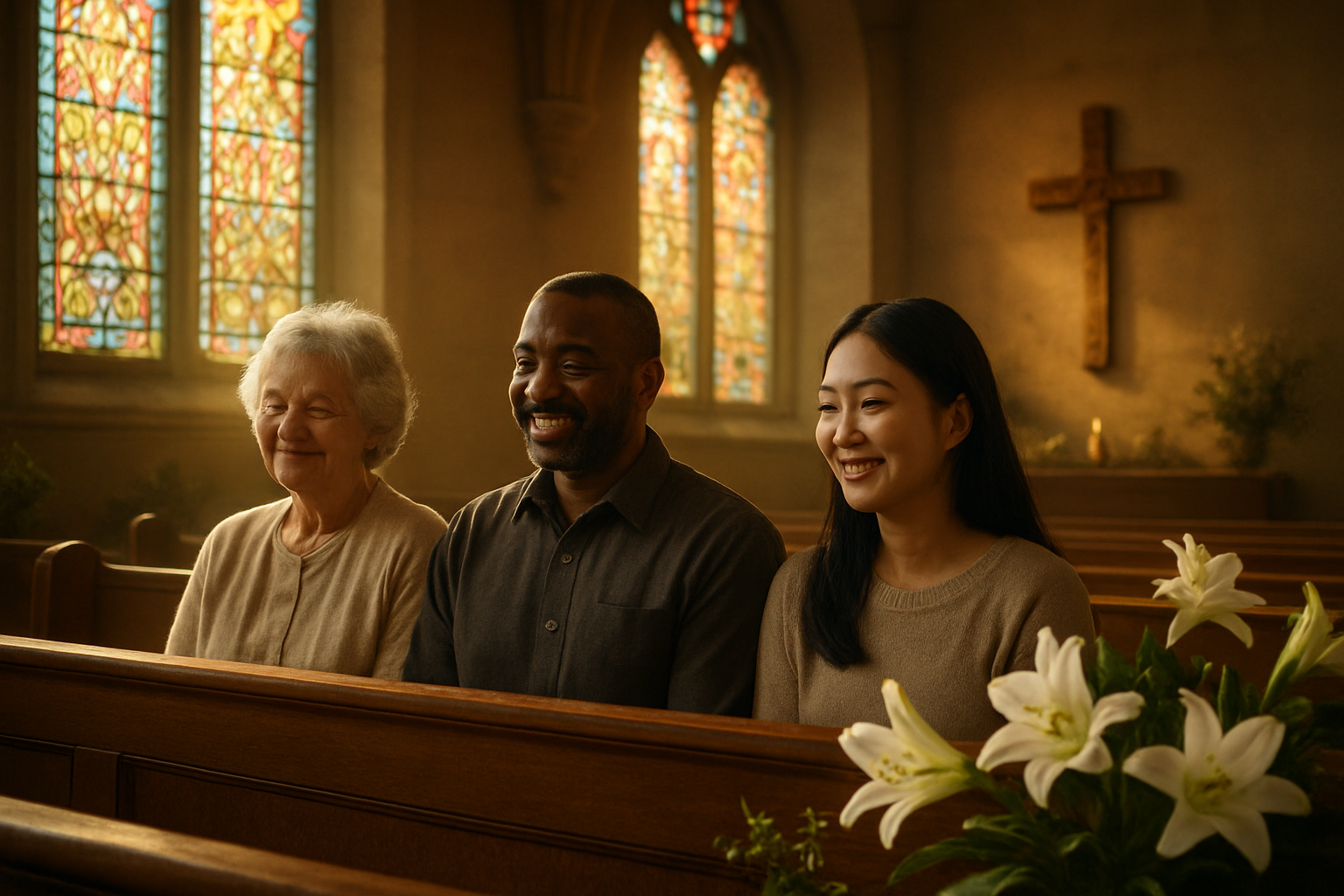
The Easter season offers countless ways to grow closer to God and strengthen your faith journey. From participating in time-honored Holy Week services to developing personal prayer and fasting practices, each activity brings its own spiritual rewards. Creating meaningful family traditions and serving others in your community transforms this sacred time into something deeply personal and impactful.
Don't let this Easter pass by without intentionally engaging in activities that will enrich your spiritual life. Start small by choosing one or two practices that resonate with you, whether that's attending a Maundy Thursday service, starting a family devotion time, or volunteering at a local shelter. Your faith community is also waiting to welcome you into deeper fellowship through shared meals, study groups, and worship experiences. This Easter, make the choice to step beyond the chocolate eggs and embrace the true transformation this season offers.


Comments
Post a Comment