The Virtuous Woman Explained (Proverbs 31: 10-31)
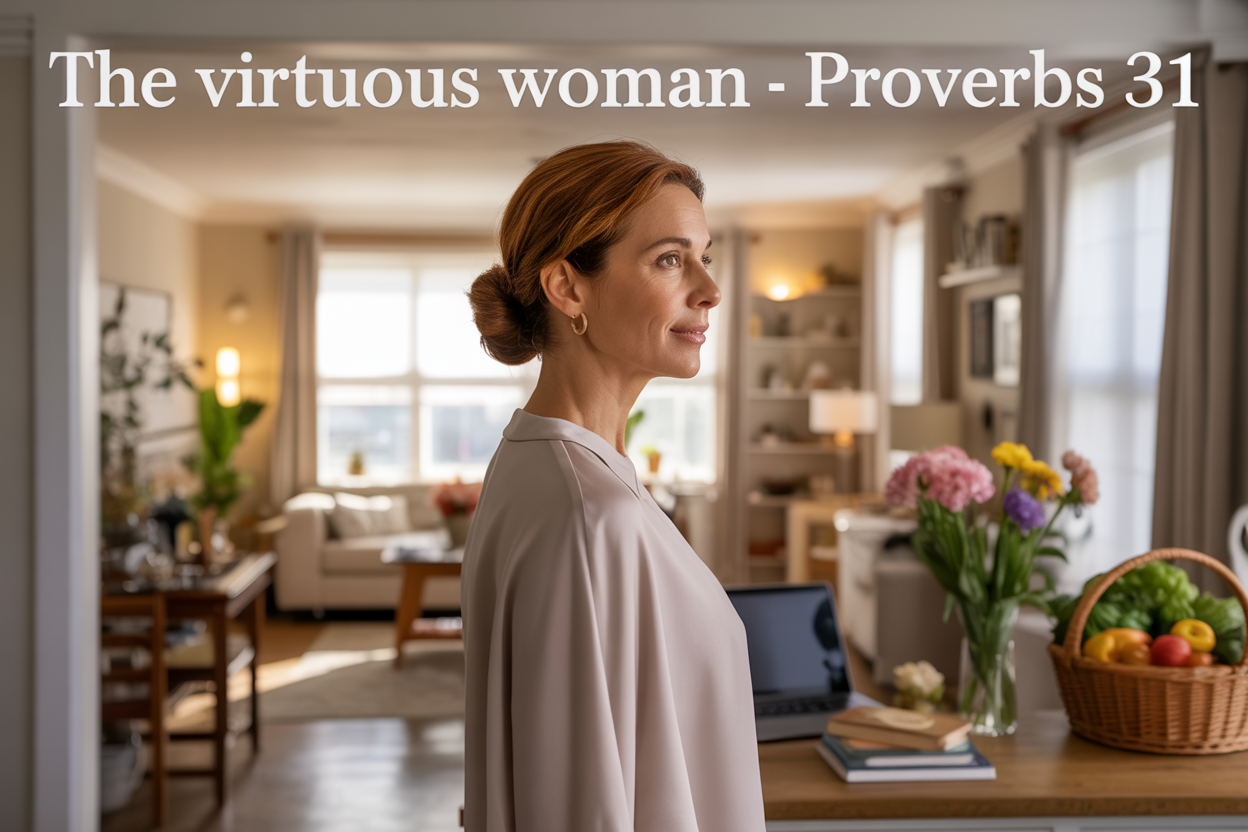
The Proverbs 31 woman has sparked countless conversations among Christian women seeking to understand what biblical womanhood really looks like. This famous passage about the virtuous woman Bible scholars have studied for centuries offers a rich portrait of godly woman qualities that transcend cultural boundaries and time periods.
Who This Guide Is For:
This breakdown is perfect for Christian women who want to dig deeper into Proverbs 31:10-31 meaning, church leaders teaching about biblical femininity, and anyone curious about how the noble wife Proverbs 31 describes can inspire modern living. You don't need a theology degree to grasp these timeless virtuous woman characteristics.
What We'll Explore:
We'll unpack the character qualities that make a woman truly virtuous according to Scripture, moving beyond surface-level interpretations to discover the heart behind these traits. You'll also learn how the Proverbs 31 woman today can balance domestic excellence with personal growth, showing that biblical womanhood isn't about limiting potential but maximizing it. Finally, we'll examine her economic wisdom and community impact, revealing how Christian woman character extends far beyond the home into business, leadership, and social responsibility.
Get ready to see this ancient text in a fresh light that speaks directly to your life today.
Understanding the Virtuous Woman in Biblical Context

Examining the Hebrew term "eshet chayil" and its significance
The original Hebrew phrase "eshet chayil" literally translates to "woman of strength" or "woman of valor." This powerful expression appears only twice in the Hebrew Bible – once in Ruth 3:11 describing Ruth herself, and again in Proverbs 31:10 introducing our passage. The word "chayil" carries military connotations, describing warriors, armies, and mighty men of valor throughout Scripture.
When ancient readers encountered "eshet chayil," they understood this woman as a force to be reckoned with – someone possessing strength, capability, and moral excellence. The term encompasses physical strength, mental fortitude, economic prowess, and ethical character all wrapped into one comprehensive description.
Modern translations like "virtuous woman" or "noble wife" capture part of the meaning but miss the dynamic energy of the original Hebrew. This Proverbs 31 woman isn't portrayed as passive or merely ornamental. She's described as someone who actively engages with life, makes decisions, and creates positive change in her sphere of influence.
Placing Proverbs 31:10-31 within ancient Near Eastern culture
Ancient Near Eastern societies valued capable women who could manage households, participate in commerce, and contribute to family prosperity. Unlike many modern assumptions about women's roles in biblical times, archaeological evidence reveals women engaged in business, owned property, and held significant social influence.
The Proverbs 31:10-31 passage reflects this cultural reality. Women in ancient Israel often managed complex households that functioned as economic units, producing textiles, food, and other goods for both family use and trade. They supervised servants, made purchasing decisions, and contributed directly to family wealth.
Several cultural elements stand out in this description:
-
Agricultural society: References to vineyards, fields, and flax reflect an agrarian economy
-
Textile production: Spinning, weaving, and clothing production were essential household industries
-
Merchant activity: Trade relationships and business dealings were normal for capable women
-
Extended household: The description includes servants, indicating households that extended beyond immediate family
This cultural backdrop helps us understand that the virtuous woman Bible passage describes someone operating within established social norms, not breaking revolutionary new ground for women's roles.
Recognizing the passage as wisdom literature for both men and women
Proverbs 31 functions as wisdom literature, offering practical guidance for successful living. The passage appears at the book's conclusion as a climactic example of wisdom personified. Throughout Proverbs, wisdom is consistently portrayed in feminine terms – "Lady Wisdom" who calls from the streets, builds her house, and invites people to her banquet.
This connection isn't accidental. The noble wife Proverbs 31 embodies the practical application of wisdom principles taught throughout the book. She demonstrates discernment in business dealings, shows kindness to the poor, speaks with wisdom, and fears the Lord – all major themes from earlier chapters.
While often interpreted as instruction specifically for women, the passage actually serves multiple purposes:
-
For young men: A description of the kind of wife to seek
-
For women: A model of godly woman qualities to develop
-
For families: A picture of how wisdom transforms households
-
For society: An example of how virtue creates community prosperity
The acrostic structure (each verse beginning with successive Hebrew alphabet letters) suggests this passage was designed for memorization and teaching, making wisdom principles accessible to entire communities.
Distinguishing between cultural practices and timeless principles
Reading Proverbs 31 woman today requires careful distinction between culture-specific practices and universal principles. Some elements clearly reflect ancient Near Eastern life: working with wool and flax, buying fields with personal earnings, or providing food for servants. These specific activities don't necessarily apply directly to modern women's lives.
The enduring principles behind these practices remain relevant:
| Cultural Practice | Timeless Principle |
|---|---|
| Working with wool and flax | Developing practical skills and creativity |
| Buying fields | Making wise investments and financial decisions |
| Providing servant meals | Caring responsibly for those under your authority |
| Rising before dawn | Diligent work ethic and good time management |
| Teaching wise counsel | Using words to build up and encourage others |
Biblical womanhood as portrayed here emphasizes character over specific roles or activities. The passage highlights trustworthiness, industry, wisdom, kindness, and fear of the Lord – qualities that transcend cultural boundaries and historical periods.
Understanding these distinctions prevents both legalistic applications that bind women to ancient practices and dismissive attitudes that reject the passage as culturally irrelevant. The Proverbs 31 woman represents timeless ideals expressed through time-bound examples, offering inspiration for Christian woman character development across all eras and cultures.
Character Qualities That Define True Virtue

Demonstrating Trustworthiness and Reliability in Relationships
The Proverbs 31 woman builds her life on a foundation of absolute trust. Her husband's heart "safely trusts in her" because she consistently proves herself worthy of that confidence through her actions and choices. This isn't about perfection—it's about predictable character that others can count on.
Trustworthiness shows up in the small moments: keeping confidences shared in vulnerability, following through on commitments even when inconvenient, and speaking truth with kindness. The virtuous woman understands that trust takes years to build but can be destroyed in moments, so she guards her reputation carefully.
Reliability extends beyond marriage into friendships, family relationships, and community connections. When this woman says she'll be somewhere, she shows up. When she commits to helping, she delivers. Her word becomes her bond, creating a network of relationships built on mutual respect and dependability.
Showing Initiative and Entrepreneurial Spirit
The biblical womanhood described in Proverbs 31 showcases remarkable business acumen and forward-thinking initiative. This woman doesn't wait for opportunities—she creates them. She "considers a field and buys it" and "plants a vineyard with her earnings," demonstrating strategic thinking and calculated risk-taking.
Her entrepreneurial spirit appears in various forms:
-
Textile production and sales
-
Real estate investment
-
Agricultural ventures
-
Merchant trading
This godly woman operates with both creativity and practicality. She sees needs in the marketplace and develops solutions. Her initiative benefits not just her family but contributes to the broader economy. She balances innovation with wisdom, taking measured risks that align with her values and responsibilities.
Practicing Wisdom in Decision-Making and Speech
Wisdom distinguishes the virtuous woman characteristics from mere intelligence or education. The Proverbs 31 woman opens her mouth with wisdom, choosing words that build up rather than tear down. She speaks with kindness and instruction, sharing knowledge in ways that encourage and guide others.
Her decision-making process reflects careful consideration of consequences. She weighs options against her priorities, seeks counsel when needed, and chooses paths that honor her commitments. This wisdom extends to:
-
Financial decisions: Investing wisely while providing for family needs
-
Time management: Balancing multiple responsibilities effectively
-
Relationship choices: Speaking truth while maintaining love and respect
-
Opportunity evaluation: Recognizing which ventures align with her calling
Maintaining Strength and Dignity Under Pressure
The Christian woman character exemplified in Proverbs 31 possesses inner strength that sustains her through difficulties. "Strength and dignity are her clothing" suggests these qualities define her very identity, not just occasional displays of courage.
This strength manifests as:
-
Emotional resilience: Remaining steady during family crises or financial stress
-
Physical endurance: Working diligently without compromising health or relationships
-
Spiritual fortitude: Drawing on faith to navigate uncertain circumstances
-
Mental toughness: Making difficult decisions with confidence
Her dignity remains intact regardless of external circumstances. Whether facing criticism, managing conflict, or dealing with disappointment, she maintains her composure and values. This doesn't mean suppressing emotions but rather responding thoughtfully instead of reactively.
The noble wife Proverbs 31 demonstrates that true strength comes from character rather than circumstances. She faces the future with confidence because she's built her life on solid principles and reliable relationships. Her strength inspires others while her dignity commands respect, creating a powerful combination that influences everyone around her.
Domestic Excellence Without Compromising Personal Growth

Managing household responsibilities with skill and efficiency
The Proverbs 31 woman approaches her domestic duties with remarkable wisdom and strategic thinking. She doesn't just react to daily chaos - she creates systems that work. Her household runs smoothly because she's mastered the art of organization and delegation. This biblical model shows us that managing a home isn't about being perfect or doing everything yourself.
She rises early to plan her day (verse 15), understanding that preparation prevents pandemonium. Her meals are nutritious and ready when needed. Her family's clothing is well-maintained and appropriate for the weather. These practical skills reflect her commitment to excellence, but more importantly, they free up mental energy for bigger pursuits.
The virtuous woman uses tools and resources wisely. She might batch similar tasks together, create efficient routines, or invest in quality items that last longer. Her efficiency isn't driven by perfectionism but by love - she wants her family well-cared for without burning herself out in the process.
Creating a nurturing environment for family members
Beyond the practical tasks, this godly woman cultivates an atmosphere where people thrive. Her home becomes a sanctuary where family members feel valued, heard, and supported. She speaks with wisdom and kindness (verse 26), creating emotional safety that allows everyone to be authentic.
This nurturing spirit extends to recognizing each person's unique needs and dreams. She celebrates her children's achievements and supports her husband's ambitions. Her home isn't just organized - it's warm, welcoming, and full of encouragement. She creates traditions, makes ordinary moments special, and builds memories that last a lifetime.
The Proverbs 31 woman also models healthy boundaries. She knows when to step in with guidance and when to let family members learn from their own experiences. Her nurturing comes from strength, not weakness, and helps others develop their own capabilities.
Balancing care for others with personal development
Here's where the biblical womanhood model gets really interesting - she never stops growing as an individual. While caring deeply for her family, she also invests in her own skills, interests, and calling. She considers a field and buys it (verse 16), showing business acumen and personal initiative.
The virtuous woman characteristics include continuous learning and self-improvement. She might develop new skills, pursue creative outlets, or expand her knowledge in areas that interest her. This isn't selfish - it actually makes her a better wife, mother, and community member because she's bringing her full potential to every role.
She understands that taking care of herself isn't optional if she wants to care well for others. This means getting adequate rest, maintaining her physical health, nurturing friendships, and spending time in activities that refresh her spirit. She doesn't feel guilty about having interests outside her family because she knows this makes her more interesting, capable, and fulfilled.
The balance comes through seasons and priorities. Sometimes family needs require more attention, and sometimes personal growth takes center stage. She's flexible enough to adjust while maintaining her commitment to both areas. Her family respects her individual pursuits because they see how it contributes to her overall happiness and effectiveness.
This Proverbs 31 woman today shows us that we don't have to choose between being devoted to our families and pursuing our own development. Both can coexist beautifully when approached with wisdom and intentionality.
Economic Wisdom and Financial Stewardship
Making Sound Investments and Business Decisions
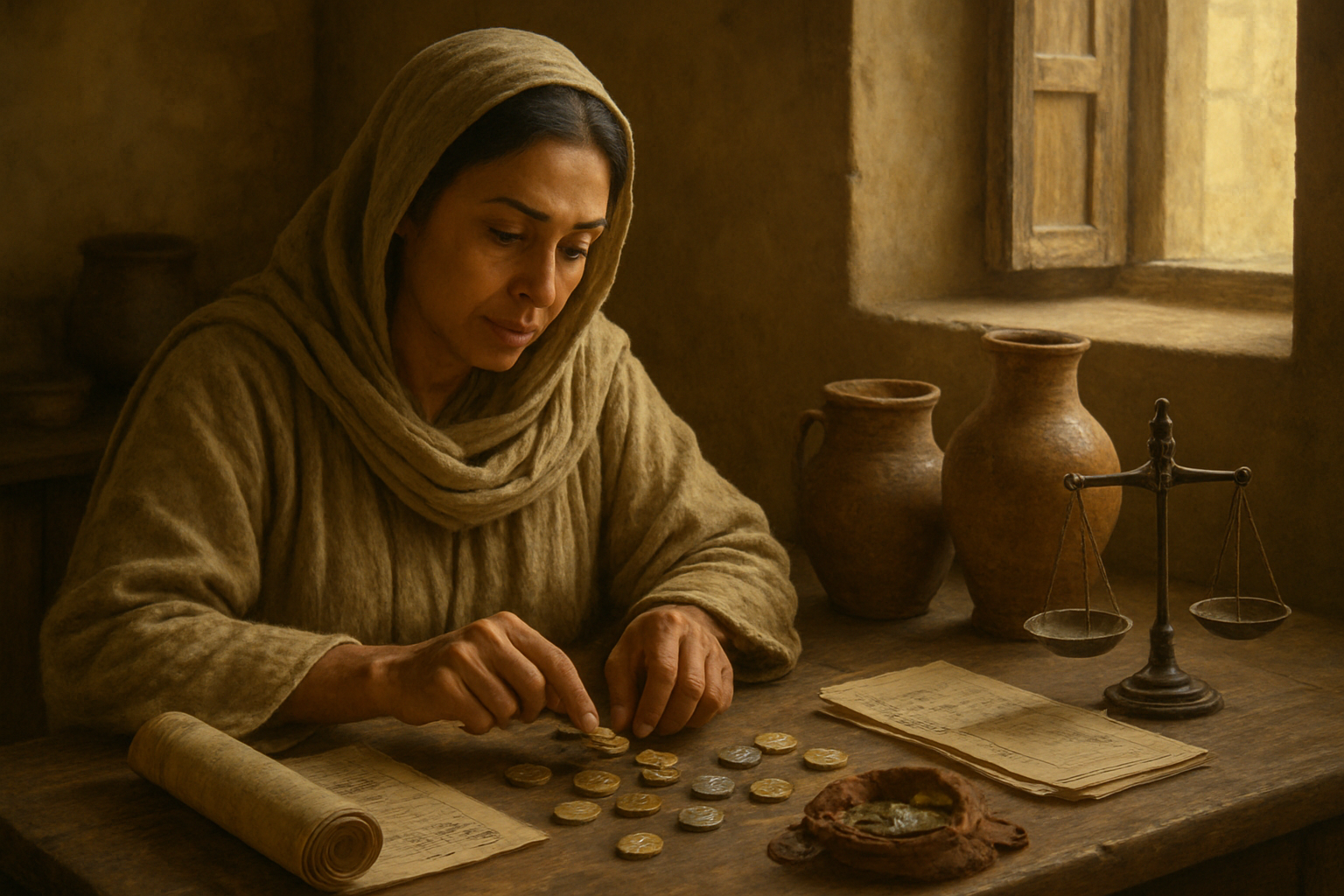
The Proverbs 31 woman demonstrates remarkable financial acumen through strategic thinking and calculated risks. She "considers a field and buys it; out of her earnings she plants a vineyard" (Proverbs 31:16). This verse reveals her ability to evaluate opportunities, assess market conditions, and make profitable investments. She doesn't rush into purchases but carefully weighs each decision against her family's long-term financial goals.
Her investment strategy goes beyond simple real estate transactions. She understands market timing, researches property values, and considers the potential for future growth. The vineyard planting shows her vision for creating sustainable income streams rather than quick profits. Modern applications include researching stocks, evaluating rental properties, or starting businesses with solid foundations.
Contributing to Family Income Through Various Enterprises
Biblical womanhood includes active participation in generating household income through multiple revenue streams. The virtuous woman "makes linen garments and sells them, and supplies the merchants with sashes" (Proverbs 31:24). She creates products, builds customer relationships, and maintains consistent quality standards that keep buyers returning.
Her entrepreneurial spirit manifests through various enterprises:
-
Textile Production: Creating high-quality garments for local and regional markets
-
Agricultural Ventures: Managing vineyard operations and crop production
-
Trading Relationships: Building networks with merchants and suppliers
-
Craft Specialization: Developing expertise in valuable skills like weaving
These diverse income sources provide financial stability and reduce dependence on single revenue streams. She balances multiple projects while maintaining excellence in each area.
Practicing Generous Giving While Maintaining Financial Security
The Proverbs 31 woman masterfully balances generosity with financial responsibility. "She opens her arms to the poor and extends her hands to the needy" (Proverbs 31:20). Her giving flows from wisdom rather than emotion, ensuring her family's security while helping others effectively.
Her approach to charitable giving includes:
-
Strategic Philanthropy: Supporting causes that create lasting change
-
Personal Involvement: Hands-on assistance rather than just monetary donations
-
Sustainable Practices: Giving amounts that don't compromise family stability
-
Teaching Opportunities: Using generosity to model values for children
She understands that responsible stewardship requires maintaining reserves for emergencies while consistently supporting worthy causes. Her giving strengthens community bonds and demonstrates godly character without jeopardizing her family's future.
Teaching Children the Value of Hard Work and Wise Money Management
Financial education forms a cornerstone of the virtuous woman's parenting philosophy. She models diligent work habits and involves children in age-appropriate business activities. Her children observe her negotiating with merchants, planning investments, and managing household budgets.
Her teaching methods include:
-
Practical Experience: Involving children in family business operations
-
Work Ethics: Demonstrating the connection between effort and results
-
Budget Planning: Showing how families allocate resources wisely
-
Delayed Gratification: Teaching patience in achieving financial goals
Children learn money management through real-world examples rather than abstract concepts. They see how their mother evaluates purchases, saves for goals, and makes charitable contributions. This hands-on education prepares them for independent financial decision-making while instilling biblical principles about wealth and stewardship.
Community Impact and Social Responsibility
Extending compassion to those in need and vulnerable populations
The Proverbs 31 woman demonstrates her godly character through active compassion toward those society often overlooks. Scripture tells us "She opens her arms to the poor and extends her hands to the needy" (Proverbs 31:20). This biblical womanhood principle goes beyond occasional charity—it represents a lifestyle of intentional generosity and awareness of others' struggles.
A virtuous woman recognizes her responsibility to care for widows, orphans, immigrants, and those facing economic hardship. She sees these opportunities as divine appointments rather than inconveniences. Whether providing meals for struggling families, volunteering at local shelters, or mentoring at-risk youth, she understands that true virtue shines brightest when serving the most vulnerable.
This compassionate heart reflects God's own character and demonstrates the transformative power of biblical femininity in action. The Proverbs 31 woman today might organize food drives, support single mothers, or advocate for children in foster care. Her influence extends beyond her immediate family to embrace those who desperately need hope and practical assistance.
Building positive relationships with neighbors and community members
The noble wife Proverbs 31 describes doesn't live in isolation but actively cultivates meaningful relationships within her community. She understands that godly woman qualities include being a bridge-builder who fosters unity and cooperation among diverse groups of people.
This involves more than surface-level pleasantries. She invests time in truly knowing her neighbors, remembering their children's names, celebrating their victories, and offering support during difficult seasons. When conflicts arise—and they will—she approaches them with grace and seeks reconciliation rather than gossip or division.
Her home becomes a gathering place where people feel welcomed and valued. She hosts community events, facilitates neighborhood watch groups, or simply creates spaces where genuine friendships can flourish. Through consistent kindness and reliability, she earns respect and trust that enables her to speak wisdom into challenging situations.
Using influence to promote justice and righteousness
A virtuous woman Bible study reveals that godly influence isn't passive but actively promotes what's right and just. The Christian woman character described in Proverbs 31 uses whatever platform she has—whether large or small—to advocate for truth and fairness in her community.
This might involve supporting ethical businesses, speaking up against discrimination, or working with local officials to address community problems. She doesn't shy away from difficult conversations about moral issues, but approaches them with wisdom and respect for others' dignity.
Her influence operates through relationship and example rather than force or manipulation. People listen to her because they've witnessed her integrity in daily life. When she speaks about justice issues, her words carry weight because her actions have consistently demonstrated her commitment to righteousness.
Leaving a lasting legacy through service to others
The Proverbs 31:10-31 meaning extends beyond immediate impact to generational influence. This virtuous woman characteristics include thinking long-term about how her service will continue benefiting others even after she's gone. She doesn't just solve today's problems—she builds systems and relationships that will keep making a difference.
Her legacy might include mentoring younger women who carry forward her vision for community transformation. She might establish scholarships, create support networks, or develop programs that address ongoing needs. The ministries she starts or supports continue flourishing because she's invested in training others and creating sustainable solutions.
Most importantly, her children and grandchildren observe her heart for service and adopt similar values. They see how fulfilling it is to live beyond themselves and make meaningful contributions to their communities.
Speaking with wisdom and kindness in public settings
When the Proverbs 31 woman speaks publicly—whether in formal meetings, casual conversations, or social media interactions—her words reflect both wisdom and kindness. She's earned the right to be heard because she speaks thoughtfully and treats others with respect, even during disagreements.
Her communication style combines truth with grace. She doesn't compromise her convictions to be popular, but she presents them in ways that invite conversation rather than shut it down. People appreciate her input because they know she's genuinely interested in finding solutions rather than just voicing opinions.
This virtuous woman today carefully considers the timing and manner of her words. She speaks up when silence would enable injustice, but she also knows when listening serves the situation better than talking. Her consistent pattern of wise, kind communication makes her a trusted voice in community discussions about important issues.
The Proverbs 31 woman represents more than just an ancient ideal—she's a timeless example of balanced living that speaks to women today. Her character combines strength with gentleness, wisdom with humility, and personal excellence with care for others. She manages her household skillfully while also engaging in business ventures, showing us that domestic responsibilities and personal ambitions don't have to conflict with each other.
What makes her truly remarkable isn't her ability to do everything perfectly, but her heart for serving God and loving others well. She builds up her family, helps those in need, and contributes positively to her community. Rather than seeing her as an impossible standard to meet, we can view her as inspiration to grow in character, wisdom, and purpose. Every woman can apply these principles in her own unique way, creating a life that honors God while making a meaningful difference in the world around her.


Comments
Post a Comment