Love That Builds Strong Christian Communities
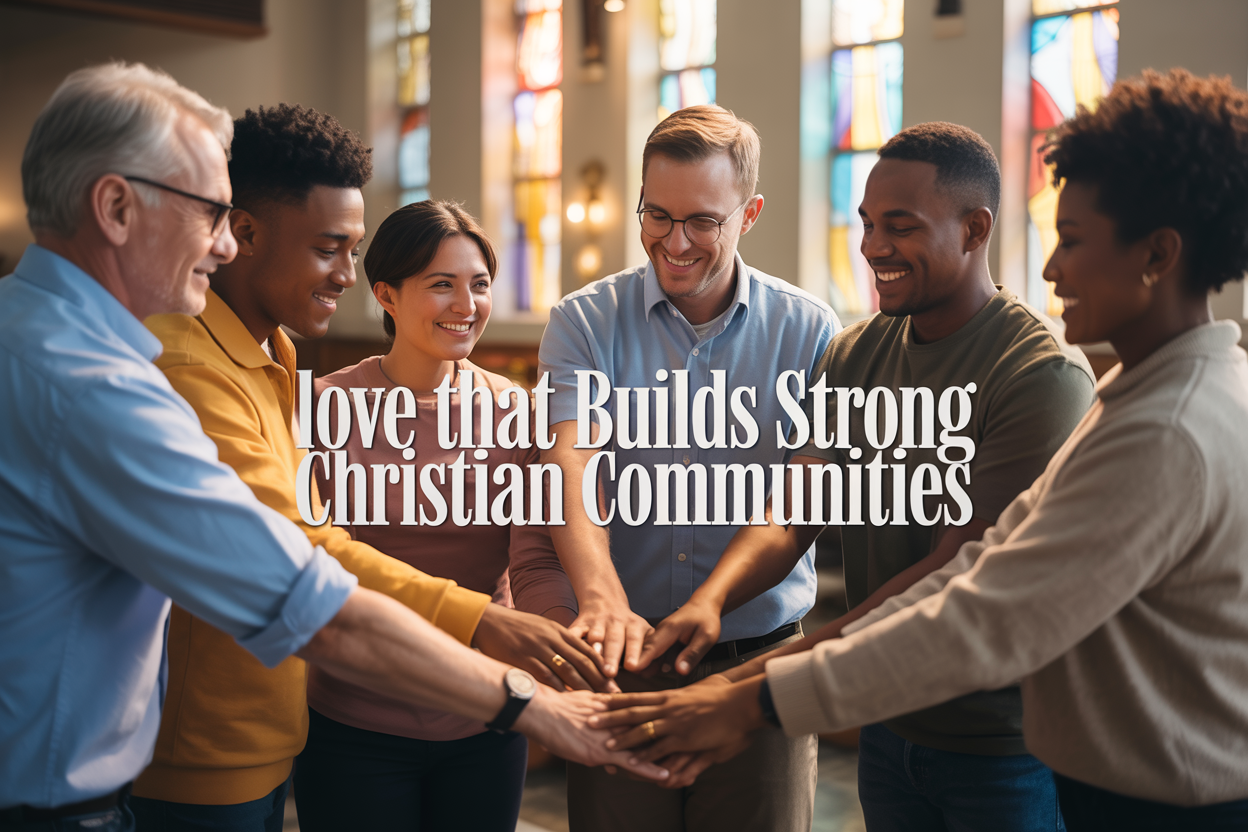
Strong church communities don't happen by accident—they're built on love that goes beyond Sunday morning smiles and casual greetings. Christian community building requires intentional effort to create authentic Christian relationships that can weather life's storms and celebrate its joys together.
This guide is for pastors, church leaders, and committed believers who want to move past surface-level interactions and develop the kind of biblical love in action that transforms both individuals and congregations. Whether your church is struggling with division, your small group feels disconnected, or you're simply passionate about deeper church unity and fellowship, these practical insights will help you create lasting change.
We'll explore how biblical love forms the bedrock of every thriving faith community, then dive into building trust through genuine relationships that go beyond small talk. You'll also discover proven strategies for serving together in faith—turning shared mission into the glue that bonds your spiritual growth community for years to come.
Understanding the Foundation of Biblical Love

Defining agape love as the cornerstone of Christian fellowship
Agape love stands apart from every other form of love because it comes from God himself. This isn't the butterflies-in-your-stomach feeling or the warm fuzzies we get around people we like. Agape is the unconditional, self-sacrificing love that God shows us, and it becomes the bedrock of authentic Christian relationships.
When Paul writes about love in 1 Corinthians 13, he's describing agape - patient, kind, not envious or boastful. This love doesn't keep score of wrongs or celebrate when others fail. Instead, it protects, trusts, hopes, and perseveres through everything. This is what transforms a group of believers into a true Christian community building something lasting and meaningful.
The beautiful thing about agape love is that it's not based on whether someone deserves it. God loved us while we were still sinners, and that's the same love we're called to share with our brothers and sisters in faith. This creates a safe space where people can be real about their struggles without fear of rejection.
Examining Christ's commandment to love one another
Jesus made it crystal clear when he said, "A new command I give you: Love one another. As I have loved you, so you must love one another" (John 13:34). This wasn't a suggestion or gentle recommendation - it was a direct command from our Savior.
The weight of this commandment hits differently when we remember how Jesus loved us. He left heaven, lived among broken people, endured rejection, and died on a cross for our sins. That's the standard he set for how we should love each other in our faith communities.
This commandment shows up repeatedly in the New Testament because it's so central to who we are as believers. John emphasizes it again in his letters, reminding us that we can't claim to love God while hating our brothers and sisters. The two are inseparable.
Living out this commandment creates biblical love in action within our church communities. When we choose to forgive someone who hurt us, serve someone who can't give anything back, or encourage someone who's struggling, we're following Christ's example and building the kind of authentic Christian relationships that draw others to God.
Recognizing love as the distinguishing mark of believers
Jesus told his disciples that the world would know they were his followers by their love for one another (John 13:35). Love isn't just a nice addition to our faith - it's the identifying characteristic that sets believers apart from everyone else.
Think about it this way: anyone can be religious, follow rules, or put on a good show. But the kind of selfless, sacrificial love that Jesus demonstrated? That only comes from a heart transformed by God's grace. When people see Christians truly loving each other through thick and thin, it's a powerful testimony to God's work in our lives.
This distinguishing mark of love creates church unity and fellowship that's attractive to outsiders. People are drawn to communities where they see genuine care, forgiveness, and acceptance. In a world full of division and selfishness, a group of people who actually love each other well stands out like a lighthouse.
The early church exemplified this perfectly. Acts 2 describes how believers shared everything they had, met together daily, and enjoyed the favor of all the people. Their love for one another was so evident that it drew others to faith and grew the church daily.
Distinguishing between worldly affection and godly love
Not all love is created equal, and understanding the difference between worldly affection and godly love is crucial for building strong church bonds. Worldly love is conditional - it depends on how someone treats us, what they can do for us, or how we feel about them in the moment.
Godly love, on the other hand, is a choice rooted in obedience to Christ. It doesn't fluctuate based on emotions or circumstances. This type of love can exist even when we don't particularly like someone's personality or when they've hurt us deeply.
| Worldly Affection | Godly Love |
|---|---|
| Based on feelings | Based on choice and commitment |
| Conditional and changing | Unconditional and steady |
| Self-focused | Others-focused |
| Seeks personal benefit | Seeks others' good |
| Fails under pressure | Perseveres through trials |
Worldly affection says "I love you because..." while godly love says "I love you period." This distinction matters tremendously in faith-based community development because it determines whether relationships survive conflict, disappointment, and the normal messiness of life together.
When we operate from godly love, we can work through disagreements, extend grace when someone fails, and maintain Christian brotherhood and sisterhood even during difficult seasons. This creates the stable foundation necessary for long-term spiritual growth community where people can be authentic and grow together in their faith.
Building Trust Through Authentic Relationships
Creating Safe Spaces for Vulnerability and Transparency
Authentic Christian relationships flourish when people feel safe enough to drop their masks and share their real struggles. Building strong church bonds requires intentionally creating environments where vulnerability becomes a strength rather than a weakness. This means establishing ground rules for confidentiality, responding to shared struggles with grace instead of judgment, and modeling openness from leadership down.
Safe spaces don't just happen naturally - they're cultivated through consistent actions that demonstrate trustworthiness. When someone shares a personal struggle or doubt, the community's response sets the tone for future transparency. Churches that want to see Christian community building thrive must actively protect those who choose vulnerability. This includes having clear boundaries about what gets shared beyond the group and ensuring that personal revelations never become gossip material.
Leaders play a crucial role by being the first to share authentically about their own challenges and growth areas. When pastors and ministry leaders demonstrate that perfection isn't the goal, it gives permission for everyone else to be real too.
Practicing Active Listening and Empathy
Active listening goes far beyond hearing words - it involves fully engaging with someone's heart and story. In Christian discipleship relationships, this skill becomes essential for building the kind of trust that transforms lives. Active listeners ask clarifying questions, reflect back what they've heard, and resist the urge to immediately offer solutions or share their own similar experiences.
Empathy takes listening one step further by genuinely trying to understand someone else's perspective and emotions. This doesn't mean agreeing with everything someone says, but it does mean valuing their experience enough to truly hear them. When church members feel heard and understood, they're more likely to continue sharing and growing in community.
The practice of empathetic listening creates ripple effects throughout a congregation. People who feel genuinely heard become more willing to extend that same grace to others, creating a culture where authentic Christian relationships can flourish. This kind of environment naturally supports faith-based community development because people feel known and valued for who they really are.
Demonstrating Consistent Character and Reliability
Trust builds slowly through countless small actions that demonstrate reliability and integrity. In Christian brotherhood and sisterhood, consistency matters more than perfection. People need to know they can count on their community members to show up, follow through on commitments, and maintain the same character whether anyone's watching or not.
Reliability shows up in simple ways: arriving on time for meetings, keeping promises made in casual conversation, and maintaining the same attitude whether dealing with exciting news or difficult circumstances. These seemingly small actions create the foundation for deeper trust over time.
Character consistency also means owning mistakes quickly and making things right when trust gets damaged. Perfect people don't exist, but trustworthy people take responsibility for their failures and work to rebuild what's been broken. This kind of humility actually strengthens relationships rather than weakening them.
| Trust-Building Actions | Impact on Community |
|---|---|
| Following through on commitments | Creates reliability expectations |
| Admitting mistakes openly | Models humility and growth |
| Maintaining confidentiality | Builds safety for vulnerability |
| Showing up consistently | Demonstrates prioritizing relationships |
When community members demonstrate consistent character over time, it creates an atmosphere where biblical love in action becomes the natural response to life's challenges and celebrations alike.
Fostering Unity Despite Differences
Embracing diversity in backgrounds and perspectives
Christian communities thrive when they welcome people from all walks of life. The beauty of church unity and fellowship lies in bringing together individuals with different cultural backgrounds, life experiences, and viewpoints under the banner of shared faith. When a congregation includes young professionals, retirees, single parents, married couples, college students, and families from various ethnic backgrounds, it creates a rich tapestry that reflects God's diverse creation.
Each person brings unique insights shaped by their journey. A business executive might offer practical wisdom about leadership, while someone who has experienced financial hardship can share profound lessons about trust and provision. Recent immigrants contribute fresh perspectives on faith and community, while long-time church members provide stability and historical context.
The key to authentic Christian relationships across these differences is creating space for everyone's voice. This means designing ministries and small groups that welcome various age groups and backgrounds rather than defaulting to homogeneous gatherings. It also involves actively listening to different viewpoints during discussions and decision-making processes.
When churches embrace this diversity, they model the kingdom of heaven described in Revelation 7:9 – people "from every nation, tribe, people and language" standing together. This diversity strengthens biblical love in action by challenging assumptions, broadening perspectives, and creating opportunities for mutual learning and growth.
Resolving conflicts with grace and forgiveness
Conflict is inevitable in any Christian community building effort, but how communities handle disagreements determines their long-term health. Rather than avoiding difficult conversations or allowing resentment to fester, strong Christian communities develop healthy patterns for addressing disputes.
The foundation for conflict resolution rests on Matthew 18:15-17, which outlines a clear process: speak directly to the person involved, bring a witness if needed, and involve church leadership when necessary. This approach prevents gossip and ensures issues are addressed constructively.
Grace plays a central role in these conversations. Instead of approaching conflicts with the goal of winning or proving a point, community members can focus on understanding each other's perspectives and finding solutions that honor God. This requires humility, patience, and a willingness to admit mistakes.
Forgiveness doesn't mean ignoring wrongdoing or pretending hurt didn't happen. Real forgiveness acknowledges the pain while choosing to release the desire for revenge or punishment. Christian discipleship relationships are built on this foundation of grace, knowing that everyone needs forgiveness and second chances.
Some practical steps for resolving conflicts include:
-
Praying before difficult conversations
-
Using "I" statements to express feelings without attacking character
-
Focusing on specific behaviors rather than making generalizations
-
Seeking to understand before being understood
-
Involving neutral mediators when emotions run high
Finding common ground in shared faith values
While Christian communities may disagree on secondary issues, they can always return to core faith values that unite them. These shared beliefs create a solid foundation for building strong church bonds even when surface-level differences threaten to divide.
The gospel message serves as the ultimate common ground. When disputes arise over worship styles, ministry approaches, or personal preferences, communities can refocus on their shared commitment to following Jesus Christ. This doesn't minimize legitimate concerns, but it provides proper perspective on what truly matters.
Core values that unite Christian communities include:
-
Love for God and neighbor
-
Commitment to Scripture as God's Word
-
Belief in salvation through Jesus Christ
-
Desire to serve others and share the gospel
-
Hope in eternal life and God's promises
Finding common ground also involves recognizing that different expressions of faith can coexist beautifully. Some prefer traditional hymns while others connect with contemporary worship music. Some find God in quiet contemplation while others encounter Him in enthusiastic praise. Rather than viewing these differences as threats, mature communities see them as complementary ways of honoring God.
Regular reminders of shared purpose help communities stay focused during challenging seasons. Mission statements, vision casting, and testimony sharing reinforce the common ground that brings everyone together despite their individual differences.
Celebrating individual gifts while maintaining collective purpose
Healthy Christian communities recognize that every member brings unique gifts and talents that contribute to the whole body. First Corinthians 12 describes the church as a body with many parts, each essential for proper functioning. This biblical principle guides how communities can celebrate individual contributions while working toward shared goals.
Identifying and developing spiritual gifts requires intentional effort. Churches can offer assessments, mentoring relationships, and trial opportunities to help people discover their calling. Some excel at teaching, others at hospitality, administration, or pastoral care. When communities create space for these diverse gifts to flourish, everyone benefits.
The challenge lies in balancing individual expression with collective purpose. Personal talents should serve the community's mission rather than personal ambition. A gifted musician contributes to worship that draws people closer to God, not to showcase their abilities. A natural leader guides others toward spiritual growth, not personal recognition.
Creating systems that honor individual gifts while maintaining unity requires:
-
Clear communication about the community's overall mission
-
Opportunities for people to serve in their areas of strength
-
Regular check-ins to ensure individual ministries align with collective goals
-
Encouragement and support for those developing their gifts
-
Graceful redirection when personal agendas overshadow community purpose
When done well, celebrating individual gifts creates a vibrant community where everyone feels valued and purposeful, strengthening the bonds that hold the group together through both good times and challenges.
Serving Together with Purpose
.png)
Identifying Community Needs and Ministry Opportunities
Strong Christian community building begins when believers look beyond their own needs and recognize the gaps around them. Every congregation sits at the intersection of countless opportunities - from the single mother struggling to find childcare to the elderly member who hasn't had a home-cooked meal in weeks. These moments aren't just chances to help; they're invitations to experience biblical love in action.
Effective churches create systems for discovering these needs rather than waiting for them to surface. Regular prayer walks through neighborhoods reveal struggling families, neglected properties, and isolation. Small group leaders who truly know their members spot financial stress, relationship struggles, and health challenges before they become crises. Even simple coffee conversations after service can uncover ministry opportunities hiding in plain sight.
The key lies in moving from awareness to action. When authentic Christian relationships exist, people feel safe sharing their real struggles. Community members become both the identifiers of need and the solution providers, creating a beautiful cycle where serving together in faith strengthens everyone involved.
Mobilizing Diverse Talents for Kingdom Impact
God designed each believer with unique gifts, and healthy communities learn to weave these talents together like a master craftsman. The accountant who loves numbers can manage ministry budgets while the natural encourager visits shut-ins. The teenager with social media skills can amplify outreach efforts while the retired teacher mentors struggling students.
Smart leaders avoid the trap of asking the same few people to handle everything. Instead, they become talent scouts, watching for moments when someone's eyes light up discussing a particular ministry need. They create low-pressure opportunities for people to experiment with different service roles, understanding that spiritual growth community happens when everyone finds their sweet spot.
| Talent Type | Ministry Applications | Community Impact |
|---|---|---|
| Administrative | Event planning, record keeping, communication | Increased efficiency and organization |
| Creative | Worship arts, children's programs, marketing | Enhanced engagement and outreach |
| Practical | Maintenance, cooking, transportation | Meeting tangible needs |
| Relational | Counseling, small groups, newcomer welcome | Deeper connections and care |
The magic happens when diverse gifts combine. The artistic member designs flyers while the detail-oriented person handles logistics and the people-person builds relationships with participants. This approach transforms church unity and fellowship from a nice idea into a living reality.
Supporting One Another Through Life's Challenges
Life hits everyone differently, but Christian brotherhood and sisterhood means no one faces difficulties alone. Real support goes beyond casseroles during illness - though those matter too. It involves showing up consistently, listening without trying to fix everything, and walking alongside people through their darkest seasons.
Mature communities develop both formal and informal support networks. Formal systems might include meal trains for new parents, transportation ministries for elderly members, or financial assistance funds for emergencies. Informal support happens when relationships are deep enough that people notice when someone's missing, struggling, or needs encouragement.
The strongest support often comes from unexpected places. The person who survived divorce becomes a lifeline for someone facing separation. The couple who lost a child offers comfort that others simply cannot provide. These connections create bonds that extend far beyond Sunday morning services.
Supporting others changes both the giver and receiver. The helper discovers their own strength and purpose while the supported person experiences God's love in tangible ways. This mutual blessing builds strong church bonds that weather any storm and create lasting faith-based community development that impacts generations.
Growing Spiritually as a Connected Body
.png)
Encouraging Mutual Accountability in Faith Journey
Spiritual growth community thrives when believers feel comfortable challenging and supporting each other. True accountability goes beyond surface-level check-ins about reading the Bible or attending church. It means having people in your life who know your struggles, celebrate your victories, and aren't afraid to ask the hard questions.
Effective accountability partners create safe spaces where vulnerability is welcomed. They ask specific questions about your prayer life, relationships, and areas where you're trying to grow. They notice when you're pulling back from community or making choices that don't align with your values. Most importantly, they speak truth in love, even when it's uncomfortable.
Key Elements of Healthy Accountability:
-
Regular, intentional conversations about spiritual growth
-
Permission to ask difficult questions
-
Commitment to confidentiality and trust
-
Focus on encouragement rather than judgment
-
Shared goals for spiritual development
Sharing Wisdom and Life Experiences Openly
Christian discipleship relationships flourish when members freely share their stories, lessons learned, and hard-won wisdom. Older believers mentoring younger ones creates a natural flow of knowledge and experience. But wisdom sharing shouldn't be one-directional – everyone has unique insights to offer, regardless of age or time in faith.
Creating opportunities for storytelling strengthens building strong church bonds. Whether through small group discussions, testimony sharing, or informal conversations over coffee, these exchanges help others see God's faithfulness through different seasons of life. People connect with real stories more than abstract concepts, and hearing how others navigated challenges provides hope and practical guidance.
Praying Together for Individual and Collective Growth
Corporate prayer transforms individual believers into a unified body. When church unity and fellowship centers around shared prayer, the community develops a deep understanding of each member's needs, dreams, and spiritual battles. Praying together creates intimacy that casual conversation rarely achieves.
Effective group prayer includes both structured and spontaneous elements. Some communities benefit from prayer lists, while others prefer open sharing followed by immediate prayer. The key is creating an environment where people feel comfortable sharing real needs without fear of gossip or judgment.
Studying Scripture Collaboratively for Deeper Understanding
Biblical love in action includes helping others discover God's truth through collaborative study. When believers explore Scripture together, they bring different perspectives, life experiences, and questions that enrich everyone's understanding. Iron sharpens iron as group members challenge assumptions, ask clarifying questions, and apply biblical principles to modern situations.
Small group Bible studies work best when they encourage dialogue rather than one-way teaching. Participants should feel free to admit confusion, share alternative interpretations, and explore how passages apply to their specific circumstances. This collaborative approach to Scripture study builds authentic Christian relationships while deepening everyone's faith foundation.
Sustaining Long-Term Community Health
Establishing Healthy Boundaries and Expectations
Strong Christian communities thrive when everyone knows what's expected and feels safe. Setting clear boundaries doesn't mean building walls—it means creating a framework where biblical love in action can flourish without confusion or harm.
Start by defining core values together. What does your community stand for? How do members treat each other? What behaviors reflect Christ's love, and which ones don't? Write these down and make them visible. When people know the standards upfront, they can choose to align themselves accordingly.
Communication boundaries matter too. Establish how conflicts get resolved, who handles sensitive situations, and what information stays confidential. Create safe spaces where people can express concerns without fear of gossip or retaliation. Remember, healthy boundaries protect both the individual and the church unity and fellowship you're building.
Nurturing New Members and Welcoming Newcomers
First impressions shape everything. When someone walks into your Christian community for the first time, they're not just meeting people—they're experiencing the love of Christ through you. This moment can make or break their spiritual journey.
Create intentional pathways for newcomers. Assign friendly faces who genuinely care about making connections, not just filling volunteer slots. Share stories, not just schedules. People want to know how faith has transformed lives in your community before they consider joining.
Follow up consistently but don't overwhelm. A simple text checking how someone's week went means more than a formal email about upcoming events. Invite them to casual gatherings before expecting them to commit to leadership roles. Building strong church bonds takes time, and rushing the process often backfires.
Addressing Toxic Behaviors Before They Spread
Cancer spreads when left untreated, and toxic behavior works the same way in Christian community building. Address problems early, directly, and with love. Waiting "to see what happens" usually means watching good people get hurt and healthy relationships deteriorate.
Start with private conversations. Most people don't realize their actions are causing harm. Approach them with genuine care, specific examples, and clear expectations for change. Give them reasonable time to adjust, but don't let harmful patterns continue indefinitely.
Sometimes removal becomes necessary. This isn't about judgment—it's about protecting the community's spiritual health. When someone consistently undermines faith-based community development or refuses to change destructive behaviors, loving action means setting firmer boundaries, even if it includes asking them to step away from leadership or, in extreme cases, from the community entirely.
Creating Traditions and Rhythms That Strengthen Bonds
Shared experiences create lasting connections. Build traditions that bring people together regularly and create positive memories. These don't need to be elaborate—simple, consistent gatherings often work best for authentic Christian relationships.
Consider monthly potlucks where everyone shares a favorite dish and the story behind it. Start annual service projects that let your community serve together in faith while meeting real needs. Create seasonal celebrations that honor both spiritual milestones and life changes like graduations, new jobs, or new babies.
Weekly rhythms matter too. Maybe it's prayer walks on Saturday mornings or coffee before Sunday services. Perhaps small groups rotate hosting meals or families take turns leading children's activities. These regular touchpoints keep spiritual growth community alive between formal meetings and create multiple opportunities for Christian discipleship relationships to develop naturally.
The key is consistency. People need to know when and where they can connect. Sporadic events don't build the same sense of belonging as predictable rhythms that become part of everyone's weekly life.
.png)
Christian communities thrive when love becomes more than just a feeling—it becomes the driving force behind every interaction and decision. When believers understand biblical love as their foundation, build genuine trust with one another, and embrace unity even when they disagree, something beautiful happens. Churches transform from places people visit into families people belong to.
The real magic happens when community members roll up their sleeves and serve together while supporting each other's spiritual growth. These aren't just nice ideas to discuss in Bible study—they're the practical steps that create lasting, healthy communities. Start where you are, with the people around you, and watch how intentional love can change everything about your church experience.


Comments
Post a Comment