Choosing Love After Betrayal
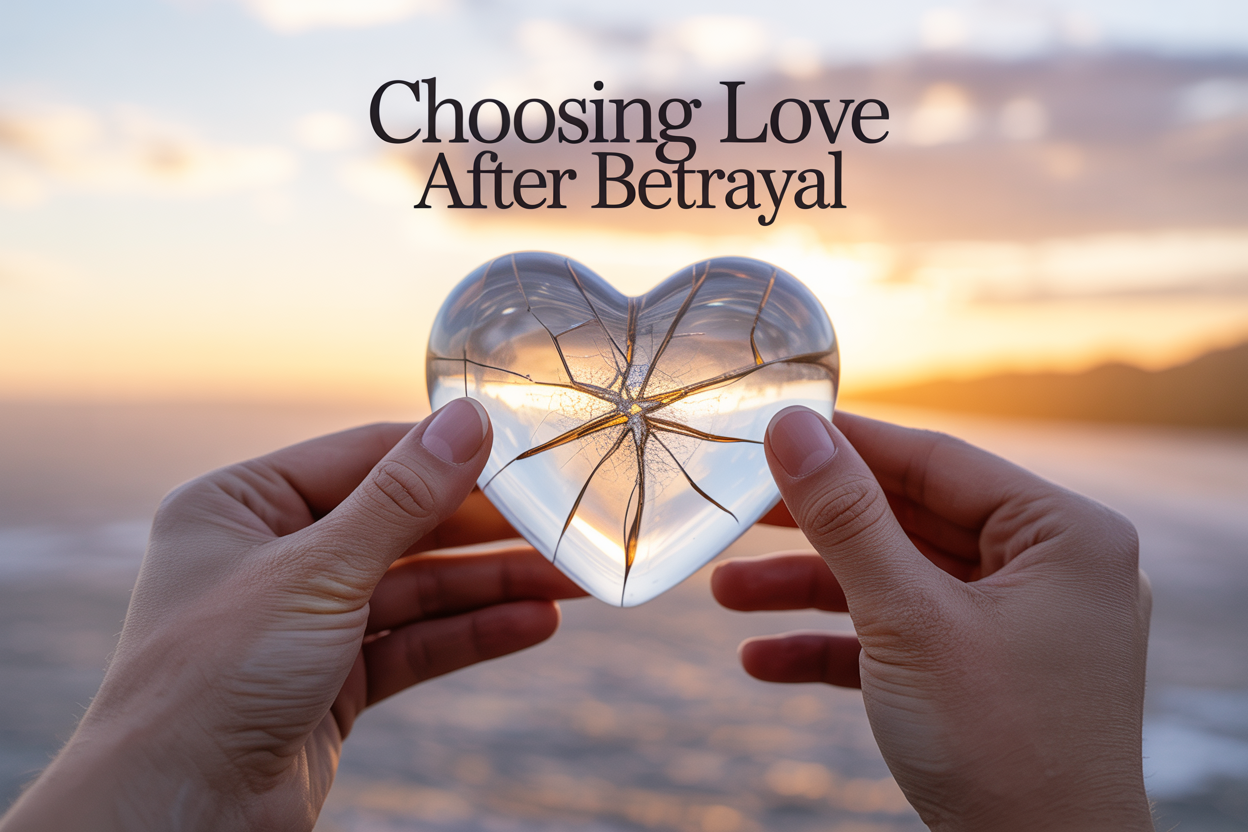
Choosing Love After Betrayal: Your Guide to Healing and Opening Your Heart Again
Betrayal cuts deep, leaving you questioning everything you thought you knew about love and trust. This guide is for anyone who's been hurt by infidelity, emotional betrayal, or broken promises and wonders if they can ever love fully again.
You're not broken, and you're not destined to settle for less than you deserve. Healing from betrayal takes time, but it's absolutely possible to rebuild trust after infidelity and find genuine love that honors who you've become.
We'll explore how betrayal affects your emotional landscape and why understanding this impact is your first step toward recovery. You'll discover the difference between settling for someone who feels "safe" versus choosing genuine love that excites and fulfills you. Finally, we'll walk through practical ways to rebuild your capacity for vulnerability after betrayal while protecting the growth you've experienced through your healing journey.
Your heart's ability to love deeply isn't gone – it's waiting for you to heal, grow, and choose love that truly serves your transformed self.
Understanding the Impact of Betrayal on Your Heart and Mind

Recognizing the Emotional Trauma and Its Effects
Betrayal hits like a freight train, leaving deep emotional wounds that affect every part of your being. When someone you trusted breaks that bond, your nervous system goes into overdrive, triggering responses similar to those experienced during physical trauma. You might find yourself replaying the moment of discovery over and over, unable to shake the images or words that shattered your world.
The effects show up in ways you never expected. Sleep becomes elusive as your mind races through what-if scenarios. Your appetite changes - some people can't eat, while others find themselves stress-eating. Anxiety creeps into everyday situations that once felt safe. You might catch yourself checking your partner's phone, analyzing their every word, or feeling panic when they're late coming home.
Physical symptoms often include:
-
Headaches and muscle tension
-
Digestive issues
-
Fatigue despite restless nights
-
Heart palpitations during triggered moments
Emotional responses typically involve:
-
Intense anger that surprises you
-
Deep sadness that feels bottomless
-
Confusion about your own judgment
-
Shame about "not seeing the signs"
Your brain rewires itself after betrayal, becoming hypervigilant to potential threats. This isn't weakness - it's your mind's way of trying to protect you from future harm. Understanding this helps you approach your healing with compassion rather than judgment.
Identifying Trust Issues That Hold You Back
Trust issues after betrayal don't just disappear when you decide you're ready to love again. They show up as subtle patterns that can sabotage your chances at genuine connection. You might find yourself becoming a detective in relationships, searching through messages, analyzing tone of voice, or creating tests to see if your partner "passes."
These protective mechanisms feel necessary, but they create distance between you and potential love. You second-guess compliments, wondering what someone really wants from you. When dates run late or cancel plans, your mind immediately jumps to betrayal scenarios. You might push people away just when things start getting serious, convincing yourself you're protecting your heart.
Common trust barriers include:
| Trust Issue | How It Shows Up | Impact on Relationships |
|---|---|---|
| Hyper-vigilance | Constant monitoring of partner's behavior | Creates tension and suspicion |
| Emotional walls | Keeping conversations surface-level | Prevents deep intimacy |
| Testing behaviors | Creating scenarios to "prove" loyalty | Pushes partners away |
| Past projection | Assuming new partners will act like past ones | Unfair to new relationships |
Some people swing to the opposite extreme, becoming overly trusting or ignoring red flags because they don't want to seem paranoid. This can lead to choosing people who aren't emotionally available or who repeat similar patterns of betrayal.
Rebuilding trust after betrayal means learning to trust yourself first - trusting your instincts, your worth, and your ability to handle whatever comes your way.
Acknowledging the Fear of Being Hurt Again
The fear of experiencing that devastating pain again can feel paralyzing. You know intellectually that not everyone will hurt you, but your heart carries the memory of betrayal like a permanent scar. This fear whispers that it's safer to stay single, to keep people at arm's length, or to settle for relationships that feel "safe" but lack depth.
You might catch yourself pulling back just when someone shows genuine interest. The closer someone gets, the louder the fear becomes. Your mind creates elaborate stories about how this person will eventually disappoint you, hurt you, or leave you for someone else. These aren't just random thoughts - they're your psyche's attempt to maintain control and avoid vulnerability.
Fear manifests in different ways:
-
Choosing partners who are emotionally unavailable (feels safer)
-
Ending relationships before they get serious
-
Creating conflict to maintain emotional distance
-
Staying busy to avoid intimate conversations
-
Making impossible demands that ensure relationships fail
Some people become addicted to the chase, only feeling excited about people who don't want them back. This feels safer because there's no real risk of intimacy or betrayal if the person isn't fully available anyway.
The fear isn't your enemy - it's trying to protect you. But when fear drives your choices, you end up choosing safety over love, predictability over growth. Learning to acknowledge this fear without letting it control your decisions becomes essential for choosing love after betrayal. You can feel afraid and still choose to open your heart. The goal isn't to eliminate fear but to act with courage despite its presence.
Healing Your Wounds Before Opening Your Heart Again

Processing Your Pain Through Healthy Outlets
Pain from betrayal doesn't just disappear on its own - it needs somewhere to go. When you bottle up those intense emotions, they have a way of surfacing at the worst possible moments, sabotaging your chances at future happiness. Finding healthy ways to process your pain is crucial for healing from betrayal and preparing your heart for genuine love again.
Journaling becomes your safe space to pour out everything you're feeling without judgment. Write angry letters you'll never send, document your healing journey, or simply dump your thoughts onto paper when they become overwhelming. Physical movement helps release trapped emotions from your body - whether that's hitting a punching bag, running until you're breathless, or dancing to music that matches your mood.
Creative expression offers another powerful outlet. Paint your emotions, write poetry about your experience, or learn an instrument to channel your feelings into something beautiful. Many people find talking with a therapist invaluable during this phase, providing professional guidance as you navigate the complex emotions that come with betrayal.
Support groups connect you with others who truly understand your experience. There's something deeply healing about sharing your story with people who've walked a similar path. They remind you that you're not alone and that recovery is possible.
Building Self-Worth After Betrayal Damages Your Confidence
Betrayal attacks your sense of self-worth at its core. You might catch yourself wondering if you weren't good enough, attractive enough, or worthy of faithful love. These thoughts are natural but dangerous if left unchecked. Rebuilding your confidence requires intentional action and lots of self-compassion.
Start by reconnecting with your authentic self outside of relationships. What did you love before this person entered your life? What dreams did you put on hold? Rediscovering your individual identity strengthens your foundation and reminds you of your inherent worth.
Practice positive self-talk like you would encourage a dear friend. When that inner critic whispers that you're damaged goods, counter it with evidence of your strength, resilience, and value. Keep a list of your accomplishments, positive qualities, and the ways you've grown through this difficult experience.
Surround yourself with people who see and celebrate your worth. Distance yourself from anyone who makes you question your value or suggests you should "get over it" quickly. Your healing timeline is yours alone, and you deserve support, not judgment.
Engage in activities that make you feel capable and strong. Take that class you've always wanted to try, volunteer for a cause you care about, or tackle a project that showcases your skills. Each small victory rebuilds your confidence brick by brick.
Learning to Forgive for Your Own Peace of Mind
Forgiveness after betrayal is one of the most misunderstood concepts in relationship healing. Many people think forgiveness means excusing the betrayal or pretending it didn't happen. That's not forgiveness - that's denial. True forgiveness is about releasing the poison of resentment so it stops eating away at your peace of mind.
Forgiveness doesn't happen overnight, and you don't owe it to anyone on their timeline. It's a process that unfolds in waves, and some days you'll feel more forgiving than others. That's completely normal and part of the healing journey.
You can forgive someone while still holding them accountable for their actions. Forgiveness doesn't mean trust is automatically restored or that there shouldn't be consequences. You can forgive and still choose to end the relationship if that's what's best for you.
The real gift of forgiveness is what it does for you, not them. Carrying anger and resentment is exhausting. It keeps you emotionally tied to the person who hurt you and prevents you from fully moving forward. When you forgive, you free up that emotional energy to invest in your own healing and future happiness.
Start small if forgiveness feels impossible right now. You might begin by forgiving yourself for not seeing the signs or for staying longer than you should have. Self-forgiveness often opens the door to forgiving others when you're ready.
Setting Boundaries to Protect Your Emotional Wellbeing
Boundaries aren't walls that keep love out - they're gates that let the right people in while protecting you from further harm. After betrayal, your boundary system might feel completely broken, but rebuilding it is essential for your emotional wellbeing and future relationships.
Physical boundaries might include limiting or eliminating contact with the person who betrayed you, especially during the early stages of healing. This gives you space to process your emotions without constant triggers and reminders of your pain.
Emotional boundaries protect your energy and peace of mind. You might decide not to discuss your situation with certain people who aren't supportive, or you might choose to limit how much time you spend rehashing the details of what happened. Some conversations heal, while others keep you stuck.
Communication boundaries help you maintain your dignity and self-respect. You don't owe anyone detailed explanations about your healing process or decisions. It's perfectly acceptable to say, "I'm not ready to discuss that yet" or "I need some time before I can have this conversation."
Social boundaries might involve taking a break from social media, avoiding places where you might encounter painful reminders, or being selective about social events during your healing period. These aren't permanent restrictions - they're temporary protective measures while you rebuild your strength.
Remember that boundaries aren't about punishing others or being mean. They're about creating the space and conditions you need to heal properly. People who truly care about your wellbeing will respect your boundaries, even if they don't fully understand them.
Distinguishing Between Settling and Choosing Genuine Love

Recognizing Red Flags That Mirror Past Betrayals
Your heart knows the patterns before your mind catches up. After experiencing betrayal, you develop an internal radar that can detect familiar warning signs - if you're willing to listen. The challenge lies in distinguishing between healthy caution and paranoia born from past wounds.
Pay attention when someone's actions don't align with their words. This inconsistency often mirrors the same disconnect that preceded your previous heartbreak. Notice if they're secretive about their phone, vague about their whereabouts, or dismissive when you express concerns. These behaviors might feel familiar because they echo the same red flags you overlooked before.
Common warning signs that deserve your attention:
-
Avoiding difficult conversations or deflecting when you bring up relationship concerns
-
Making promises they consistently fail to keep
-
Showing little empathy when you share your past experiences with betrayal
-
Pushing for deeper commitment while maintaining emotional distance themselves
-
Displaying controlling behaviors disguised as protection or care
Trust your instincts when something feels off, even if you can't articulate why. Your subconscious processes information faster than your rational mind, especially when it comes to recognizing patterns that previously caused you pain.
Identifying Authentic Love Versus Desperate Attachment
Real love feels different from the desperate need to fill a void left by betrayal. When you're healing from emotional wounds, it's easy to mistake intensity for intimacy or confuse someone's interest with genuine compatibility. Understanding this difference becomes essential for choosing love after betrayal.
Authentic love grows steadily and feels secure. You don't find yourself constantly analyzing every text message or searching for hidden meanings in conversations. The person shows up consistently, respects your boundaries, and doesn't try to rush your healing process. They understand that rebuilding trust after infidelity takes time and patience.
Desperate attachment, on the other hand, feels urgent and anxiety-provoking. You might find yourself overlooking major incompatibilities because you fear being alone again. This type of connection often involves:
| Authentic Love | Desperate Attachment |
|---|---|
| Feels calm and secure | Creates anxiety and urgency |
| Respects your healing timeline | Pressures you to "get over" the past |
| Encourages your independence | Demands constant reassurance |
| Supports your growth | Fears your changes |
| Communicates openly | Avoids difficult topics |
The person you're with should enhance your life, not complete it. If you feel like you need them to survive emotionally, you're likely operating from a place of attachment rather than love. Genuine love allows space for both people to be whole individuals who choose to share their lives together.
Understanding Your Non-Negotiable Values in Relationships
Betrayal teaches you harsh lessons about what you absolutely cannot tolerate in a relationship. These lessons become your non-negotiable values - the foundation upon which you can build healthier connections. Defining these boundaries isn't about being rigid; it's about honoring your growth and protecting your emotional well-being.
Your non-negotiables might include complete honesty, emotional availability, or respect for your healing journey. Perhaps you now require someone who takes accountability for their mistakes rather than making excuses. Maybe you need a partner who understands that vulnerability after betrayal requires extra care and patience.
Essential areas to consider for your relationship values:
-
Communication style and frequency
-
Honesty and transparency expectations
-
Boundaries around friendships with ex-partners
-
Financial transparency and shared decision-making
-
Conflict resolution approaches
-
Support for your continued healing and growth
Write down your non-negotiables and refer to them when dating becomes confusing. These values serve as your North Star when emotions run high or when someone's charm threatens to override your better judgment. Remember, compromising on preferences is healthy, but compromising on core values often leads to resentment and repeated hurt.
Someone who truly loves you won't ask you to abandon the wisdom you've gained from your pain. They'll respect the boundaries you've set and work within them to build something beautiful together. When choosing genuine love, you're not just selecting a partner - you're choosing to honor the strength you've developed and the person you've become through your healing journey.
Rebuilding Your Capacity to Trust and Be Vulnerable
Starting Small with Low-Risk Emotional Investments
The path to rebuilding trust after infidelity begins with baby steps, not giant leaps. Think of yourself as someone learning to walk again after an injury – you wouldn't attempt a marathon on day one. Starting with low-risk emotional investments means choosing safer relationships and situations to practice vulnerability without exposing your healing heart to potential devastation.
Consider reconnecting with trusted friends who've consistently shown up for you, or perhaps opening up to a therapist or support group where confidentiality is guaranteed. These spaces allow you to exercise your emotional muscles without the high stakes of romantic vulnerability. You might share a small fear with a reliable colleague or express gratitude to someone who's been supportive during your healing journey.
The beauty of low-risk investments lies in their ability to rebuild your confidence gradually. Each positive interaction becomes evidence that not everyone will hurt you, and that your instincts for choosing safe people can improve over time. Watch how others respond to your small acts of openness – do they honor what you've shared? Do they reciprocate appropriately? These observations become valuable data for how to trust again in more significant relationships.
Remember, there's no timeline for this process. Some days you'll feel ready to share more; others, you'll need to pull back and focus on self-care. Both responses are perfectly valid parts of healing from betrayal.
Communicating Your Past Without Letting It Define You
Choosing love after betrayal requires finding the delicate balance between transparency and self-protection. Your past experiences matter and deserve acknowledgment, but they shouldn't become the entire narrative of who you are or what you're capable of receiving in relationships.
When you're ready to date again, practice describing your experience without drowning in the details or making it the centerpiece of every conversation. You might say something like, "I've experienced betrayal before, so I tend to move slowly in relationships" rather than recounting every painful detail of your previous experience. This approach honors your journey while signaling that you're actively working on your healing.
The key is owning your story without becoming imprisoned by it. Your past betrayal taught you valuable lessons about red flags, boundaries, and what you truly need in a partnership. These insights represent growth, not damage. When you frame your experience as wisdom gained rather than wounds endured, you attract partners who appreciate your depth and self-awareness.
Consider preparing a few versions of your story for different levels of intimacy. A casual dating conversation requires less detail than a serious relationship discussion. Practice with trusted friends until you can share your experience with confidence rather than shame or bitterness.
Creating Safety Nets That Allow for Healthy Risk-Taking
Vulnerability after betrayal feels terrifying because your safety net was previously torn apart by someone you trusted. Building new safety nets doesn't mean constructing impenetrable walls – it means creating supportive structures that catch you if things don't work out as hoped.
Your safety net might include maintaining individual friendships and hobbies that exist independently of your romantic relationship. Keep nurturing the relationship with yourself through therapy, journaling, or spiritual practices. Maintain financial independence and living situations that don't leave you completely dependent on a partner's decisions or presence.
Emotional safety nets are equally important. This might involve having a trusted friend who can offer perspective when you're feeling triggered, or developing personal mantras that remind you of your worth when insecurity strikes. Create agreements with yourself about what behaviors you will and won't tolerate, and practice enforcing those boundaries before you need them in high-stakes situations.
Consider what "healthy risk-taking" looks like for you personally. Maybe it's going on a weekend trip together, or introducing them to your family, or having deeper conversations about future goals. Each person's comfort level differs, and that's okay. The goal isn't to eliminate all risk – it's to take calculated risks while maintaining your sense of self and security.
Developing Intuition to Guide Your Heart Wisely
Betrayal often leaves people questioning their judgment, wondering how they missed the warning signs or why they trusted someone who ultimately hurt them. Recovering from emotional betrayal involves rebuilding confidence in your internal guidance system while developing more sophisticated tools for reading people and situations.
Your intuition never completely disappears, but it might feel buried under layers of self-doubt and hypervigilance. Start paying attention to your body's signals in different social situations. Does your stomach tighten around certain people? Do you feel energized and calm with others? These physical responses often contain important information that your conscious mind hasn't processed yet.
Practice distinguishing between intuition and trauma responses. Intuition typically feels calm and knowing, even when it's warning you about something. Trauma responses tend to feel chaotic, overwhelming, and disconnected from the present moment. When you feel uncertain about someone, ask yourself: "Is this feeling based on this person's actual behavior, or am I reacting to past experiences?"
Keep a journal of your impressions about new people you meet, then check back later to see how accurate your initial instincts were. This practice helps rebuild trust in your perceptive abilities while fine-tuning your radar for finding love after cheating or other forms of betrayal.
Remember that developing reliable intuition takes time and practice. Be patient with yourself as you learn to distinguish between protective wisdom and limiting fear, trusting that your heart can learn to guide you toward choosing genuine love that honors your journey and growth.
Choosing Love That Honors Your Growth and Transformation

Attracting Partners Who Respect Your Journey
When you've been through betrayal, you develop a different kind of wisdom about relationships. This hard-earned perspective becomes your superpower in choosing love after betrayal. The right partner won't see your past hurt as baggage to tolerate—they'll view it as part of the strength that makes you who you are.
People who respect your journey understand that healing isn't linear. They won't rush you past your boundaries or dismiss your need for transparency. Instead, they'll appreciate the courage it takes to love again after being wounded. These partners ask thoughtful questions about your experiences without prying, and they share their own vulnerabilities in return.
You'll recognize someone who respects your growth by how they respond to your healing process. They celebrate your progress without taking credit for it. They understand that your cautious approach to trust isn't about them—it's about protecting the heart you've worked so hard to rebuild.
Building Relationships on Mutual Understanding and Support
Rebuilding trust after infidelity or emotional betrayal requires a partnership built on genuine understanding. This means finding someone who gets that your need for reassurance isn't insecurity—it's self-care. They understand that checking in frequently or wanting transparency isn't controlling behavior when you're recovering from emotional betrayal.
Mutual support looks like having conversations about triggers without judgment. Your partner learns what situations might bring up difficult memories and works with you to navigate them. They don't take your healing needs personally or see them as accusations against their character.
This kind of relationship healing happens when both people commit to growth together. Your partner might attend therapy sessions with you or read books about relationship healing. They invest in understanding trauma responses and how betrayal affects the nervous system. This isn't just accommodation—it's active partnership in your recovery.
Embracing Love That Strengthens Rather Than Weakens You
After betrayal, you learn the difference between love that depletes you and love that fills you up. Healthy love after heartbreak feels different from what you might have accepted before. It doesn't require you to shrink yourself or hide parts of your story to keep the peace.
Love that strengthens you encourages your independence rather than trying to control it. Your partner celebrates your friendships, supports your goals, and admires your resilience. They don't use your past pain as leverage in arguments or make you feel grateful that they're willing to "deal with" your history.
This type of choosing genuine love means picking someone who sees your vulnerability as courage, not weakness. They understand that your ability to love deeply after being hurt is remarkable, not something to be taken advantage of. They match your emotional investment with their own commitment to growth and honesty.
When love strengthens you, you feel more like yourself, not less. Your confidence grows instead of shrinking. Your boundaries become clearer, and your voice becomes stronger. This is how you know you're not just settling—you're choosing love that honors everything you've overcome.

Betrayal leaves deep scars that can make love feel impossible, but your heart's capacity to heal and love again is stronger than you might believe. The journey from betrayal to choosing love means doing the hard work of understanding your pain, healing those wounds, and learning to trust again. It's about refusing to settle for less than you deserve while staying open to the possibility of genuine connection.
Your transformation after betrayal isn't something to hide from future love – it's your superpower. The person you've become through healing knows the difference between real love and empty promises. Trust your instincts, honor your growth, and remember that choosing love after betrayal isn't just brave – it's proof that your heart refused to let someone else's actions define your future.


Comments
Post a Comment