Biblical Significance of the New Year
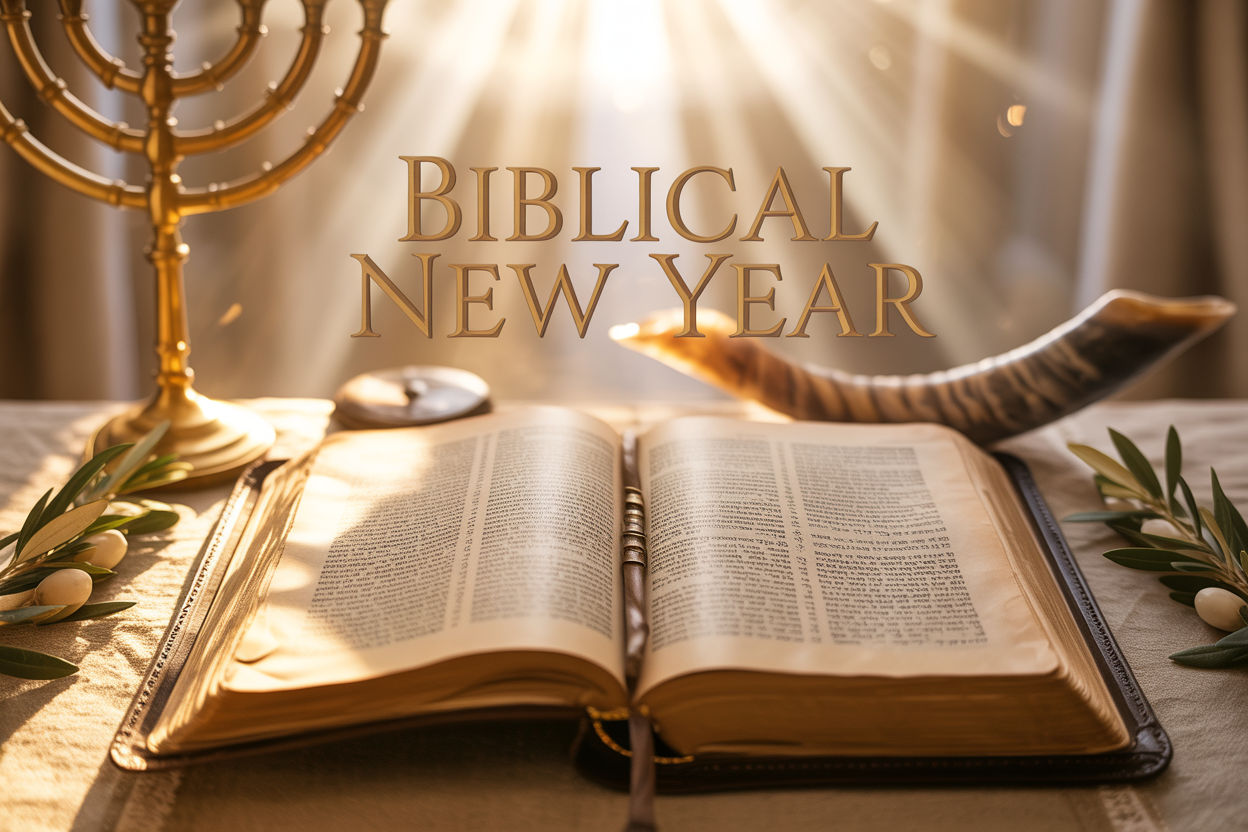
Many Christians wonder about the Biblical New Year and its deeper spiritual meaning beyond confetti and resolutions. The Bible presents a rich tapestry of New Year celebrations that go far beyond our modern January 1st traditions, offering profound insights into God's timing and purposes.
This exploration is for believers seeking to understand how biblical calendar systems connect to their faith journey, along with anyone curious about the scriptural foundations behind Jewish New Year celebrations like Rosh Hashanah and other biblical festivals.
We'll uncover how ancient biblical calendar systems reveal God's spiritual foundations for marking time and seasons. You'll discover the major New Year celebrations mentioned in Scripture and their unique significance for God's people. Finally, we'll explore the powerful themes of spiritual renewal and biblical transformation that these celebrations bring to modern Christian living.
Understanding the New Year in the Bible opens fresh perspectives on how God views time, seasons, and the ongoing work of renewal in our lives.
Biblical Calendar Systems and Their Spiritual Foundations

Understanding the Hebrew Calendar's Divine Origins
The biblical calendar represents far more than a simple timekeeping system—it reflects God's sovereign design for marking sacred seasons and spiritual rhythms. Unlike modern secular calendars that emerged from human convenience, the Hebrew calendar finds its roots in divine commandment and celestial observations that God Himself established.
Scripture reveals that God created the sun, moon, and stars to serve as signs for seasons, days, and years (Genesis 1:14). This cosmic design laid the foundation for Israel's calendar system, where lunar months and solar years work together in a complex yet purposeful pattern. The Biblical New Year occurs during the month of Nisan (also called Abib), which God declared as "the first month of the year" in Exodus 12:2.
The Hebrew calendar operates on a lunisolar system, meaning it follows lunar months while staying aligned with solar seasons through periodic adjustments. Each month begins with the new moon, creating a 354-day lunar year that requires adding an extra month seven times every 19 years to maintain seasonal accuracy.
This divine timing system carries profound spiritual significance, as every aspect connects to God's redemptive plan and covenant relationship with His people.
How God Established Sacred Time Cycles
God didn't leave the marking of time to human imagination or cultural preference. Throughout Scripture, we see Him personally establishing specific cycles and seasons that would govern Israel's worship and community life. The weekly Sabbath cycle, ordained at creation, became the fundamental rhythm upon which all other sacred time revolved.
The annual festival cycle demonstrates God's intentional design for spiritual renewal and remembrance. The Jewish New Year (Rosh Hashanah) marks the beginning of the civil year and the High Holy Days, while Passover represents the religious new year that commemorates Israel's exodus from Egypt. These dual new year observances show how God wove together civil and religious time into a unified system.
Biblical festivals follow a precise pattern:
-
Spring festivals (Passover, Unleavened Bread, Firstfruits) celebrate redemption and new beginnings
-
Summer festivals (Pentecost) mark the giving of God's law and the harvest
-
Fall festivals (Trumpets, Atonement, Tabernacles) focus on judgment, repentance, and God's provision
Each seven-year cycle culminated in a Sabbatical year, and every 50th year brought the Jubilee—a complete reset of economic and social relationships. These extended cycles reinforced God's sovereignty over time itself and His concern for justice, rest, and restoration.
The Difference Between Secular and Biblical Time Keeping
The contrast between secular and biblical calendar systems reveals fundamentally different worldviews about the nature and purpose of time. Secular calendars prioritize convenience, commerce, and human achievement, while biblical time keeping emphasizes worship, remembrance, and divine appointment.
Modern secular calendars treat time as a linear progression focused on productivity and progress. January 1st represents nothing more than an arbitrary date chosen by human tradition. The Gregorian calendar, though precise for astronomical purposes, lacks any inherent spiritual meaning or divine mandate.
Biblical time keeping, however, views time as sacred space where God meets His people. Every month begins with the sighting of the new moon, connecting earthly observation with heavenly movements. Scriptural celebrations mark specific moments when God acted in history, transforming ordinary time into memorial occasions.
| Secular Calendar | Biblical Calendar |
|---|---|
| Linear progression | Cyclical renewal |
| Human convenience | Divine command |
| Commercial focus | Worship emphasis |
| Arbitrary dates | Meaningful seasons |
| Individual achievement | Community remembrance |
The biblical approach to time creates natural rhythms of work and rest, celebration and reflection, planting and harvest. This system acknowledges that humans need more than efficient scheduling—they need sacred seasons that connect them to God's ongoing story of redemption and His promises for the future.
Biblical transformation occurs not through human willpower alone, but through participating in God's appointed times and seasons, allowing His rhythm to shape our spiritual development and community life.
Major New Year Celebrations Mentioned in Scripture
Rosh Hashanah and Its Prophetic Meaning
Rosh Hashanah, literally meaning "head of the year," marks the Jewish New Year and carries profound prophetic weight in biblical tradition. This celebration, rooted in Leviticus 23:24, occurs on the first day of Tishri and represents far more than a simple calendar change. The day serves as a divine appointment where heaven and earth align for spiritual awakening and judgment.
The prophetic significance extends to the end times, where many biblical scholars see Rosh Hashanah as a shadow of Christ's second coming. The trumpet blast that announces this day mirrors the "last trump" mentioned in 1 Corinthians 15:52, suggesting a connection between this biblical festival and the rapture of the church. Jewish tradition teaches that on this day, God opens three books: one for the righteous, one for the wicked, and one for those in between, reflecting the divine judgment themes found throughout Scripture.
The Feast of Trumpets as a New Beginning
The Feast of Trumpets transforms the sound of the shofar into a spiritual alarm clock for God's people. Numbers 29:1 establishes this as a "day of blowing trumpets," where the ram's horn pierces through spiritual complacency and calls believers to attention. The trumpet serves multiple purposes: awakening the soul, proclaiming God's sovereignty, and announcing new seasons of divine activity.
This biblical New Year celebration emphasizes repentance and reflection, creating space for spiritual renewal. The ten days following this feast, known as the Days of Awe, provide believers with an opportunity to examine their hearts and make things right with God. The trumpet's call echoes through generations, reminding Christians today that God's timing often involves dramatic announcements and divine interruptions to ordinary life.
Passover as the Start of the Religious Year
Passover inaugurates the religious calendar according to Exodus 12:2, where God declares this month "the beginning of months" for Israel. This celebration marks humanity's greatest liberation story, when God's people moved from slavery to freedom through divine intervention. The timing establishes a spiritual principle: true new beginnings often emerge from places of bondage and oppression.
The Passover lamb becomes central to Christian understanding of spiritual transformation, as Jesus fulfills this role perfectly. When believers celebrate this biblical festival, they connect with themes of redemption, sacrifice, and new life that transcend cultural boundaries. The unleavened bread represents the urgency of leaving old patterns behind, while the bitter herbs remind participants that transformation often involves acknowledging painful truths about their past.
The Jubilee Year's Revolutionary Reset
The Jubilee Year, occurring every fifty years according to Leviticus 25, represents the most radical new beginning in biblical calendar systems. This celebration mandates the release of slaves, cancellation of debts, and return of ancestral land, creating a complete economic and social reset. The year demonstrates God's heart for justice and His desire to prevent permanent inequality among His people.
This biblical tradition reveals divine principles about fresh starts and second chances that apply to modern Christian living. The Jubilee shows how God builds cycles of grace into time itself, ensuring that no mistake or misfortune becomes permanently defining. The trumpet blast that announces this year carries extra significance, as it proclaims liberty throughout the land and offers hope to those trapped in impossible circumstances.
Spiritual Themes of Renewal and Transformation

God's Promise of Fresh Starts and Second Chances
Scripture overflows with God's commitment to offering fresh beginnings, particularly during significant time markers. The biblical calendar serves as a constant reminder that our Creator specializes in restoration and renewal. When Moses proclaimed in Deuteronomy 30:3 that God would "restore your fortunes and have compassion on you," he connected divine mercy directly to seasonal cycles and appointed times.
The Hebrew concept of teshuvah emerges powerfully during biblical New Year observances, representing a complete turning around - not just feeling sorry, but actively choosing a different direction. God's character as the One who "makes all things new" (Revelation 21:5) becomes especially evident during these sacred transitions.
Biblical examples demonstrate this pattern repeatedly:
-
Noah's family receiving a fresh start after the flood, marked by new seasons
-
Israel's annual opportunity for spiritual renewal through the Day of Atonement
-
The Jubilee year offering complete economic and social reset
-
Jesus offering the woman at the well "living water" - a metaphor for spiritual transformation
The Power of Repentance in Biblical New Beginnings
Repentance in Scripture goes far beyond mere regret - it represents a fundamental reorientation of heart and mind that aligns perfectly with biblical New Year themes. The Hebrew word teshuvah literally means "to return," suggesting that true spiritual renewal involves coming back to our designed relationship with God.
During Rosh Hashanah, Jewish communities traditionally engage in serious self-examination, recognizing that time transitions offer unique opportunities for authentic change. This practice reflects the biblical understanding that repentance isn't just an emotional experience but a decisive action that transforms future behavior.
Key biblical principles of transformative repentance include:
-
Recognition - Acknowledging specific areas needing change
-
Remorse - Experiencing genuine sorrow for falling short
-
Resolution - Making concrete commitments for different choices
-
Restoration - Actively rebuilding relationships and righteous patterns
The book of Joel powerfully illustrates this connection: "Return to me with all your heart, with fasting and weeping and mourning. Rend your heart and not your garments" (Joel 2:12-13). This passage links heart change directly to observable actions during designated times of spiritual focus.
How Scripture Links Time Changes with Heart Changes
Biblical writers consistently connect temporal transitions with opportunities for spiritual transformation. God designed the biblical calendar as a teaching tool, using natural seasons and appointed festivals to illustrate deeper spiritual truths about renewal and growth.
The agricultural cycles embedded in biblical festivals create powerful metaphors for spiritual development. Just as farmers prepare soil, plant seeds, and harvest crops in specific seasons, believers experience spiritual preparation, growth periods, and times of fruitful maturity. The biblical New Year celebrations mark these crucial transition points.
Several scriptural connections demonstrate this pattern:
| Time Marker | Spiritual Significance | Biblical Reference |
|---|---|---|
| Spring festivals | New life and deliverance | Passover (Exodus 12) |
| Summer harvest | Spiritual maturity | Pentecost (Acts 2) |
| Autumn gatherings | Reflection and judgment | Day of Atonement (Leviticus 16) |
| Winter rest | Trust and dependence | Sabbath principles (Hebrews 4) |
Ecclesiastes 3:1 declares "To everything there is a season, and a time to every purpose under heaven," establishing the biblical principle that God works through temporal rhythms to accomplish spiritual purposes. When believers align their hearts with these divine rhythms, they discover that calendar changes become catalysts for genuine transformation rather than mere resolutions that fade with time.
The prophet Isaiah captured this beautifully: "Forget the former things; do not dwell on the past. See, I am doing a new thing! Now it springs up; do you not perceive it?" (Isaiah 43:18-19). This promise connects God's renewal work directly to our ability to recognize and respond to divine timing in our spiritual lives.
Prophetic Significance of New Year Observances
Messianic Fulfillment in Jewish New Year Traditions
Jewish New Year traditions contain remarkable prophetic elements that point directly to Christ's redemptive work. The blowing of the shofar during Rosh Hashanah represents the trumpet call that will herald Christ's return, while the ten days of repentance between Rosh Hashanah and Yom Kippur mirror the period of spiritual preparation believers experience before meeting their Savior.
The traditional greeting "May you be written in the Book of Life" takes on profound meaning when understood through the lens of Christ's sacrifice. This ancient custom prefigures the Lamb's Book of Life mentioned in Revelation, where the names of the redeemed are eternally recorded. The eating of sweet foods like apples and honey symbolizes the sweetness of God's promises fulfilled in Jesus, while the round challah bread represents the eternal nature of God's covenant love.
End Times Connections to Biblical Calendar Events
The biblical calendar serves as a prophetic roadmap for understanding God's plan for the ages. Many biblical festivals and New Year observances contain specific connections to end-times events described in both the Hebrew Scriptures and the New Testament.
The Feast of Trumpets, coinciding with the Jewish New Year, directly parallels the trumpet judgments described in Revelation. The Day of Atonement that follows points to the final judgment when Christ will separate the sheep from the goats. These biblical festivals weren't just historical commemorations—they serve as prophetic rehearsals for future divine interventions.
Biblical calendar events often occur in clusters that mirror prophetic patterns. Jesus fulfilled several spring festivals during His first coming (Passover, Unleavened Bread, Firstfruits), suggesting that His second coming may align with the fall festivals, including the New Year celebrations. This prophetic framework helps believers understand their place in God's redemptive timeline.
The Role of New Years in God's Redemptive Timeline
God's redemptive plan unfolds according to divine timing, and New Year observances mark crucial transition points in this eternal narrative. Each biblical New Year represents not just the passage of time, but the advancement of God's purposes on earth.
The civil New Year in Tishri marks a time of judgment and renewal, reflecting God's desire to give His people fresh opportunities for obedience and blessing. The religious New Year in Nisan coincides with redemption themes, as it was during this month that the Israelites were delivered from Egypt and later when Christ accomplished salvation through His death and resurrection.
These New Year cycles reveal God's character as both judge and redeemer. The autumn New Year emphasizes accountability and repentance, while the spring New Year celebrates liberation and new life. Together, they demonstrate the complete work of salvation that addresses both the penalty of sin and the provision of righteousness.
Jesus Christ as the Ultimate Fresh Start
While biblical calendars mark annual cycles of renewal, Jesus Christ represents the ultimate fresh start that transcends any human calendar system. His incarnation marked the beginning of a new age, dividing history itself into "before Christ" and "after Christ."
Christ's resurrection on the first day of the week established a new creation reality where every day can be a fresh beginning for those who walk in His Spirit. Unlike the repetitive nature of annual New Year observances, the new life found in Jesus offers continuous renewal and transformation.
The apostle Paul captured this truth when he wrote that anyone in Christ becomes a new creation—the old has passed away, and the new has come. This spiritual transformation surpasses any temporal New Year celebration because it addresses the root of human need rather than simply marking the passage of time.
How New Testament Believers Should Approach New Seasons
New Testament believers can appreciate biblical calendar systems while recognizing that Christ has fulfilled their ultimate purpose. Rather than being bound by specific calendar observances, Christians should embrace the spiritual principles these celebrations represent.
The emphasis should be on heartfelt repentance, genuine spiritual renewal, and fresh commitment to following Jesus. Whether marking a traditional New Year, a personal spiritual milestone, or simply the beginning of each new day, believers can approach these moments with expectation and faith.
Paul's teaching about not judging others regarding special days applies here—some believers may find great spiritual value in observing traditional biblical calendar events, while others may prefer to focus on the ongoing work of transformation that happens through daily surrender to Christ. The key is maintaining a heart that stays open to God's renewing work regardless of the calendar.
Practical Applications for Modern Christian Living
Incorporating Biblical New Year Principles into Daily Life
Living out Biblical New Year principles means embracing the Hebrew concept of teshuvah - returning to God's ways - as a daily practice rather than an annual ritual. Start each morning by reflecting on God's mercies that are "new every morning" (Lamentations 3:22-23), treating each dawn as a fresh beginning. When facing decisions throughout your day, pause to consider how your choices align with biblical values of justice, mercy, and humility.
Create regular moments for spiritual inventory, just as the Jewish tradition includes times of self-examination during the High Holy Days. Set aside time weekly to assess your spiritual growth, relationships, and alignment with God's purposes. This practice helps maintain the spirit of renewal that characterizes the Biblical New Year throughout the entire year.
Replace secular resolutions with covenant commitments. Instead of making promises based on willpower alone, partner with God in transformation by grounding your intentions in prayer and Scripture. This approach acknowledges your dependence on divine grace while taking responsibility for spiritual growth.
Using Scripture-Based Goal Setting and Planning
Biblical goal setting begins with seeking God's will through prayer and Scripture study. Start by identifying areas where God's Word reveals His desires for your life - loving others well, growing in wisdom, serving the community, or developing specific gifts. Write down these spiritual priorities before setting practical goals, ensuring your plans align with kingdom values.
Use the biblical principle of counting the cost (Luke 14:28-30) when making plans. Create realistic timelines and identify potential obstacles while trusting God's sovereignty over outcomes. Include regular check-ins with trusted Christian friends or mentors who can provide accountability and wisdom.
Structure your planning around biblical festivals and seasons. Use the natural rhythm of the Christian calendar - Advent, Lent, Easter, Pentecost - as touchpoints for evaluating progress and adjusting course. This approach connects your personal goals with the larger story of redemption and helps maintain spiritual focus throughout the year.
Creating Meaningful Spiritual Traditions for Your Family
Establish family traditions that reflect the themes of biblical renewal and God's faithfulness. Consider hosting an annual family covenant renewal ceremony where each member commits to specific ways of honoring God and serving others in the coming year. Create a family mission statement based on biblical principles and review it regularly.
Develop rituals that mark significant spiritual milestones throughout the year. Light candles during family devotions to symbolize Christ as the light of the world. Create a family blessing jar where members write down answered prayers and God's faithfulness throughout the year, reading them aloud during your family's spiritual new year celebration.
Integrate biblical storytelling into your traditions by reading accounts of God's faithfulness to His people during times of transition and renewal. Share stories of how God has worked in your family's history, connecting past faithfulness with future hope. These practices help children understand their place in God's ongoing story while building a foundation for lifelong spiritual growth.

The Bible reveals that new beginnings hold profound spiritual significance, from the ancient Hebrew calendar systems to the prophetic celebrations that marked God's redemptive timeline. These biblical observances weren't just cultural traditions – they were divine appointments that taught God's people about renewal, transformation, and hope. The scriptures show us that each new season represents an opportunity to realign with God's purposes and embrace the fresh mercies He offers.
As you step into this new year, consider how the biblical principles of renewal can transform your daily walk with Christ. The same God who established sacred seasons for His people continues to invite you into deeper relationship and spiritual growth. Take time to reflect on His faithfulness in the past year, surrender areas that need transformation, and trust Him with the unknown path ahead. Your new year can be more than just a calendar change – it can be a genuine spiritual reset that honors the One who makes all things new.


Comments
Post a Comment