How to dedicate the New Year to God through prayer and fasting

Starting the New Year with intentional prayer and fasting can transform your spiritual journey and deepen your relationship with God. This comprehensive guide on how to dedicate the New Year to God shows Christian believers, new converts, and anyone seeking spiritual growth how to make meaningful spiritual commitments that last beyond January.
Many Christians struggle to maintain their spiritual discipline throughout the year or don't know how to structure effective prayer and fasting practices. You'll discover proven methods to establish your prayer foundation that creates lasting spiritual habits, plus learn to design a sustainable fasting plan for spiritual breakthrough that fits your lifestyle and spiritual maturity level.
We'll walk through the powerful combination of prayer and fasting techniques that amplify your spiritual focus, address the common obstacles that derail spiritual commitments, and show you practical ways to track your progress so your God-centered New Year becomes a launching pad for lifelong spiritual growth.
Prepare Your Heart and Mind for Spiritual Commitment

Reflect on your current relationship with God
Before diving into a new year prayer and fasting commitment, take time to honestly assess where you stand with God right now. This isn't about judgment or guilt—it's about understanding your starting point. Ask yourself some tough questions: When did you last feel deeply connected during prayer? Are you reading Scripture regularly, or has it become sporadic? Do you find yourself thinking about God throughout your day, or only during Sunday service?
Consider keeping a spiritual journal for a week before starting your spiritual commitment new year journey. Write down your prayers, note when you feel closest to God, and observe patterns in your spiritual life. Maybe you'll notice that morning prayers feel more authentic than evening ones, or that you connect better through worship music than silent meditation.
Look back on the past year and identify moments when God felt near and times when He seemed distant. Often, these patterns reveal where we thrive spiritually and where we struggle. This honest reflection creates the foundation for meaningful change in the year ahead.
Identify areas requiring spiritual growth
Every believer has areas that need attention—pride, impatience, worry, or perhaps a tendency to put work before faith. Spiritual growth happens when we're willing to name these areas and bring them before God in prayer and fasting.
Start by examining different aspects of your faith life:
-
Prayer consistency: Do you pray regularly or only when facing problems?
-
Scripture engagement: Are you growing in biblical knowledge and application?
-
Service to others: How are you using your gifts to serve God's kingdom?
-
Character development: Which fruits of the Spirit need more cultivation in your life?
-
Trust and surrender: Where do you still try to maintain control instead of trusting God?
Write down three specific areas where you want to see growth this year. Be specific rather than vague. Instead of "be a better Christian," try "spend 15 minutes in morning prayer daily" or "practice forgiveness immediately when someone hurts me."
Set clear intentions for your New Year dedication
Christian new year resolutions work best when they're rooted in Scripture and aligned with God's will for your life. Unlike typical resolutions focused on self-improvement, spiritual intentions should center on deepening your relationship with God and serving His purposes.
Create SMART spiritual goals—specific, measurable, achievable, relevant, and time-bound. For example:
-
"Read through the Bible in one year using a daily reading plan"
-
"Fast one day per week while praying for my family's salvation"
-
"Volunteer monthly at the local food bank"
-
"Memorize one Scripture verse each week"
Write down your intentions and place them somewhere visible. Consider sharing them with a trusted friend or mentor who can provide accountability. Remember, these aren't promises you're making to earn God's love—they're responses to the love He's already shown you.
Your intentions should also include specific prayer requests for the year. What are you believing God for? Which relationships need healing? What dreams or callings is God stirring in your heart? Be bold in your requests while remaining submitted to His will.
Create a sacred space for prayer and fasting
Having a dedicated physical space for your prayer and fasting guide practices can significantly impact your spiritual discipline. This doesn't require a large area or expensive items—just a quiet spot where you can meet with God consistently.
Choose a location in your home that's free from distractions. Remove electronics, clutter, and anything that might pull your attention away from God. Add elements that help you focus on worship: a Bible, journal, worship music, or meaningful Christian artwork. Some people include a comfortable chair or cushion for extended prayer times.
Consider these practical elements for your sacred space:
| Element | Purpose | Examples |
|---|---|---|
| Comfort | Extended prayer sessions | Cushion, blanket, comfortable chair |
| Focus | Minimize distractions | Face away from TV, phone on silent |
| Inspiration | Encourage worship | Cross, Scripture verses, Christian art |
| Tools | Support spiritual disciplines | Bible, journal, prayer list |
Make this space personal and meaningful to you. If you're married or have a family, involve them in creating a space where everyone can pray together. The goal is consistency—having the same place helps train your mind and heart to enter a prayerful state more quickly.
Remember that your sacred space isn't magical, but it serves as a visual reminder of your commitment to meet with God regularly throughout your God centered new year journey.
Establish Your Prayer Foundation for the Year

Choose specific prayer times that align with your schedule
Creating a consistent prayer foundation starts with establishing specific times that work with your daily routine. Morning prayers set a spiritual tone for your entire day, while evening prayers offer reflection and gratitude. Consider your natural energy patterns - if you're a morning person, dedicate your first 15-30 minutes to God before checking your phone or diving into tasks.
Working professionals might find lunch breaks perfect for midday prayer sessions, creating spiritual breathing room during busy schedules. Parents can incorporate prayer time during children's nap periods or after bedtime routines. The key is choosing realistic times you can maintain consistently rather than overly ambitious schedules that lead to frustration.
Start with shorter sessions and gradually extend them as the habit solidifies. Even five minutes of focused prayer beats sporadic hour-long sessions that you can't sustain. Mark these times in your calendar like any important appointment - because connecting with God deserves that level of commitment.
Select meaningful prayers and scriptures for daily meditation
Building your prayer foundation requires choosing prayers and scriptures that resonate deeply with your spiritual goals for the year. Begin with classic prayers like the Lord's Prayer, but also explore prayers from different Christian traditions that speak to your heart. The Book of Common Prayer, Celtic prayers, or contemporary worship songs can provide fresh language for your conversations with God.
Select key Bible verses that align with your spiritual commitment new year goals. If you're seeking peace, meditate on Philippians 4:6-7. For guidance, turn to Proverbs 3:5-6. Write these verses on cards, set them as phone wallpapers, or place them where you'll see them regularly.
Create themed weeks focusing on different aspects of faith - gratitude, forgiveness, hope, or surrender. This approach keeps your prayer life dynamic and prevents spiritual stagnation. Rotate between different translations of familiar passages to discover new insights and maintain engagement throughout the year.
Develop a prayer journal to track spiritual insights
A prayer journal becomes your spiritual GPS, helping you navigate your faith journey and recognize God's responses over time. Choose a format that suits your personality - some prefer structured templates with sections for requests, gratitude, and reflections, while others enjoy free-form writing that flows naturally.
Record specific prayer requests with dates, then revisit them months later to see how God has worked. This practice builds faith as you witness answered prayers and gain perspective on seemingly unanswered ones. Include Bible verses that speak to you during prayer times, along with personal insights or questions that arise.
Don't worry about perfect grammar or eloquent language - authenticity matters more than presentation. Some days you might write paragraphs, other days just bullet points or single words that capture your heart. The journal becomes a precious record of your spiritual growth and God's faithfulness throughout your God centered new year.
Incorporate different prayer styles for deeper connection
Diversifying your prayer approach prevents monotony and helps you connect with God through various spiritual expressions. Contemplative prayer involves quiet listening, allowing God to speak into the silence of your heart. This style complements more vocal prayer forms and often reveals insights that busy, word-filled prayers might miss.
Intercessory prayer focuses on others' needs, expanding your heart beyond personal concerns. Create lists of family members, friends, community leaders, and global situations that need divine intervention. Walking prayers combine physical movement with spiritual conversation, perfect for those who think better while moving.
Praise and worship prayers shift focus from requests to adoration, using music, singing, or simply declaring God's attributes. Scripture-based prayers involve praying Bible passages back to God, ensuring your requests align with divine will. Experiment with different styles throughout the week, discovering which ones draw you closest to God's presence and create the strongest foundation for your year of dedication.
Design Your Fasting Plan for Spiritual Breakthrough
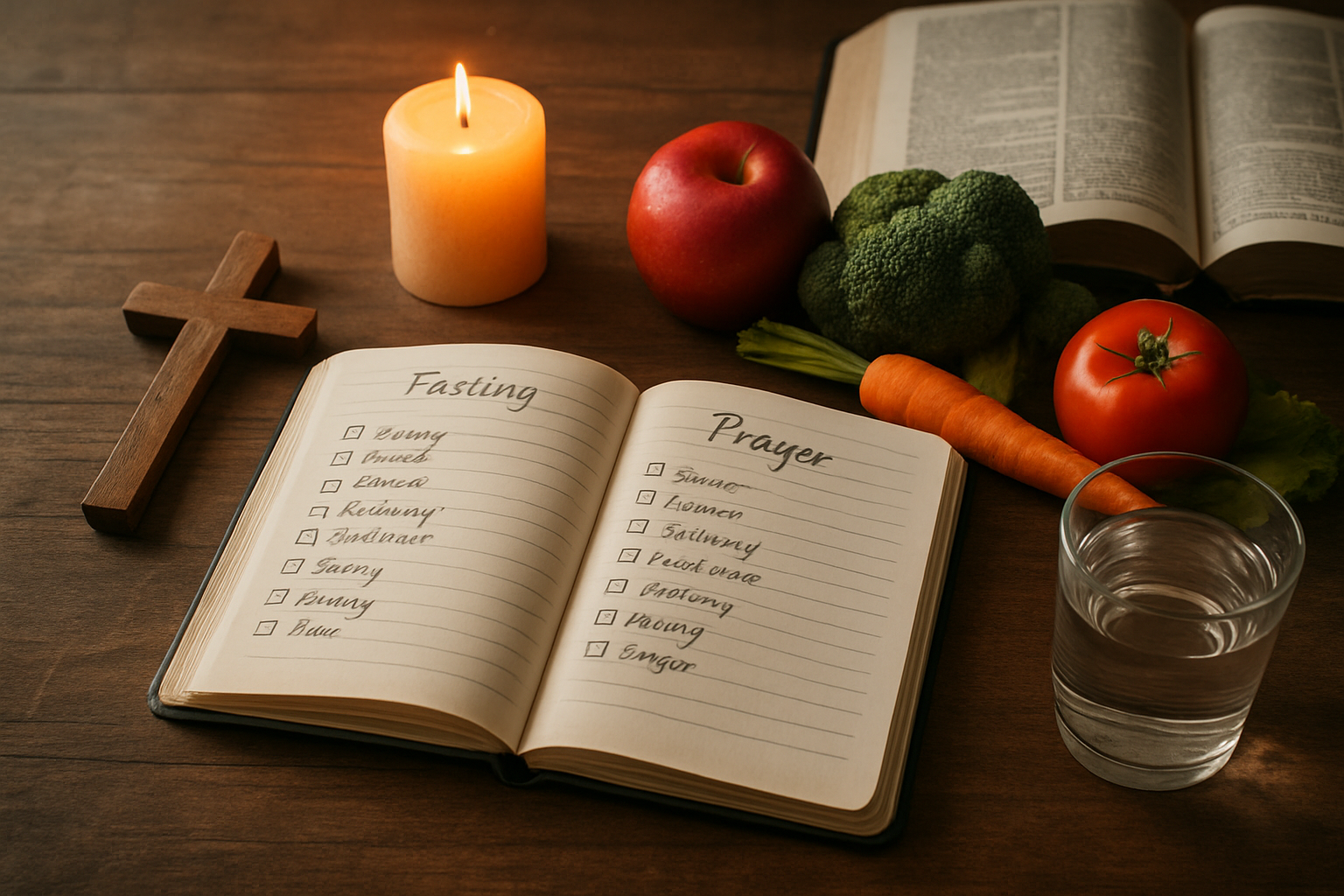
Determine Appropriate Fasting Types for Your Health and Lifestyle
Different fasting methods offer unique spiritual benefits while accommodating various health conditions and daily routines. The Daniel Fast, based on the biblical account in Daniel 1, involves eating only fruits, vegetables, whole grains, nuts, and water for a specific period. This approach works well for beginners and those with health concerns, as it eliminates processed foods without requiring complete abstinence from eating.
Intermittent fasting presents another accessible option, where you choose specific hours for eating and fasting daily. Many people find success with 16:8 fasting (eating within an 8-hour window) or sunrise-to-sunset fasting. Water-only fasts offer deeper spiritual intensity but require careful medical consideration and should typically be limited to 24-48 hours for safety.
Partial fasts allow you to eliminate specific items like social media, entertainment, or certain foods while maintaining regular nutrition. This method proves especially effective for those new to fasting for spiritual breakthrough or managing chronic health conditions.
Always consult your healthcare provider before beginning extended fasting, particularly if you have diabetes, heart conditions, eating disorders, or take medications. Pregnant and nursing mothers should avoid restrictive fasting entirely.
Set Realistic Fasting Duration and Frequencies
Smart fasting planning prevents spiritual burnout and physical complications. Start with shorter durations to build your spiritual discipline gradually. Beginners benefit from 24-hour fasts once weekly or three-day Daniel Fasts monthly before attempting longer commitments.
Consider your work schedule, family obligations, and energy requirements when planning. Avoid scheduling intensive fasts during high-stress periods, important meetings, or physically demanding activities. Many successful practitioners establish consistent weekly fasting days rather than irregular extended periods.
| Fasting Type | Beginner Duration | Intermediate Duration | Advanced Duration |
|---|---|---|---|
| Daniel Fast | 3-7 days | 10-14 days | 21-40 days |
| Water Only | 12-24 hours | 1-3 days | 3-7 days |
| Intermittent | Daily 12-16 hours | Daily 16-20 hours | Daily 20+ hours |
| Partial Fast | 1-2 weeks | 3-4 weeks | 1-3 months |
Track your body's responses and adjust accordingly. Some people thrive with frequent short fasts, while others prefer monthly extended periods. The key lies in consistency rather than intensity.
Plan Nutritious Meals for Non-Fasting Periods
Breaking fasts properly protects your health and maintains energy for continued spiritual disciplines. Plan nutrient-dense meals that replenish vitamins, minerals, and healthy calories without overwhelming your digestive system.
Start breaking extended fasts with easily digestible foods like broths, fresh fruits, or small salads. Avoid immediately consuming heavy, greasy, or highly processed foods that can cause digestive distress. Gradually reintroduce regular foods over 24-48 hours depending on your fasting duration.
Essential nutrients to prioritize:
-
Lean proteins for muscle maintenance and satiety
-
Complex carbohydrates for sustained energy
-
Healthy fats for hormone production and brain function
-
Fresh fruits and vegetables for vitamins and fiber
-
Adequate hydration with water and herbal teas
Meal prep becomes crucial for maintaining consistency. Prepare nutritious options in advance to avoid making poor food choices when hunger strikes. Stock your pantry with approved Daniel Fast foods, prepare grab-and-go snacks, and plan balanced meals that support both physical health and spiritual clarity.
Remember that proper nutrition during eating periods directly impacts your ability to fast effectively and maintain focus during prayer times.
Combine Prayer and Fasting for Maximum Spiritual Impact

Synchronize prayer sessions with fasting periods
Perfect timing creates powerful spiritual momentum. When you align your prayer times with your fasting schedule, you create dedicated windows for deeper communion with God. Start your fast with prayer, asking God to prepare your heart and guide your spiritual journey. During mid-fast periods, set specific prayer appointments that coincide with your body's natural rhythms.
Consider establishing three key prayer touchpoints: morning prayers before beginning your fast, midday prayers during the peak of your hunger, and evening prayers as you prepare to break your fast. This rhythm creates a natural flow that keeps your spiritual focus sharp throughout your new year prayer and fasting commitment.
Use hunger pangs as reminders to pray
Your body's hunger signals become divine appointments when approached with the right mindset. Instead of viewing hunger as discomfort, transform these moments into prayer prompts. Every pang becomes a gentle nudge from the Holy Spirit, calling you back to fellowship with God.
Create a simple response pattern: when hunger strikes, pause immediately and offer a brief prayer. This could be gratitude for God's provision, intercession for others, or simply acknowledging His presence in your life. These micro-prayers throughout your fasting period multiply your spiritual connection exponentially.
Replace meal times with extended prayer sessions
Transform your regular eating schedule into a prayer schedule. When breakfast time arrives, spend that 20-30 minutes in worship and prayer instead of eating. Turn your lunch break into an extended time of seeking God's face. Your dinner hour becomes an opportunity for deeper intercession and spiritual reflection.
This practical approach to combining prayer and fasting ensures you don't just remove food but replace it with something spiritually nourishing. Create a comfortable prayer space where you can retreat during these designated times. Use this space consistently to build strong spiritual associations with your meal replacement prayers.
Focus prayers on gratitude and spiritual requests during fasts
Fasting naturally shifts your perspective toward spiritual matters, making it the perfect time to focus on prayers of thanksgiving and spiritual growth requests. Begin each prayer session by acknowledging God's faithfulness in your life. Express gratitude for His provision, protection, and presence throughout the previous year.
Direct your spiritual requests toward character development, increased faith, wisdom for decision-making, and a deeper relationship with Christ. Ask God to reveal areas in your life that need transformation. Pray for spiritual breakthrough in relationships, ministry opportunities, and personal holiness. This approach ensures your spiritual commitment new year remains focused on eternal values rather than temporal concerns.
Create a prayer journal specifically for your fasting periods to track God's responses and maintain focus on spiritual growth throughout your dedicated season.
Navigate Common Challenges and Obstacles

Handle Physical Discomfort During Fasting Periods
Physical discomfort is a natural part of fasting, especially when you're establishing prayer and fasting as a spiritual discipline in your new year commitment. Your body will react to changes in eating patterns, and this can feel overwhelming at first.
Start small and build gradually. If you've never fasted before, begin with shorter periods - maybe skipping one meal or fasting for 12 hours. Your body needs time to adjust, and pushing too hard too fast often leads to discouragement.
Stay hydrated throughout your fast. Water helps reduce headaches and keeps your energy levels more stable. Herbal teas can also provide comfort without breaking your fast. Listen to your body and recognize the difference between normal fasting discomfort and genuine health concerns.
Prepare for common symptoms like mild headaches, fatigue, or irritability. These typically subside after the first few fasting periods as your body adapts. Keep yourself busy with prayer, reading Scripture, or light activities to avoid focusing solely on physical sensations.
Have a plan for breaking your fast properly. Eating light, nutritious foods helps your body transition back to regular eating patterns more smoothly. Avoid heavy or processed foods immediately after fasting.
Remember that the physical discomfort serves a spiritual purpose - it reminds you to turn your attention to God and depend on Him for strength rather than food for comfort.
Maintain Consistency When Motivation Decreases
The initial excitement of dedicating your new year to God through prayer and fasting naturally fades over time. This is completely normal, and expecting motivation to carry you through the entire year sets you up for disappointment.
Create non-negotiable habits instead of relying on feelings. Set specific times for prayer and fasting that become routine parts of your schedule. Treat these commitments like important appointments that you wouldn't cancel just because you don't feel like going.
Find an accountability partner who shares your spiritual commitment. Check in regularly with someone who can encourage you during difficult periods and celebrate your progress. This external support often provides the push you need when internal motivation wanes.
Document your spiritual journey in a prayer journal. Writing down answered prayers, spiritual insights, and breakthrough moments creates a tangible record of God's faithfulness. When motivation drops, reviewing these entries reminds you why you started this journey.
Adjust your approach when needed without abandoning the commitment entirely. If daily fasting becomes overwhelming, switch to weekly fasting. If long prayer sessions feel impossible, maintain shorter but consistent prayer times. Flexibility prevents all-or-nothing thinking that leads to complete abandonment.
Connect your spiritual practices to your deeper purpose. Regularly remind yourself of the spiritual breakthrough you're seeking and how prayer and fasting align with your desire to draw closer to God throughout the year.
Balance Spiritual Practices With Work and Family Responsibilities
Integrating prayer and fasting into a busy life requires intentional planning and realistic expectations. Your spiritual commitment to God doesn't exist in isolation from your other responsibilities - it should enhance and strengthen them.
Schedule your spiritual practices around your existing commitments rather than trying to add them on top of an already full schedule. Early morning prayer times work well for many people because they're less likely to be interrupted. Evening reflection periods can also provide peaceful closure to busy days.
Communicate with your family about your spiritual goals. When family members understand your commitment to prayer and fasting, they're more likely to support your efforts and respect the time you've set aside. This also creates opportunities to invite them into your spiritual journey.
Choose fasting periods that align with your work schedule. Avoid scheduling intensive fasts during high-stress work periods or important family events. Planning ahead helps you maintain your commitment without creating unnecessary conflict with other obligations.
Make your spiritual practices portable and adaptable. Learn to pray while commuting, during work breaks, or while doing household tasks. Short, frequent prayers throughout the day can be just as meaningful as longer dedicated sessions when time is limited.
Create boundaries around your spiritual time without becoming rigid or legalistic. Sometimes work emergencies or family needs will interrupt your planned spiritual practices. Grace and flexibility allow you to maintain your overall commitment while adapting to life's unexpected demands.
Track Your Spiritual Progress Throughout the Year

Document answered prayers and spiritual revelations
Keep a dedicated journal or digital notebook to record your prayer requests and God's responses throughout the year. Write down specific prayers with dates, then note when and how God answers them. This creates a powerful record of God's faithfulness that strengthens your faith during difficult seasons.
Include both small daily prayers and major life requests. Sometimes God's answers come through unexpected circumstances, people, or opportunities. Record these divine coincidences and patterns you notice in your spiritual life. When you feel spiritually dry or wonder if God is listening, flip through your documented prayers to see His consistent presence and provision.
Don't forget to capture revelations you receive during prayer and fasting periods. Write down Scripture verses that speak powerfully to your heart, insights about God's character, or guidance you receive about life decisions. These spiritual downloads often fade from memory, but written records preserve them for future encouragement and direction.
Measure changes in your character and behavior
Your spiritual commitment new year should produce visible fruit in your daily life. Create a simple monthly check-in system to evaluate areas where God is transforming you. Look for improvements in patience, kindness, self-control, or whatever character traits you've been praying about.
Ask trusted friends or family members for honest feedback about changes they've observed in your attitudes and actions. Sometimes others notice our spiritual growth before we do. Their outside perspective can confirm that your prayer and fasting efforts are creating real transformation.
Track specific behaviors you're working to change or develop. This might include responding to conflict with peace instead of anger, showing generosity instead of selfishness, or speaking encouragement instead of criticism. Create a simple rating system or use checkboxes to monitor your progress weekly.
Celebrate spiritual milestones and breakthroughs
Mark significant moments in your spiritual journey throughout the year. These celebrations reinforce your commitment and create positive momentum for continued growth. Set aside time each month to acknowledge progress, no matter how small it seems.
Create meaningful ways to commemorate spiritual victories:
-
Share testimonies with your faith community
-
Write thank-you prayers expressing gratitude to God
-
Take photos or create visual reminders of breakthrough moments
-
Plan small celebrations or treats when you reach spiritual goals
-
Share your story with someone who might be encouraged by your progress
Recognition of God's work in your life builds faith and motivates continued spiritual discipline. When you honor these moments, you're training your heart to notice and appreciate God's ongoing transformation in your life.
Adjust your approach based on what works best
Stay flexible with your prayer and fasting guide throughout the year. What works in January might need tweaking by July. Pay attention to which prayer times feel most meaningful, what fasting schedules fit your life rhythms, and which spiritual practices produce the most growth.
If morning prayers aren't working because of your schedule, try evening devotions. If weekly fasting is too challenging, experiment with monthly fasts or partial fasts. The goal is consistent spiritual connection, not rigid adherence to a plan that isn't sustainable.
Review your spiritual practices quarterly and make necessary adjustments. Life circumstances change, and your spiritual disciplines should adapt accordingly. This flexibility prevents burnout and keeps your spiritual discipline new year fresh and effective throughout all twelve months.

Starting this new year with intentional prayer and fasting creates a powerful foundation for spiritual growth. The combination of heartfelt preparation, consistent prayer routines, and thoughtful fasting plans opens doors to deeper connection with God that can transform your entire year. When you face the inevitable challenges and setbacks, remember that spiritual commitment isn't about perfection—it's about showing up consistently and trusting God's grace to fill the gaps.
Make this year different by tracking your progress and celebrating small victories along the way. Set aside time each week to reflect on how God is moving in your life through these spiritual disciplines. Your dedicated prayers and fasting periods will become stepping stones to a more intimate relationship with God, one that sustains you through every season ahead.


Comments
Post a Comment