Creating Christ-centered New Year resolutions
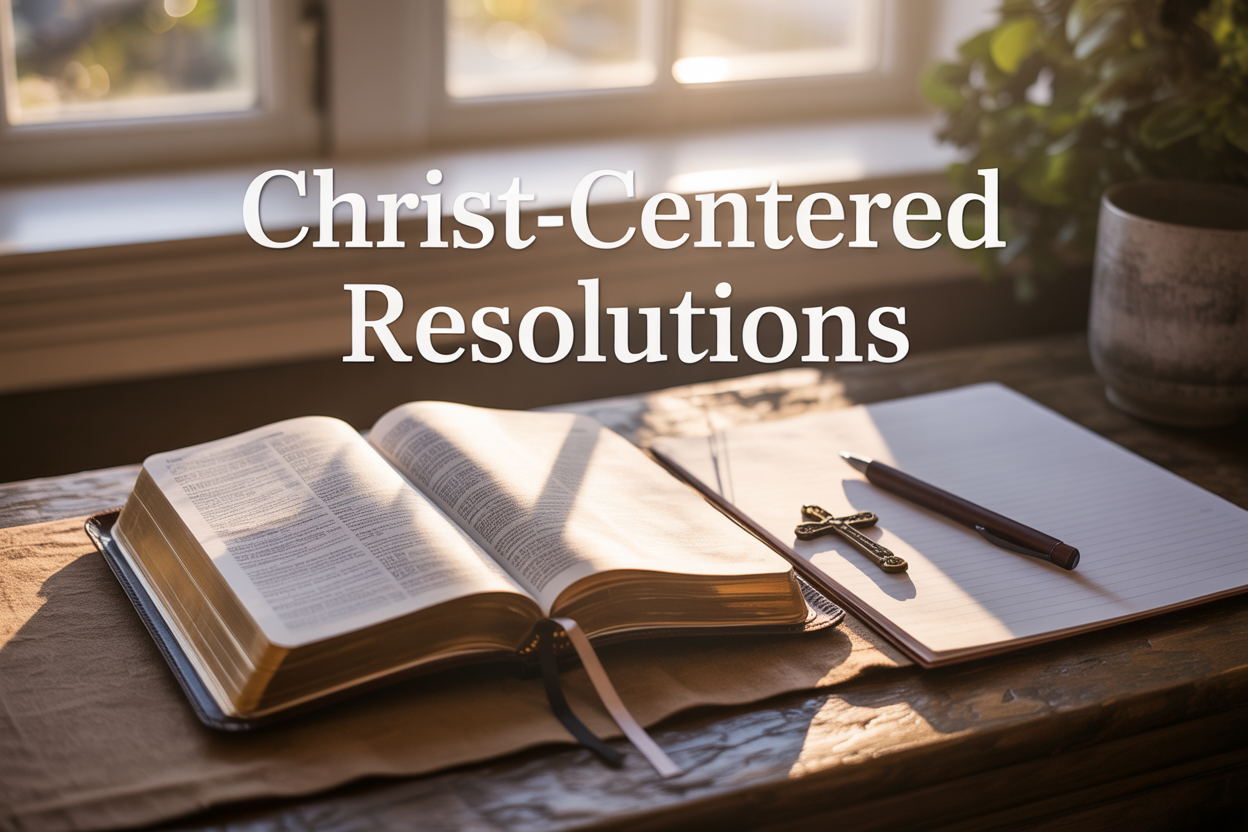
Many Christians struggle with New Year resolutions that feel empty or disconnected from their faith. Christ-centered New Year resolutions offer a meaningful alternative that aligns your goals with God's purposes for your life.
This guide is for believers who want to move beyond surface-level changes and create faith-based resolutions that actually stick. You'll discover how to shift from self-focused goals to God-centered resolutions that reflect biblical values and strengthen your relationship with Jesus.
We'll explore the biblical foundations that should guide your goal setting and show you practical steps for building spiritual disciplines into your New Year goals. You'll also learn proven strategies for maintaining your Christ-centered focus throughout the entire year, not just January.
Understanding Biblical Foundations for Goal Setting

Discovering God's Purpose for Your Life Through Scripture
Before diving into Christ-centered New Year resolutions, you need to understand what God actually wants for your life. Scripture provides clear guidance about His intentions for believers. Jeremiah 29:11 reminds us that God has plans to prosper us and give us hope, not to harm us. This verse becomes the foundation for biblical goal setting because it shows God's heart for our future.
The Bible reveals God's universal purposes for all believers through passages like Romans 8:28-29, which explains that God works everything together for good and wants to conform us to Christ's image. Your personal calling builds upon these universal truths. Reading through Psalms, Proverbs, and the New Testament letters helps you discover the character traits and spiritual disciplines God values.
Prayer becomes essential in this discovery process. James 1:5 promises that God gives wisdom generously to those who ask. Spend time asking God to reveal His specific desires for your life during the coming year. Look for recurring themes in your devotional time, patterns in what brings you joy, and areas where you feel spiritually stirred.
Consider keeping a journal during this exploration phase. Write down verses that speak to you, note moments when you feel God's leading, and record insights that come during prayer. This practice helps you recognize God's voice and builds confidence in discerning His will for your faith-based resolutions.
Aligning Personal Ambitions with Divine Will
Personal dreams and God's will don't have to compete with each other. The key lies in surrendering your desires to His lordship and allowing Him to shape them according to His purposes. Psalm 37:4 promises that when you delight yourself in the Lord, He gives you the desires of your heart. This doesn't mean God becomes your personal genie, but rather that your desires begin to align with His as you grow closer to Him.
Start by examining your current goals and ambitions. Ask yourself honest questions about your motivations. Are you pursuing success for personal glory or to serve God's kingdom? Are your career goals driven by greed or by a desire to use your talents for His purposes? This process of examination helps you identify areas where realignment might be needed.
Some practical ways to align your ambitions with God's will include:
-
Regular Bible study focused on understanding God's character and values
-
Consistent prayer asking for God's guidance in specific areas of your life
-
Seeking wise counsel from mature believers who can provide biblical perspective
-
Evaluating opportunities through the lens of eternal significance rather than temporary gain
Remember that God often uses our natural talents, interests, and circumstances as part of His plan. The businessman called to operate with integrity, the teacher gifted to influence young minds, the parent raising godly children – all represent divine purposes working through human ambitions.
Learning from Biblical Examples of Faith-Driven Goals
Scripture provides numerous examples of individuals who set faith-driven goals and pursued them with divine guidance. These biblical models offer practical insights for creating your own God-centered resolutions.
Nehemiah demonstrates the power of vision combined with prayer and action. When he learned about Jerusalem's broken walls, he didn't just feel sad – he developed a specific plan to rebuild them. His approach included thorough preparation, seeking proper authorization, gathering resources, and maintaining focus despite opposition. Nehemiah's example shows how spiritual vision translates into concrete, achievable goals.
Daniel illustrates the importance of maintaining spiritual disciplines regardless of circumstances. His resolution to honor God through diet, prayer, and faithfulness remained constant whether he served in the palace or faced the lion's den. Daniel's consistency in spiritual practices empowered him to navigate challenges while maintaining his integrity.
Paul the Apostle provides a model for ambitious, Kingdom-focused goal setting. His stated ambition to preach the gospel where Christ wasn't known (Romans 15:20) drove his missionary journeys and church-planting efforts. Paul's goals were both specific and flexible, allowing for divine redirection while maintaining clear purpose.
These biblical examples share common characteristics that inform our approach to Christian New Year goals:
| Biblical Figure | Goal Type | Key Principles |
|---|---|---|
| Nehemiah | Physical/Community | Vision, prayer, planning, persistence |
| Daniel | Personal/Spiritual | Consistency, integrity, faithfulness |
| Paul | Ministry/Outreach | Ambition for God's glory, flexibility |
Each of these individuals combined clear vision with dependence on God, showing us that biblical goal setting involves both human effort and divine empowerment. They remind us that our resolutions should serve God's purposes while utilizing the gifts and opportunities He provides.
Shifting from Self-Focused to God-Centered Resolutions

Identifying Worldly Motivations in Traditional Resolutions
Most New Year resolutions spring from self-improvement desires rooted in worldly standards rather than biblical truth. Common motivations include losing weight to meet society's beauty ideals, earning more money for material comfort, or gaining recognition through personal achievements. These faith-based resolutions alternatives require honest self-examination.
Consider why you want to change. Are you seeking approval from others? Chasing temporary satisfaction? Trying to earn worth through performance? The world teaches us that our value comes from external accomplishments, but Scripture reveals our identity already secured in Christ.
Traditional resolutions often focus on:
-
Physical appearance and fitness for vanity
-
Career advancement for status and wealth
-
Social media presence for validation
-
Material possessions for perceived happiness
-
Self-reliance and independence
These motivations aren't inherently evil, but they become problematic when they replace God as our ultimate source of satisfaction and purpose. Christ-centered New Year resolutions begin with recognizing these worldly patterns in our thinking.
Transforming Personal Goals into Kingdom-Building Opportunities
Every personal goal can become a God-centered resolution when we align our desires with His purposes. Instead of abandoning legitimate needs like health or finances, we transform them into opportunities for spiritual growth and service to others.
Health goals shift from vanity to stewardship. Your body becomes a temple to honor God and serve others effectively. Financial goals move beyond accumulation to generous giving and wise resource management. Career ambitions transform into platforms for witness and service.
| Worldly Goal | Kingdom Transformation |
|---|---|
| Lose weight for appearance | Improve health to better serve God and others |
| Earn more money for luxury | Increase income for generosity and family provision |
| Build social influence | Use platform to share gospel and encourage believers |
| Develop skills for recognition | Grow talents to glorify God and bless community |
This transformation doesn't eliminate personal benefit but places it within God's broader purposes. Your Christian New Year goals become channels through which His love flows to others while you grow in Christlikeness.
Prioritizing Spiritual Growth Over Material Success
Biblical goal setting places spiritual maturity above worldly achievements. While material success isn't forbidden, it cannot be our primary focus if we're following Christ's example and teachings.
Spiritual growth goals include:
-
Deepening prayer life and biblical knowledge
-
Developing Christ-like character traits
-
Strengthening relationships through forgiveness and love
-
Serving others sacrificially
-
Growing in faith during difficult circumstances
Material success often provides temporary satisfaction but leaves us spiritually empty. Spiritual growth, however, produces lasting joy and peace that circumstances cannot steal. When we prioritize knowing God over accumulating things, our material needs often get met as we trust His provision.
This doesn't mean living in poverty or avoiding goals related to work, health, or relationships. It means ensuring these areas serve our spiritual development rather than competing with it. Your faith-driven goal setting should always ask: "How will this help me become more like Jesus?"
Surrendering Control and Trusting God's Timing
Perhaps the hardest aspect of Christ-centered New Year resolutions involves releasing our tight grip on outcomes and timelines. We make plans, but God directs our steps. This requires genuine surrender, not passive resignation.
Surrender looks like:
-
Setting goals while holding them loosely
-
Seeking God's will through prayer and Scripture
-
Remaining flexible when circumstances change
-
Trusting His timing even when it differs from ours
-
Finding peace in His sovereignty over our lives
This doesn't mean becoming passive or avoiding responsibility. We still work diligently toward scripture-based goals while acknowledging God's ultimate control over results. Sometimes He accelerates our progress beyond expectations. Other times He slows us down for character development or redirects us entirely.
The key is maintaining open hands and hearts, ready to adjust course as He leads. Your resolutions become prayers submitted to His wisdom rather than demands you make of life. This surrender brings freedom from the anxiety that accompanies self-reliant goal-setting and opens space for God to work in ways beyond your imagination.
Practical Steps for Creating Faith-Based Resolutions

Starting with Prayer and Seeking God's Guidance
Before you grab a pen or open your favorite goal-setting app, take a moment to center yourself in prayer. This isn't just a nice spiritual touch—it's the foundation of creating meaningful Christ-centered New Year resolutions. Ask God to reveal His desires for your life in the coming year. What areas is He calling you to grow in? Where might He be nudging you toward change or deeper commitment?
Consider setting aside dedicated time for prayer and fasting as you enter this process. Many Christians find that a few days of focused seeking helps clarify God's direction. Listen for His voice through quiet reflection, and don't rush the process. Sometimes God's guidance comes through circumstances, wise counsel from other believers, or a growing sense of peace about certain directions.
Remember that God's plans for you are good (Jeremiah 29:11), so approach this time with expectancy. He wants to guide you toward resolutions that will draw you closer to Him and make you more effective in His kingdom. When your faith-based resolutions flow from genuine communion with God, they carry divine purpose rather than mere human ambition.
Using Scripture to Shape Your Resolution Categories
The Bible offers incredible wisdom for shaping your Christian New Year goals across every area of life. Instead of copying generic resolution lists, let Scripture guide your categories and priorities. Start by identifying biblical themes that resonate with where you sense God leading you.
For spiritual growth, consider verses like 2 Peter 3:18, which calls us to "grow in grace and knowledge of our Lord Jesus Christ." This might inspire resolutions around Bible study, prayer consistency, or deepening your relationship with God. For relationships, Matthew 22:37-39 emphasizes loving God and loving others, potentially leading to goals about serving your spouse better, reconnecting with friends, or showing more patience with difficult people.
Physical health finds biblical support in 1 Corinthians 6:19-20, where Paul reminds us that our bodies are temples of the Holy Spirit. Financial stewardship connects to verses like Luke 16:10-11 about faithfulness with resources. Create a simple table mapping scripture passages to potential resolution areas:
| Scripture Reference | Life Area | Potential Resolution |
|---|---|---|
| 2 Peter 3:18 | Spiritual Growth | Daily Bible reading plan |
| Matthew 22:39 | Relationships | Weekly family game night |
| 1 Corinthians 6:19 | Physical Health | Regular exercise routine |
| Luke 16:10-11 | Financial Stewardship | Monthly budget review |
Writing Resolutions That Honor God and Serve Others
When crafting your actual resolutions, focus on two key questions: "How does this honor God?" and "How does this serve others?" These questions transform self-centered goals into God-centered resolutions that reflect Christ's heart for the world.
For example, instead of "lose 20 pounds to look better," try "steward my body well so I can serve God with energy and health." Rather than "read more books for personal knowledge," consider "study Scripture deeply to grow in wisdom and share God's truth with others." This shift in language and motivation makes all the difference.
Your biblical goal setting should include both personal growth and outward service. Balance resolutions that develop your character (patience, generosity, faithfulness) with those that bless others (volunteering, mentoring, hospitality). Write them as specific, measurable commitments while keeping the heart focus on glorifying God.
Consider including accountability partners in your resolution-writing process. Share your draft goals with mature Christians who can offer insight and encouragement. They might suggest additional ways to serve others or help you refine goals to better align with God's heart. Remember, the best spiritual disciplines for new year growth often happen in community rather than isolation.
Building Spiritual Disciplines into Your New Year Goals

Establishing Consistent Bible Study and Prayer Habits
Building spiritual disciplines for your New Year resolutions starts with creating rock-solid Bible study and prayer routines. The key to success lies in starting small and being realistic about your schedule. Instead of committing to hour-long sessions that you'll abandon by February, begin with 10-15 minutes daily.
Choose a specific time that works with your natural rhythm. Morning people should grab their coffee and Bible first thing, while night owls might prefer winding down with scripture before bed. The consistency matters more than the duration.
Create a simple system that removes barriers. Keep your Bible and journal in the same spot, use a reading plan app, or join an online Bible study group. When obstacles disappear, habits stick.
Prayer doesn't require perfect posture or eloquent words. Talk to God while walking, driving, or doing dishes. Set phone reminders for brief prayer breaks throughout your day. This transforms prayer from a checkbox into an ongoing conversation with your Creator.
Incorporating Service and Ministry into Your Schedule
Your Christ-centered New Year resolutions should naturally overflow into serving others. Start by identifying your God-given gifts and passions, then look for ways to use them in your community.
Consider these practical approaches:
-
Monthly commitments: Volunteer at a food bank, homeless shelter, or community garden once per month
-
Weekly opportunities: Teach Sunday school, help with youth group, or visit nursing home residents
-
Daily service: Check on elderly neighbors, offer rides to church members, or mentor someone in your profession
-
Seasonal projects: Organize back-to-school drives, Christmas gift programs, or summer VBS
The goal isn't adding stress to your life but finding meaningful ways to live out your faith. Maybe you're great with numbers and can help families with tax preparation, or perhaps you love cooking and can provide meals for new parents.
Don't overlook simple acts of service. Bringing donuts to your coworkers, shoveling a neighbor's driveway, or writing encouraging notes counts just as much as formal ministry roles.
Creating Accountability Through Christian Community
Going it alone rarely works when building spiritual disciplines into your faith-based resolutions. You need people who will lovingly challenge you to stay on track and celebrate your victories along the way.
Find an accountability partner who shares similar spiritual goals. Meet weekly for coffee, share your struggles honestly, and pray together. This person should be someone who will ask the hard questions and won't let you make excuses.
Join or create a small group focused on spiritual growth. Many churches offer New Year Bible studies or goal-setting groups specifically designed for this purpose. If none exist, start your own with 3-4 friends who want to grow in their faith.
Use technology to stay connected. Create a group chat where members share daily wins, prayer requests, and encouragement. Some apps even let you track spiritual habits together.
Accountability works best when it includes:
| Element | Description |
|---|---|
| Regular check-ins | Weekly or bi-weekly meetings |
| Honest communication | Safe space to share struggles |
| Prayer support | Lifting each other up |
| Celebration | Recognizing progress and victories |
| Grace | Understanding setbacks happen |
Practicing Gratitude and Worship as Daily Disciplines
Gratitude and worship transform ordinary moments into encounters with God's goodness. These spiritual disciplines shift your perspective from what's missing to what God has already provided.
Start a gratitude practice that fits your lifestyle. Some people love journaling three things they're thankful for each morning. Others prefer gratitude walks where they thank God for everything they notice. Voice memos work great for busy parents who can record thankfulness while doing chores.
Worship extends beyond Sunday morning services. Create playlists of worship songs for your commute, sing while cleaning house, or listen to hymns during work breaks. Let worship music replace some of your regular entertainment.
Practice gratitude in challenging moments. When stuck in traffic, thank God for your car. During difficult conversations, appreciate that God gave you people who care enough to work through problems. This doesn't minimize real struggles but helps you see God's presence even in hard times.
Make worship and gratitude visible in your home. Post scripture verses on mirrors, play worship music during family meals, or start bedtime prayers where everyone shares something they're grateful for that day. These simple changes create an atmosphere where acknowledging God becomes natural and frequent.
Maintaining Christ-Centered Focus Throughout the Year

Using Biblical Principles for Overcoming Setbacks
When you stumble in your Christ-centered New Year resolutions, Scripture offers powerful principles to help you bounce back. The Bible reminds us that "we all stumble in many ways" (James 3:2), so setbacks aren't signs of failure—they're opportunities for growth.
Start by embracing God's grace. Romans 8:1 declares there's no condemnation for those in Christ Jesus. When you miss a day of prayer or fall back into old patterns, don't spiral into guilt. Instead, receive God's forgiveness and move forward with renewed purpose.
Apply the principle of getting back up. Proverbs 24:16 says the righteous fall seven times but rise again. Each setback becomes a chance to strengthen your resolve and deepen your dependence on God. View these moments as training grounds for spiritual resilience.
Practice self-compassion rooted in God's love. Treat yourself with the same kindness God shows you. Remember that sanctification is a lifelong process, not a sprint. Your faith-based resolutions should reflect this understanding of gradual transformation.
When facing obstacles, turn to prayer immediately. Philippians 4:6-7 encourages us to present our anxieties to God through prayer and petition. This spiritual discipline transforms setbacks from discouraging roadblocks into stepping stones toward spiritual maturity.
Regular Spiritual Check-ins and Course Corrections
Maintaining Christ-centered focus requires intentional spiritual check-ins throughout the year. Just as pilots regularly adjust their flight path, you need consistent course corrections to stay aligned with God's purposes.
Schedule monthly spiritual reviews where you evaluate your progress honestly. Ask yourself: Are my goals still pointing me toward Christ? What areas need adjustment? How has God been working in my life? These questions help you stay connected to your biblical goal setting foundation.
Create a simple tracking system for your spiritual disciplines. Whether it's journaling, prayer time, or Scripture reading, measuring progress helps you identify patterns and areas needing attention. Don't obsess over perfect records—focus on consistent growth.
Consider seasonal adjustments to your God-centered resolutions. Life circumstances change, and flexibility shows wisdom. Maybe summer requires different spiritual rhythms than winter. Adapt your approach while maintaining your core commitment to Christ.
Find an accountability partner who shares your faith values. Regular check-ins with someone who understands your Christian New Year goals creates external motivation and support. Choose someone who will speak truth in love and encourage your spiritual journey.
Use Scripture to guide your evaluations. Psalm 139:23-24 provides a perfect framework: "Search me, God, and know my heart; test me and know my anxious thoughts. See if there is any offensive way in me, and lead me in the way everlasting."
Celebrating God's Faithfulness in Your Progress
Recognizing God's faithfulness in your journey transforms routine progress tracking into worship. When you acknowledge how God has worked through your faith-driven goal setting, you build spiritual momentum for continued growth.
Keep a gratitude journal specifically for your spiritual progress. Record moments when God provided strength during temptation, opened doors for service opportunities, or deepened your understanding of Scripture. These written reminders become powerful encouragement during difficult seasons.
Share your victories with your faith community. When God helps you develop consistent prayer habits or overcome destructive patterns, your testimony encourages others in their own Christian resolution journey. Your story becomes part of God's larger narrative of transformation.
Mark spiritual milestones with intentional celebration. Completed a month of daily Bible reading? Praise God for His provision of time and motivation. Overcame a persistent struggle? Thank Him for His sanctifying work in your life. These celebrations reinforce positive spiritual habits.
Connect your progress to God's character. Every victory reveals something about God's nature—His faithfulness, patience, love, or power. This perspective shifts focus from personal achievement to divine partnership in your spiritual growth.
Remember that progress isn't always linear. Some seasons bring rapid growth while others feel stagnant. God's faithfulness remains constant through both mountain-top experiences and valley walks. Trust His timing and celebrate His presence in every phase of your faith journey.

Setting New Year resolutions through a biblical lens transforms the entire process from a self-improvement exercise into a journey of spiritual growth and discipleship. When you ground your goals in God's Word and align them with His purposes for your life, you create resolutions that have eternal significance rather than temporary satisfaction. This approach helps you move beyond surface-level changes to experience deep, lasting transformation that honors Christ.
The key is remembering that your resolutions should reflect your desire to grow closer to God and serve others better. Start small with spiritual disciplines, invite accountability from fellow believers, and regularly check that your goals still point toward Christ. As you enter this new year, ask yourself not just "What do I want to achieve?" but "How can I better reflect Jesus in my daily life?" This shift in perspective will make your resolutions more meaningful and help you stay committed when motivation fades.


Comments
Post a Comment