Building a Christ-centered dating/courting relationship
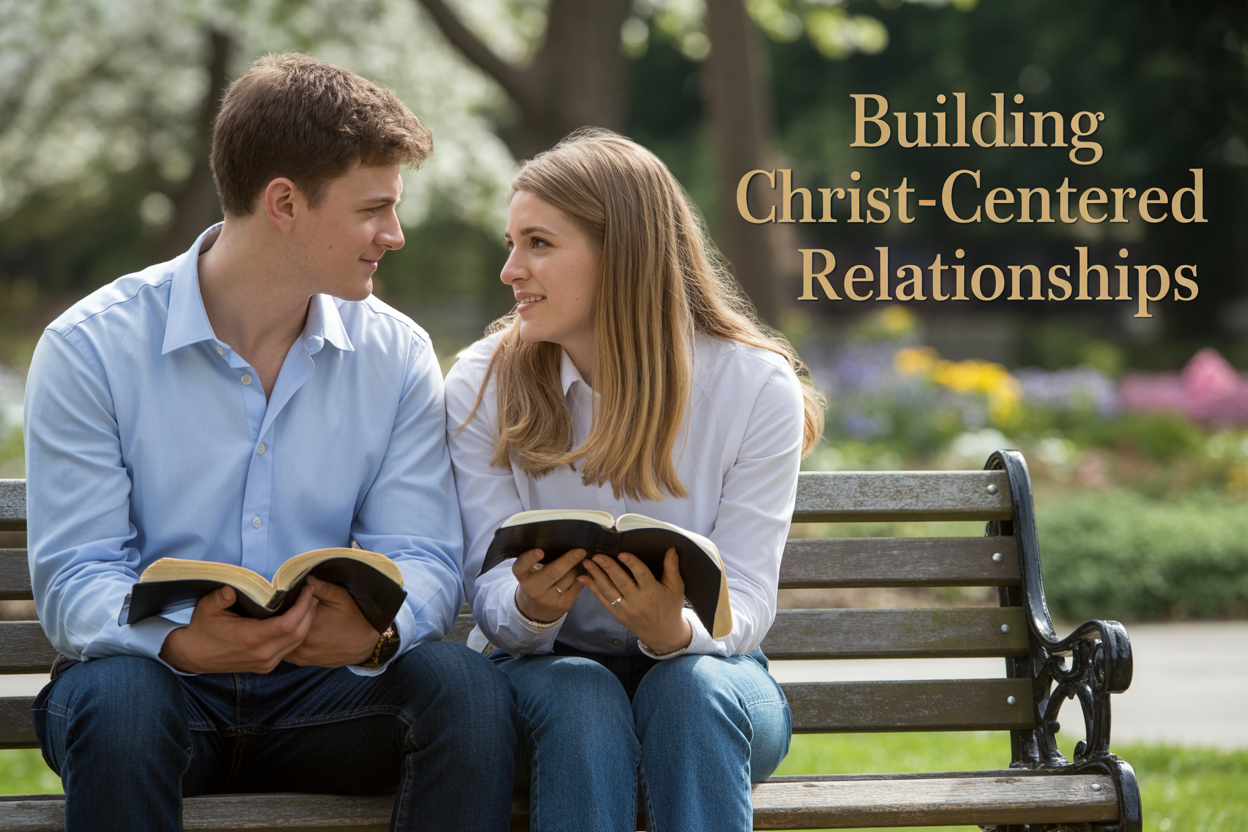
Building meaningful relationships that honor God can feel overwhelming when you're surrounded by conflicting advice and cultural pressures. This Christian dating advice guide is designed for single believers who want to pursue Christ-centered relationships with intention and biblical wisdom.
Whether you're new to dating or have experience but want to align your approach with your faith, understanding biblical dating principles creates the foundation for relationships that glorify God and prepare you for marriage. Many Christians struggle with questions about godly relationship boundaries, spiritual maturity requirements, and how to find a partner who shares their values.
This guide will walk you through establishing biblical foundations that shape your dating perspective and developing personal spiritual maturity before pursuing romance. You'll also learn practical strategies for finding and evaluating a godly partner who complements your faith journey and supports your spiritual growth.
When you build relationships on Christ's teachings rather than worldly expectations, you create space for God to work in your heart and guide your path toward marriage.
Establishing Biblical Foundations for Relationships

Understanding God's Design for Marriage and Relationships
Scripture reveals that God created marriage as a sacred covenant between one man and one woman, designed to reflect Christ's relationship with the church. From Genesis, we see that God declared it "not good" for man to be alone and created woman as his perfect complement. This divine design establishes marriage as more than just a romantic partnership—it's a spiritual union meant to glorify God and serve His purposes.
God's blueprint for relationships emphasizes unity, mutual submission, and sacrificial love. Ephesians 5:22-33 paints a beautiful picture where husbands love their wives as Christ loved the church, and wives respect and support their husbands. This model shows that healthy Christian relationships require both partners to put God first, each other second, and themselves last.
The biblical foundation also includes key principles like faithfulness, commitment, and the understanding that marriage is a lifelong covenant. Unlike culture's view of relationships as temporary arrangements based on feelings, God's design emphasizes permanence and unconditional love that mirrors His own faithfulness to us.
Differentiating Between Dating and Biblical Courting
Modern dating often focuses on casual relationships, physical attraction, and personal fulfillment without clear direction toward marriage. Biblical courting, however, operates with marriage as the intentional goal from the beginning. This approach prioritizes getting to know someone's character, values, and spiritual maturity over superficial attractions.
| Dating Approach | Biblical Courting |
|---|---|
| Recreation-focused | Marriage-focused |
| Private, unsupervised time | Community involvement |
| Physical intimacy emphasized | Emotional and spiritual connection prioritized |
| Self-centered decisions | God-centered guidance |
| Casual commitment | Serious intentionality |
Courting involves family and church community from the start, seeking godly counsel and accountability. Rather than isolating the couple, this approach welcomes input from mature believers who can offer wisdom and perspective. The courtship model also emphasizes protecting each other's hearts and purity while building a foundation of friendship, shared faith, and common life goals.
This doesn't mean courting is emotionless or mechanical—quite the opposite. When guided by biblical principles, relationships can flourish with deeper intimacy, trust, and genuine love that extends far beyond surface-level attraction.
Aligning Personal Desires with Scripture
Many believers struggle with reconciling their romantic desires with biblical teachings, especially when culture promotes conflicting messages about relationships. The key lies in submitting our wants to God's will and trusting that His plans exceed our limited understanding.
Start by examining your motivations for wanting a relationship. Are you seeking someone to complete you, or are you already complete in Christ? Healthy relationships begin when two whole people choose to walk together, not when two broken people hope to fix each other. Scripture teaches that our identity and worth come from being children of God, not from romantic relationships.
Prayer plays a vital role in aligning desires with God's heart. Regular time in His word transforms our perspective on love, helping us value character over appearance and spiritual maturity over worldly success. As we grow closer to Christ, our desires naturally begin reflecting His priorities.
Consider creating a list of non-negotiable qualities rooted in Scripture—things like genuine faith, integrity, kindness, and servant leadership. Compare this with any superficial preferences you might have, and ask God to help you value what He values. Remember that attraction matters, but it should never overshadow spiritual compatibility and shared commitment to following Christ together.
This alignment process takes time and often requires releasing control over timing and specific outcomes. Trust that God knows your heart and wants what's best for your future, even when His timeline doesn't match your expectations.
Developing Personal Spiritual Maturity Before Pursuing Romance

Cultivating a Strong Personal Relationship with Christ
Your relationship with God forms the foundation for every other relationship in your life. Before you can truly offer yourself to another person in Christian dating, you need to know who you are in Christ. This means spending daily time in prayer, regularly reading and studying Scripture, and actively listening for God's voice in your life.
Prayer becomes your anchor during seasons of waiting and your compass when making relationship decisions. Start each day by surrendering your desires and plans to God, asking Him to shape your heart according to His will. When you face loneliness or pressure from others to settle for less than God's best, these moments of prayer will remind you that your identity comes from being His beloved child, not from your relationship status.
Scripture reading should move beyond checking off a daily devotional. Dig deep into passages about love, marriage, and God's design for relationships. Study how biblical figures like Ruth, Boaz, and Joseph handled romantic situations with integrity and faith. Let God's Word transform your understanding of what healthy love actually looks like.
Worship and fellowship with other believers also strengthen your connection with Christ. Regular church attendance, participation in small groups, and serving others help you grow spiritually while building the Christian community that will support your future relationship.
Building Character Through Biblical Principles
Character development can't be rushed or faked. The person you are when no one is watching becomes the foundation of who you'll be in marriage. Biblical character traits like patience, kindness, self-control, and forgiveness don't magically appear on your wedding day – they must be cultivated through daily choices and spiritual disciplines.
Start with the fruit of the Spirit found in Galatians 5:22-23. Ask yourself honest questions: Do you show love even when it's inconvenient? Can you remain joyful during difficult circumstances? How do you handle conflict with family members or friends? Your answers reveal areas where God wants to work in your heart.
Practice forgiveness regularly, starting with small offenses. If you struggle to forgive your sibling for borrowing your car without asking, how will you handle bigger marriage conflicts? Learn to release bitterness quickly and choose grace over grudges.
Develop integrity in all areas of life. Keep your promises, show up when you say you will, and tell the truth even when it costs you something. Future relationship success depends on your ability to be trustworthy in small things first.
Work on emotional maturity by learning to process your feelings in healthy ways. Talk through disappointments with trusted friends instead of bottling them up. Practice expressing needs and concerns respectfully rather than through manipulation or passive-aggressive behavior.
Identifying and Addressing Personal Areas for Growth
Self-awareness marks the beginning of true maturity. Take an honest inventory of your emotional, spiritual, and relational patterns. What triggers cause you to react poorly? Which past experiences still influence your current behavior? Where do you see repeated struggles or conflicts in your relationships?
Consider areas like anger management, jealousy, insecurity, people-pleasing, or difficulty with boundaries. Maybe you struggle with comparing yourself to others on social media, or you have trouble saying no when people make unreasonable requests. Perhaps past relationships left you with trust issues or unrealistic expectations about romance.
Write down specific patterns you notice about yourself. Do you withdraw when stressed, or do you become controlling? Are you quick to blame others, or do you take responsibility too readily? Understanding your default responses helps you make better choices in future relationships.
Create practical steps for growth in each area. If you struggle with anger, you might start anger management counseling, memorize Scripture about patience, or develop healthy outlets for frustration. For insecurity issues, you could work on identifying your worth in Christ rather than seeking validation from others.
Don't try to fix everything at once. Pick one or two major areas and focus your energy there. Real change takes time and consistent effort, but each step forward prepares you to be a better partner someday.
Seeking Accountability from Mature Christians
Growth happens best in community, not isolation. Find mature Christian mentors who can speak truth into your life and help you stay on track with your spiritual development goals. Look for people whose marriages and character you admire – they've walked this path successfully and can offer practical wisdom.
Choose accountability partners who will ask you tough questions and won't let you make excuses for unhealthy patterns. Give them permission to point out blind spots and challenge you when you're making unwise decisions. This might include questions about your thought life, how you spend your time, or whether you're truly seeking God's will in potential relationships.
Meet regularly with these mentors and accountability partners. Share your struggles honestly and ask for specific prayer. Don't just talk about surface-level issues – discuss the deeper heart matters that affect your ability to love others well.
Consider joining a small group focused on Christian dating advice or spiritual maturity in relationships. Being around other singles who share your commitment to biblical dating principles provides encouragement and practical accountability. You'll learn from their experiences and gain perspective on your own growth areas.
Remember that accountability works both ways. As you mature, look for opportunities to mentor younger believers who are earlier in their journey. Teaching others often reinforces the lessons you're learning yourself and helps you stay committed to continued growth.
Finding and Evaluating a Godly Partner

Recognizing Essential Spiritual Qualities in a Potential Partner
Character matters more than charm when you're looking for someone to build a life with. A genuine love for Jesus shows up in daily actions, not just Sunday morning appearances. Look for someone whose faith shapes how they treat others – the barista at the coffee shop, their family members, and especially people who can't do anything for them.
Watch how they handle conflict and disappointment. A spiritually mature person doesn't explode in anger or hold grudges. They practice forgiveness and seek reconciliation. Pay attention to their prayer life and Bible study habits. You don't need someone who prays for three hours daily, but you want someone who actually talks to God regularly and finds wisdom in Scripture.
Integrity is non-negotiable. This means their private life matches their public persona. They keep their word, show up when they say they will, and handle money responsibly. A godly partner demonstrates the fruits of the Spirit – love, joy, peace, patience, kindness, goodness, faithfulness, gentleness, and self-control.
Their relationship with authority reveals a lot too. How do they treat their parents, boss, or church leaders? Rebellion against godly authority often signals deeper heart issues. Look for humility and teachability – someone who can admit mistakes and grow from correction.
Assessing Compatibility in Faith and Life Goals
Sharing similar beliefs about essential Christian doctrine creates a solid foundation. You don't need to agree on every theological detail, but core beliefs about salvation, Scripture, and Christian living should align. Different denominational backgrounds can work, but wildly different views on fundamental issues create ongoing tension.
Talk openly about your vision for the future. Do you both want children? How do you feel about adoption? What about career priorities and financial goals? Some couples assume they'll work out these details later, but major differences in life direction cause serious problems down the road.
Discuss ministry and service opportunities. Maybe you're passionate about international missions while they feel called to local community work. These differences aren't necessarily deal-breakers, but you need honest conversations about how to support each other's callings.
Consider practical compatibility too. Are you a morning person while they're a night owl? Do you love adventure while they prefer quiet evenings at home? These preferences might seem minor, but they affect daily life significantly. Look for someone whose personality and lifestyle complement yours rather than constantly clash with it.
Family backgrounds and values also matter. How were you each raised? What family traditions are important to you? Understanding each other's family dynamics helps you navigate future relationships with in-laws and guides your own family-building decisions.
Seeking Wisdom Through Prayer and Counsel
Prayer should be your first step, not your last resort. Ask God to prepare your heart and guide your steps. Pray for wisdom to see clearly rather than being blinded by attraction or loneliness. Regular prayer about your relationship status keeps your heart aligned with God's timing and plans.
Seek counsel from spiritually mature people who know you well. Your parents, pastor, or trusted mentors can offer valuable perspective. They might notice red flags you're missing or encourage you when you're being overly cautious. Choose advisors who will tell you the truth, even when it's hard to hear.
Don't ignore the concerns of people who care about you. If multiple trusted friends express reservations about someone you're interested in, take their concerns seriously. Love can make us blind to obvious problems that others see clearly.
Create accountability in your relationship process. Share your dating standards with close friends and ask them to hold you accountable. Having people who can lovingly challenge your decisions helps you stay on track when emotions run high.
Remember that God's timing is perfect, even when it doesn't match your timeline. Sometimes the right person comes along when you're not expecting it. Other times, you need to wait longer than you'd prefer. Trust that God knows what He's doing and has your best interests at heart.
Maintaining Christ-Centered Communication and Interactions

Establishing Healthy Boundaries and Standards
Boundaries aren't walls that keep love out—they're guardrails that protect what matters most in your Christ-centered relationship. When you establish clear standards together, you create a safe space where both hearts can flourish without fear or compromise.
Start by discussing your non-negotiables openly. These might include regular prayer together, attending church, avoiding situations that could lead to temptation, or setting specific guidelines for alone time. Write these down and revisit them regularly. Your boundaries should reflect your shared values and commitment to honoring God with your relationship.
Physical boundaries deserve special attention in Christian dating advice. Decide together what physical affection is appropriate at different stages of your relationship. Many couples find success with the "wedding backwards" approach—asking themselves what they want their wedding day to represent and working backward from there.
Don't forget emotional boundaries too. Sharing your heart is beautiful, but guard against over-dependence or losing your individual identity in Christ. You should both remain whole people who choose to walk together, not broken halves desperately seeking completion.
Practicing Transparent and Honest Communication
Honest communication forms the backbone of any Christ-centered relationship. When you speak truth with love, you mirror God's character and build trust that can weather any storm.
Create regular check-ins where you can share openly about your feelings, concerns, and dreams. These aren't just problem-solving sessions—they're opportunities to know each other's heart more deeply. Ask questions like "How are you feeling about our relationship?" or "What's God been teaching you lately?"
Practice active listening without immediately trying to fix or defend. Sometimes your partner just needs to be heard and understood. Put away distractions, make eye contact, and reflect back what you're hearing before responding.
Address small issues before they become big problems. That tiny irritation you keep brushing off? Talk about it kindly but directly. Biblical dating principles teach us that love speaks truth, even when it's uncomfortable.
Share your struggles and victories equally. If you're battling temptation, tell your partner. If God answered a prayer, celebrate together. This vulnerability creates the emotional intimacy that makes marriage beautiful.
Resolving Conflicts Through Biblical Principles
Every couple faces conflict—the question isn't whether you'll disagree, but how you'll handle those disagreements when they come. Godly relationship boundaries include having a plan for working through tough moments together.
Follow Matthew 18:15 even in your dating relationship: "If your brother or sister sins, go and point out their fault, just between the two of you." Don't involve friends or family in your disagreements before talking directly to each other first.
Practice the 24-hour rule for heated discussions. When emotions run high, agree to take a day to pray and cool down before revisiting the issue. This prevents saying things you'll regret and allows the Holy Spirit to work in both hearts.
Use "I" statements instead of "you" accusations. Say "I felt hurt when..." rather than "You always..." This approach invites conversation instead of triggering defensiveness.
Remember you're fighting for your relationship, not against each other. The goal isn't to win arguments but to understand each other better and find solutions that honor God. Sometimes this means one person apologizing, sometimes it means finding creative compromises, and sometimes it means agreeing to disagree on minor issues while staying united on major ones.
Building Emotional and Spiritual Intimacy Without Physical Compromise
True intimacy grows when two people know they can trust each other completely. In Christian courtship, this means building connection through shared experiences, deep conversations, and spiritual growth together.
Pray together regularly, but don't make it feel forced or performative. Start small—maybe thanking God for your meal or asking for wisdom about a decision. As comfort grows, share deeper prayer requests and spend time listening to God together.
Study Scripture as a couple. Pick a book of the Bible or use a devotional designed for couples. Discuss what you're learning and how it applies to your relationship. This creates spiritual intimacy that goes far beyond physical attraction.
Serve others together. Volunteer at church, help a neighbor move, or participate in community outreach. Working side by side for God's kingdom reveals character and creates bonds that last a lifetime.
Share your stories—not just the highlight reel, but the real stuff. Talk about your childhood, your dreams, your fears, and the ways God has shaped you. This vulnerability creates emotional intimacy that physical relationships alone cannot provide.
Create traditions that are uniquely yours. Maybe it's hiking together every Saturday morning, having deep conversations over coffee, or writing each other letters. These shared experiences become the foundation for Christian marriage preparation and create memories you'll treasure long after your wedding day.
Navigating Physical Boundaries and Purity

Setting Clear Physical Boundaries Before Temptation Arises
Physical boundaries aren't just suggestions—they're protective measures that safeguard your heart, honor God, and preserve the special intimacy meant for marriage. The best time to establish these biblical dating principles is long before you find yourself in a romantic situation where emotions are running high and clear thinking becomes challenging.
Start by having honest conversations with yourself about your personal weaknesses and triggers. Everyone's boundaries might look slightly different based on their past experiences, personality, and level of self-control. Some couples choose to avoid being alone together in private settings, while others set specific limits on physical touch like holding hands only or no kissing until engagement.
Write down your boundaries and share them with your potential partner early in the relationship. This demonstrates spiritual maturity in relationships and shows you're serious about honoring God together. Don't wait until you're already emotionally invested—that's when compromise becomes more likely.
Consider practical steps like:
-
Choosing public places for dates
-
Setting curfews for how late you'll spend time together
-
Avoiding horizontal positions (lying down together)
-
Being mindful of clothing choices that might tempt
-
Having exit strategies when situations feel too intense
Remember, these godly relationship boundaries aren't about being legalistic—they're about protecting something beautiful for the right time.
Understanding the Biblical View of Physical Intimacy
Scripture presents physical intimacy as a precious gift from God designed specifically for the covenant of marriage. The Bible doesn't shy away from celebrating the beauty of physical love—just look at the Song of Solomon—but it consistently places this intimacy within the protective boundaries of marriage.
God's design for physical intimacy serves multiple purposes: it creates deep bonding between spouses, provides mutual pleasure and comfort, and plays a role in procreation. When physical intimacy happens outside of marriage, it can create emotional bonds that complicate relationships and make breakups more devastating.
The biblical concept of "becoming one flesh" goes far deeper than just physical union. It represents the complete joining of two lives—emotionally, spiritually, and physically. This sacred joining is meant to happen within the security and commitment of marriage vows.
Physical purity before marriage isn't about God being a cosmic killjoy. It's about protecting your ability to fully give yourself to your future spouse without the baggage of past physical relationships clouding the experience. Every physical compromise you make now potentially affects your future marriage relationship.
Think of purity as preparing a special gift. You want to present your future spouse with your whole heart, not just the pieces that are left over. This Christ-centered approach to relationships honors both God and your future marriage partner.
Creating Accountability Systems for Maintaining Purity
Accountability isn't about having someone police your every move—it's about inviting trusted people into your life who can help you stay true to your values when temptation strikes. The best accountability relationships are built on mutual respect, honesty, and shared commitment to biblical standards.
Choose accountability partners who share your faith-based dating values and won't compromise when you're feeling weak. This might be a mentor couple, close friend, or family member who has permission to ask you direct questions about your relationship. Give them specific areas to check in on, not just general questions about "how things are going."
Set up regular check-ins, not just crisis calls. Weekly coffee dates or phone calls work better than waiting until you're already struggling. During these conversations, be completely honest about your challenges, close calls, and areas where you feel vulnerable.
Create practical accountability measures:
-
Share your whereabouts during dates
-
Check in before and after spending time together
-
Have someone you can text when facing temptation
-
Regular prayer sessions with your accountability partner
-
Open phone and social media policies if needed
Consider involving your parents or future in-laws in appropriate ways. Their wisdom and support can be invaluable in maintaining Christian dating advice standards. Some couples find it helpful to have accountability with other couples who share similar values and can provide perspective from both sides.
The goal isn't perfection—it's progress and protection. When you do stumble, your accountability system should provide both correction and grace, helping you get back on track without condemnation.
Involving Community and Seeking Godly Counsel

Engaging Parents and Family in the Relationship Process
Building Christ-centered relationships means recognizing that healthy partnerships don't exist in isolation. Your family plays a crucial role in shaping your understanding of love, commitment, and godly relationships. When you're considering someone special, bringing your parents into the conversation early creates transparency and invites their wisdom into your decision-making process.
Start by sharing your intentions openly with your parents. They've known you longer than anyone and can spot potential red flags or affirm positive qualities you might overlook. Many parents have valuable insights about character traits that make for lasting marriages, having observed relationships succeed and fail over the years.
Creating opportunities for your family to spend time with your potential partner reveals character in natural settings. Invite them to family dinners, holiday celebrations, or casual gatherings. Watch how they interact with your siblings, respect your parents, and handle family dynamics. These interactions often reveal more about someone's true nature than formal dating scenarios.
Some families practice more structured approaches to biblical dating principles, where parents take active roles in the courtship process. Others offer guidance while allowing more independence. Regardless of your family's specific style, maintaining open communication about your relationship keeps everyone aligned and reduces unnecessary tension.
Remember that honoring your parents doesn't mean they have veto power over every decision, but their blessing carries significant weight in building a foundation for a God-honoring marriage.
Seeking Mentorship from Mature Christian Couples
Finding godly mentors who model Christ-centered relationships provides invaluable guidance during your dating journey. Mature Christian couples who have weathered life's storms together offer perspectives you simply can't gain from books or sermons alone.
Look for couples in your church community who demonstrate the qualities you hope to develop in your own relationship. They should show genuine love for each other, handle conflict gracefully, and maintain strong individual walks with God while building unity together. These mentors become living examples of what healthy Christian marriage looks like in practice.
Approach potential mentors humbly, explaining your desire to learn from their experience. Most seasoned couples feel honored to share their wisdom with younger believers seeking to build strong foundations for marriage. Regular coffee dates, shared meals, or informal conversations create natural opportunities for learning.
Your mentors can help you navigate specific challenges that arise during your relationship. They've likely faced similar struggles and can offer practical advice rooted in biblical wisdom. Whether you're dealing with communication issues, family pressure, or questions about compatibility, experienced couples provide perspective that friends your age simply don't possess.
Don't limit yourself to one mentor couple. Different couples excel in different areas - some might model excellent communication, while others demonstrate financial stewardship or conflict resolution. Drawing wisdom from multiple sources creates a well-rounded understanding of healthy Christian relationships.
Building Relationships Within Christian Community
Strong relationships flourish within supportive Christian communities that encourage spiritual growth and accountability. Your church family, small group, or Christian friends circle should know about your relationship and feel comfortable offering both encouragement and loving correction when needed.
Christian community provides natural accountability for maintaining godly relationship boundaries and staying focused on spiritual priorities. When you're surrounded by believers who care about your spiritual well-being, it becomes easier to make decisions that honor God rather than simply following emotions or cultural pressures.
Participating in group activities with other Christian couples allows you to observe different relationship dynamics and learn from various approaches to faith-based dating tips. Double dates with other believers, church events, or small group gatherings create environments where your relationship can grow alongside others pursuing similar goals.
Your Christian friends can offer objective perspectives when you're too emotionally invested to see situations clearly. They know you well enough to recognize when you're compromising your values or ignoring potential concerns. This kind of loving accountability protects you from making decisions you might regret later.
Building relationships within Christian community also prepares you for marriage by demonstrating how your partnership will function within the broader body of Christ. Healthy marriages contribute to church life and community strength, while drawing support and encouragement from fellow believers committed to honoring God in their relationships.
Preparing for Marriage Through Intentional Relationship Building

Discussing Future Goals and Biblical Roles in Marriage
When you're serious about someone, having deep conversations about your future becomes essential. This goes beyond simple daydreaming about your wedding day. You need to talk openly about your career aspirations, where you want to live, how many children you hope to have, and what lifestyle you envision together. These discussions help you discover whether you're truly compatible for long-term Christian marriage preparation.
Biblical roles in marriage deserve careful exploration too. Study Scripture together, focusing on passages like Ephesians 5:22-33 and 1 Peter 3:1-7. Discuss what biblical submission and leadership mean in practical terms. Does she understand submission as partnership rather than doormat behavior? Does he grasp that leadership involves sacrificial love, not domination? These biblical dating principles shape healthy marriages.
Talk about money management, career priorities, and family decisions. Will you both work outside the home? How will you handle disagreements about major purchases? Who takes the lead in different areas of life? Don't assume you're on the same page – ask direct questions and listen carefully to the answers.
Developing Practical Life Skills Together
Dating provides the perfect opportunity to observe and develop practical skills that marriage requires. Cook meals together, tackle home improvement projects, or volunteer as a team. These activities reveal character traits that flowers and fancy dinners never could.
Watch how your partner handles stress when the recipe fails or when you're running late for church. Does he stay calm under pressure, or does he become irritable? Does she problem-solve creatively, or does she give up easily? These moments show you who this person really is.
Practice managing finances together by splitting costs for dates or planning a budget for a weekend getaway. Discuss spending habits honestly. If one person loves shopping while the other pinches every penny, you need strategies for compromise before marriage.
Faith-based dating tips include serving together regularly. Join a ministry team, help with church events, or serve at a local shelter. Working side-by-side reveals spiritual maturity, work ethic, and heart for others. You'll see how well you complement each other's strengths and weaknesses.
Build decision-making skills by planning trips, choosing churches to visit, or selecting books to read together. Notice communication patterns during these planning sessions. Do you both contribute ideas, or does one person always defer? Can you disagree respectfully and find solutions together?
Participating in Pre-Marital Counseling and Preparation
Don't wait until you're engaged to start pre-marital counseling. Many couples benefit from relationship guidance while they're still deciding about marriage. A wise pastor or Christian counselor can help you identify blind spots and work through potential challenges before they become serious problems.
Choose a counselor who embraces biblical foundations for dating and marriage. They should address both spiritual and practical aspects of your relationship. Good pre-marital counseling covers communication styles, conflict resolution, financial management, intimacy expectations, and family-of-origin issues.
Take personality assessments together. Tools like the Enneagram, Myers-Briggs, or StrengthsFinder help you understand how God wired each of you differently. Learn to appreciate these differences rather than trying to change each other.
Read marriage preparation books together. Authors like Gary Chapman, John Gottman, and Dennis Rainey offer excellent resources for Christian couples. Discuss what you learn and apply principles to your current relationship.
Consider joining a pre-marital class at your church. These groups provide community support and accountability while you prepare for marriage. You'll learn from other couples and gain valuable perspectives on building strong marriages.
Create specific goals for your relationship growth. Maybe you want to improve conflict resolution skills or learn better ways to encourage each other. Regular check-ins with your counselor help you stay focused on spiritual maturity in relationships rather than just planning wedding details.

Building a relationship that honors God starts with solid biblical foundations and personal spiritual growth. The path involves carefully choosing a partner who shares your faith, keeping Christ at the center of your conversations and interactions, and setting clear physical boundaries that reflect your commitment to purity. Having your Christian community and trusted mentors walk alongside you provides wisdom and accountability that strengthens your relationship.
The journey from dating to marriage requires intentional steps and godly counsel every step of the way. When you put God first in your relationship, seek wisdom from mature believers, and focus on growing together spiritually, you're building something that can last a lifetime. Take time to develop your own relationship with Christ before pursuing romance, and remember that the goal isn't just finding someone you love, but someone you can serve God with as a team.


Comments
Post a Comment