WHY CHRISTIANS CELEBRATE CHRISTMAS BEYOND THE DECORATIONS AND GIFTS

Why Christians Celebrate Christmas Beyond the Decorations and Gifts
Christmas means more than twinkling lights and wrapped presents for millions of Christians worldwide. This guide is for believers seeking to deepen their understanding of Christmas spiritual significance, families wanting to focus on Christian faith and Christmas traditions, and anyone curious about the biblical foundation of Christmas.
While stores push Christmas beyond materialism with endless sales, many Christians find themselves asking what really matters during this season. You'll discover how God's love through Christmas transforms ordinary December days into something sacred and meaningful.
We'll explore the true biblical foundation of Christmas and why this celebration connects directly to your faith. You'll also learn practical ways for spiritual growth during Christmas through reflection and community building. Finally, we'll discuss how living Christmas values daily can transform not just December, but your entire year ahead.
Ready to rediscover why Christians celebrate Christmas at its deepest level? Let's move past the surface decorations and find the heart of this sacred season.
The True Biblical Foundation of Christmas

Understanding the Birth of Jesus Christ as God's Gift to Humanity
The Christian Christmas meaning goes far deeper than the sweet story of a baby in a manger. When Christians look at the birth of Jesus Christ, they see God's incredible love wrapped in human flesh. This wasn't just any ordinary birth - it was the moment when the Creator of the universe chose to become one of us.
God could have sent angels to fix humanity's problems or simply spoken from heaven to set things right. Instead, He chose the most personal approach possible: becoming human Himself. The biblical foundation of Christmas rests on this amazing truth - that God loved us so much He was willing to experience life from our perspective, facing our struggles, temptations, and even death.
Mary's pregnancy wasn't an accident or coincidence. It was God's carefully planned gift to a broken world. When the angel told Mary she would give birth to the Son of God, it marked the beginning of the greatest rescue mission in history. Every Christian who truly understands why Christians celebrate Christmas recognizes that Jesus' birth represents hope for every person who has ever felt lost, broken, or separated from God.
This gift wasn't just for the people living 2,000 years ago. It was for every generation that would follow, including us today. Christmas reminds Christians that God doesn't stay distant - He comes close.
Discovering God's Plan of Salvation Through the Incarnation
The Christmas spiritual significance becomes crystal clear when we understand that Jesus' birth was step one in God's master plan to save humanity. The word "incarnation" simply means God becoming human, and this wasn't a last-minute decision. God had this plan from the very beginning.
Before Jesus was born, people could only approach God through complicated religious ceremonies and sacrifices. There was always a barrier between humanity and their Creator because of sin. But when Jesus came to earth, everything changed. He became the bridge that connects us directly to God.
Here's what makes the incarnation so powerful:
-
Jesus experienced real human life - He got hungry, tired, and felt emotions just like us
-
He faced every temptation we face - but never gave in to sin
-
He understood human suffering firsthand - not as an observer, but as someone who lived it
-
He became the perfect sacrifice - the only one who could pay the price for our sins
Christians see Christmas as the beginning of this incredible rescue plan. Every year when they celebrate, they're remembering that God didn't just send help from a distance - He became the help we needed. The biblical foundation of Christmas shows us that Jesus' birth was always meant to lead to His death and resurrection, completing God's plan to restore the relationship between heaven and earth.
This changes everything about how Christians view their own lives and relationships with God.
Recognizing Christmas as the Fulfillment of Old Testament Prophecies
Long before Mary ever held baby Jesus in her arms, God was already telling people what would happen. The Old Testament is filled with specific predictions about a coming Messiah, and Jesus' birth checked every single box. This isn't just coincidence - it's proof that God keeps His promises.
Some of the most amazing prophecies that Christmas fulfilled include:
| Prophecy | Old Testament Reference | Fulfillment in Jesus |
|---|---|---|
| Born of a virgin | Isaiah 7:14 | Mary's miraculous conception |
| Born in Bethlehem | Micah 5:2 | Jesus' birthplace |
| From David's family line | 2 Samuel 7:12-13 | Joseph and Mary's genealogy |
| Called Immanuel (God with us) | Isaiah 7:14 | Jesus as God in human form |
These prophecies were written hundreds of years before Jesus was born, yet they describe His birth with amazing accuracy. For Christians who understand God's love through Christmas, this serves as powerful evidence that Jesus really was who He claimed to be - the promised Savior that God had been planning to send all along.
The prophet Isaiah even described Jesus as a "Wonderful Counselor, Mighty God, Everlasting Father, Prince of Peace" centuries before His birth. When Christians celebrate Christmas, they're celebrating the moment when all these ancient promises became reality.
This connection to Old Testament prophecy shows that Christian faith and Christmas aren't based on myths or wishful thinking. They're rooted in a historical pattern of God making promises and keeping them. Christmas represents the culmination of centuries of anticipation and the beginning of everything Christians believe about salvation, hope, and eternal life with God.
Celebrating God's Love and Grace Through Christmas

Experiencing the Depth of Divine Love in Christ's Birth
Christmas reveals God's profound love in the most tangible way possible - through the incarnation of Jesus Christ. When we look beyond the twinkling lights and wrapped presents, we discover that God's love through Christmas demonstrates an incredible truth: the Creator of the universe chose to become vulnerable, entering our world as a helpless baby. This divine love isn't abstract or distant; it's personal and sacrificial.
The manger scene represents God stepping down from His heavenly throne to meet us where we are. Mary's "yes" to God's plan and Joseph's obedience show us that divine love often works through ordinary people willing to trust. The shepherds receiving the first announcement weren't religious leaders or royalty - they were working-class people, showing that God's love reaches everyone regardless of social status.
This Christian Christmas meaning goes far deeper than sentiment. God's love demonstrated at Christmas is active and purposeful. He didn't send a message or a representative; He came Himself. This shows us that our struggles, pain, and humanity matter deeply to Him. The baby in Bethlehem grew up to understand hunger, rejection, friendship, and every human emotion we experience.
Understanding Grace as God's Unmerited Favor to Mankind
Grace stands at the heart of the Christmas story, challenging our natural understanding of how relationships work. Unlike human love that often depends on performance or worthiness, God's grace flows freely without conditions. The biblical foundation of Christmas rests entirely on this unmerited favor.
Consider the circumstances surrounding Jesus' birth: an unmarried teenage mother, a confused fiancé, no room at the inn, and a stable for delivery. These humble beginnings weren't accidents but deliberate choices that demonstrate grace. God could have arranged a royal birth with fanfare and luxury, but instead chose simplicity to show that His favor doesn't depend on human achievement or status.
Grace means we don't earn Christmas; we receive it. The wise men brought gifts to honor Jesus, not to purchase God's favor. Their offerings represent our response to grace already given, not payment for grace to be received. This distinction changes everything about how we approach our relationship with God.
Christmas spiritual significance becomes clear when we realize that grace transforms us from the inside out. We don't become worthy and then receive God's love; we receive God's love and then discover our worth. This reversal of expectations continues to challenge cultural values that emphasize earning, achieving, and proving ourselves.
Finding Hope and Redemption in the Christmas Story
Hope fills every corner of the Christmas narrative, even in its darkest moments. When King Herod ordered the massacre of innocent children, when the holy family fled as refugees to Egypt, when poverty marked their early years - hope remained alive because God's plan couldn't be thwarted by human evil or circumstances.
The Christmas story offers hope to everyone who feels overlooked or forgotten. God chose obscure people in a backwater town for the most significant event in human history. If He could work through them, He can work through anyone. This hope isn't wishful thinking but confidence based on God's character and promises.
Redemption appears throughout the Christmas account in unexpected ways. Gentile wise men worship the Jewish Messiah, showing that salvation extends beyond cultural boundaries. A young woman's reputation is redeemed through divine intervention. An elderly priest regains his voice to prophesy about his son John the Baptist. These stories within the story reveal God's power to restore what seems lost or broken.
Why Christians celebrate Christmas connects directly to this theme of redemption. Every person who feels stuck, ashamed, or hopeless can find fresh purpose in the Christmas message. The child born in Bethlehem grew up to declare that He came to seek and save the lost, to heal the brokenhearted, and to set captives free.
Embracing Forgiveness and New Life Through Jesus
Christmas marks the beginning of God's ultimate plan for forgiveness and restoration. The name "Jesus" means "He will save His people from their sins," revealing that forgiveness was always central to His mission. The baby in the manger represents new life not just for individuals but for all creation.
Forgiveness through Jesus differs from human forgiveness in its completeness and permanence. When we forgive each other, we often struggle with recurring hurt or resentment. God's forgiveness, demonstrated through Christmas and fulfilled at the cross, removes our sins completely and forever. This isn't just theological theory but practical reality that transforms how we live and relate to others.
The Christmas beyond materialism message becomes powerful when we understand that Jesus offers what money cannot buy: clean consciences, restored relationships, and eternal security. Material gifts bring temporary happiness, but the gift of forgiveness brings lasting peace and joy that circumstances cannot destroy.
New life through Jesus means more than going to heaven when we die. It means experiencing transformation now - new perspectives, new priorities, new power to love and serve others. The Christmas story shows God initiating this new life while we were still spiritually dead, proving that our transformation depends entirely on His grace rather than our efforts.
This message of forgiveness and new life spreads naturally when we truly understand it. Just as the shepherds couldn't keep quiet about what they had seen and heard, people who experience genuine forgiveness and new life through Jesus become living testimonies to His transforming power. Their changed lives become part of the ongoing Christmas story, showing others that the hope and redemption offered two thousand years ago remains available today.
Building Stronger Faith Communities During Christmas

Strengthening Bonds Through Shared Worship and Celebration
Christmas brings believers together like no other time of year. When Christians gather for candlelight services, carol singing, and nativity plays, something beautiful happens - individual faith becomes collective worship. These shared experiences create lasting bonds that extend far beyond December.
Churches often see their highest attendance during Christmas services, not just from regular members but from those seeking community and connection. This presents a unique opportunity to welcome newcomers and strengthen existing relationships. Many congregations organize special Christmas events like breakfast gatherings after morning services, community-wide caroling tours, or combined worship services with other local churches.
The Christmas season naturally encourages families and friends to attend worship together. Adult children visit home congregations, extended family members join in Christmas Eve services, and neighbors invite each other to special programs. These moments of shared worship create memories that bind people together in faith and fellowship throughout the year.
Creating Meaningful Traditions That Honor Christ
Christian Christmas meaning goes far beyond commercial customs - it's about establishing traditions that keep Christ at the center of celebration. Many families create advent calendars that focus on scripture readings rather than chocolate treats. Others establish the practice of giving gifts to Jesus through charitable donations before exchanging personal presents.
Some churches develop unique traditions that strengthen community bonds while honoring Christ. These might include:
-
Living Nativity Scenes where congregation members portray the Christmas story
-
Christmas Story Walks through neighborhoods, stopping at different homes for parts of the nativity narrative
-
Blessing of the Animals services that celebrate God's creation
-
International Christmas Celebrations that honor the diverse backgrounds within the congregation
Families often create their own Christ-centered traditions. Some read the nativity story together each Christmas morning, while others make it a practice to visit elderly members of their congregation during the holiday season. These meaningful customs help children understand that Christmas celebrations can honor God while still being joyful and memorable.
Serving Others as an Expression of Christian Love
Christmas community building reaches its peak when believers serve others together. The holiday season opens countless opportunities for congregations to live out their faith through action. Food drives, toy collections, and coat donations become expressions of Christian love that bring church members together in common purpose.
Many churches organize Christmas outreach programs that require teamwork and coordination. Preparing and serving Christmas dinners for the homeless, organizing gift distributions for families in need, or caroling at nursing homes all require believers to work side by side. These service opportunities create natural bonding experiences while demonstrating God's love through Christmas.
The spirit of giving during Christmas allows Christian communities to make significant impacts in their neighborhoods. Some congregations adopt entire families, providing Christmas meals, gifts, and ongoing support. Others partner with local schools to ensure children have warm clothes and school supplies after winter break.
Youth groups often spearhead Christmas service projects, from baking cookies for first responders to creating care packages for college students. These activities teach young people that Christian faith and Christmas celebrations involve caring for others, while strengthening relationships within the youth community.
Service projects during Christmas season often continue year-round, as congregations discover ongoing needs in their communities. What begins as holiday giving frequently develops into sustained ministry partnerships that keep church members connected and engaged in meaningful work together.
Growing Spiritually Through Christmas Reflection

Deepening Your Relationship with God During the Season
Christmas offers a unique opportunity to slow down and connect with God on a deeper level. When you strip away the commercial noise and focus on Christ's birth, something beautiful happens in your spiritual life. This season naturally invites quieter moments of prayer, Bible reading, and meditation on God's character.
The Advent season creates perfect space for daily devotions centered on prophecies about the Messiah. Reading through Isaiah, Micah, and the Gospels during December helps you see God's faithfulness across centuries. Many Christians find that keeping an Advent journal transforms their Christmas experience, recording prayers, insights, and moments of God's presence.
Christmas spiritual significance becomes personal when you spend time contemplating what the Incarnation means for your life. God didn't just send a message or a prophet - He came Himself. This reality can revolutionize your prayer life and deepen your trust in His intimate care for you.
Practicing Gratitude for Christ's Sacrifice and Love
Spiritual growth during Christmas often begins with genuine gratitude. The birth of Jesus represents the beginning of God's ultimate sacrifice for humanity. Taking time to reflect on this gift changes your perspective on everything else in life.
Consider starting each December morning by thanking God for specific aspects of Christ's sacrifice. His willingness to leave heaven's glory, His humble birth, His perfect life, and His future death on the cross all deserve your gratitude. This practice shifts your heart from focusing on what you want to appreciating what you've already received.
Creating gratitude rituals during Christmas can include:
-
Writing thank-you letters to God
-
Sharing testimonies with family about God's goodness
-
Keeping a daily gratitude journal focused on Christ
-
Praying specifically about Jesus' characteristics you're thankful for
Developing Greater Compassion and Generosity
Christmas reveals God's ultimate generosity - giving His only Son for our salvation. This divine example naturally inspires Christians to become more generous and compassionate toward others. Living Christmas values daily starts with understanding that giving reflects God's heart.
The season provides countless opportunities to practice compassion. Volunteering at shelters, helping struggling families, or simply being more patient with difficult relatives all mirror Christ's love. When you serve others during Christmas, you're not just being nice - you're participating in God's mission of love and restoration.
Generosity during Christmas goes beyond money. You can give:
-
Time to lonely neighbors
-
Forgiveness to those who've hurt you
-
Encouragement to discouraged friends
-
Patience to stressed family members
-
Practical help to overwhelmed parents
Christian faith and Christmas connect most powerfully when your actions reflect Jesus' character of selfless love.
Cultivating Peace and Joy That Transcends Circumstances
True Christmas peace and joy don't depend on perfect circumstances or ideal family gatherings. They flow from understanding what Christ's birth accomplished for you spiritually. This supernatural peace comes from knowing that God is with you, just as He promised through Emmanuel - "God with us."
Developing this kind of peace requires intentional practices. Regular prayer, meditation on Scripture, and focusing on eternal rather than temporary things all contribute to lasting joy. When family stress or financial pressure threatens your peace, remember that the same God who orchestrated Jesus' birth is orchestrating your life.
Christmas beyond materialism becomes possible when you discover contentment in Christ alone. This doesn't mean ignoring practical concerns, but rather grounding your security in unchanging spiritual realities. The shepherds found joy in a simple message from angels. The wise men found purpose in worshiping Jesus, not in their expensive gifts.
Christmas joy grows stronger when shared with others who need hope. Your peace becomes contagious when others see how your faith sustains you through difficult seasons.
Living Out Christmas Values Year-Round

Carrying the Spirit of Giving Beyond December
The joy and generosity we feel during Christmas shouldn't disappear with the last ornament packed away. Living Christmas values daily means making giving a year-round practice, not just a December tradition. This doesn't require grand gestures—simple acts like helping a neighbor with groceries, volunteering at a local shelter, or surprising a coworker with encouragement can spread Christ's love consistently.
Think about how the wise men traveled great distances to bring gifts to Jesus. Their giving wasn't convenient or expected—it was sacrificial and intentional. We can mirror this by:
-
Setting aside time monthly to serve others
-
Donating clothes, food, or resources when families are in need
-
Supporting missionaries or local ministries throughout the year
-
Being generous with our time, listening to friends facing struggles
The spirit of giving transforms when it becomes our natural response to seeing needs around us. Christmas reminds us that God gave His greatest gift not because we deserved it, but because He loves us. When we carry this heart of generosity beyond the holiday season, we reflect God's character to a world that desperately needs His love.
Demonstrating Christ-like Love in Daily Interactions
Christmas spiritual significance extends far beyond December when we choose to love like Jesus in our everyday encounters. Christ came as a humble servant, showing patience with doubters, compassion for the hurting, and forgiveness for those who wronged Him. These same qualities should mark our interactions with family, friends, coworkers, and even strangers.
Consider how Jesus treated people during His earthly ministry—He listened without judgment, offered hope to the hopeless, and showed kindness to those society overlooked. We can demonstrate this same love by:
| Situation | Christ-like Response |
|---|---|
| Difficult family member | Show patience and grace instead of frustration |
| Coworker making mistakes | Offer help rather than criticism |
| Service worker having a bad day | Respond with kindness and understanding |
| Friend going through hardship | Listen actively and offer practical support |
Christian faith and Christmas teaches us that love isn't just a feeling—it's a choice we make daily. When we choose forgiveness over resentment, kindness over harshness, and understanding over judgment, we're living out the Christmas message every single day. People notice when someone consistently responds with grace instead of anger or shows genuine care for their wellbeing.
Sharing the Gospel Message Through Your Christmas Witness
Your life becomes a powerful testimony when Christmas beyond materialism shapes how you live year-round. People watch how Christians handle stress, treat others, and respond to challenges. When they see genuine peace, joy, and love flowing from your life consistently, they become curious about the source of that difference.
Sharing the gospel through your Christmas witness doesn't mean preaching at everyone you meet. Instead, it means living with such authentic joy and purpose that others want to know why you're different. This happens when:
-
Your words match your actions consistently
-
You show genuine interest in others' wellbeing
-
You handle difficulties with hope instead of despair
-
Your generosity comes from joy, not obligation
The Christmas story itself provides natural opportunities for gospel conversations throughout the year. When friends face uncertainty, you can share about God's faithfulness demonstrated through sending Jesus. When someone struggles with guilt or shame, the story of redemption through Christ becomes relevant. When people feel unloved or unworthy, the truth that God loved them enough to send His Son speaks directly to their hearts.
Your Christmas witness shines brightest when people see that your faith makes a real difference in how you live, love, and respond to life's challenges.
Building Eternal Perspective Rather Than Temporary Pleasures
Why Christians celebrate Christmas goes deeper than seasonal traditions—it's about embracing an eternal mindset that changes how we view everything. Christmas reminds us that this world isn't our final destination; we're citizens of God's kingdom, living with hope beyond what we can see.
Building eternal perspective means making decisions based on what matters in God's eyes rather than what impresses others or brings immediate satisfaction. This shift affects:
-
Career choices: Prioritizing integrity and service over just financial gain
-
Relationships: Investing in people's souls, not just social connections
-
Possessions: Viewing material things as tools for serving God and others
-
Time: Spending energy on activities that have lasting kingdom impact
-
Challenges: Seeing difficulties as opportunities for spiritual growth
When we truly grasp that Jesus came to secure our eternal future, temporary setbacks lose their power to devastate us. Bad days don't define us because our identity rests in Christ. Financial struggles don't destroy our peace because our security comes from God. Difficult relationships don't crush our spirit because we know perfect love awaits us in heaven.
This eternal perspective doesn't make us careless about earthly responsibilities. Instead, it helps us hold everything with open hands, ready to use whatever God gives us for His glory. We work hard, love deeply, and engage fully with life while remembering that our true home is yet to come.
Spiritual growth during Christmas continues year-round when we maintain this eternal focus, allowing the hope of Christ's return to fuel our daily choices and priorities.
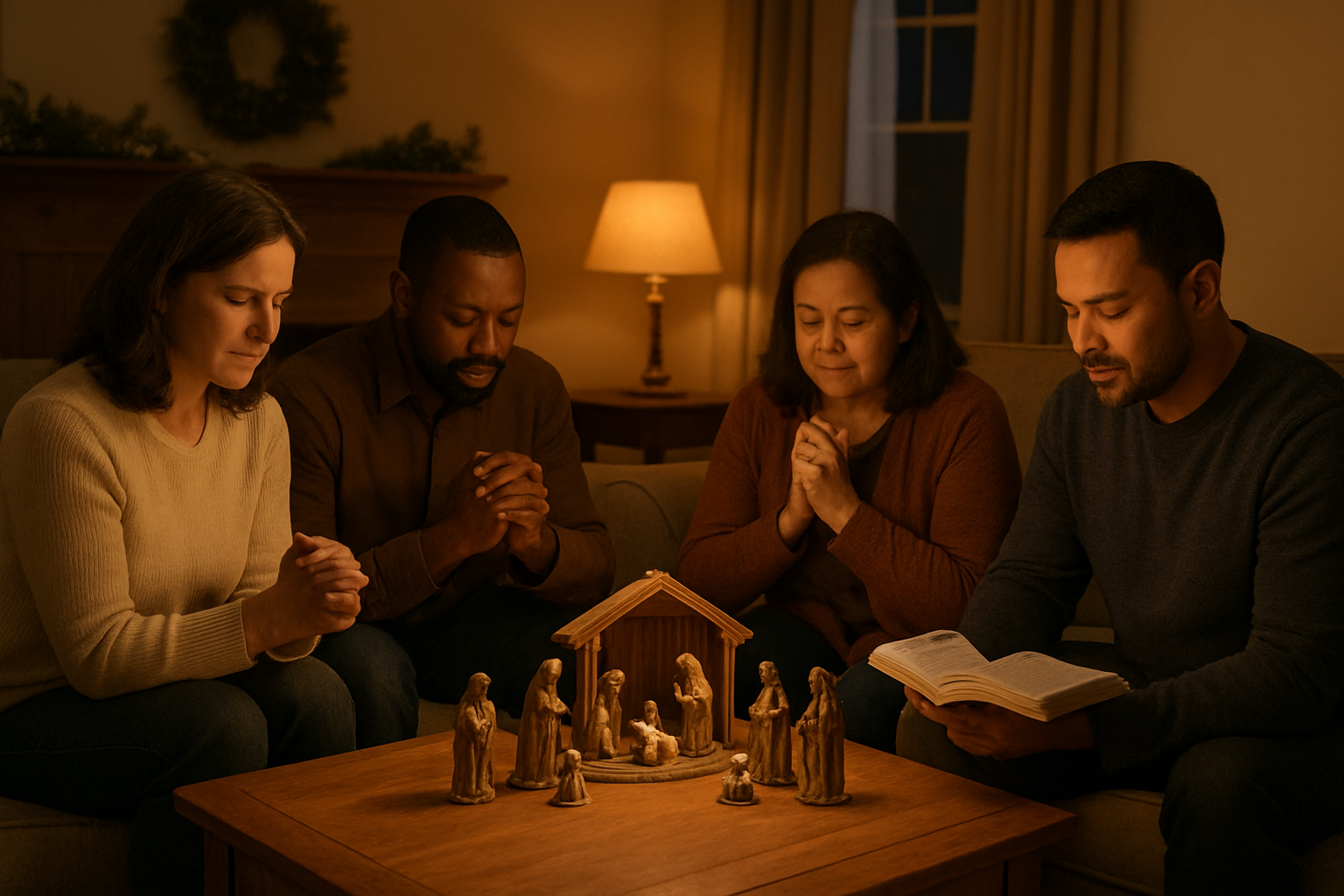
Christmas goes far beyond the twinkling lights and wrapped presents we see everywhere. At its heart, this celebration rests on the incredible truth that God chose to enter our world as a baby, showing us love that knows no limits. When we focus on this biblical foundation, Christmas becomes a powerful reminder of grace, hope, and the promise that we're never alone. The holiday gives us a chance to strengthen our bonds with fellow believers, creating communities built on shared faith and genuine care for one another.
The real magic of Christmas happens when we let its deeper meaning change how we live every day of the year. Take time this season to reflect on what God's gift really means for your life and relationships. Let the values of love, generosity, and compassion that shine so brightly in December become the foundation for how you treat others all year long. Christmas isn't just a single day on the calendar – it's an invitation to live with the same spirit of grace and kindness that brought Christ into the world in the first place.


Comments
Post a Comment