UNDERSTANDING THE GENEALOGY OF CHRIST - PATERNAL LINEAGE
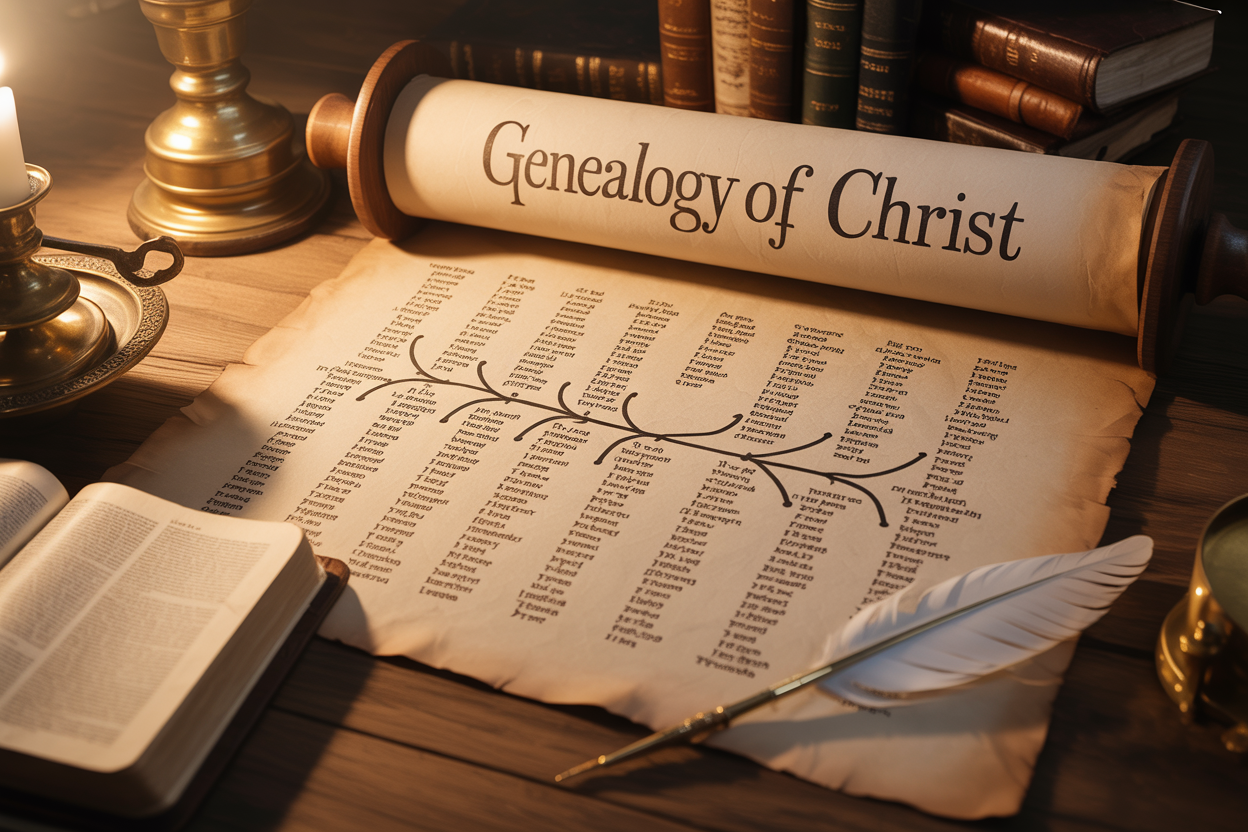
Understanding the Genealogy of Christ's Paternal Lineage
The Christ genealogy reveals one of the most fascinating family trees in history, tracing Jesus' paternal lineage through generations of biblical patriarchs and kings. This exploration is perfect for Bible students, theology enthusiasts, and anyone curious about how Jesus' ancestry connects to Old Testament prophecies about the Messiah lineage.
The Matthew genealogy presents Joseph's lineage as Jesus' legal father, establishing a direct link to the royal line of David that was essential for Jesus' role as the promised Messiah. While some question whether this represents biological or legal inheritance, the genealogical record serves a crucial purpose in demonstrating prophetic fulfillment.
We'll examine the biblical foundations that establish Jesus' connection to the Davidic line, exploring how this royal heritage validates His messianic claims. You'll also discover the remarkable stories of notable patriarchs whose spiritual legacy shaped the path to Jesus' birth. Finally, we'll address the ongoing theological discussion about legal versus biological lineage and why the paternal lineage of Jesus through Joseph remains significant regardless of the virgin birth narrative.
This biblical genealogy serves as more than just a family record—it's a roadmap showing how God's promises unfolded across centuries, culminating in Jesus ancestry that bridges the gap between ancient prophecy and divine fulfillment.
Biblical Foundations of Christ's Paternal Genealogy

Matthew's Gospel Account and Its Significance
Matthew opens his Gospel with a detailed Christ genealogy that traces Jesus's paternal lineage through forty-two generations, beginning with Abraham and culminating with Joseph, Jesus's legal father. This genealogy serves multiple purposes beyond simple record-keeping. Matthew deliberately structures his account into three sets of fourteen generations, creating a memorable pattern that emphasizes divine order and completeness in Christ's ancestry.
The genealogy in Matthew 1:1-17 establishes Jesus's legal claim to the Davidic throne through Joseph's lineage. Even though Jesus was conceived through the Holy Spirit, Jewish law recognized adoption and legal fatherhood as legitimate means of inheritance transfer. Joseph's acceptance of Jesus as his son secured the Messiah's royal heritage according to biblical genealogy standards.
Matthew includes several surprising women in his account - Tamar, Rahab, Ruth, and Bathsheba - breaking from typical Jewish genealogical practices that focused exclusively on male descent. These inclusions highlight God's grace and redemptive work through unexpected circumstances, preparing readers for the miraculous nature of Christ's birth.
Luke's Gospel Perspective on Lineage
Luke presents his genealogy in Luke 3:23-38 with a different approach, tracing Jesus's ancestry backward from Joseph to Adam himself. This expanded scope emphasizes Jesus's connection to all humanity rather than focusing solely on Jewish heritage. Luke's account contains approximately seventy-seven generations, significantly more than Matthew's condensed version.
The timing of Luke's genealogy also differs dramatically. While Matthew places his account at the Gospel's beginning, Luke positions it after Jesus's baptism and before His temptation, connecting Christ's divine calling with His human ancestry. This placement suggests that Jesus's earthly lineage prepared Him for His messianic mission.
Luke's genealogy likely follows Mary's family line through her father Heli, though it's presented through Joseph according to Jewish custom. This interpretation explains why Luke traces different ancestors between David and Joseph compared to Matthew's account, while both gospels affirm Jesus's Davidic heritage through separate family branches.
Key Differences Between the Two Genealogical Records
| Aspect | Matthew's Account | Luke's Account |
|---|---|---|
| Starting Point | Abraham | Adam |
| Direction | Forward (Abraham to Jesus) | Backward (Jesus to Adam) |
| Generations | 42 (3 sets of 14) | Approximately 77 |
| Primary Focus | Royal/Legal Lineage | Universal Human Connection |
| Likely Lineage | Joseph's bloodline | Mary's bloodline (through Heli) |
| Gospel Placement | Opening verses | After baptism |
The names between David and Joseph differ significantly between the accounts. Matthew traces through Solomon and the royal line, while Luke follows through Nathan, another son of David. This divergence supports the theory that one genealogy follows Joseph's biological heritage while the other traces Mary's family line.
Both genealogies converge at crucial points - Abraham, David, and ultimately Jesus - confirming the essential elements of Messiah lineage while serving different theological purposes within their respective Gospels.
Historical Context of Jewish Genealogical Practices
Jewish culture placed enormous importance on maintaining accurate genealogical records, particularly for those claiming priestly or royal heritage. Families preserved detailed lineage documentation for religious, legal, and social purposes. The destruction of the Temple in 70 AD eliminated many of these records, making the Gospel genealogies even more significant as historical documents.
Genealogical records served practical functions in ancient Israel. They determined inheritance rights, established tribal affiliations, and validated claims to religious offices. The Davidic line held special significance due to God's covenant promise that David's descendant would rule forever, making Jesus's paternal lineage crucial for messianic authentication.
Jewish genealogical practices allowed for various forms of legal sonship beyond biological relationships. Adoption, levirate marriage arrangements, and step-family relationships all created legitimate genealogical connections. This flexibility explains how both Matthew and Luke can present different yet authentic lineages for Jesus while maintaining the essential truth of His Davidic heritage through Joseph's legal fatherhood.
Tracing the Royal Davidic Line

Abraham to David: The Covenant Promise
The paternal lineage of Jesus begins with Abraham, the father of faith, who received God's covenantal promise around 2000 BC. God's declaration to Abraham established the foundation for the Messiah lineage: "In your seed all the nations of the earth shall be blessed" (Genesis 22:18). This divine covenant passed through Isaac rather than Ishmael, then through Jacob instead of Esau, demonstrating God's sovereign choice in establishing the Christ genealogy.
The genealogical line continued through Judah, one of Jacob's twelve sons, who received the prophetic blessing regarding rulership: "The scepter shall not depart from Judah, nor a lawgiver from between his feet, until Shiloh comes" (Genesis 49:10). This prophecy directly points to the royal nature of the Davidic line and the coming Messiah.
Key figures in this ancestral chain include:
-
Boaz and Ruth: Their union demonstrates God's inclusion of Gentiles in the Messiah lineage
-
Jesse: Father of David, from whom the "root of Jesse" prophecy emerges
-
Obed: The bridge between the generations, connecting the Ruth narrative to David's royal house
The Matthew genealogy carefully traces these connections, showing how God orchestrated history to fulfill His promises. Each generation carried forward the covenantal blessing, building toward the ultimate fulfillment in Christ's birth through the Joseph lineage.
David's Kingship and Messianic Prophecies
King David's reign (approximately 1010-970 BC) established the theological foundation for understanding Jesus as the promised Messiah. The Davidic covenant, recorded in 2 Samuel 7:12-16, contains specific promises that directly relate to Christ's paternal lineage: "I will set up your seed after you... and I will establish his kingdom forever."
The biblical patriarchs recognized David's unique role in God's redemptive plan. Psalm 89 expands on these messianic prophecies, declaring God's oath regarding David's descendants: "Once I have sworn by My holiness; I will not lie to David: His seed shall endure forever, and his throne as the sun before Me."
David's significance in Jesus ancestry extends beyond political leadership:
| Davidic Characteristics | Messianic Fulfillment |
|---|---|
| Shepherd of Israel | Good Shepherd |
| King after God's heart | King of Kings |
| Psalmist and worshiper | Prophet and Priest |
| Conqueror of enemies | Victory over sin and death |
The royal line of David became synonymous with messianic expectations throughout Israel's history. Prophets consistently referred to the coming Messiah as the "Son of David," establishing this genealogical connection as essential for recognizing the true Christ. Jesus' legal inheritance of David's throne through Joseph's lineage satisfies these prophetic requirements while maintaining the virgin birth through Mary's biological connection.
Solomon's Line Through Rehoboam
Solomon's ascension to David's throne marked a pivotal point in the biblical genealogy, though his reign brought both glory and eventual division. The Matthew genealogy traces Christ's paternal lineage through Solomon rather than Nathan (David's other son), establishing Jesus' legal claim to the throne through the royal succession line.
Solomon's son Rehoboam inherited a fractured kingdom around 930 BC. His harsh policies led to the division of Israel, creating the northern kingdom (Israel) and southern kingdom (Judah). The Messiah lineage continued through Judah's royal house, maintaining the Davidic covenant despite political turmoil.
The genealogical path through Solomon's descendants includes several notable kings:
-
Asa: Brought religious reformation to Judah
-
Jehoshaphat: Established judicial systems and sought God
-
Hezekiah: Experienced miraculous deliverance from Assyria
-
Josiah: Led the greatest spiritual revival in Judah's history
Even unfaithful kings like Manasseh appear in the Jesus ancestry, demonstrating God's faithfulness to His covenant promises despite human failures. The Joseph lineage preserved the legal right to David's throne through these monarchs, ensuring that Jesus could legitimately claim the title "Son of David."
The Solomonic line faced numerous challenges, including foreign invasions, religious apostasy, and internal strife. Yet God maintained the royal succession, protecting the genealogical integrity needed for the Messiah's eventual arrival.
The Babylonian Exile's Impact on Royal Succession
The Babylonian exile (586-538 BC) dramatically altered the Davidic line's political status while preserving its genealogical significance. King Jeconiah (also called Jehoiachin) was taken captive to Babylon, effectively ending the active monarchy but not the bloodline itself.
Jeremiah's prophecy regarding Jeconiah created apparent theological tension: "Thus says the Lord: 'Write this man down as childless, a man who shall not prosper in his days; for none of his descendants shall prosper, sitting on the throne of David'" (Jeremiah 22:30). This curse seemed to threaten the Messiah lineage, yet God's solution demonstrates divine wisdom.
The exile period produced several important developments:
Preservation of Records: Jewish scribes meticulously maintained genealogical records during captivity, ensuring the Christ genealogy remained intact.
Spiritual Refinement: The exile purified Israel's understanding of the Davidic covenant, shifting focus from political power to spiritual fulfillment.
Prophetic Clarification: Ezekiel and other exile prophets expanded messianic expectations, preparing for Jesus' arrival through the paternal lineage.
Post-exile figures like Zerubbabel (Jeconiah's grandson) led the return to Jerusalem and temple reconstruction, continuing the royal line despite lacking political sovereignty. The biblical genealogy shows how God preserved David's descendants through this challenging period, maintaining both legal succession and covenant promises.
The exile's conclusion prepared the way for Jesus' birth into a lineage that carried royal legitimacy without current political power, perfectly fulfilling messianic prophecies about a spiritual rather than earthly kingdom.
Notable Patriarchs and Their Spiritual Legacy
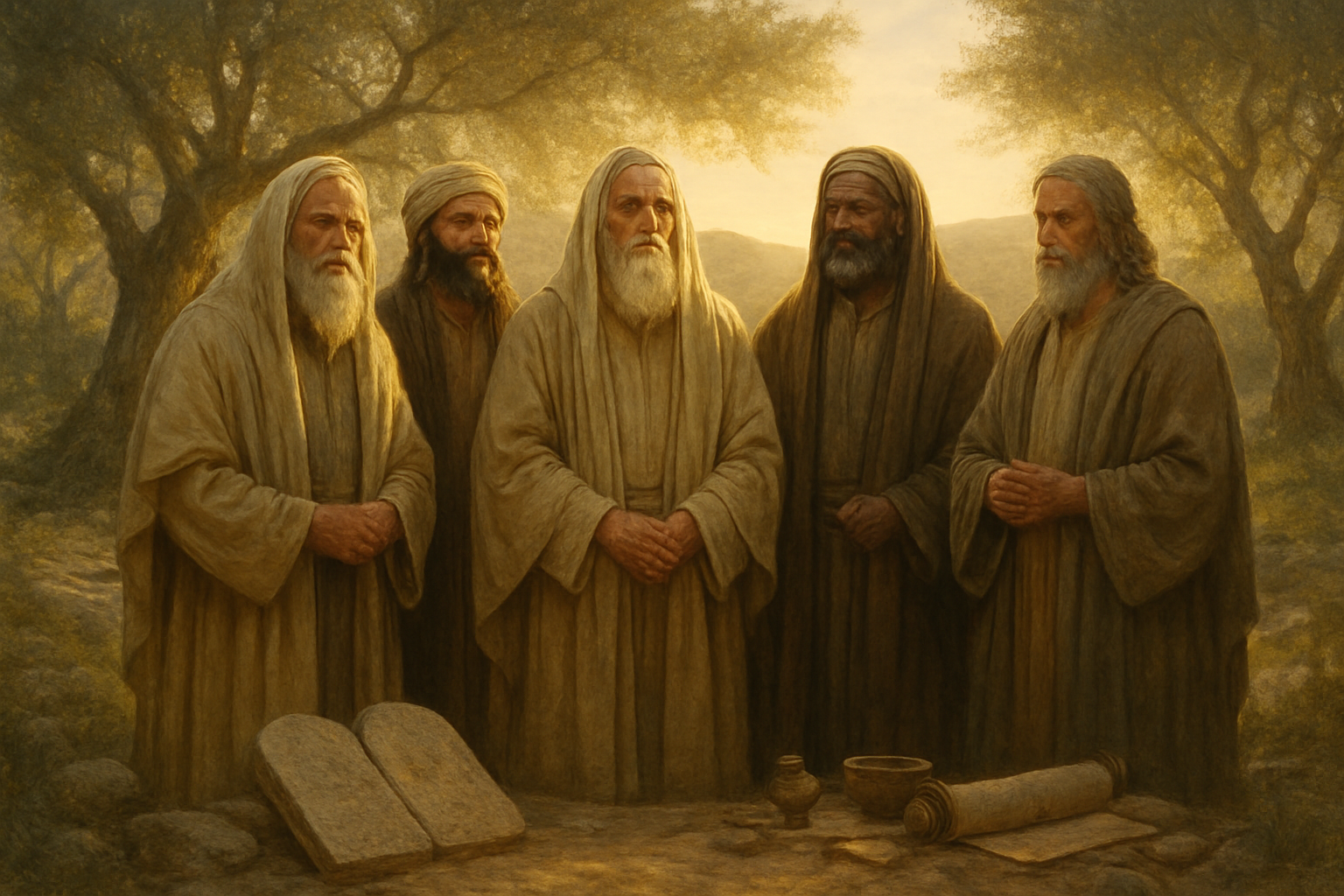
Abraham: Father of Faith and Nations
Abraham stands as the foundational patriarch in Christ's genealogy, representing the beginning of God's covenant relationship with humanity. His journey from Ur of the Chaldees to the Promised Land demonstrates unwavering faith that would define the Messiah lineage for generations. God's promise to Abraham that "all nations of the earth shall be blessed" through his seed finds its ultimate fulfillment in Jesus Christ, making Abraham's spiritual legacy central to understanding the paternal lineage of Jesus.
The covenant God established with Abraham introduced circumcision as a sign of faith and set apart his descendants as God's chosen people. This covenant relationship created the framework through which the Messiah would eventually come. Abraham's willingness to sacrifice Isaac on Mount Moriah prefigures the sacrificial nature of Christ's mission, connecting his faith journey directly to the redemptive work of Jesus.
| Abraham's Legacy | Prophetic Significance |
|---|---|
| Father of Many Nations | Universal scope of Christ's ministry |
| Covenant Bearer | Foundation for New Covenant |
| Man of Faith | Model of faith Jesus would fulfill |
Isaac: The Child of Promise
Isaac represents divine intervention and supernatural birth within the Davidic line. Born to Abraham and Sarah in their old age, Isaac's miraculous birth parallels the virgin birth of Christ, demonstrating God's power to bring life from impossibility. His name meaning "laughter" reflects the joy that comes through God's promised deliverances, foreshadowing the joy that Christ would bring to the world.
The binding of Isaac on Mount Moriah reveals profound theological truths about sacrifice and substitution that would later be fully realized in Christ's crucifixion. Isaac's passive submission to his father's will mirrors Christ's obedience to the Father, even unto death. This event establishes a pattern of sacrificial love that runs through the entire biblical genealogy of Jesus.
Isaac's marriage to Rebekah, orchestrated through divine guidance, shows God's sovereign hand in preserving the Messiah lineage. His role as the bridge between Abraham's faith and Jacob's transformation demonstrates how each generation in Christ's ancestry contributes unique elements to the unfolding plan of redemption.
Jacob: Israel and the Twelve Tribes
Jacob's transformation from a deceiver to Israel, "prince with God," illustrates the redemptive power that would fully manifest in Christ. His wrestling match with God at Peniel represents humanity's struggle with the divine, ultimately resulting in blessing and new identity. This spiritual wrestling prefigures Christ's own struggle in Gethsemane and his victory over sin and death.
The twelve sons of Jacob became the foundation of the twelve tribes of Israel, establishing the national framework through which the Messiah would come. Jacob's prophetic blessing over his sons in Genesis 49 specifically identifies Judah as the tribe from which the ruler would emerge, directly connecting to the royal line of David and ultimately to Jesus Christ.
Jacob's journey from Bethel to Egypt demonstrates God's faithfulness through seasons of exile and return, themes that would characterize Israel's history and find their ultimate resolution in Christ's work. His name change to Israel represents the spiritual transformation available to all who encounter God, a transformation that Christ would make possible for all nations.
Judah: The Lion of the Tribe
Judah emerges as the royal tribe within Jacob's family, receiving the blessing of rulership and the promise that "the scepter shall not depart from Judah." This prophetic declaration establishes the foundation for the Davidic line and the eventual coming of the Messiah. Despite his moral failures, including the incident with Tamar, Judah's repentance and leadership qualities position him as an ancestor worthy of the royal Messiah lineage.
The symbol of the lion associated with Judah finds its fulfillment in Christ, who is called the "Lion of the tribe of Judah" in Revelation. This imagery connects the strength, courage, and leadership qualities of the tribe with the divine authority and power of Jesus Christ. Judah's willingness to sacrifice himself for Benjamin demonstrates the self-sacrificial love that would characterize the ultimate descendant of his line.
Judah's transformation from jealous brother to protective leader shows the redemptive power that runs through the paternal lineage of Jesus. His intercession for Benjamin before Joseph parallels Christ's intercessory role for humanity before the Father, making Judah's spiritual legacy a crucial component in understanding the genealogical preparation for the Messiah's coming.
Understanding the Legal vs Biological Lineage Debate

Joseph's Role as Legal Father
Joseph's position in Christ's genealogy represents something unique in biblical history. While not Jesus's biological father, Joseph holds the crucial legal status that connects Jesus to the Davidic line through Matthew's genealogy. In ancient Jewish society, legal fatherhood carried the same weight as biological parentage when it came to inheritance rights, tribal membership, and royal succession.
When Joseph accepted Mary as his wife despite her pregnancy, he officially became Jesus's legal father under Jewish law. This decision wasn't just personal—it had massive implications for Jesus's messianic credentials. Without Joseph's legal acknowledgment, Jesus couldn't claim his rightful place in the royal Davidic lineage that the Messiah needed to fulfill Old Testament prophecies.
The Gospel of Matthew deliberately traces the paternal lineage through Joseph to establish Jesus's legal right to David's throne. Every name in that genealogy matters because it builds the legal case for Jesus's royal heritage. Joseph didn't just provide a home for Jesus—he provided the legal framework that made Jesus the rightful heir to David's promises.
Adoptive Practices in Ancient Jewish Culture
Ancient Jewish adoption practices were far more comprehensive than modern legal adoption. When a man adopted a child, that child received full inheritance rights, tribal identity, and family name recognition. The adopted child became legally indistinguishable from a biological heir in all matters of law and society.
Jewish adoption often happened within extended families, particularly when a man died without heirs. The practice aimed to preserve family lineage and ensure property remained within the clan. These adoptions created permanent bonds that couldn't be broken—once adopted, always part of the family line.
The biblical record shows several examples of this practice. Moses was adopted into Pharaoh's family, gaining royal status and education. Esther was adopted by Mordecai, receiving full family protection and identity. These adoptions demonstrate how ancient cultures understood legal parentage as equally valid to biological relationships.
In Jesus's case, Joseph's adoption provided something even more significant than typical family adoption. It connected Jesus to the covenant promises made to David's descendants. The legal adoption gave Jesus access to messianic qualifications that required Davidic ancestry through the paternal line.
Messianic Fulfillment Through Paternal Rights
The Messiah needed specific credentials according to Old Testament prophecy. Chief among these was descent from King David through the royal line. This requirement created a unique challenge for Jesus's virgin birth—how could he claim Davidic heritage without a biological connection to David's lineage?
Joseph's legal fatherhood solved this prophetic puzzle perfectly. Through Joseph's Davidic ancestry, Jesus gained the necessary royal credentials while maintaining his divine conception. The paternal lineage in Matthew's genealogy establishes Jesus's legal claim to David's throne, fulfilling prophecies about the Messiah's royal heritage.
Ancient Jewish law recognized that paternal rights transferred through legal adoption just as completely as through biological birth. This principle allowed Jesus to satisfy the messianic requirement for Davidic descent while preserving the miracle of his virgin birth. The legal vs biological distinction doesn't weaken Jesus's claim—it strengthens the divine plan that provided exactly what prophecy demanded.
The paternal lineage also connects Jesus to the broader covenant promises given to Abraham, Isaac, and Jacob. Through Joseph's family line, Jesus inherits not just royal rights but also the spiritual promises that flow through Israel's patriarchal history. This connection demonstrates how God orchestrated every detail of Christ's genealogy to fulfill his redemptive plan perfectly.
Prophetic Fulfillment Through Christ's Ancestry
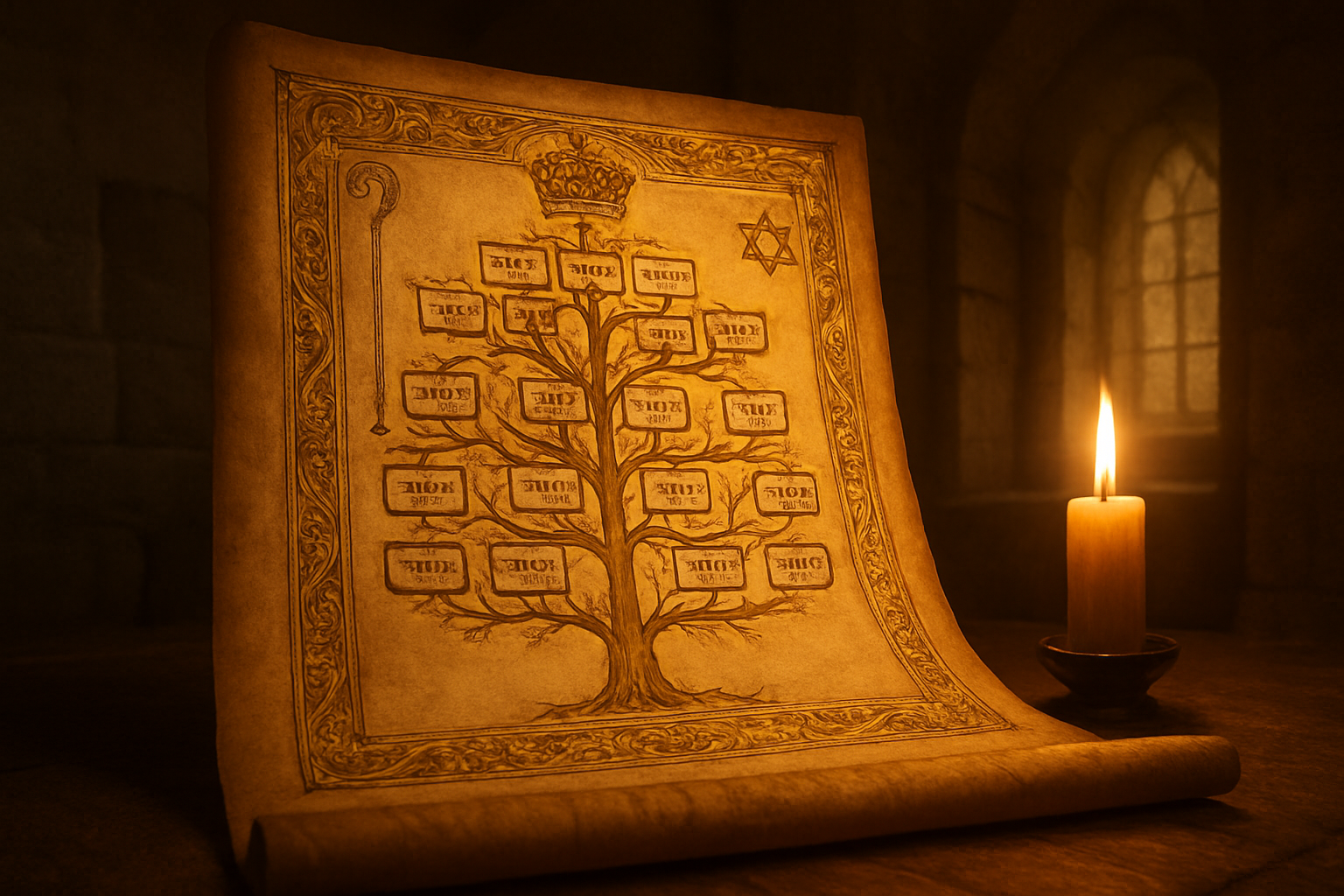
Old Testament Messianic Promises
The Christ genealogy reveals how God wove specific promises throughout the Old Testament that would find their ultimate fulfillment in Jesus. The paternal lineage of Jesus connects directly to key messianic prophecies that span centuries of biblical history. Genesis 3:15 introduces the first messianic promise, speaking of the woman's seed who would crush the serpent's head - a prophecy that threads through the entire biblical genealogy of Christ.
The promise given to Abraham in Genesis 12:3 declares that "in thee shall all families of the earth be blessed." This blessing flows through the Davidic line and reaches its pinnacle in Christ's ancestry. The Matthew genealogy carefully traces this promise from Abraham through fourteen generations to David, then fourteen more to the Babylonian captivity, and finally fourteen generations to Christ himself.
The Seed of Abraham Covenant
Abraham's covenant establishes the foundation for understanding Jesus ancestry within God's redemptive plan. The promise that Abraham's seed would bless all nations becomes central to the paternal lineage of Jesus. Galatians 3:16 specifically identifies Christ as the singular "seed" to whom the promises were made, not to multiple seeds but to one.
The Joseph lineage maintains this covenantal thread through Isaac, Jacob, and eventually to David. Each generation in the biblical genealogy carries forward this divine promise, creating an unbroken chain of covenant faithfulness. The royal line of David emerges from this Abrahamic foundation, establishing both the legal and spiritual credentials necessary for the Messiah.
Biblical patriarchs within this lineage each played crucial roles in preserving and advancing the covenant promise. From Judah's blessing in Genesis 49:10 declaring the scepter would not depart from his tribe, to the specific promises given to David himself, the Messiah lineage becomes increasingly defined and focused.
Davidic Throne Eternal Promise
The Davidic covenant represents a pivotal moment in biblical genealogy where God promises David an eternal throne through his lineage. Second Samuel 7:12-16 establishes that David's house, kingdom, and throne would endure forever. This promise directly connects to the paternal lineage of Jesus through Joseph's legal adoption, ensuring Christ's rightful claim to David's throne.
The royal line of David carries both political and spiritual significance within the Christ genealogy. The promise encompasses not just earthly kingship but divine rule that would extend beyond temporal boundaries. Each king in the Davidic line, whether righteous or rebellious, maintains the genealogical thread that leads to the ultimate fulfillment in Jesus.
| Davidic King | Prophetic Significance | Connection to Christ |
|---|---|---|
| Solomon | Temple builder | Wisdom fulfilled |
| Josiah | Righteous reformer | Justice restored |
| Jeconiah | Cursed line | Curse broken through adoption |
Jeremiah's Branch Prophecy Connection
Jeremiah's prophecy of the righteous Branch (Jeremiah 23:5-6) specifically names this future king as coming from David's line. The prophet declares that this Branch will reign wisely and execute judgment and justice in the earth. The biblical genealogy in Matthew positions Jesus as the direct fulfillment of this Branch prophecy through his connection to the Davidic line.
The "Branch" imagery appears multiple times throughout Old Testament prophecy, always pointing toward a descendant of David who would restore Israel's fortunes. Isaiah 11:1 speaks of a rod from Jesse's stem and a Branch from his roots, while Zechariah 3:8 and 6:12 reference the Branch as both priest and king. The Jesus ancestry fulfills all these prophetic requirements through the carefully preserved genealogical record.
Daniel's Timeline Fulfillment
Daniel's seventy-weeks prophecy provides specific timing for the Messiah's appearance, which aligns remarkably with the historical context of Christ's genealogy. Daniel 9:24-27 outlines a precise timeline from the decree to restore Jerusalem until the coming of Messiah the Prince. The Messiah lineage becomes not just a matter of bloodline but of divine timing orchestrated across centuries.
The genealogical records preserved in the Matthew genealogy enable the identification of Jesus as the promised Messiah within Daniel's prophetic framework. The destruction of genealogical records in 70 AD makes it impossible for any future claimant to verify Davidic ancestry, highlighting the providential timing of Christ's birth and ministry within the prescribed prophetic timeline.

Christ's paternal genealogy reveals God's masterful plan spanning centuries, connecting prophecy to fulfillment through carefully chosen lineages. The royal Davidic line, combined with the spiritual legacies of Abraham, Isaac, Jacob, and other patriarchs, establishes Jesus' rightful place as the promised Messiah. Each generation contributed unique elements to this divine tapestry, whether through faith, redemption, or royal authority.
The debate between legal and biological lineage actually strengthens rather than weakens Christ's messianic credentials. Joseph's adoption of Jesus provided the necessary legal connection to David's throne, while Mary's bloodline ensured biological descent from the same royal house. This dual pathway demonstrates how God works through human customs and divine intervention alike. For believers today, Christ's genealogy serves as a powerful reminder that our Savior didn't appear randomly in history but arrived exactly as the prophets foretold, with credentials that cannot be disputed.


Comments
Post a Comment