UNDERSTANDING CHRIST'S GIFTS FROM THE WISE MEN
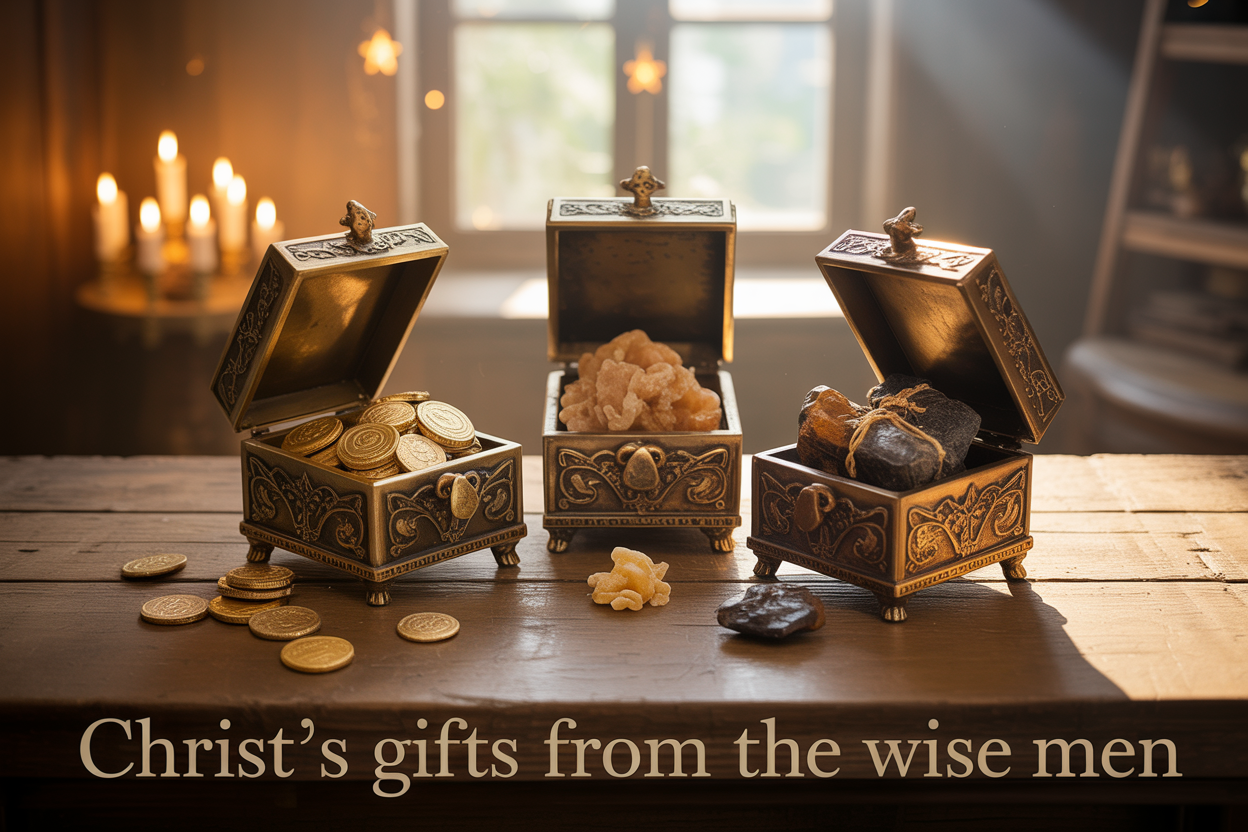
The wise men gifts to Jesus remain one of the most fascinating parts of the Christmas story, yet many believers miss the deeper meaning behind gold frankincense myrrh. This exploration is perfect for Christians seeking to understand biblical symbolism, Sunday school teachers preparing lessons, and anyone curious about the three wise men biblical significance during the holiday season.
The magi didn't randomly choose these precious offerings. Each gift carried profound spiritual weight that pointed to Jesus's identity and mission. When we dig into the magi gifts symbolism, we discover layers of meaning that transform how we read this familiar passage.
We'll uncover the historical backdrop of the wise men journey to Bethlehem and why these particular visitors mattered so much. You'll learn how each gift - gold representing kingship, frankincense symbolizing divinity, and myrrh foreshadowing sacrifice - painted a complete picture of who Jesus was and what He came to do. Finally, we'll explore how the magi gifts spiritual significance can guide your own faith journey today, showing practical ways to honor Christ just like these ancient seekers did.
Discover the Historical Context of the Wise Men's Journey
Uncover the astronomical events that guided their travels
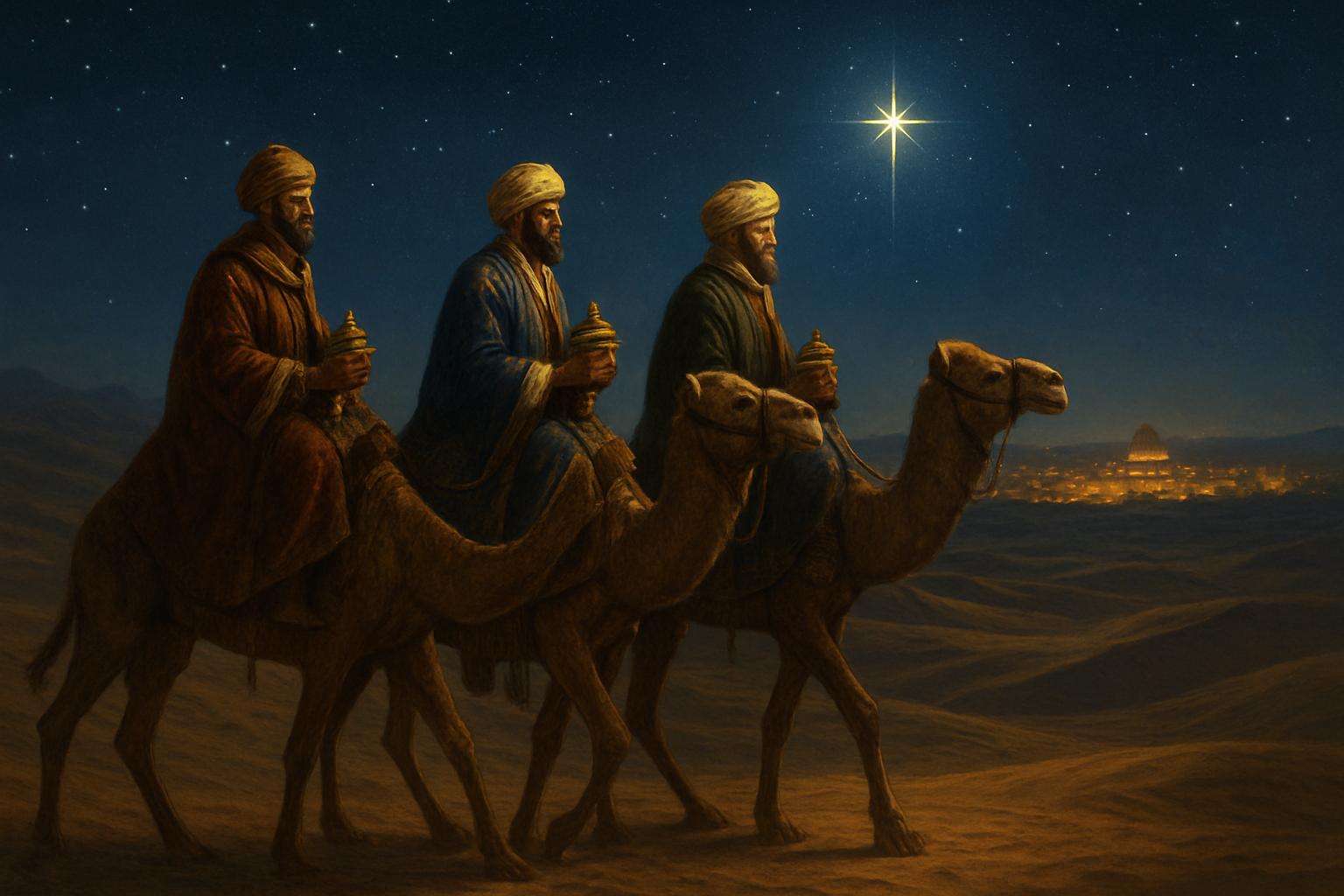
The wise men journey to Bethlehem likely began with an extraordinary celestial phenomenon that captured the attention of skilled astronomers in the East. Modern scholars have identified several possible astronomical events that could explain the "star" mentioned in Matthew's Gospel. The most compelling theory involves a series of conjunctions between Jupiter and Saturn in the constellation Pisces between 7-6 BC, creating an unusually bright celestial display.
Jupiter held special significance as the "king planet" in ancient astronomy, while Saturn was associated with the Jewish people. When these planets appeared to merge in Pisces - a constellation linked to the end times and new beginnings - it would have signaled the birth of a Jewish king to learned observers. Chinese astronomical records from this period also document unusual stellar activity, supporting the biblical account.
Another possibility involves a nova or supernova that would have appeared as a brilliant new star. The Magi's expertise in reading celestial signs meant they recognized this wasn't merely a natural occurrence but a divine announcement requiring investigation and reverence.
Learn about the Magi's cultural background and religious practices
The Magi originated from the ancient Persian and Mesopotamian regions, where they served as a priestly class specializing in astronomy, astrology, and dream interpretation. These weren't simple fortune-tellers but highly educated scholars who advised kings and interpreted divine will through natural phenomena.
Their religious background likely combined Zoroastrianism with Babylonian astronomical traditions. Zoroastrianism taught about a coming savior who would bring light to overcome darkness - a belief that may have prepared them to recognize the biblical gifts of gold frankincense myrrh as appropriate offerings for a divine king.
The Magi maintained extensive libraries and astronomical records, tracking planetary movements and celestial events across generations. Their knowledge system included:
-
Mathematical astronomy for calculating planetary positions
-
Religious symbolism connecting heavenly events to earthly meanings
-
Cultural traditions of honoring kings with precious gifts
-
International networks enabling long-distance travel and communication
Understand the political climate of first-century Palestine
The three wise men biblical significance becomes clearer when viewed against the volatile political landscape of Herod's reign. King Herod the Great ruled Judea as a Roman client king from 37-4 BC, maintaining power through brutal suppression of any perceived threats to his throne.
Herod's paranoia about potential rivals was legendary - he executed several of his own sons and wife to eliminate succession threats. The arrival of foreign dignitaries seeking a newborn "King of the Jews" would have triggered his deepest fears about losing power.
The Roman Empire exercised control over Palestine through:
| Political Structure | Impact on the Narrative |
|---|---|
| Client kings like Herod | Created insecurity about legitimate succession |
| Heavy taxation | Generated messianic expectations |
| Military occupation | Made any "king" claims politically dangerous |
| Religious tensions | Heightened anticipation of divine intervention |
The Magi's public inquiry about a newborn king essentially announced a rival claimant to Herod's throne, explaining his violent reaction and the subsequent massacre of Bethlehem's infants.
Explore the significance of their long-distance pilgrimage
The wise men gifts to Jesus represented the culmination of an arduous journey covering potentially 800-1,000 miles through dangerous territory. This pilgrimage demonstrated extraordinary commitment that went far beyond casual curiosity about astronomical events.
Ancient travel was perilous, expensive, and time-consuming. The Magi's caravan would have required:
-
Months of preparation gathering supplies, guides, and security
-
Significant financial investment in travel expenses and valuable gifts
-
Personal sacrifice leaving their positions and families for an uncertain quest
-
Faith in their interpretation of celestial signs despite no guarantee of success
Their willingness to undertake this Christmas story wise men journey reveals the profound impact of the astronomical signs they witnessed. They believed deeply enough in the significance of what they'd observed to risk their lives, reputations, and fortunes on finding this newborn king.
The international nature of their pilgrimage also demonstrates how Jesus's birth had cosmic significance extending beyond Jewish expectations. These Gentile scholars recognized and worshiped the Christ child, foreshadowing Christianity's global reach and the inclusion of all nations in God's redemptive plan.
Decode the Symbolic Meaning Behind Gold as a Gift

Recognize gold's representation of Christ's divine kingship
Gold stands as the most precious metal throughout human history, making it the perfect symbol for royalty and divinity. When the wise men gifts to Jesus included gold, they acknowledged something profound about this newborn child. Ancient cultures universally recognized gold as the metal of kings and gods, reserved only for the highest earthly and heavenly authorities.
The choice of gold wasn't random or simply valuable - it declared Jesus as the King of Kings. In the biblical context, gold represented purity, refinement, and incorruptible value. Unlike silver or copper that tarnish over time, gold maintains its brilliance forever, mirroring Christ's eternal nature. The Magi understood that this child possessed divine authority that would never fade or diminish.
Biblical passages consistently link gold with God's glory and divine presence. The Ark of the Covenant, the holy of holies, and priestly garments all featured gold prominently. By presenting gold to infant Jesus, the wise men declared His divine kingship before He spoke His first word or took His first step.
Connect ancient royal traditions to the Magi's gift choice
Royal gift-giving in ancient times followed specific protocols that reveal the Magi's deep understanding of Jesus' identity. Persian, Babylonian, and Eastern kings traditionally received tribute in gold when acknowledging a superior ruler or divine appointment. The three wise men biblical significance becomes clearer when we examine these cultural practices.
Ancient royal birth announcements often included gold presentations from visiting dignitaries. When foreign rulers or their representatives brought gold, they essentially acknowledged the recipient's legitimate claim to authority. The Magi's gift choice followed established diplomatic customs that recognized Jesus' royal status.
Consider these ancient royal gift traditions:
-
Gold coins or bullion: Demonstrated wealth and submission to authority
-
Golden vessels: Showed respect for divine or royal households
-
Ornate golden objects: Represented artistic tribute to superior rulers
-
Raw gold: Symbolized pure, unrefined acknowledgment of power
The wise men journey to Bethlehem followed these established patterns, treating the Christ child with the same reverence reserved for the greatest earthly monarchs. Their gift validated Jesus' position within the cosmic order of divine kingship.
Understand how gold validated Jesus' messianic identity
The magi gifts symbolism runs deeper than surface-level wealth or honor. Gold specifically validated Jesus' messianic claims by connecting Him to Old Testament prophecies about the coming King. Jewish scriptures repeatedly associated the Messiah with gold, precious metals, and royal treasures.
Psalm 72 prophesied that kings would bring gifts to the Messiah, including gold from distant lands. Isaiah spoke of nations bringing their wealth to honor God's chosen one. The wise men's gold gift literally fulfilled these ancient predictions, providing tangible proof of Jesus' messianic identity.
The symbolic meaning of Jesus gifts extends to practical validation as well. In Jewish culture, expensive gifts accompanied significant life transitions - births, marriages, coronations. Gold represented permanence, suggesting that Jesus' kingship wasn't temporary or conditional. The Magi declared through their gift that this child's authority would endure beyond earthly limitations.
The gold also distinguished Jesus from ordinary children or religious teachers. While other Jewish boys might receive modest birth gifts, only a true king would warrant such expensive tribute from foreign dignitaries. The wise men's gold separated Jesus from every other child born in Bethlehem, marking Him as uniquely royal and divinely appointed.
Their gift established Jesus' kingship before His ministry began, creating a foundation for His later claims about establishing God's kingdom on earth.
Unveil the Prophetic Significance of Frankincense
Discover frankincense's role in temple worship and priestly duties
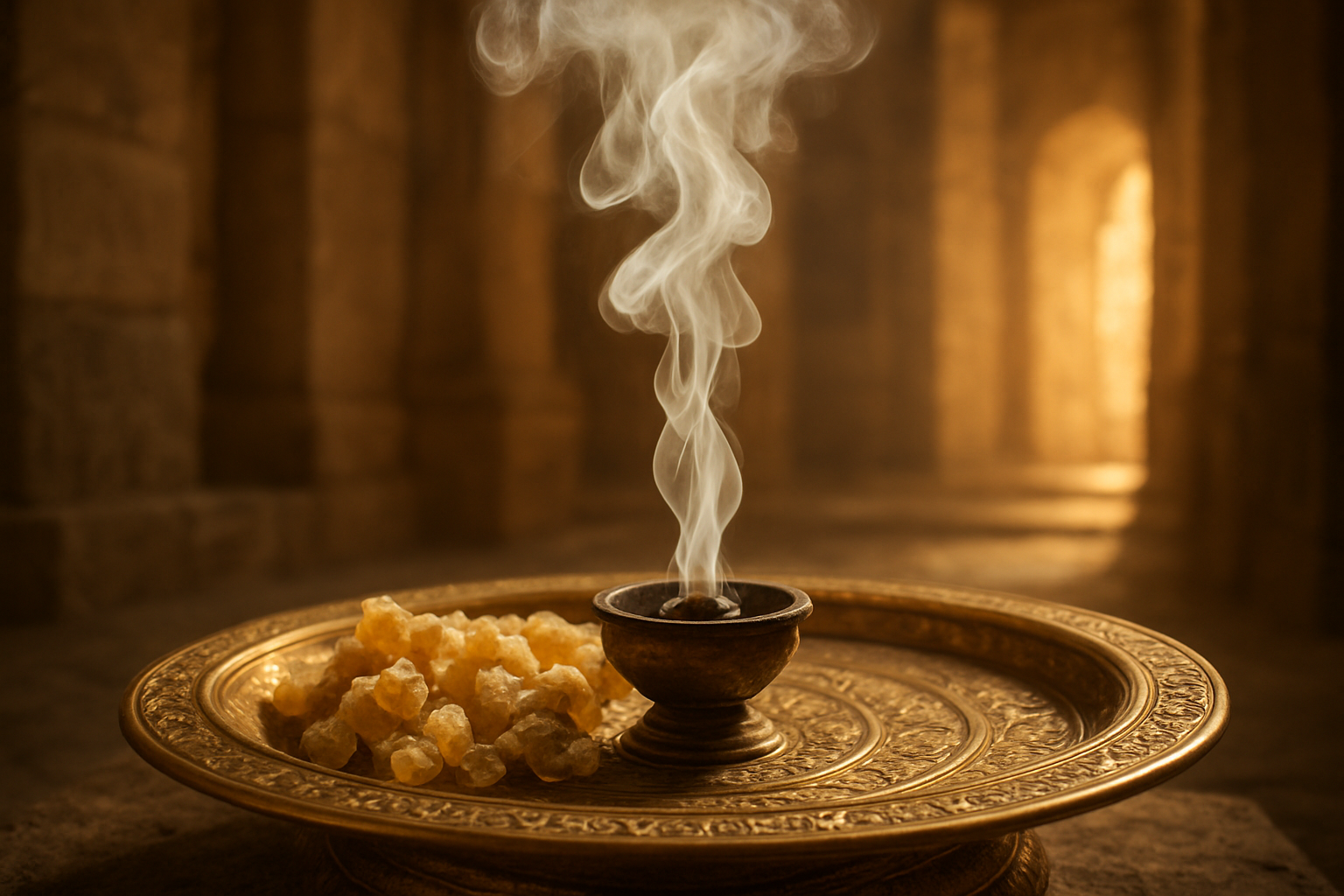
Frankincense held sacred significance in ancient Hebrew worship, serving as an essential element in temple ceremonies and priestly functions. The aromatic resin, harvested from Boswellia trees in Arabia and East Africa, created the holy incense burned daily on the golden altar before the Most Holy Place. Priests carefully prepared this precious substance according to God's specific instructions, mixing it with other spices to create the sacred blend that filled the temple with its distinctive fragrance.
The Levitical priesthood used frankincense during grain offerings, sprinkling it over the sacrifice before burning it on the altar. This practice symbolized prayers ascending to heaven, creating a tangible connection between earthly worship and divine presence. Only priests could handle this sacred incense, making it a symbol of their mediatory role between God and the people of Israel.
Learn how this gift pointed to Christ's high priestly ministry
When the wise men presented frankincense to the infant Jesus, they unknowingly prophesied His future role as humanity's eternal High Priest. Unlike the Levitical priests who offered temporary sacrifices, Jesus would become the perfect mediator who bridges the gap between God and mankind permanently.
The magi gifts symbolism becomes clear when we see how frankincense represented Jesus's priestly calling. Just as temple incense rose before God's throne, Christ's prayers and intercession continuously ascend to the Father on behalf of believers. The Book of Hebrews describes Jesus as our great High Priest who entered the heavenly sanctuary once and for all, securing eternal redemption.
This gift acknowledged that the child lying in the manger would one day offer Himself as both priest and sacrifice, fulfilling what the temple ceremonies could only foreshadow. The aromatic offering spoke to His divine nature and His appointed role as the one who would make atonement for sin.
Understand the connection between incense and divine intercession
Biblical tradition consistently links burning incense with intercessory prayer and divine communication. In Revelation, John describes golden bowls full of incense representing the prayers of the saints before God's throne, showing how our prayers become a sweet aroma that reaches heaven.
The timing of incense offerings in temple worship created structured moments for the people to pray while the priest performed his duties. When Zacharias encountered the angel Gabriel, he was burning incense during the evening prayer time, demonstrating how this aromatic offering facilitated encounters with the divine.
Jesus embodies this intercessory role perfectly, standing as our advocate before the Father. His ongoing ministry includes presenting our prayers to God, just as the temple priests offered incense on behalf of the nation. The frankincense gift recognized this future ministry, identifying the baby Jesus as the one who would permanently fulfill the priestly function.
Explore the aromatic offering's representation of prayer and worship
The sweet fragrance of burning frankincense created an atmosphere of worship that engaged multiple senses in temple ceremonies. This aromatic element transformed ordinary spaces into sacred ones, helping worshippers focus their hearts and minds on God's presence. The rising smoke provided a visual representation of prayers ascending to heaven, making the invisible reality of divine communication tangible.
Ancient cultures understood fragrance as a bridge between the physical and spiritual realms. The wise men gifts to Jesus included frankincense because it represented the most intimate form of communion with the divine. When believers offer sincere worship and prayer, it creates a spiritual fragrance that delights God's heart.
The gift also pointed to Jesus's role in making our prayers acceptable to God. Just as frankincense enhanced other offerings in the temple, Christ's intercession enhances our prayers, making them effective and pleasing to the Father. Our worship becomes a sweet-smelling sacrifice through His mediation, transforming imperfect human attempts at prayer into perfect offerings that reach God's throne.
Reveal the Profound Message Within the Gift of Myrrh
Understand myrrh's association with burial and death
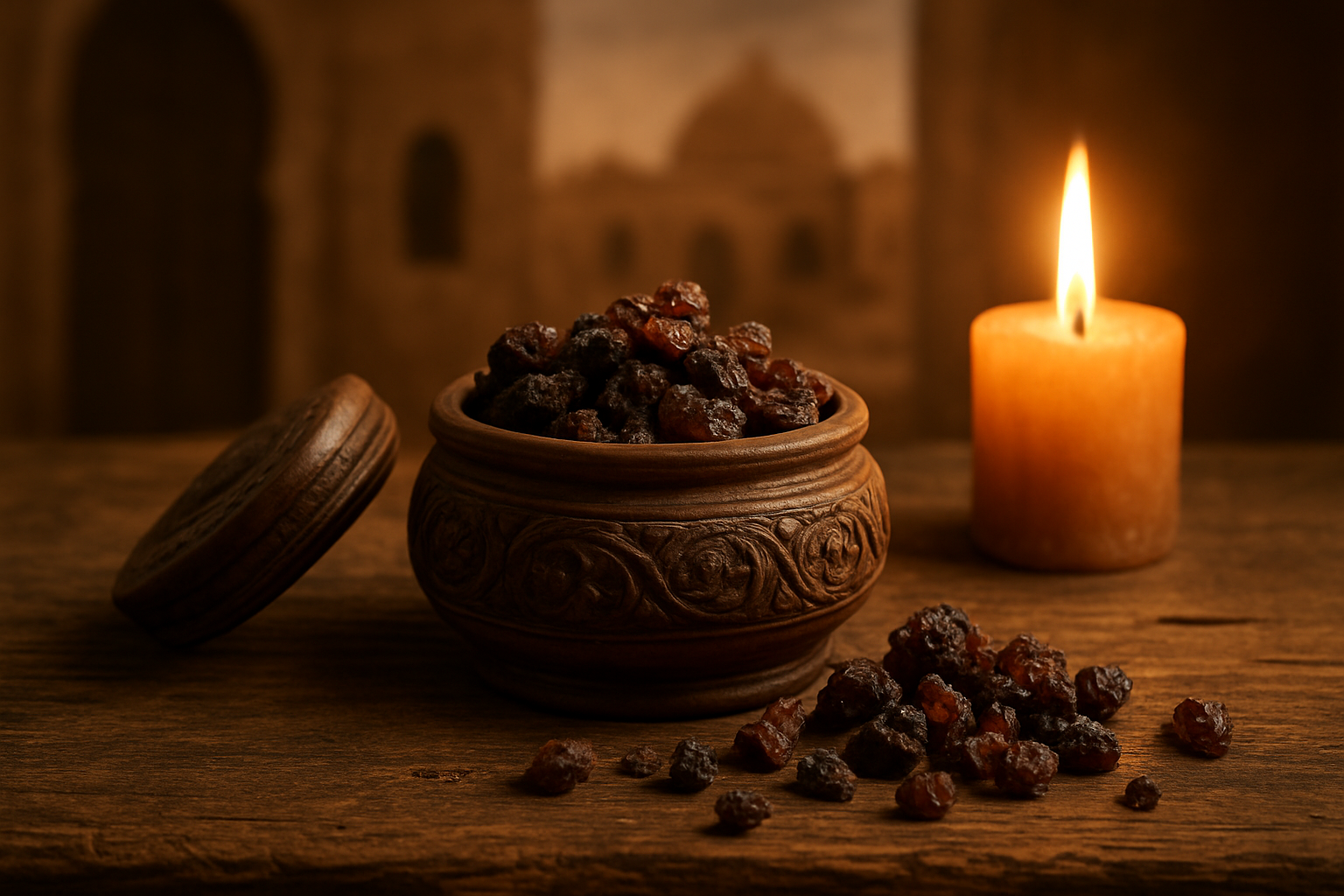
Among the wise men gifts to Jesus, myrrh stands out as the most sobering and prophetic. This dark, resinous substance came from the thorny Commiphora tree and carried deep cultural significance in ancient times. The Jewish people knew myrrh primarily as an embalming spice, mixed with other aromatic substances to prepare bodies for burial.
When the magi presented this precious resin to the Christ child, they unknowingly pointed to His ultimate destiny. Myrrh's bitter scent and association with death ceremonies made it an unusual gift for a newborn king. Yet this choice reveals the profound spiritual insight these eastern visitors possessed about Jesus' true mission on earth.
The gift becomes even more meaningful when we consider that myrrh was expensive and rare, making it worthy of royalty while simultaneously acknowledging mortality. This dual nature perfectly captured the paradox of the incarnation - the eternal God taking on human flesh, complete with its limitations and inevitable death.
Discover how this gift foreshadowed Christ's suffering and sacrifice
The biblical gifts of gold frankincense myrrh each carried prophetic weight, but myrrh's message cuts deepest. This aromatic resin painted a picture of the cross thirty-three years before Jesus would hang upon it. The wise men, guided by divine providence, brought a gift that spoke directly to the suffering servant prophecies of Isaiah.
Myrrh's bitter taste and connection to death rituals foreshadowed not just Christ's crucifixion, but the entire spectrum of His earthly suffering. From His rejection by religious leaders to His betrayal by close friends, Jesus would experience the full bitterness that myrrh represented. The gift acknowledged that this child would grow up to drink the cup of God's wrath for humanity's sins.
The symbolism extends beyond the cross to encompass the entire sacrificial system. Just as myrrh preserved dead bodies from decay, Christ's sacrifice would preserve believers from spiritual death. The magi's gift recognized that true kingship sometimes requires the ultimate sacrifice - laying down one's life for others.
Learn about myrrh's medicinal properties and healing symbolism
Beyond its funeral applications, myrrh possessed remarkable healing properties that ancient peoples valued highly. Medical practitioners used it to treat wounds, reduce inflammation, and ease pain. These therapeutic qualities add another layer to the magi gifts symbolism, revealing Christ as both sufferer and healer.
The medicinal aspects of myrrh connect directly to Jesus' ministry of healing. Throughout His earthly mission, Christ would heal the sick, restore sight to the blind, and mend broken hearts. The bitter medicine that myrrh represented speaks to how spiritual healing often requires confronting painful truths about our condition before God.
| Myrrh's Properties | Spiritual Parallel |
|---|---|
| Pain relief | Christ eases spiritual suffering |
| Wound healing | Jesus heals sin's damage |
| Preservation | Eternal life through faith |
| Anti-inflammatory | Peace with God through sacrifice |
This healing dimension transforms our understanding of the gift from purely morbid to profoundly hopeful. The same substance associated with death also brought restoration and relief to the living.
Connect this bitter spice to the bittersweet nature of salvation
The three wise men biblical significance becomes crystal clear when we examine myrrh's bittersweet character. Salvation itself carries this same paradoxical nature - sweet victory purchased through bitter suffering. The wise men's gift captured this theological tension perfectly.
Myrrh tastes intensely bitter, yet its value made it precious as gold. This contradiction mirrors the gospel message: Christ's death appeared to be defeat, but it actually secured humanity's greatest victory. The cross looked like the end of hope, yet it became the foundation for eternal joy.
The Christmas story wise men reminds us that following Christ involves embracing both the bitter and sweet aspects of faith. Just as myrrh required careful preparation to release its beneficial properties, our spiritual growth often comes through trials that refine and strengthen our character.
The gift of myrrh teaches believers to expect seasons of difficulty alongside moments of celebration. The wise men's offering acknowledged that true worship sometimes means accepting hard truths about the cost of redemption. Their example encourages modern believers to bring our own "myrrh" - our willingness to suffer for righteousness' sake - as an offering to our King.
Apply the Wise Men's Example to Your Modern Faith Journey

Embrace the commitment of seeking Christ despite obstacles
The wise men's journey to Bethlehem wasn't a casual afternoon trip. They traveled hundreds of miles across treacherous terrain, following a star that others couldn't see or didn't believe in. Their commitment runs deeper than mere curiosity - they risked everything to find the promised King.
Your modern faith journey mirrors their determination. Life throws obstacles at your spiritual growth just like the desert winds challenged the magi. Work pressures, family demands, financial stress, and personal doubts can all feel like mountains blocking your path to Christ. The wise men show us that seeking Jesus requires pushing through these barriers rather than waiting for perfect conditions.
Consider how they maintained their focus despite uncertainty. They didn't have GPS or Google Maps - just faith in divine guidance and an unwavering commitment to their mission. When Herod tried to manipulate their journey, they stayed true to their purpose. Your obstacles might look different, but the principle remains: authentic faith keeps moving forward even when the road gets rough.
The magi gifts to Jesus weren't given on a whim. These men planned, prepared, and persevered through months of travel. They teach us that seeking Christ demands intentional effort, not passive hoping.
Offer your best gifts in worship and service
The wise men didn't bring leftover items from their closets. They presented gold, frankincense, and myrrh - precious gifts befitting a king. Each offering represented significant value and careful thought. These weren't convenience store purchases but treasures worthy of the Christ child.
Your "gold, frankincense, and myrrh" look different in today's world, but the principle stays the same. God deserves your best, not your leftovers. This means offering your prime time instead of exhausted evening moments. It means bringing your talents and abilities to serve others rather than keeping them locked away for personal gain.
The three wise men biblical significance extends beyond their historical journey. They model sacrificial giving that costs something meaningful. Your best gifts might be:
-
Time spent mentoring young people in your community
-
Professional skills volunteered for charitable organizations
-
Financial resources given generously to support those in need
-
Creative abilities used to inspire and encourage others
-
Leadership experience applied to church ministry or community service
The gold frankincense myrrh meaning teaches us that worship involves sacrifice. When you give your best to God and others, you're following the wise men's example of honoring Christ through costly devotion.
Follow divine guidance even when the path seems unclear
The wise men followed a star - not exactly the most conventional navigation system. They couldn't predict where it would lead or when their journey would end. Yet they trusted divine guidance over human wisdom and kept following even when the path seemed unclear.
Your spiritual journey often feels similar. God's guidance doesn't always come with detailed roadmaps or timeline guarantees. Sometimes you sense His direction through prayer, scripture, circumstances, or the wise counsel of other believers. Other times, you're left wondering which way to turn.
The magi gifts spiritual significance includes their willingness to trust God's leading over human logic. King Herod had political power and seemed like the obvious person to consult about a new king. But divine guidance led them away from the palace toward a humble stable. Their openness to unexpected directions saved their lives and protected the Christ child.
Modern divine guidance might lead you toward career changes that don't make financial sense, relationships that challenge your comfort zone, or service opportunities that stretch your abilities. Like the wise men, your job is to stay sensitive to God's voice and courageous enough to follow where He leads.
The wise men journey to Bethlehem reminds us that faith often requires walking into uncertainty with confidence in God's goodness. Their story encourages you to keep moving forward even when you can't see the complete picture of what God is doing in your life.
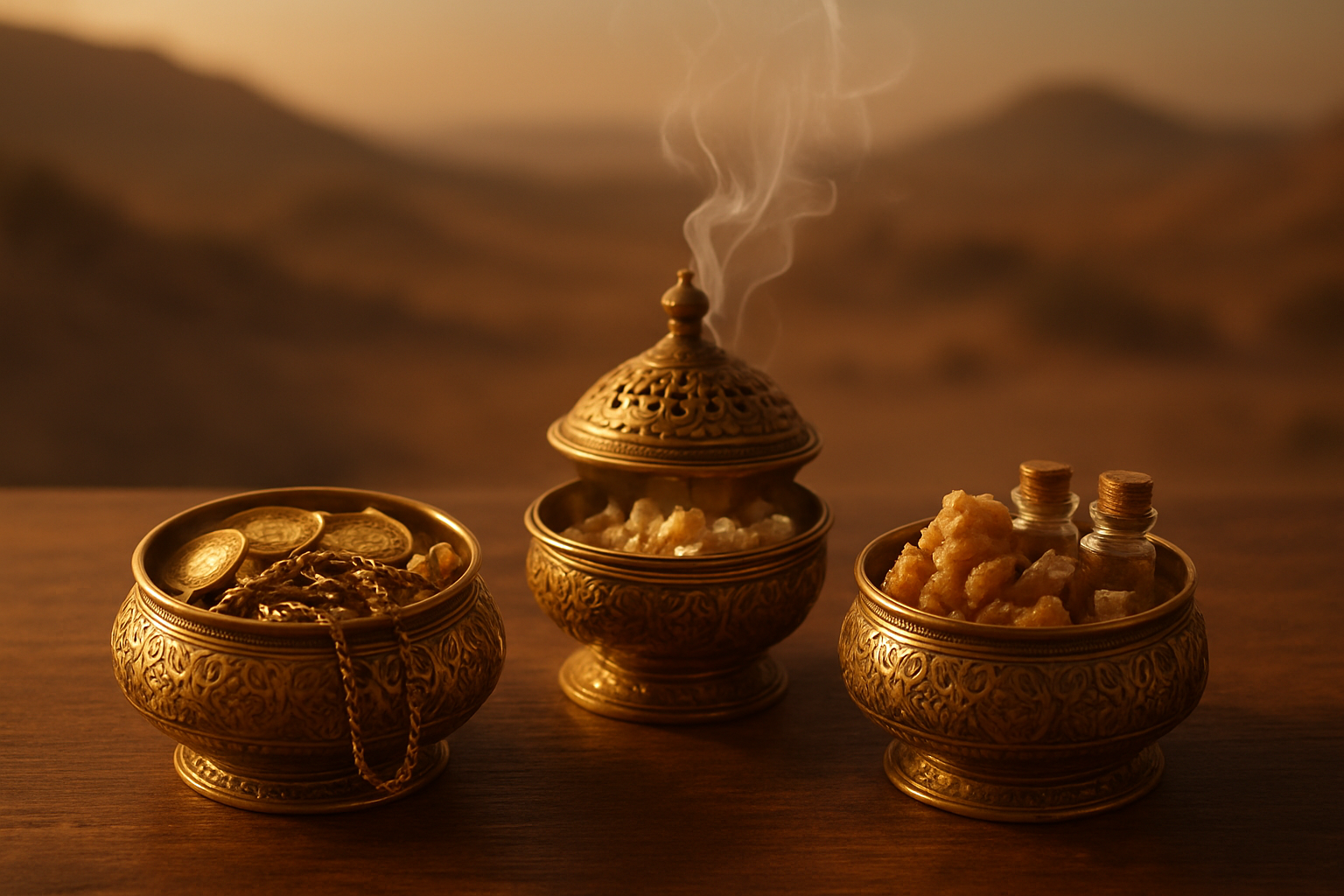
The three gifts brought by the wise men weren't random presents for a newborn king. Gold acknowledged Jesus as royalty, frankincense honored His divine nature, and myrrh foreshadowed His sacrificial death. These traveling scholars understood something profound about this child - that He was both fully human and fully God, destined for a mission that would change the world forever.
We can learn from their example of seeking truth with determination and worshiping with intentional, meaningful gifts. Just as they traveled far to honor Christ, we're called to pursue Him with the same dedication in our daily lives. The wise men show us that true worship involves recognizing who Jesus really is and responding with our whole hearts, bringing our best to Him just as they brought their most precious treasures.


Comments
Post a Comment