THE SIGNIFICANCE OF THE WISE MEN IN THE CHRISTMAS STORY
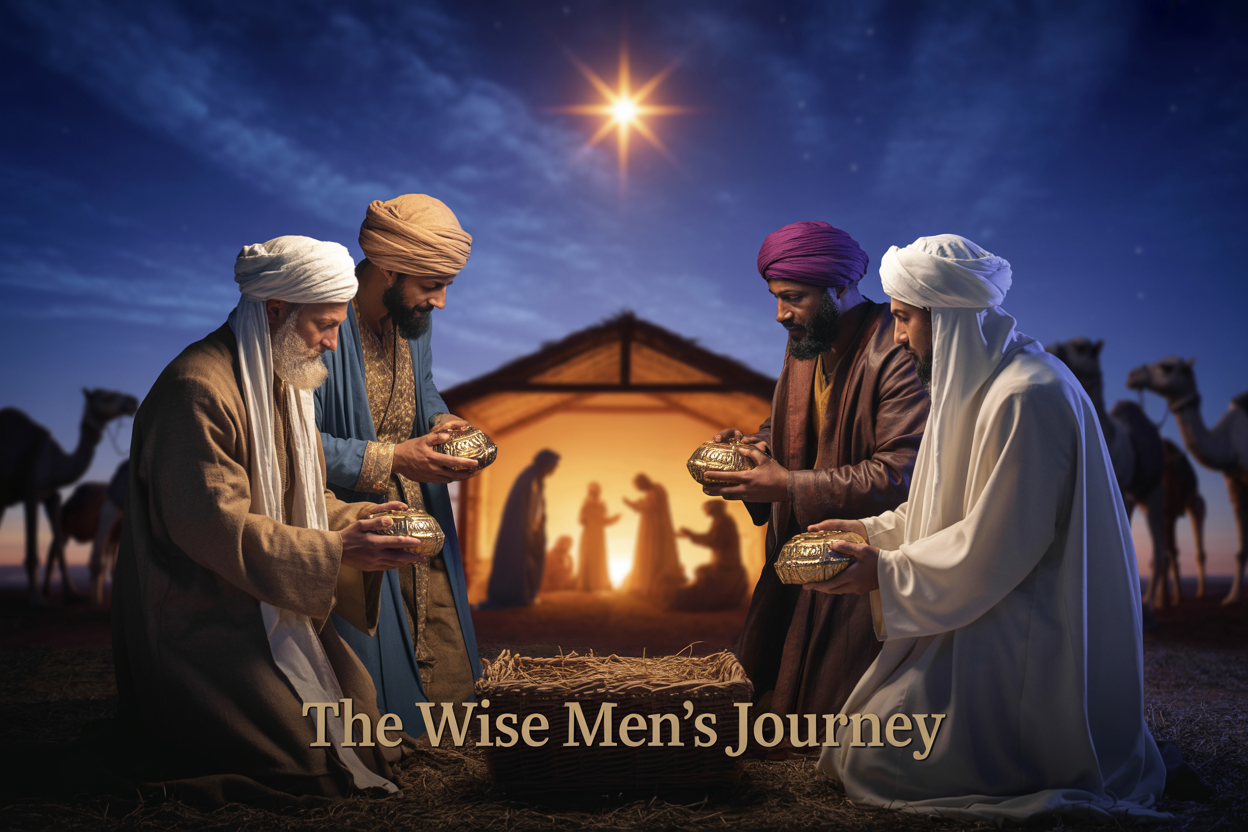
The wise men Christmas story remains one of the most captivating parts of the nativity account, yet many Christians don't fully grasp the deeper meaning behind these mysterious visitors from the East. This article is written for church members, Sunday school teachers, and anyone curious about the biblical magi meaning and their role in God's redemption story.
The magi biblical account offers far more than a simple tale of three travelers following a star. These learned men brought gifts that prophetically declared Jesus's identity, crossed cultural boundaries that foreshadowed the gospel's reach to all nations, and demonstrated faith that challenges believers today.
We'll explore the historical background of who these wise men really were and what the Christmas star wise men followed actually represented in ancient times. You'll discover why their gifts of gold, frankincense, and myrrh carried profound theological weight that most Christmas pageants barely scratch the surface of. Finally, we'll examine how the three kings nativity story shapes modern epiphany celebration traditions and what practical lessons their journey offers for your own faith walk today.
Historical Context and Biblical Account of the Wise Men
Origins and Cultural Background of the Magi
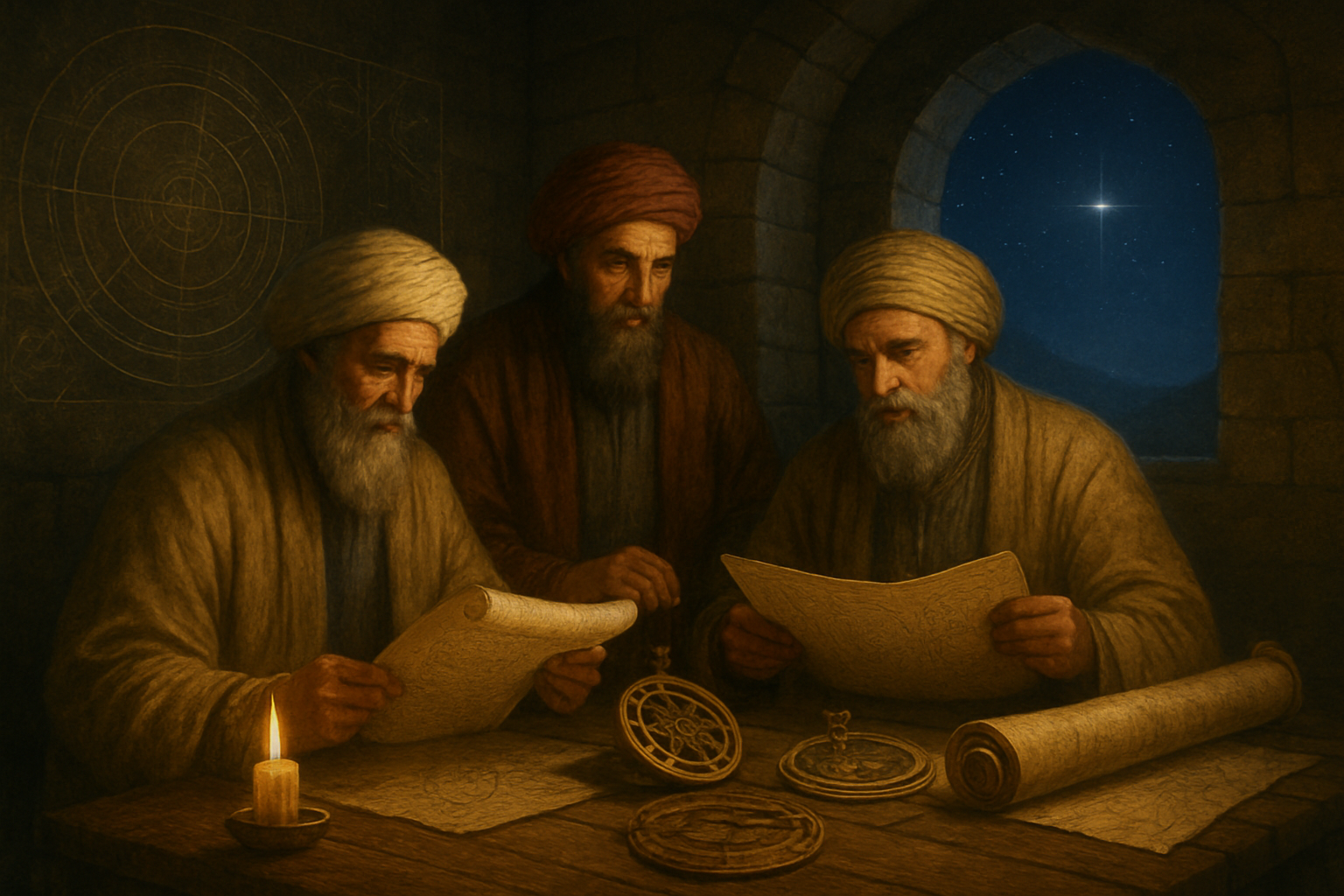
The wise men Christmas story centers around mysterious figures known in the biblical account as Magi, a term that carries rich historical significance. These weren't just any travelers—they were likely Zoroastrian priests or astrologers from ancient Persia (modern-day Iran) or possibly Babylon. The Magi represented a scholarly class deeply versed in astronomy, mathematics, and religious philosophy.
In ancient Persian culture, the Magi served as advisors to kings and interpreters of celestial events. They believed heavenly signs announced the births of significant rulers. Their expertise in star-reading made them the perfect candidates to recognize and follow the Christmas star wise men would later celebrate in Christian tradition.
The Gospel of Matthew doesn't specify their exact number or names—the popular notion of three kings comes from later Christian tradition, likely inspired by the three gifts they brought. The biblical magi meaning extends beyond simple gift-bearers; they represent the first Gentiles to worship Christ, symbolizing how Jesus came for all nations, not just the Jewish people.
Journey from the East Following the Star
The magi biblical account describes an extraordinary journey guided by a supernatural star. These learned men had been studying the heavens when they noticed an unusual celestial phenomenon—a star that didn't follow normal patterns. Their astronomical knowledge told them this wasn't an ordinary star but a divine sign announcing the birth of a promised king.
The journey likely took months, covering hundreds of miles across desert terrain. They traveled with caravans carrying valuable goods, demonstrating their wealth and social status. The Christmas star wise men followed didn't simply point directions like a GPS—it moved ahead of them, appearing and reappearing as they traveled westward toward Jerusalem.
When they reached Jerusalem, they naturally sought the newborn king at Herod's palace, asking, "Where is he who has been born king of the Jews? We saw his star when it rose and have come to worship him." This question would set in motion events that threatened the infant Jesus and His family.
Gifts of Gold, Frankincense, and Myrrh
The wise men gifts gold frankincense myrrh hold profound symbolic meaning that enriches the Christmas wise men significance. Each gift represented both practical value and prophetic insight into Jesus's identity and mission.
Gold traditionally honored royalty and divinity. By presenting gold, the Magi acknowledged Jesus as the promised King of Kings. This precious metal also provided practical support for Mary and Joseph during their upcoming flight to Egypt, showing how God provides through unexpected sources.
Frankincense, an aromatic resin burned in religious ceremonies, recognized Jesus's priestly role. This expensive incense was reserved for temple worship and prayers to God, indicating the Magi understood they were in the presence of deity incarnate.
Myrrh, a bitter spice used for embalming the dead, foreshadowed Jesus's sacrificial death. While seemingly morbid for a baby gift, it prophetically pointed to the cross where Christ would die for humanity's sins.
| Gift | Symbolic Meaning | Practical Purpose |
|---|---|---|
| Gold | Royalty/Kingship | Financial provision for family |
| Frankincense | Priesthood/Divinity | Worship offering |
| Myrrh | Suffering/Death | Prophetic significance |
Encounter with King Herod and Divine Warning
The biblical account reveals a tense political drama when the Magi encountered King Herod in Jerusalem. Herod, known for his paranoia and brutality, felt threatened by news of another "king of the Jews." He had already murdered family members to protect his throne, so a prophesied rival king sparked immediate concern.
Herod cunningly gathered the chief priests and scribes, learning that Bethlehem was the prophesied birthplace of the Messiah. He then secretly met with the Magi, pretending to want to worship this new king himself. "Go and search carefully for the child," he told them, "and when you have found him, bring me word, that I too may come and worship him."
After finding Jesus and presenting their gifts, the wise men received divine intervention through a dream warning them not to return to Herod. This heavenly message protected the infant Jesus from Herod's murderous plot. The Magi's obedience to this warning demonstrates their spiritual sensitivity and willingness to follow God's guidance, even when it meant defying earthly authority.
Their alternate route home frustrated Herod's plans, leading to his horrific order to kill all male children under two years old in Bethlehem—the tragic event known as the Massacre of the Innocents. The three kings nativity story shows how God orchestrates events to protect His purposes while using faithful people as instruments of His plan.
Theological Significance in the Christian Faith

Fulfillment of Old Testament Prophecies
The arrival of the wise men Christmas story directly connects to ancient biblical prophecies, particularly those found in Numbers 24:17 and Isaiah 60:3-6. Balaam's prophecy about a star rising out of Jacob pointed to a future king who would rule over Israel, while Isaiah spoke of nations bringing gold and frankincense to honor God. The magi biblical account shows these prophecies coming to life as foreign dignitaries travel great distances to worship the newborn king.
The prophet Micah's declaration that a ruler would come from Bethlehem (Micah 5:2) also plays a role in this narrative. When the three kings nativity visitors inquired about the birthplace of the king of the Jews, the chief priests and scribes immediately referenced this prophecy. The convergence of these Old Testament predictions with the magi's journey demonstrates God's sovereign plan unfolding across centuries.
Universal Salvation Extending Beyond Jewish People
The Christmas wise men significance lies partly in their representation of the Gentile world coming to worship Jesus. These foreign scholars weren't part of God's chosen people, yet they received divine revelation through the Christmas star. Their inclusion in the nativity narrative signals that salvation wouldn't remain limited to the Jewish nation but would extend to all peoples and nations.
This theme of universal salvation becomes a cornerstone of New Testament theology. The magi's worship foreshadows the Great Commission's call to make disciples of all nations. Their journey from the East symbolizes how people from every corner of the earth would eventually bow before Christ. The biblical magi meaning transcends their historical role, pointing to the inclusive nature of God's redemptive plan.
Recognition of Jesus as Messiah by Gentile Seekers
What strikes many believers is how these foreign visitors recognized Jesus as the Messiah while many in Israel missed his arrival. The wise men gifts gold frankincense myrrh carried deep theological meaning - gold for his kingship, frankincense for his divinity, and myrrh foreshadowing his sacrificial death. These weren't random presents but intentional acknowledgments of who Jesus truly was.
The magi's immediate response to finding Jesus was worship. They didn't need theological training or cultural background to recognize divine royalty. Their natural response reveals how God can reveal himself to seeking hearts regardless of their religious or cultural background. This challenges believers today about the universal nature of God's call and the importance of remaining open to his voice.
Divine Guidance Through Supernatural Signs
The Christmas star wise men followed represents God's supernatural guidance system. Unlike natural stars, this celestial phenomenon moved, stopped, and guided the magi to a specific location. This divine GPS system shows how God actively participates in drawing people to his Son. The star's behavior defied natural laws, pointing to miraculous divine intervention.
After their encounter with Herod, God continued guiding the magi through dreams, warning them to return home by a different route. This combination of supernatural signs demonstrates how God uses various methods to guide those seeking him. The magi Christian theology encompasses this divine guidance principle, showing believers that God actively leads those who genuinely seek him with sincere hearts.
Cultural Impact and Christmas Traditions

Influence on Epiphany celebrations worldwide
The wise men Christmas story reaches its cultural peak through Epiphany celebrations on January 6th, marking the traditional date when the magi found Jesus. This holiday, also called Three Kings Day, holds deep significance across various cultures and continues ancient traditions that span centuries.
In Spain and Latin America, Epiphany overshadows Christmas itself as the primary gift-giving celebration. Children leave their shoes out on January 5th, hoping the three kings will fill them with presents and sweets. The evening before Epiphany, elaborate parades wind through city streets featuring actors portraying the biblical magi on horseback or ornate floats, throwing candy to excited crowds.
Orthodox Christian communities observe Epiphany with special emphasis on the baptism of Christ, connecting the wise men's journey to Jesus's later ministry. Russian traditions include blessing water in elaborate ceremonies, while Ethiopian Orthodox Christians celebrate Timkat with colorful processions and ritual baptisms.
European countries maintain unique Epiphany customs tied to the magi biblical account. In Germany, children dressed as the three kings go door-to-door collecting donations for charity while singing carols. French families share galette des rois (king cake), hiding a small figurine inside - whoever finds it becomes "king" for the day.
Traditional nativity scene representations
Nativity scenes worldwide prominently feature the three kings nativity figures, creating lasting visual connections to the Christmas wise men significance. These displays have evolved from simple medieval church presentations into elaborate artistic expressions found in homes, churches, and public spaces globally.
Traditional nativity representations typically position the wise men approaching from the east, often depicted in flowing robes with camels nearby. The biblical magi meaning comes alive through careful attention to their diverse appearances - representing different ages and ethnicities to symbolize all nations coming to worship Christ.
Italian presepe traditions, dating back to St. Francis of Assisi, showcase intricate nativity villages where the magi journey progresses over twelve days. Each day, the wise men figures move closer to the Holy Family, culminating on Epiphany when they finally reach the stable. These displays often include elaborate landscapes with mountains, rivers, and entire miniature towns.
Modern nativity scenes maintain core elements while adapting to local cultures. African nativity sets feature the wise men in traditional African dress, while Hispanic versions might show them wearing sombreros or ponchos. These cultural adaptations honor both the Christmas star wise men story and local artistic traditions.
Gift-giving customs inspired by the Magi
The wise men gifts gold frankincense myrrh established the foundational connection between the Christmas story and gift-giving traditions that continue today. Their precious offerings created a model of thoughtful, meaningful presents that honor the recipient while reflecting the giver's reverence and love.
Gold represented Christ's kingship, frankincense acknowledged his divinity, and myrrh foreshadowed his sacrifice. Modern gift-giving echoes these symbolic meanings through carefully chosen presents that demonstrate love, respect, and understanding of the recipient's needs and desires.
Many families incorporate the "three gifts" tradition, limiting Christmas presents to three meaningful items per child, mirroring the magi's approach. This practice encourages thoughtful selection over quantity and helps children appreciate each gift more deeply.
Epiphany celebration traditions worldwide center on the wise men as gift-bearers rather than Santa Claus. In Puerto Rico, children gather grass for the camels and leave it under their beds with water, hoping the three kings will exchange these offerings for toys and treats. Mexican families reenact the biblical account by having the oldest family members distribute gifts while dressed as the wise men.
The timing of gift-giving varies globally based on local interpretations of the wise men Christmas story. Some cultures exchange presents on Christmas Eve, others on Christmas Day, and many reserve the most special gifts for Epiphany, following the traditional timeline of the magi's arrival.
Lessons for Modern Believers
Perseverance in seeking spiritual truth
The wise men's journey from the East to find Jesus shows us what true spiritual seeking looks like. These magi traveled hundreds of miles across dangerous terrain, following only a star and their deep conviction that something extraordinary had happened. Their journey probably took months, yet they never gave up or turned back.
Their dedication teaches us that finding God requires more than casual interest. Real spiritual growth demands persistence through dry seasons, unanswered prayers, and moments when God feels distant. The wise men didn't have GPS or clear directions - just faith that their seeking would be rewarded. Today's believers can learn from their example when facing spiritual questions or feeling lost in their faith journey.
Worship through sacrificial giving
The gifts the wise men brought - gold, frankincense, and myrrh - weren't random presents picked up at the last minute. Each gift was precious, expensive, and meaningful. Gold represented Jesus' kingship, frankincense acknowledged his divinity, and myrrh foreshadowed his suffering and death.
These gifts teach us that authentic worship costs us something. The wise men didn't bring leftovers or things they could easily replace. They brought their best, most valuable possessions. Modern believers often struggle with giving - whether time, money, or talents - but the wise men Christmas story reminds us that meaningful worship requires sacrifice. True generosity flows from hearts that recognize Jesus' worth, not from obligation or guilt.
Following divine guidance despite obstacles
When the wise men arrived in Jerusalem, they faced unexpected complications. King Herod was threatened by news of a rival king and plotted to use them for evil purposes. After finding Jesus, God warned them in a dream to avoid Herod and return home by another route.
Their willingness to change plans and take risks shows mature spiritual discernment. Sometimes God's guidance leads us away from what seems logical or convenient. The wise men could have dismissed the dream or decided it was safer to keep Herod happy. Instead, they trusted divine direction over human wisdom or political safety.
Christians today face similar choices when God's leading conflicts with social expectations, career advancement, or family pressure. The wise men's example encourages believers to prioritize obedience to God over avoiding difficulty.
Recognizing Jesus in unexpected circumstances
The wise men expected to find a royal palace and court ceremonies when they reached Jerusalem. Instead, they discovered a humble family in an ordinary house in Bethlehem. Baby Jesus wasn't surrounded by wealth or political power - just loving parents in simple surroundings.
Yet the magi immediately recognized him and worshipped without hesitation. They didn't let their preconceptions prevent them from seeing God's truth. This challenges modern believers who might expect God to work through impressive programs, famous leaders, or spectacular events.
The wise men's example teaches us to stay open to finding Jesus in unexpected places - quiet moments, ordinary people, simple acts of kindness, or small communities. God often works through humble circumstances that the world overlooks. The biblical magi meaning includes this reminder that divine encounters rarely match our human expectations but are no less real or transformative.
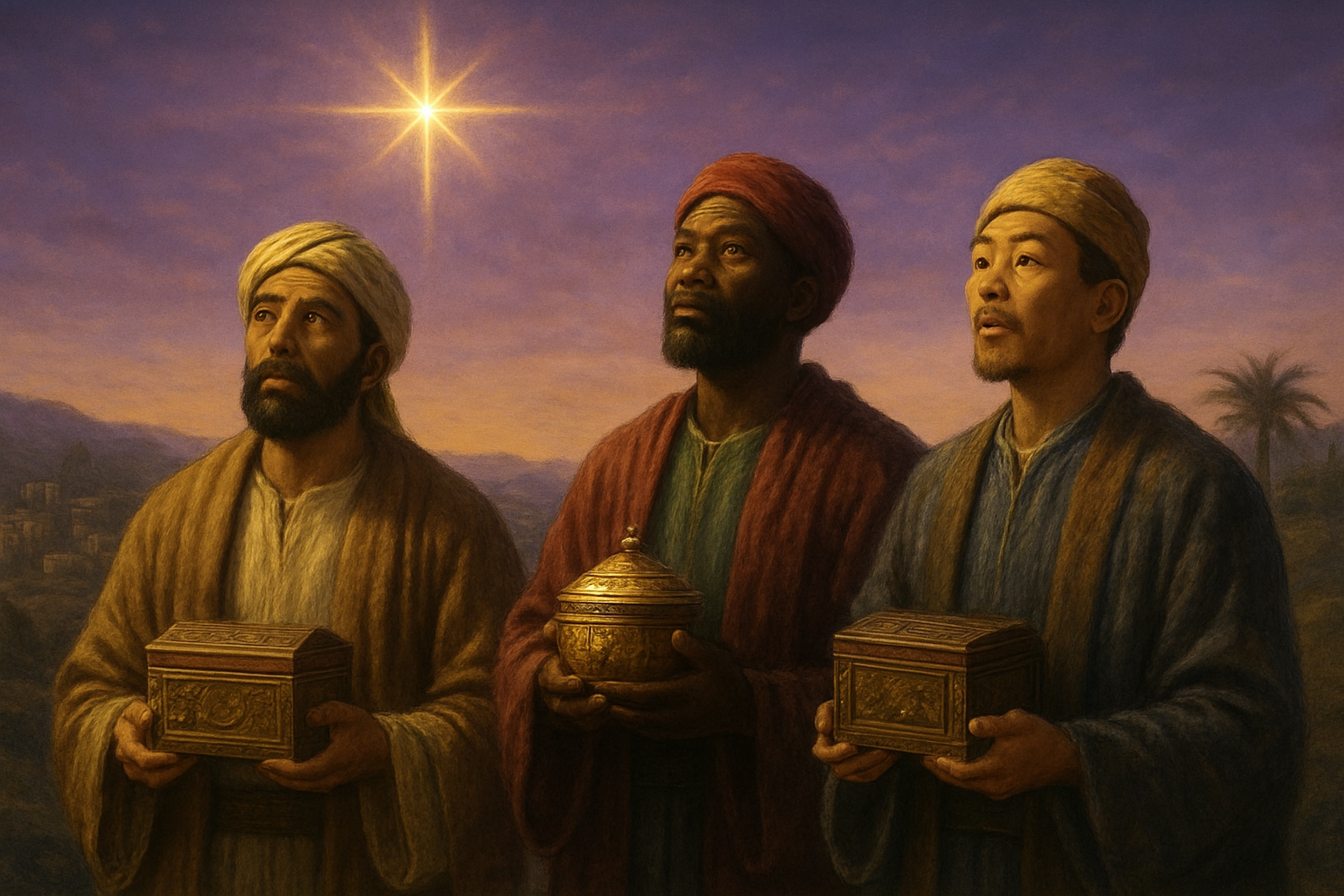
The Wise Men's journey to find the Christ child shows us something beautiful about faith and determination. Their story teaches us that God's invitation to worship isn't limited to one group of people - these foreign scholars traveled great distances because they recognized something divine was happening. Their gifts of gold, frankincense, and myrrh weren't just expensive presents; they represented Jesus's identity as king, priest, and the one who would die for humanity.
Today, the Wise Men remind us that seeking God requires effort and sometimes means going against the crowd. Just like these ancient travelers followed a star they couldn't fully explain, we're called to trust God even when we don't have all the answers. Their example encourages us to bring our best gifts to Jesus - not necessarily gold and spices, but our time, talents, and hearts. This Christmas season, let their story inspire you to seek Christ with the same passionate dedication, knowing that anyone who truly searches for Him will find Him.


Comments
Post a Comment