THE SIGNIFICANCE OF THE SHEPHERDS IN THE CHRISTMAS STORY
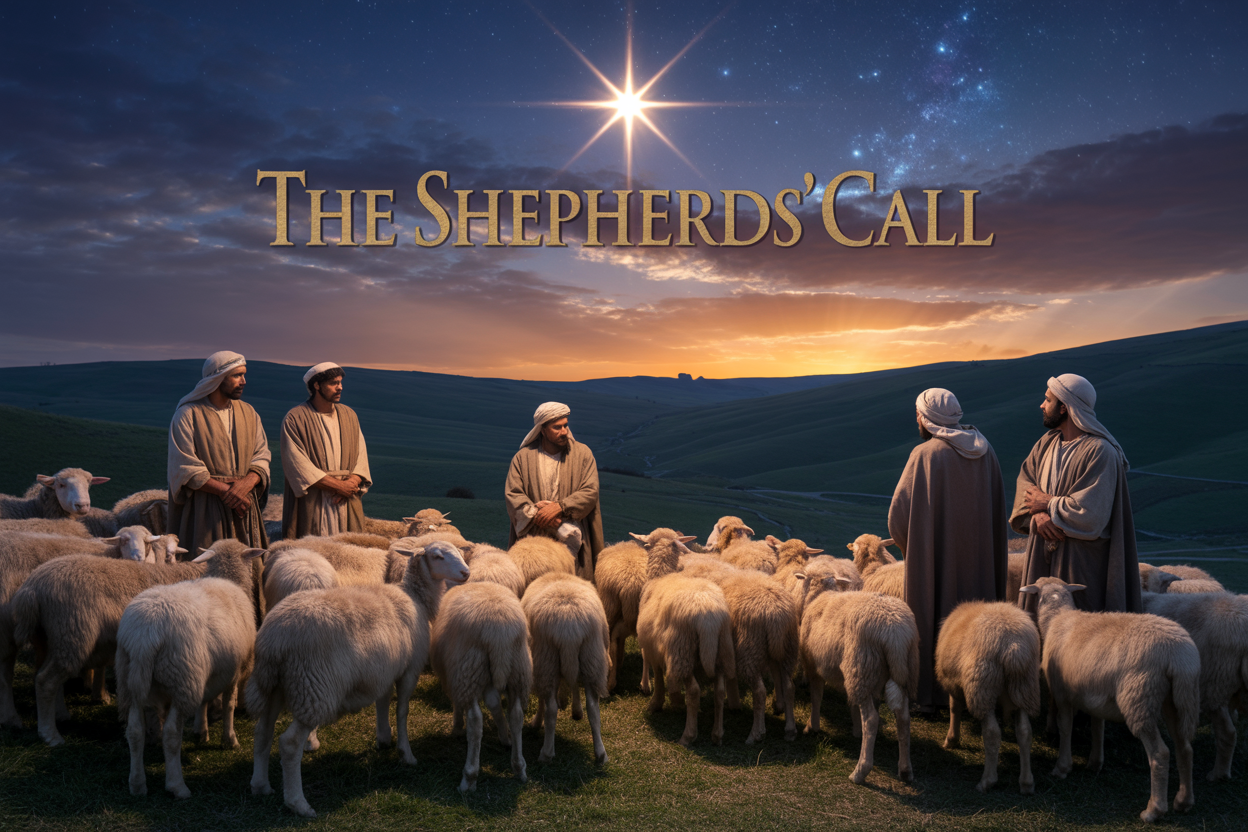
The shepherds Christmas story holds profound meaning that many people overlook during the holiday season. These humble field workers weren't random bystanders in the nativity story—their presence reveals deep truths about God's character and the revolutionary nature of Christ's birth.
This exploration is perfect for Christians seeking deeper biblical understanding, Sunday school teachers preparing lessons, and anyone curious about the Christmas shepherds meaning beyond the familiar nativity scenes. You'll discover why God chose these specific messengers and what their role teaches us today.
We'll examine the historical context that shows how radical it was for angels to appear to shepherds first, explore how this divine choice reflects God's heart for society's outcasts, and uncover the lasting impact of the shepherds' testimony on the early Christian movement. The shepherds in Luke 2 weren't just witnesses—they were God's chosen evangelists whose story continues to challenge our assumptions about worthiness and divine favor.
Understanding the Historical Context of Shepherds in Ancient Times
Social Status and Economic Position of Shepherds
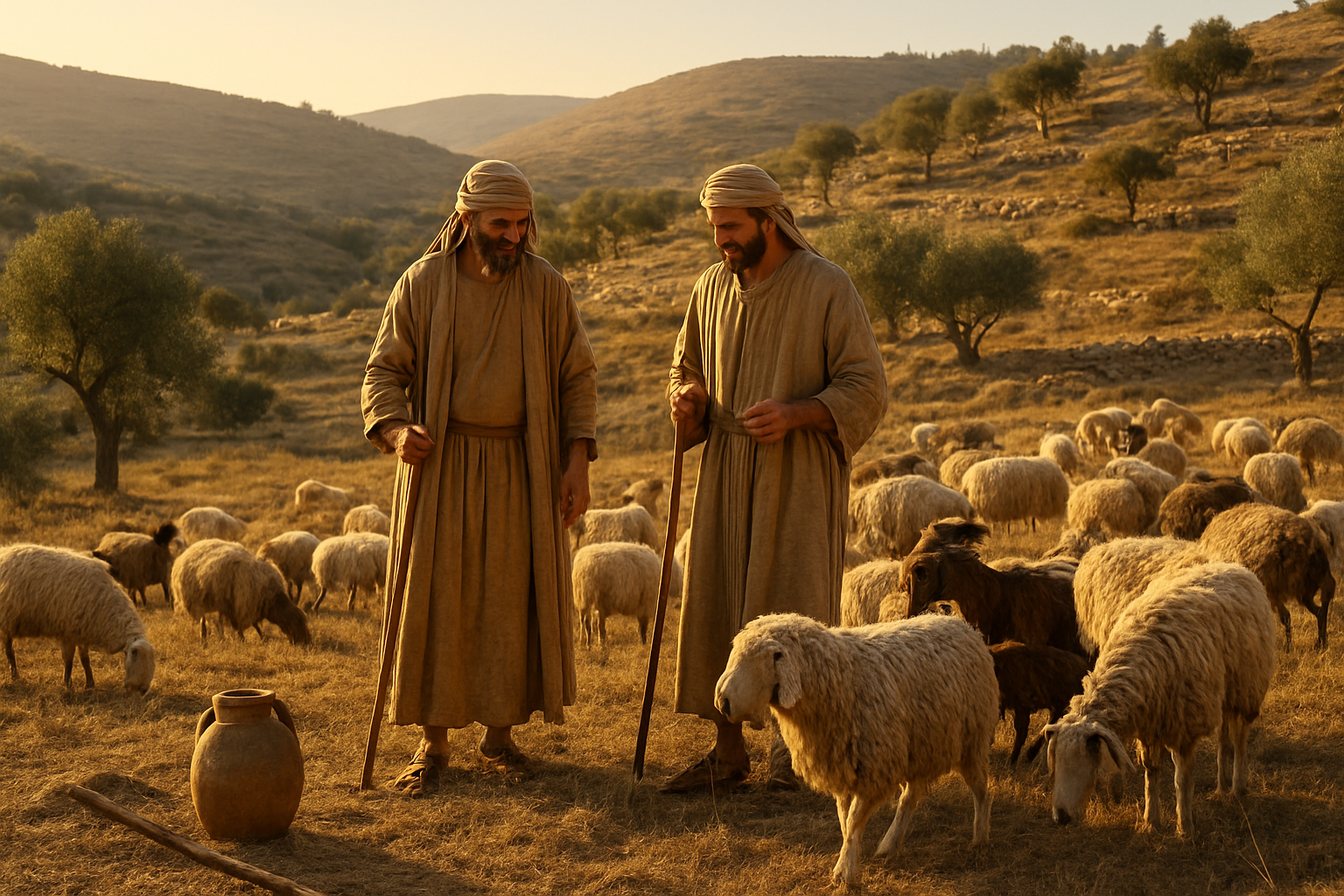
Shepherds in ancient Palestine occupied one of the lowest rungs of society's economic ladder. These nomadic workers lived on the margins, constantly moving with their flocks in search of pasture and water. Most shepherds didn't own the animals they tended - they worked as hired hands for wealthy landowners or served as slaves managing their master's livestock.
The economic reality was harsh. Shepherds earned minimal wages and faced constant uncertainty about their next meal. They slept outdoors in all weather conditions, vulnerable to wild animals, thieves, and the elements. Their possessions were few: a staff, a sling, a simple cloak, and perhaps a small bag for provisions. This lifestyle made it nearly impossible to accumulate wealth or improve their social standing.
Many shepherds were young boys or men from families who couldn't afford better opportunities. Some were outcasts who had fallen from higher social positions due to debt, family disgrace, or legal troubles. The profession attracted those with few other options, creating a class of people who lived entirely outside mainstream society's economic structures.
Religious and Cultural Perceptions of Shepherding
The religious establishment viewed shepherds with deep suspicion and disdain. Their nomadic lifestyle made it impossible to observe many religious laws that required presence in specific locations or participation in community rituals. Shepherds couldn't regularly attend synagogue services, participate in feast celebrations, or maintain the ceremonial cleanliness standards that defined religious respectability.
Jewish religious leaders considered shepherding an unclean profession. The constant contact with animals, the inability to perform ritual washings, and the necessity of working on Sabbath days when animals needed care all contributed to their religious marginalization. Many rabbis taught that buying wool, milk, or meat from shepherds was questionable because of their assumed dishonesty.
Cultural perceptions were equally negative. Shepherds were stereotyped as rough, uneducated, and morally suspect individuals. Their isolation from urban centers meant they couldn't participate in the cultural and intellectual life of their communities. They were often portrayed in literature and common discourse as simple-minded at best, dangerous at worst.
Why Shepherds Were Considered Outcasts by Society
Several factors combined to make shepherds complete social outcasts in first-century Palestine. Their transient lifestyle prevented them from establishing roots in any community, leaving them perpetually foreign wherever they traveled. Local residents viewed these wandering strangers with suspicion, often blaming them for theft or property damage.
Legal testimony from shepherds carried no weight in Jewish courts. Religious law classified them alongside other "unreliable witnesses" such as gamblers and tax collectors. This legal status reflected society's fundamental distrust of their character and honesty. People assumed that the desperation of their circumstances would drive them to lie, steal, or commit other crimes.
The social isolation was reinforced by practical barriers. Shepherds couldn't form marriage alliances with respectable families, join trade guilds, or participate in local governance. Their children inherited this outcast status, creating generational cycles of poverty and exclusion. Even their dialect and mannerisms marked them as outsiders when they encountered urban populations.
This complete social rejection made the shepherds Christmas story particularly shocking to first-century audiences. When angels announced Christ's birth to these despised outcasts rather than to priests, rulers, or respected community leaders, it challenged every assumption about divine favor and social hierarchy.
Divine Choice Reveals God's Heart for the Marginalized
Breaking Social Barriers Through Divine Announcement
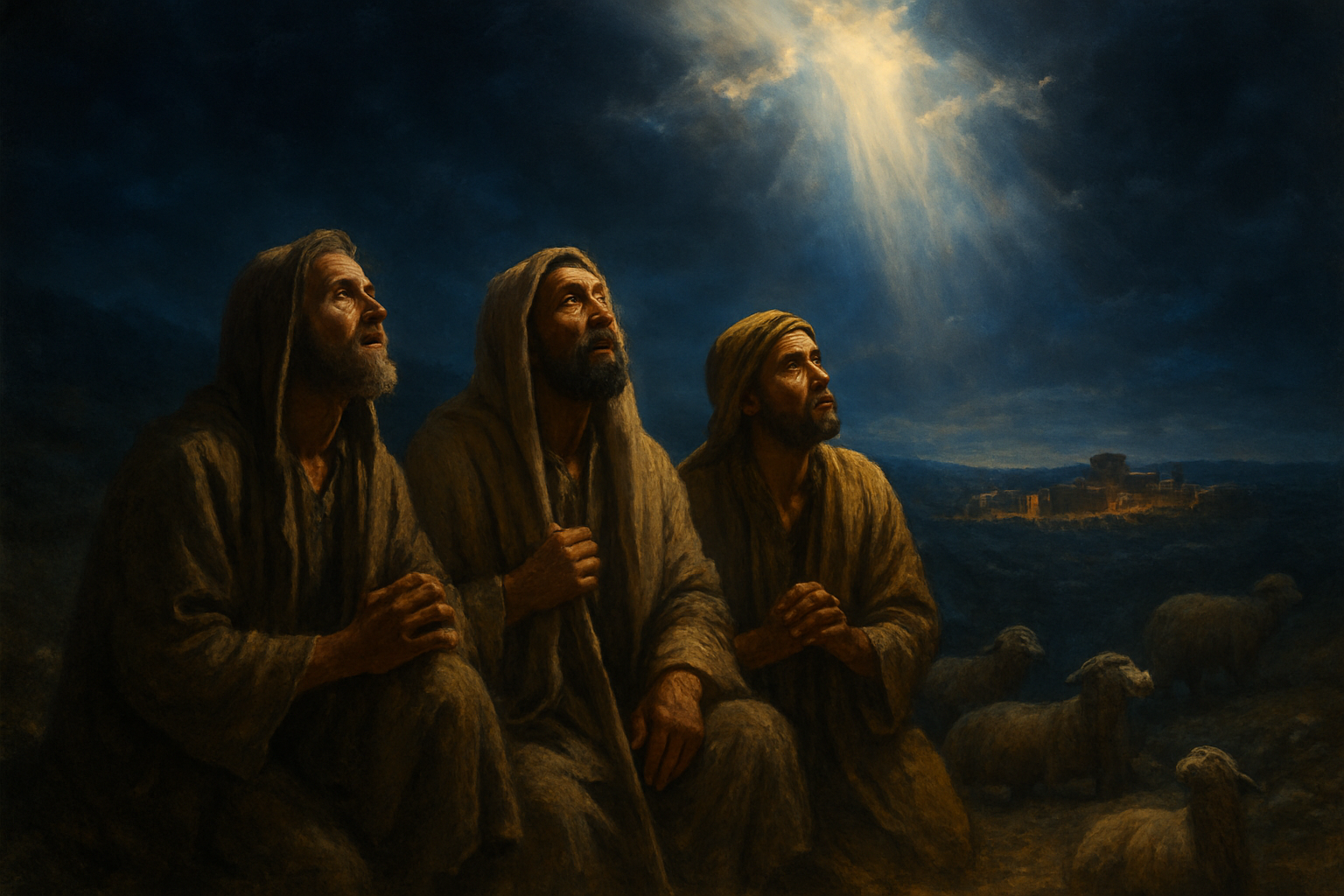
The shepherds Christmas story reveals something profound about God's character - He chose society's outcasts to receive the first news of humanity's Savior. When angels appeared to announce Jesus' birth, they didn't visit the temple priests or Roman officials. They sought out shepherds working the night shift in fields outside Bethlehem.
This choice wasn't random. Shepherds occupied the lowest rung of Jewish society, considered ritually unclean and socially unacceptable. Their work required constant contact with animals and prevented them from participating in regular temple worship. Yet God selected these marginalized workers as His primary messengers.
The divine announcement shattered every social expectation. Religious leaders who spent their lives studying prophecies missed the moment entirely, while illiterate field workers became the first evangelists of Christianity. This dramatic reversal demonstrates God's heart for breaking down the barriers humans create.
Demonstrating God's Love for the Forgotten and Rejected
The biblical shepherds significance extends beyond mere historical detail - it reveals God's preferential love for society's forgotten people. These men lived on the margins, excluded from polite society and religious ceremonies. Their testimony wouldn't hold up in court, yet God entrusted them with the most important news in human history.
This choice reflects a consistent biblical pattern. God repeatedly chooses the unlikely candidates:
-
David, a shepherd boy, became Israel's greatest king
-
Moses, a stuttering exile, led the Exodus
-
Mary, an unmarried teenager, bore the Messiah
-
The shepherds, society's rejects, became Christmas's first witnesses
The Christmas shepherds meaning goes deeper than symbolism. Their inclusion signals that salvation belongs to everyone, especially those society overlooks. God doesn't wait for people to clean up their lives or improve their social standing. He meets them exactly where they are.
Challenging Religious Elite's Expectations
The shepherds in Luke 2 turned religious expectations upside down. Jewish leaders anticipated a Messiah who would arrive with fanfare, announcing himself to important people in significant places. They imagined royal courts, not animal feeding troughs. They expected educated witnesses, not illiterate shepherds.
God's choice deliberately challenged these assumptions. The religious establishment had created elaborate systems of ritual purity and social hierarchy. They determined who could approach God and under what circumstances. But the nativity shepherds importance lies in how their inclusion bypassed these human-made barriers entirely.
Consider the irony: shepherds who couldn't enter the temple due to ritual impurity became the first to worship the true Temple - Jesus himself. Those deemed unworthy by religious authorities received direct revelation from heaven's angels. This reversal exposed the emptiness of human religious systems when compared to God's grace.
Establishing Jesus as Savior of All People
The Christmas story shepherds role establishes a fundamental truth about Jesus' mission - He came for everyone, regardless of social status, education, or religious standing. The angel's announcement to shepherds wasn't coincidental; it was programmatic. It declared from the very beginning that this Savior wouldn't be limited to society's elite.
The shepherds angels Christmas encounter demonstrates radical inclusion. These men represented not just the poor, but the ritually excluded. By appearing to them first, God made a statement about the scope of salvation. The gospel wouldn't flow through traditional religious channels but would reach the most unlikely people.
This choice also foreshadowed Jesus' entire ministry. He would later eat with tax collectors, touch lepers, and welcome prostitutes. The pattern began with shepherds receiving the birth announcement. The biblical shepherds symbolism points to a Savior who breaks down walls rather than building them higher.
The shepherds' immediate belief and response also models how people encounter Jesus. They didn't demand credentials or debate theology. They simply went to see for themselves and then shared what they'd experienced. Their genuine, uncomplicated faith contrasts sharply with the skepticism Jesus would later face from religious leaders.
Symbolic Meaning of Shepherds in Biblical Prophecy
Fulfillment of Old Testament Shepherd Imagery
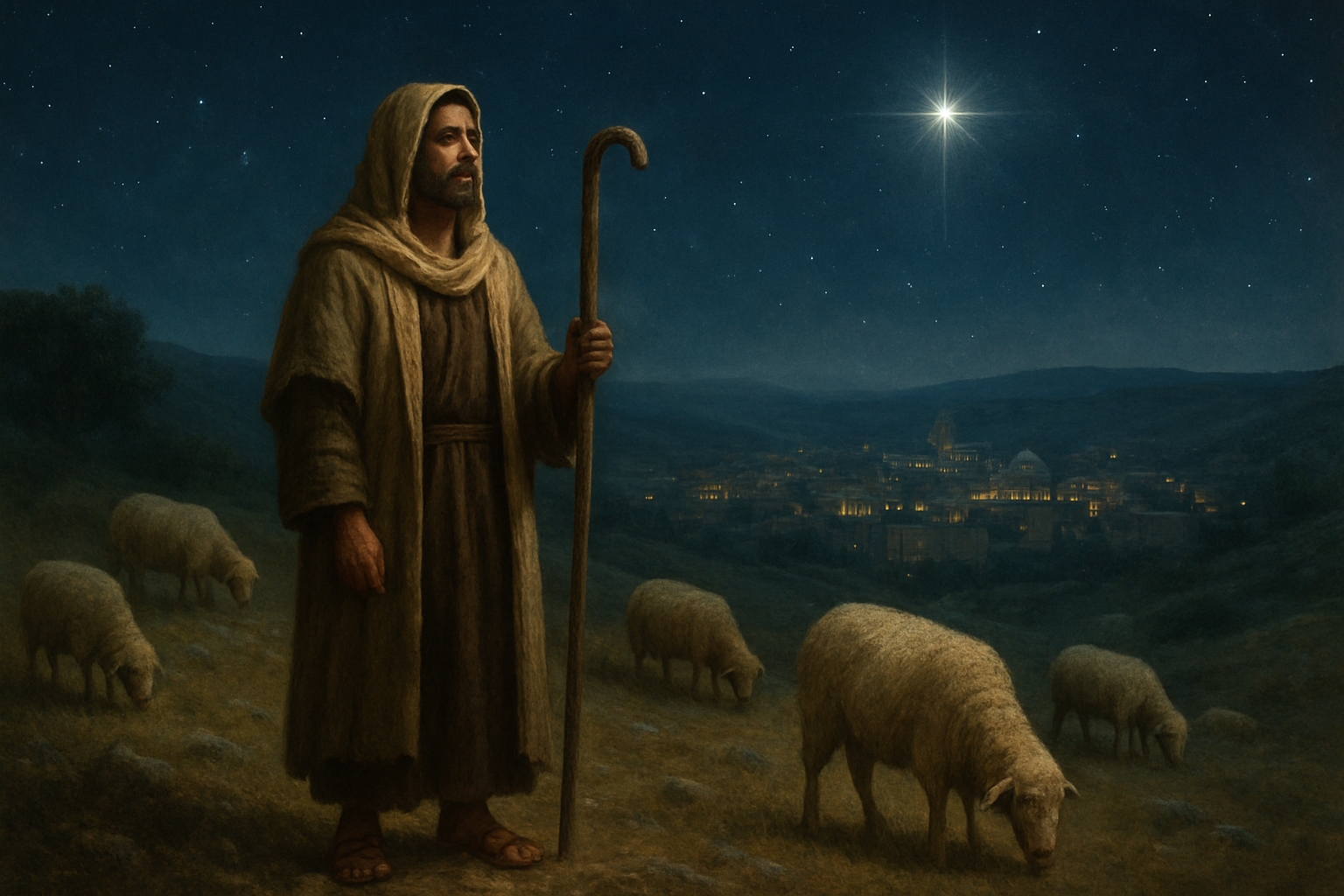
The appearance of shepherds in the Christmas story connects directly to centuries of prophetic imagery found throughout the Hebrew scriptures. Biblical shepherds significance runs deep through Old Testament passages that repeatedly use shepherd metaphors to describe God's relationship with His people. The prophet Ezekiel spoke of God searching for scattered sheep and appointing a faithful shepherd over them. When angels announced Christ's birth to shepherds watching their flocks, this moment fulfilled these ancient prophecies in a beautifully literal way.
Micah 5:2 prophesied that from Bethlehem would come one "who will be ruler over Israel," describing this future leader as a shepherd who would "stand and shepherd his flock in the strength of the Lord." The Christmas shepherds became living witnesses to this prophecy's fulfillment. Their presence at the nativity wasn't coincidental but represented God's intentional choice to honor those who shared the occupation that would define His Son's ministry.
The shepherd imagery also appears in Psalm 23, where David writes "The Lord is my shepherd," establishing a template for understanding God's protective, guiding nature. When real shepherds received the first announcement of Jesus' birth, they became part of this rich tapestry of prophetic fulfillment that had been woven throughout Israel's history.
Connection to King David's Shepherd Background
King David's humble beginnings as a shepherd boy created a powerful parallel with the Christmas story shepherds. David tended his father's flocks in the fields around Bethlehem - the same region where the nativity shepherds likely worked. This connection wasn't lost on early Christians who saw Jesus as the promised Son of David.
David's shepherd background prepared him for kingship, teaching him to protect the vulnerable and guide those under his care. His psalms overflow with shepherd imagery drawn from personal experience. When Samuel came to anoint Israel's next king, he found David in the fields with the sheep, not in the palace preparing for leadership. Similarly, the Christmas shepherds received their royal announcement not in Jerusalem's temple but in the fields outside Bethlehem.
The genealogy in Matthew's Gospel traces Jesus' lineage directly through David, emphasizing this shepherd-king connection. Both David and Jesus were born in Bethlehem, both had humble beginnings, and both would become shepherds of God's people. The shepherds who witnessed Christ's birth represented this continuing thread of God choosing the lowly to accomplish His greatest purposes.
Jesus as the Good Shepherd Foreshadowed
The presence of shepherds at Jesus' birth foreshadowed His future identity as the Good Shepherd. In John's Gospel, Jesus explicitly states, "I am the good shepherd. The good shepherd lays down his life for the sheep." The Christmas shepherds became early witnesses to the one who would revolutionize their profession's meaning.
These nativity shepherds demonstrated qualities that Jesus would later embody in His ministry. They left their flocks to seek the newborn king, showing the same dedication to finding lost sheep that Jesus would display. Their immediate response to the angels' message mirrors how Jesus would later call His disciples to follow Him without hesitation.
The biblical shepherds symbolism extends beyond simple occupation to represent leadership, sacrifice, and faithful care. Ancient shepherds risked their lives protecting their flocks from predators, sleeping outdoors in all weather, and searching tirelessly for wandering sheep. These characteristics perfectly described Jesus' future ministry approach - He would seek the lost, protect the vulnerable, and ultimately sacrifice His life for His flock.
The Christmas shepherds' role in the nativity story establishes this shepherd motif from Jesus' very birth, creating a beautiful bookend with His later declaration of being the Good Shepherd who knows His sheep and is known by them.
The Shepherds' Immediate Response and Its Lessons

Abandoning Everything to Seek the Savior
When the angels appeared to the shepherds that holy night, these humble workers faced a life-changing decision. The shepherds Christmas story reveals something remarkable about their character - they didn't hesitate to leave their flocks behind. This wasn't a casual decision. Sheep required constant protection from wild animals, thieves, and harsh weather conditions. Abandoning them could mean financial disaster.
Yet the shepherds in Luke 2 made an immediate choice that speaks volumes about recognizing divine priorities. They understood that witnessing the promised Messiah was worth any earthly sacrifice. Their willingness to abandon their responsibilities shows us what true spiritual hunger looks like. When God calls, everything else becomes secondary.
This dramatic response teaches us about the cost of discipleship. The shepherds didn't negotiate with God or ask for convenient timing. They simply went. Their example challenges modern believers who often make excuses or delay responding to God's leading because of comfort, security, or worldly concerns.
Overcoming Fear to Embrace Faith
Fear was the shepherds' first reaction when the angel appeared. Luke records that they were "terrified" - a natural human response to encountering the supernatural. The biblical shepherds significance becomes clearer when we see how quickly they moved from terror to trust.
The angel's words "Do not be afraid" weren't just comforting pleasantries. They represented a fundamental shift from fear-based living to faith-based action. These shepherds chose to believe the angel's message despite their initial shock. They didn't let fear paralyze them or cause them to dismiss the experience as hallucination.
Their transformation from fear to faith happened in moments, not years. This rapid change demonstrates that genuine encounters with God produce immediate internal shifts. The shepherds show us that fear and faith can coexist initially, but faith must ultimately triumph for us to experience God's promises.
Their courage to act despite feeling afraid provides a powerful model for believers facing intimidating circumstances. The Christmas shepherds meaning includes this truth: God often calls us to move forward while we're still processing our fears.
Acting on Divine Revelation Without Hesitation
The shepherds didn't form a committee to discuss the angel's message. They didn't debate the logistics or question whether they heard correctly. Luke records their immediate decision: "Let's go to Bethlehem and see this thing that has happened, which the Lord has told us about."
This quick response reveals their spiritual sensitivity. The shepherds nativity story shows people who recognized divine communication when they heard it. They possessed the spiritual discernment to distinguish between ordinary experiences and supernatural revelation.
Their immediate action also demonstrates practical faith. They believed the angel's words enough to stake their reputation, time, and resources on finding this baby. The Christmas story shepherds role includes modeling how to respond when God speaks - with prompt obedience rather than endless analysis.
The shepherds didn't demand additional signs or proof. One angelic announcement was sufficient to motivate their journey. This teaches us about the nature of faith - it acts on God's word without requiring exhaustive evidence or guarantees about outcomes.
Demonstrating Authentic Worship and Praise
After finding Jesus exactly as the angel described, the shepherds responded with genuine worship. Luke tells us they "spread the word concerning what had been told them about this child" and "returned, glorifying and praising God for all the things they had heard and seen."
Their worship was spontaneous, not scripted. The biblical shepherds symbolism includes representing authentic spiritual response - worship that flows from personal encounter rather than religious obligation. They praised God because they had experienced His faithfulness firsthand.
The shepherds became the first evangelists of the Christmas story. Their testimony wasn't polished or theologically sophisticated, but it was powerful because it was genuine. They simply shared what they had seen and heard. The Christmas shepherds testimony demonstrates that effective witnessing comes from personal experience with God rather than eloquent arguments.
Their praise continued even after leaving Bethlehem. This wasn't momentary emotional excitement that faded quickly. The shepherds' sustained worship shows that genuine encounters with Jesus create lasting transformation. They returned to their ordinary work as extraordinary people - forever changed by meeting the Savior.
Impact of the Shepherds' Testimony on Early Christianity
Becoming the First Evangelists of Christ's Birth
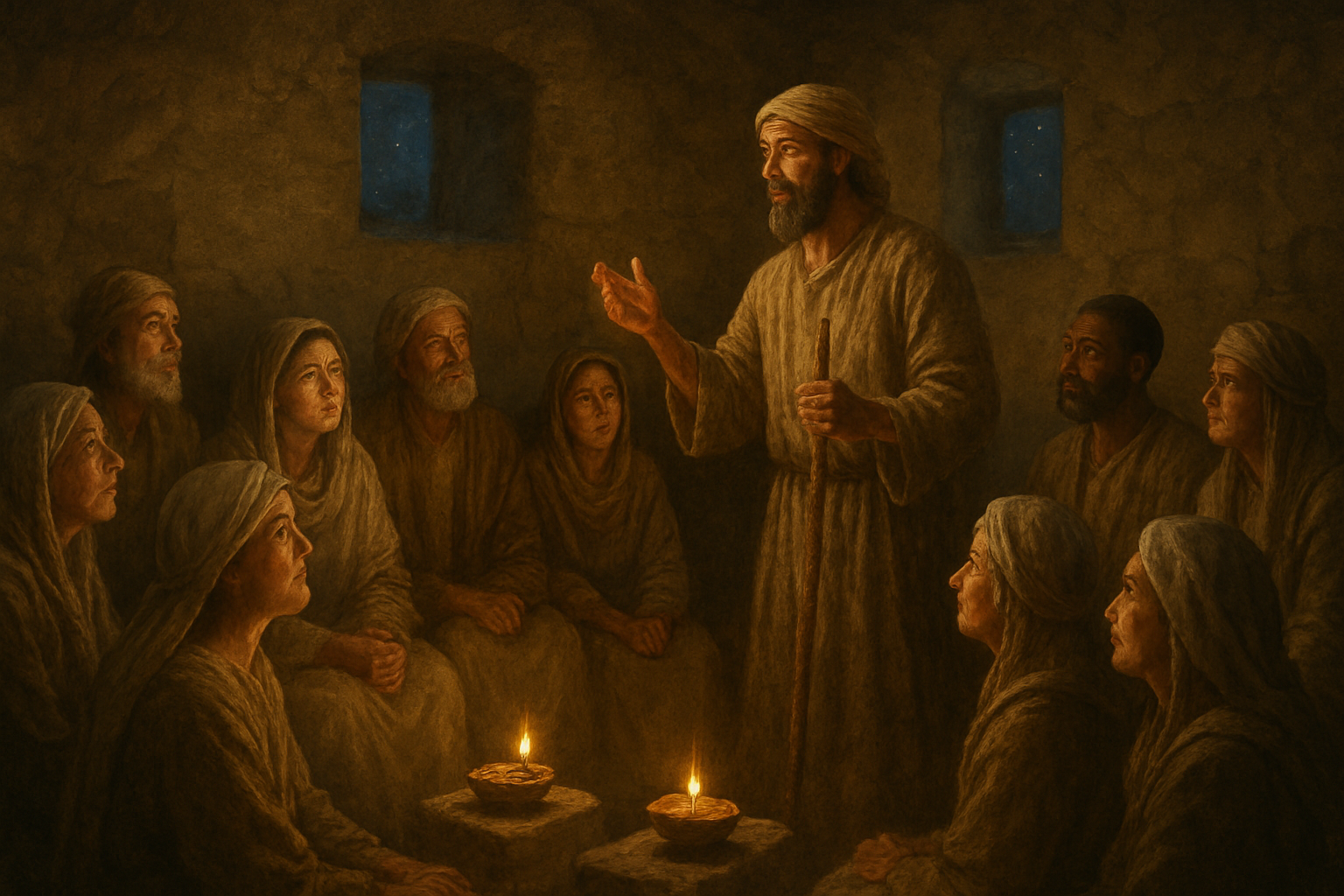
The shepherds Christmas story showcases history's first official witnesses to Christ's birth. These humble individuals didn't just receive divine news—they became messengers themselves. After encountering the angel's announcement and rushing to Bethlehem to find the baby Jesus, they couldn't contain what they had experienced. Luke's Gospel tells us they "made known abroad the saying which was told them concerning this child."
Their role as the first evangelists broke traditional religious communication patterns. Instead of priests or religious leaders sharing sacred news, God chose working-class shepherds to spread the word about the Messiah's arrival. This decision reflected Jesus's future ministry, which would consistently reach out to society's overlooked members.
The shepherds nativity story demonstrates how authentic witness comes from personal encounter. These men didn't share secondhand information or theological theories—they testified about what they had seen and heard. Their credibility came from direct experience, making their message powerful and compelling to those who heard it.
Spreading the Good News to Common People
The Christmas shepherds testimony reached ordinary people first, creating a grassroots movement around Jesus's birth. While religious elites remained unaware, common folk heard the amazing news through these unlikely messengers. This pattern would define Christianity's growth—spreading person to person through everyday relationships rather than institutional channels.
Shepherds naturally connected with their community's working population. When they shared their story, it resonated with people who understood their lifestyle and struggles. Their audience could relate to these witnesses, making the message more believable and accessible than if it had come from distant religious authorities.
The biblical shepherds significance extends beyond just delivering news—they modeled how the Gospel spreads most effectively. Personal relationships, authentic experiences, and genuine excitement about God's work create the strongest foundation for sharing faith. These shepherds showed how ordinary people could become extraordinary witnesses when they encountered divine truth.
Establishing Pattern for Witnessing and Sharing Faith
The shepherds in Luke 2 established enduring principles for Christian witness. Their immediate response—going, seeing, and telling—became the template for how believers should respond to encountering Christ. They didn't delay, debate, or doubt. They acted on what they received and shared what they discovered.
Their witnessing style was remarkably simple and effective:
-
Personal testimony: They shared what they experienced
-
Immediate action: They didn't wait for permission or training
-
Natural enthusiasm: Their excitement was genuine and contagious
-
Community focus: They told everyone they encountered
The shepherds angels Christmas encounter created a model where divine revelation leads to human proclamation. God revealed truth to the shepherds, but they chose to share it. This partnership between divine initiative and human response became Christianity's fundamental evangelistic approach.
Their story proves that effective witnesses don't need special qualifications or extensive training. The Christmas story shepherds role demonstrates how personal encounter with Christ naturally leads to sharing that experience with others. These shepherds didn't become professional evangelists, but their authentic testimony launched Christianity's first grassroots movement, showing how God uses ordinary people to accomplish extraordinary purposes.

The shepherds in the Christmas story weren't just random bystanders who happened to be in the right place at the right time. They represent something much deeper about God's character and the revolutionary nature of Jesus' birth. By choosing society's outcasts to be the first witnesses of the Savior's arrival, God flipped everything upside down and showed that His love reaches everyone, especially those who feel forgotten or pushed aside.
Their quick response to the angel's message teaches us about faith in action. These humble workers didn't hesitate or overthink—they simply went to see what God had done. Their enthusiasm and willingness to share the good news became the foundation for how the early church would grow and spread. The shepherds remind us that you don't need a fancy title or perfect reputation to be part of God's big story. Sometimes the most powerful testimonies come from the most unexpected voices.


Comments
Post a Comment