THE SIGNIFICANCE OF MARY IN THE CHRISTMAS STORY
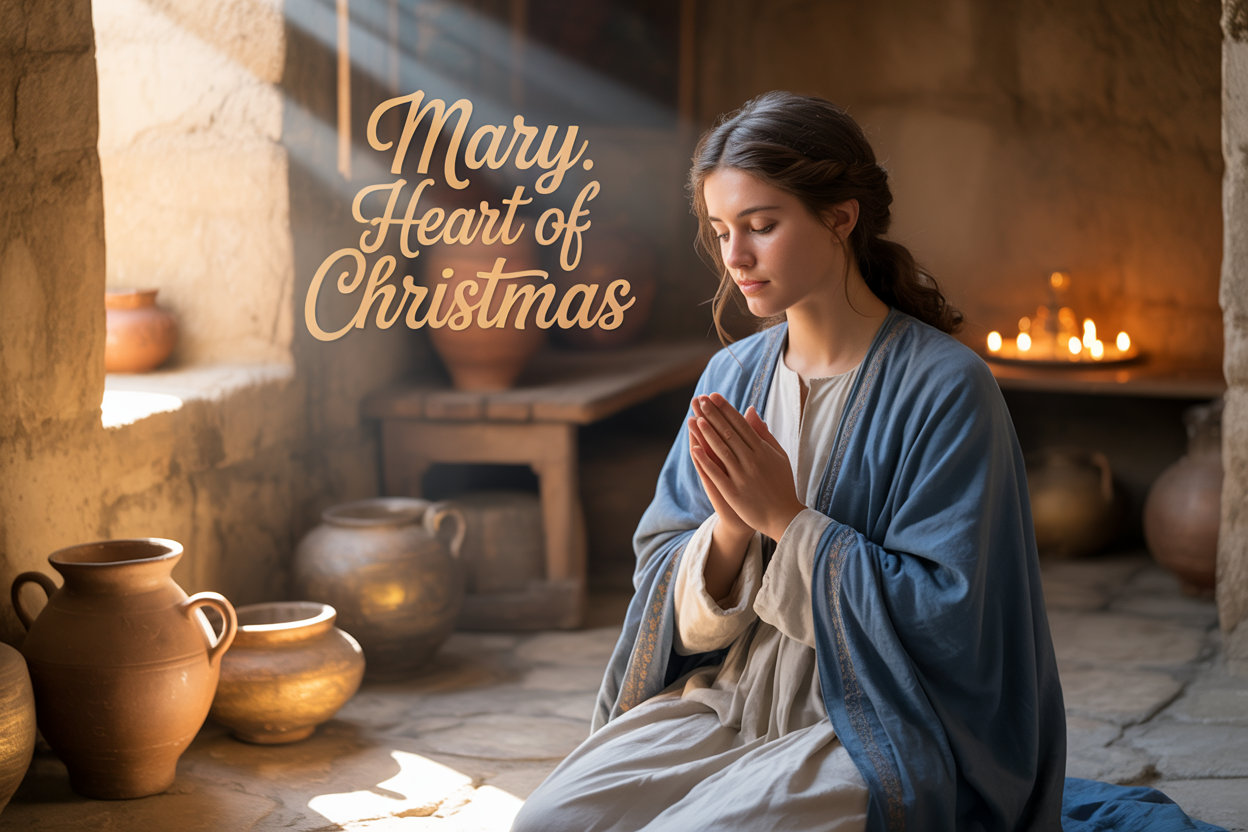
The Significance of Mary in the Christmas Story: Understanding Her Essential Role in Christ's Birth
When we think about the Christmas story, Mary mother of Jesus stands at the very heart of God's redemptive plan. For Christians, church leaders, and anyone seeking to understand the deeper meaning of Christmas, Mary's role in the nativity reveals profound truths about faith, obedience, and God's choice to work through ordinary people.
The Virgin Mary Christmas story shows us more than just historical events – it demonstrates how one young woman's "yes" to God changed the world forever. Mary's significance goes far beyond being chosen as the Mother of Jesus Christ; her response to God's calling reveals character traits that made her the perfect vessel for this divine mission.
In this exploration of the Christmas story Mary plays such a central role in, we'll examine her divine calling and why God selected her for this extraordinary purpose. We'll also uncover the specific character traits that made Mary essential to God's plan, and discover the timeless lessons modern believers can learn from her example of faith and obedience.
Mary's story reminds us that God often chooses the humble and unexpected to accomplish His greatest works – a truth that makes Christmas even more meaningful today.
Mary's Divine Calling and Selection
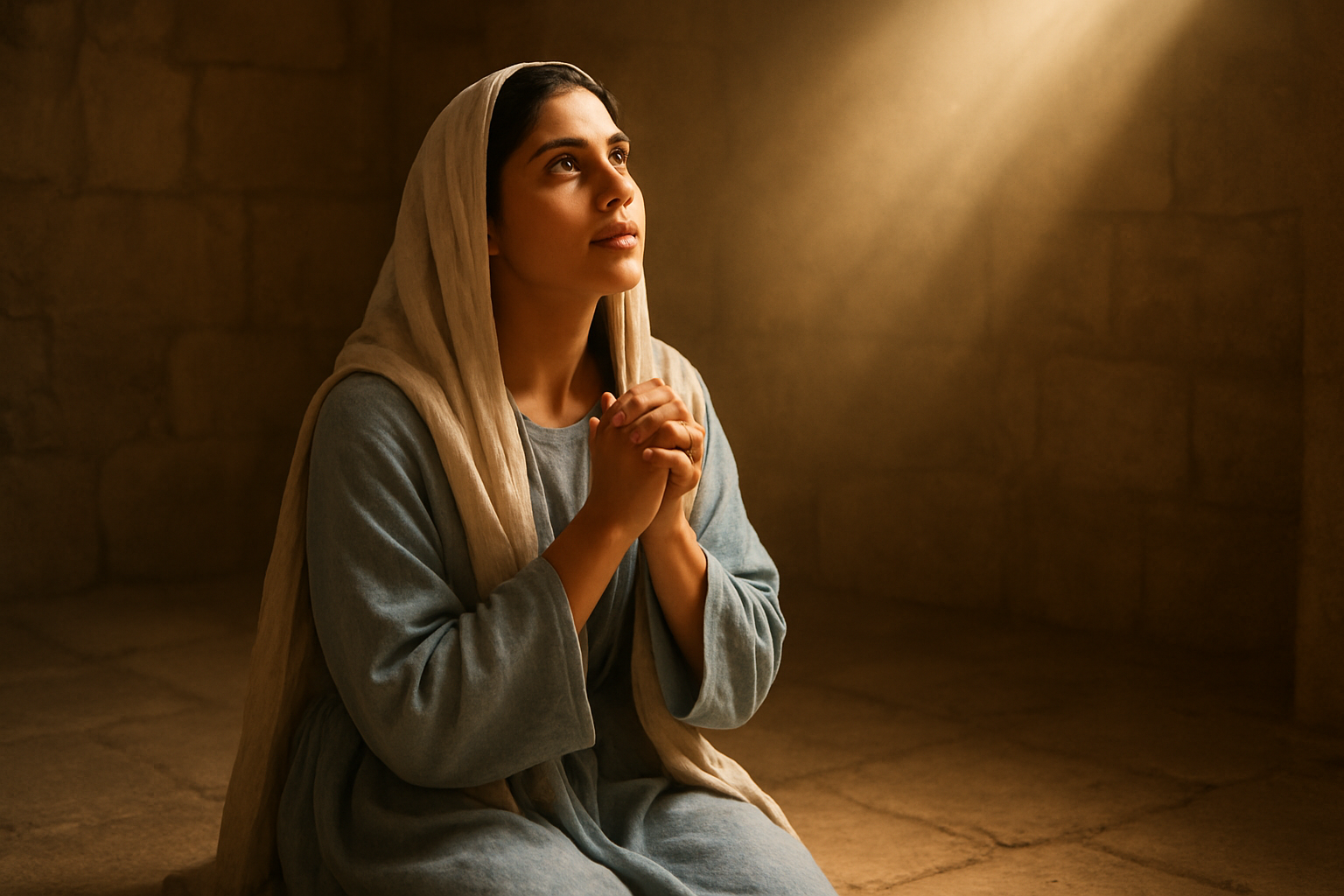
Understanding God's Choice of a Young Virgin
The selection of Mary as the mother of Jesus represents one of history's most profound divine decisions. Scripture reveals that God chose a young woman from Nazareth, likely around 14-16 years old, to bear His Son. This choice wasn't random—it reflected God's deliberate plan to work through someone humble, pure, and devoted to Him.
Mary's virginity held deep theological significance in the Christmas story. The virgin birth fulfilled ancient prophecies and demonstrated that Jesus' conception was entirely miraculous. Her unmarried status also meant she could give her complete devotion to God's calling without the divided loyalties that might come with existing family obligations.
The social implications of God's choice were equally striking. Mary came from an ordinary family in Galilee, not from royalty or religious elite. This selection showed that God values character over social standing and that His greatest work often happens through unexpected people.
The Angel Gabriel's Announcement and Promise
Gabriel's appearance to Mary marked a pivotal moment in salvation history. The angel's greeting—"Hail, favored one! The Lord is with you"—immediately revealed Mary's special status before God. This divine favor wasn't based on her achievements but on God's sovereign choice and her receptive heart.
The angel's message contained several key elements that would reshape Mary's understanding of her destiny:
-
The Promise: She would conceive and bear a son named Jesus
-
The Identity: Her child would be called the Son of the Most High
-
The Kingdom: He would reign on David's throne forever
-
The Method: The Holy Spirit would overshadow her
Gabriel addressed Mary's natural confusion about conceiving as a virgin by explaining the supernatural nature of her pregnancy. The angel also provided confirmation through Elizabeth's pregnancy, giving Mary tangible proof of God's miraculous power.
Mary's Faith Response Despite Uncertainty
Mary's response to Gabriel's announcement reveals extraordinary faith and surrender. When faced with news that would completely alter her life plans, she didn't argue or demand detailed explanations. Instead, she asked one practical question: "How will this be, since I am a virgin?"
After receiving Gabriel's explanation, Mary's famous response—"Let it be unto me according to your word"—demonstrates remarkable trust in God's plan. She understood the potential consequences: social disgrace, possible rejection by Joseph, and misunderstanding from her community. Yet she chose obedience over comfort.
Her immediate journey to visit Elizabeth shows Mary's desire for fellowship and confirmation. Elizabeth's Spirit-filled greeting validated Mary's experience and strengthened her faith. Mary's subsequent Magnificat prayer reveals her deep scriptural knowledge and joy in God's plan, showing that her faith wasn't blind but rooted in understanding God's character.
Fulfillment of Old Testament Prophecies
Mary's divine calling fulfilled several crucial Old Testament prophecies about the Virgin Mary's significance in salvation history. Isaiah 7:14 specifically prophesied that "a virgin shall conceive and bear a son," directly pointing to Mary's miraculous pregnancy. This prophecy, given centuries before Christ's birth, establishes the divine orchestration behind Mary's selection.
Genesis 3:15 promised that the "seed of the woman" would defeat Satan, pointing to a unique birth where the child would be specifically identified with the mother rather than the father. Mary's virgin conception perfectly fulfilled this ancient promise.
The prophecies also connected Jesus to David's lineage through Mary's ancestry, satisfying Messianic expectations while maintaining the virgin birth's miraculous nature. These fulfilled prophecies confirm that Mary's calling wasn't coincidental but part of God's eternal plan for humanity's redemption.
Mary's Role as the Mother of Jesus Christ
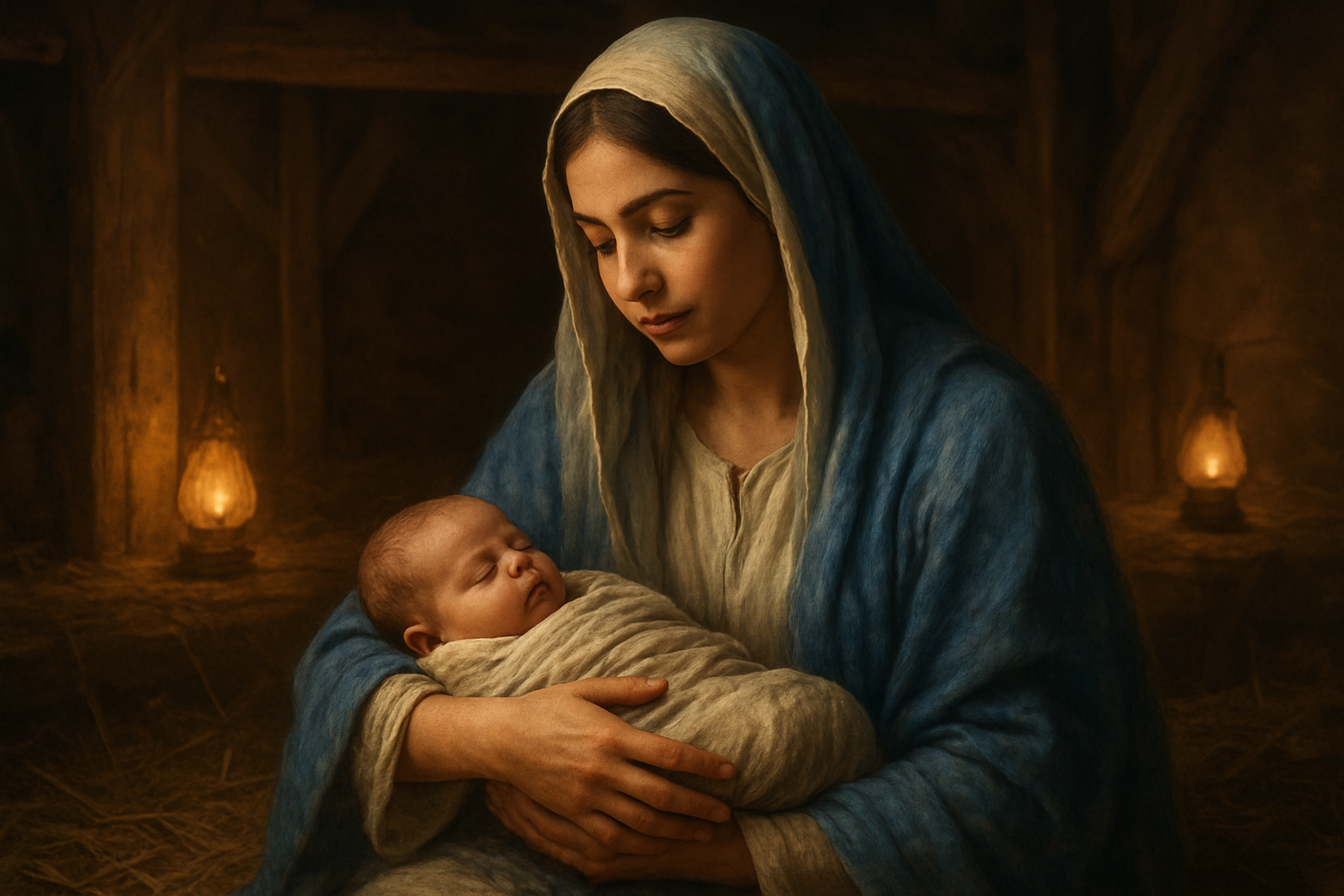
Carrying the Son of God in Her Womb
Mary's role as the Mother of Jesus Christ began with an extraordinary divine appointment that would forever change human history. When the angel Gabriel appeared to Mary with the announcement that she would conceive and give birth to the Son of God, she accepted this calling with remarkable faith and submission. Her womb became the sacred vessel through which God chose to enter humanity, making her pregnancy unlike any other in history.
The Virgin Mary Christmas narrative emphasizes the miraculous nature of Jesus' conception through the Holy Spirit. Mary carried within her the Word made flesh, the promised Messiah whom prophets had foretold for centuries. This wasn't simply a pregnancy - it was the fulfillment of God's redemptive plan for humanity. During those nine months, Mary bore the physical and emotional weight of carrying the Savior of the world, experiencing both the joy of motherhood and the profound responsibility of her divine calling.
Mary's pregnancy required tremendous courage and trust in God's plan, especially considering the social challenges she faced as an unmarried woman in first-century Palestine. Her acceptance of God's will, expressed in her words "Let it be unto me according to your word," demonstrates the depth of her faith and obedience that made her essential to the Christmas story Mary embodies.
Nurturing the Savior During His Early Years
After Jesus' birth in Bethlehem, Mary embraced her role as the earthly mother responsible for nurturing and raising the Son of God. She provided Jesus with the love, care, and guidance that every child needs during their formative years. The Gospels reveal glimpses of Mary's maternal devotion, from wrapping the newborn Jesus in swaddling clothes to fleeing with Joseph to Egypt to protect Him from Herod's murderous decree.
Mary taught Jesus about Jewish customs, traditions, and the Scriptures. She likely sang lullabies to Him, prepared His meals, and tended to His needs just as any loving mother would. Yet she also understood that this child was no ordinary son - He was the promised Messiah. The significance of Mary becomes even more apparent when we consider how she balanced treating Jesus as her beloved child while recognizing His divine nature and mission.
The Gospel of Luke tells us that "Mary kept all these things and pondered them in her heart." This reveals a mother who was deeply thoughtful about the extraordinary events surrounding her son's life. She observed, reflected, and treasured the moments that confirmed Jesus' identity as the Christ. Her nurturing wasn't just physical and emotional - it was spiritually aware and intentional, understanding that she was raising the One who would save the world.
Witnessing Jesus' Ministry and Miracles
As Jesus grew and began His public ministry, Mary transitioned from His primary caregiver to a supportive witness of His divine mission. She was present at the wedding in Cana, where she witnessed His first recorded miracle of turning water into wine. Interestingly, it was Mary who brought the wine shortage to Jesus' attention, showing her continued maternal concern even as she recognized His supernatural abilities.
Mary's role in nativity evolved as she watched her son fulfill the very purpose for which He had been born. She witnessed Him heal the sick, teach with divine authority, and demonstrate power over nature itself. Imagine the mix of maternal pride and spiritual awe she must have experienced watching the child she had nursed and raised now performing miracles and drawing crowds of followers.
The culmination of Mary's witness came at the crucifixion, where she stood near the cross as Jesus suffered and died. Even in His final moments, Jesus showed concern for His mother's welfare, entrusting her care to the apostle John. Mary's presence at both the nativity and the crucifixion bookends the earthly life of Christ, demonstrating her unwavering commitment and love throughout His journey from birth to sacrifice. Her witness to Jesus' ministry validates the Mother of Jesus Christ as someone who knew intimately both His humanity and His divinity.
Mary's Character Traits That Made Her Essential
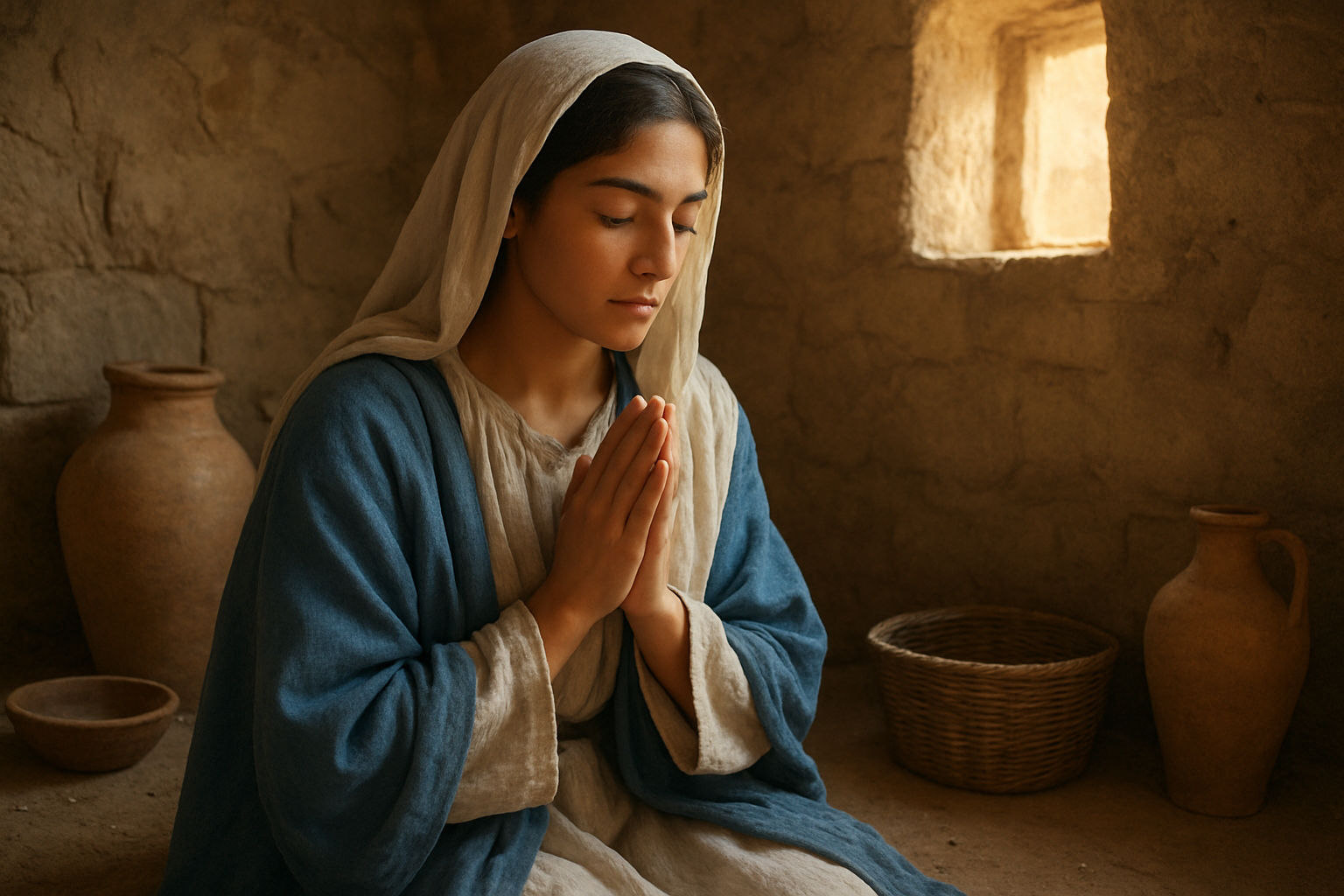
Demonstrating Unwavering Faith in God's Plan
Mary's faith stands as one of the most remarkable examples in the Christmas story. When the angel Gabriel appeared to her with news that seemed impossible, she didn't laugh like Sarah or question like Zechariah. Instead, Mary in Christmas story shows us what genuine faith looks like when faced with the extraordinary.
Her response to Gabriel's announcement reveals the depth of her trust: "Let it be unto me according to your word." This wasn't passive resignation but active acceptance of God's plan, even when she couldn't fully understand how it would unfold. Mary's character traits include this incredible ability to believe God's promises despite circumstances that defied natural explanation.
Mary carried this faith throughout her pregnancy, through the journey to Bethlehem, and even during the challenging birth in a stable. She held onto God's words when everything around her suggested doubt was reasonable.
Showing Humility and Obedience to Divine Will
Mary mother of Jesus exemplified humility in ways that transformed the course of human history. When chosen for the greatest honor ever bestowed upon a human being, she didn't boast or demand recognition. Instead, she called herself God's servant and marveled at being remembered by the Almighty.
Her humility appears throughout the nativity narrative:
-
Accepting God's plan without negotiating terms
-
Traveling to visit Elizabeth to serve and encourage
-
Giving birth in humble circumstances without complaint
-
Treasuring divine revelations in her heart rather than broadcasting them
This humility wasn't weakness but strength. Mary understood her role in God's greater story and embraced it completely. Virgin Mary Christmas accounts show us someone who knew her worth came from God's calling, not worldly status or recognition.
Displaying Courage in the Face of Social Rejection
The courage Mary displayed often gets overlooked in familiar Christmas retellings, but her bravery was extraordinary. In first-century Jewish culture, an unmarried pregnant woman faced severe social consequences, including possible death by stoning.
Mary knew these risks when she said yes to God's plan. She faced:
-
Potential rejection from Joseph
-
Judgment from family and community
-
Questions about her character and virtue
-
Economic hardship as a single mother
-
Social isolation and shame
Yet Mary's role in nativity required this kind of courage. She chose obedience to God over social acceptance, demonstrating that following divine calling sometimes means standing alone against cultural expectations.
Her courage continued throughout Jesus' life, from fleeing to Egypt to standing at the cross. Mary consistently chose God's will over personal comfort or safety.
Maintaining Trust Through Uncertain Circumstances
Mary's trust remained steady even when circumstances looked bleak. After receiving Gabriel's promise about her son's greatness, she found herself giving birth in a stable, far from home and family support. Many would have questioned whether they'd heard God correctly.
Mary nativity story shows someone who held onto divine promises while living through very human challenges. She trusted God's timing when the census forced travel during late pregnancy. She trusted His provision when no room was available in Bethlehem's inn.
Her trust extended beyond immediate circumstances to long-term faith. When Simeon prophesied that a sword would pierce her heart, Mary accepted this difficult truth alongside the promises of her son's glory. She understood that God's plans often include both joy and sorrow, triumph and sacrifice.
Embodying Purity and Devotion to God
Virgin Mary significance goes beyond physical purity to encompass her complete devotion to God. Mary's purity was holistic - affecting her heart, mind, and actions. This devotion positioned her to receive and nurture the Son of God.
Her purity manifested in several ways:
-
Single-minded focus on God's will
-
Protection of her heart and mind for divine purposes
-
Commitment to righteousness in daily living
-
Dedication to prayer and spiritual growth
Mary's devotion created the perfect environment for God's Son to enter the world. Her Mary's obedience faith provided the human cooperation needed for the incarnation to occur. This wasn't just about biological requirements but about spiritual readiness to participate in God's redemptive plan.
These character traits made Mary essential to the Christmas narrative. Her faith, humility, courage, trust, and devotion created the perfect vessel for God's greatest gift to humanity.
Mary's Impact on the Christmas Narrative
Making the Incarnation Possible Through Her Yes
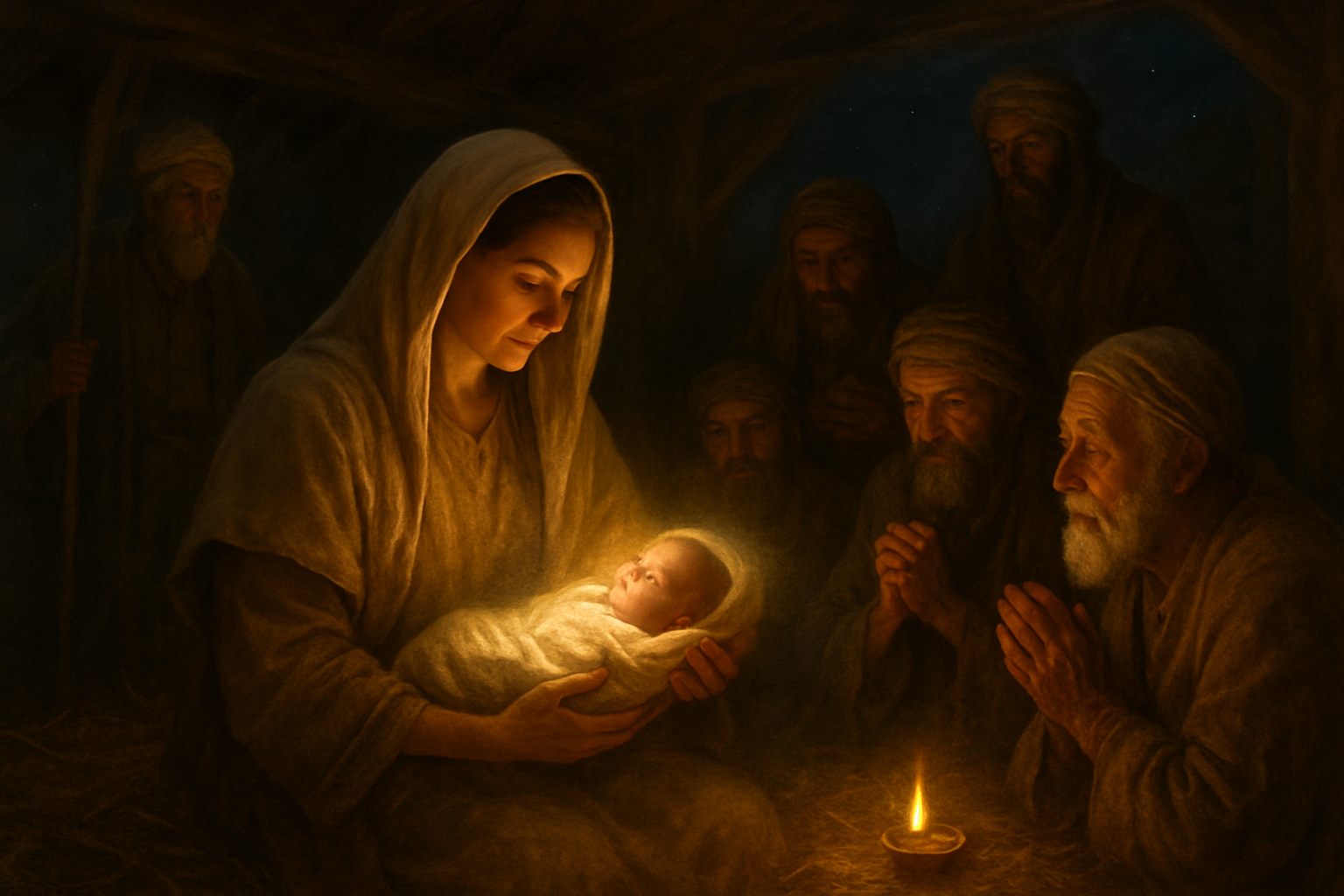
Mary's simple yet profound "yes" to the angel Gabriel changed the course of human history forever. When faced with an impossible situation—becoming pregnant as a virgin—she didn't hesitate or demand lengthy explanations. Her response, "Let it be unto me according to your word," opened the door for God to enter human flesh. Without Mary's willing acceptance, the Christmas story as we know it couldn't have unfolded.
This moment represents far more than just consent; it demonstrates complete surrender to God's plan. Mary in Christmas story narratives shows us that God chooses to work through human cooperation rather than divine force. Her willingness transformed her from an ordinary young woman into the vessel through which salvation entered the world.
The significance of Mary in this pivotal moment can't be overstated. She bridged the gap between divine intention and earthly reality. Through her obedience, the Word became flesh and dwelt among us, making redemption accessible to every person who would ever live.
Bringing Hope to Humanity Through Her Obedience
Mary's obedience didn't just make the Incarnation possible—it brought tangible hope to a world desperately needing salvation. Her pregnancy announcement through the Virgin Mary Christmas story gave concrete evidence that God hadn't forgotten His promises to humanity. After centuries of waiting for the Messiah, Mary's obedience proved that God's timing is always perfect.
Her journey to Bethlehem while heavily pregnant shows how God works through ordinary circumstances to accomplish extraordinary purposes. Even when facing an overcrowded inn and giving birth in a stable, Mary remained faithful. The Christmas story Mary experienced wasn't glamorous or comfortable, yet it brought the greatest gift humanity would ever receive.
Through Mary's steadfast obedience, hope took on human form. Every Christmas celebration traces back to this young woman who trusted God completely, even when His plan seemed impossible. Her willingness to say yes brought light into a dark world and continues to offer hope to everyone who hears the nativity story.
Modeling Faith for All Believers to Follow
Mary's role in nativity extends beyond being Christ's mother—she serves as the ultimate example of faith in action. Her response to life-changing news shows believers how to trust God even when circumstances seem overwhelming or unclear. She didn't have all the answers, yet she moved forward with confidence in God's goodness.
The Virgin Mary significance lies partly in how she handled uncertainty with grace. When things didn't go according to human expectations—like having to travel while pregnant or giving birth away from home—Mary demonstrated unwavering trust. She shows modern believers that faith means saying yes to God's plan even when we can't see the whole picture.
Mary's obedience faith created a template for discipleship that transcends time and culture. Her example teaches us that:
-
True faith requires action, not just belief
-
God often works through unexpected people and circumstances
-
Obedience to God brings blessing, even through difficulty
-
Trusting God's timing leads to fulfillment of His promises
Mary's faith journey in the Mary Christmas narrative continues inspiring believers to surrender their own plans for God's greater purposes, knowing that His ways always lead to redemption and hope.
Lessons Modern Believers Can Learn from Mary
Embracing God's Calling Despite Fear or Doubt
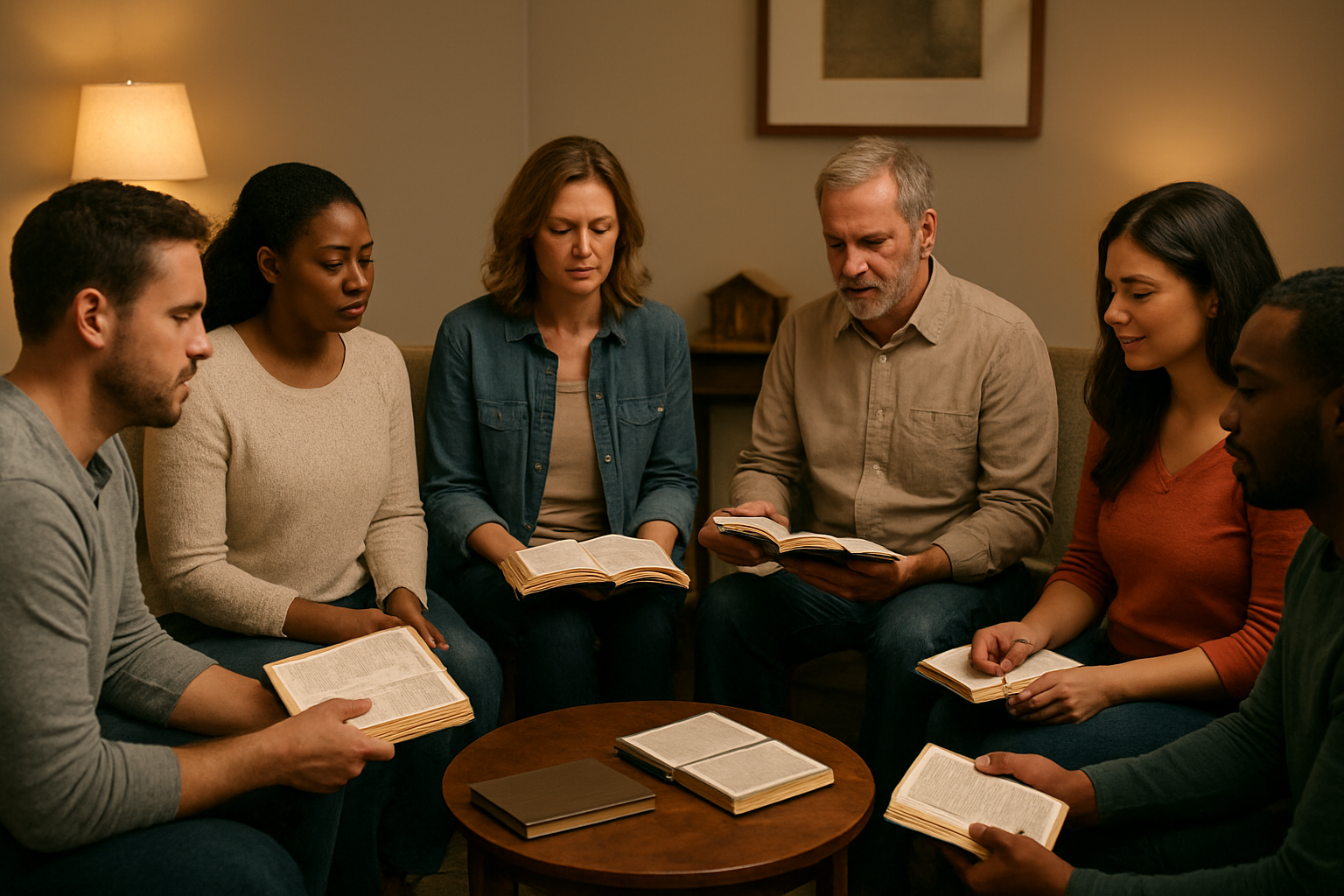
Mary's response to the angel Gabriel shows us how to handle life-changing moments when God calls us to something bigger than ourselves. When Gabriel announced she would bear the Messiah, Mary didn't pretend she wasn't scared or confused. She asked honest questions: "How will this be, since I am a virgin?" Her initial fear was completely natural, yet she didn't let it become the final word.
This teaches modern believers that feeling uncertain about God's plans doesn't disqualify us from His purposes. Mary's obedience faith didn't mean she had all the answers upfront. Instead, she chose to trust despite her questions. When God presents opportunities that stretch our comfort zones—whether it's changing careers, starting a ministry, or taking a leap of faith in relationships—we can follow Mary's example by acknowledging our fears while still saying "yes" to His calling.
Mary's response, "I am the Lord's servant. May your word to me be fulfilled," becomes a powerful template for believers today. She demonstrated that courage isn't the absence of fear but choosing obedience in spite of it.
Trusting Divine Timing Even When Plans Seem Unclear
The Virgin Mary Christmas story reveals how God's timing rarely matches our human expectations. Mary faced months of pregnancy knowing her situation looked scandalous to outsiders. She had to trust that God would work out the details of her reputation, her relationship with Joseph, and her family's understanding.
Mary's character traits included an remarkable ability to hold tension—believing God's promises while living through the messy middle of His plan unfolding. She couldn't see the full picture of how the Christmas story Mary would become central to would impact history. She simply had to trust each day as it came.
Modern believers often struggle with this same tension. We want clear roadmaps and guaranteed outcomes before we step forward in faith. Mary's example shows us that divine timing often requires walking in the dark with only enough light for the next step. Her willingness to embrace uncertainty while holding onto God's promises offers hope when our own plans feel derailed or unclear.
The significance of Mary in trusting God's timeline reminds us that His delays aren't denials, and His methods often look different from our expectations.
Finding Strength in Prayer and Worship During Trials
Mary's response to challenging circumstances consistently involved turning toward God rather than away from Him. Her Magnificat prayer in Luke 1 shows how she processed overwhelming news through worship and praise. Instead of catastrophizing or complaining, she declared God's faithfulness and celebrated His choice to work through her.
This pattern continued throughout the nativity story and beyond. When Mary couldn't understand Jesus's actions or words, Luke tells us she "treasured these things in her heart"—a beautiful picture of bringing confusion to God in prayer rather than letting it create distance.
For today's believers facing trials, Mary demonstrates the power of active worship during difficult seasons. Her prayers weren't passive resignation but bold declarations of God's goodness and sovereignty. She found strength by remembering God's faithfulness to previous generations and anchoring herself in His character rather than her circumstances.
Mary nativity story teaches us that prayer and worship become lifelines during uncertainty. When external circumstances feel chaotic, following Mary's example means creating internal spaces for God's peace through deliberate acts of trust and praise. Her approach shows that spiritual disciplines aren't just religious activities but practical tools for finding strength when life feels overwhelming.
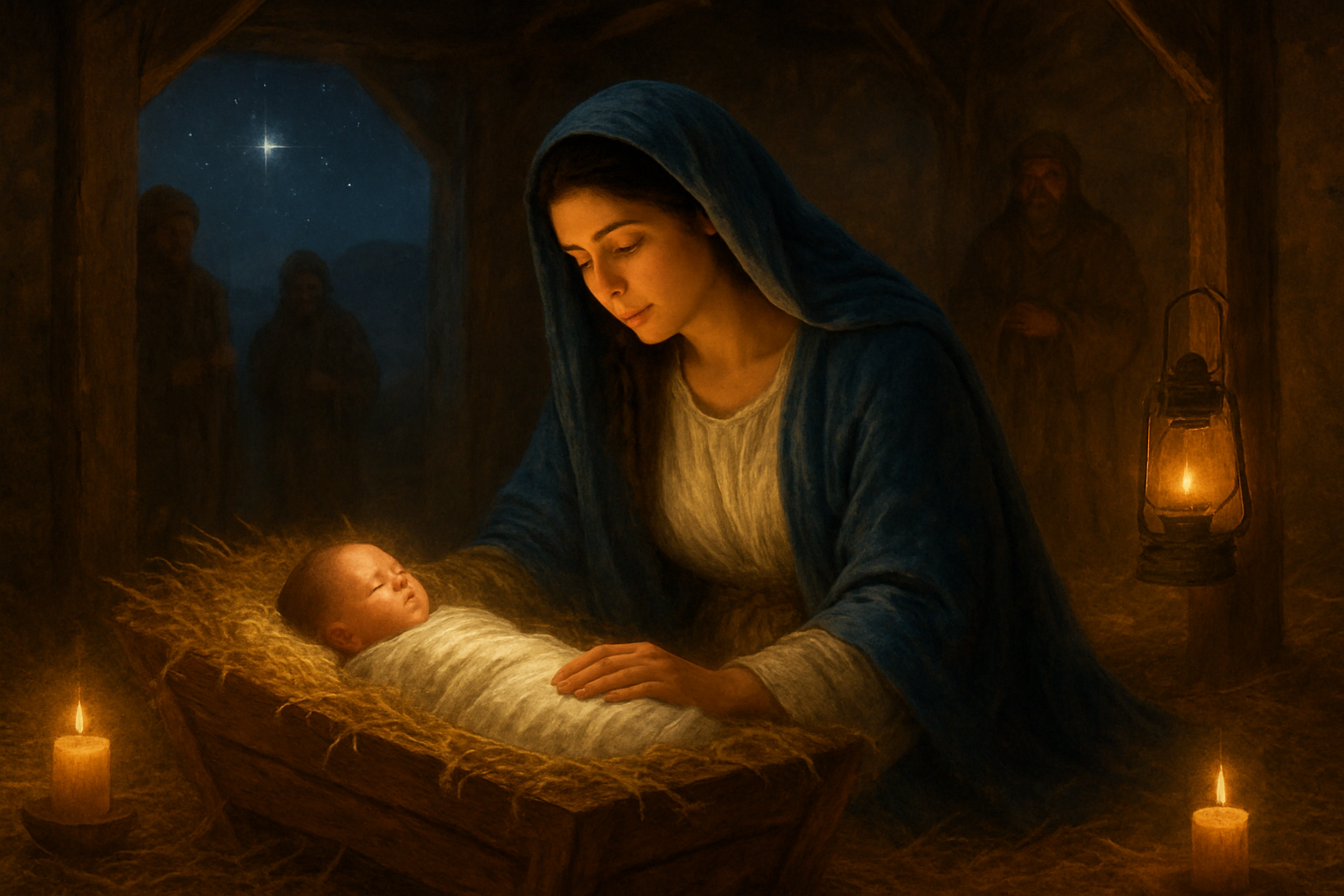
Mary stands as a central figure whose faith, courage, and obedience shaped the very foundation of Christianity. Her willingness to accept God's calling despite the personal risks, her unwavering trust during uncertain times, and her character of humility and devotion made her the perfect vessel for bringing Jesus into the world. Without Mary's "yes" to God's plan, the Christmas story as we know it wouldn't exist.
Her example continues to inspire believers today. Mary shows us what it looks like to trust God completely, even when His plans don't make sense from a human perspective. Her life teaches us about surrender, faith, and finding peace in God's purposes. As we celebrate Christmas each year, we're not just remembering the birth of Jesus – we're also honoring a young woman whose simple yet profound faith changed the course of human history forever.


Comments
Post a Comment