THE SIGNIFICANCE OF THE MANGER IN THE CHRISTMAS STORY
The humble feeding trough where Jesus was born holds profound meaning that goes far beyond a simple Christmas decoration. For Christians, pastors, Bible study groups, and anyone seeking to understand the deeper layers of the nativity story, exploring the significance of the manger reveals God's intentional choice in how His Son entered the world.
This examination of the manger Christmas story uncovers why this seemingly ordinary object carries extraordinary biblical manger meaning. The feeding trough Jesus birth took place in wasn't just about lack of room at the inn—it was a deliberate divine statement about the humble beginnings of Christ and God's kingdom values.
We'll explore the historical context that led to Christ born in manger, examining how this setting fulfilled ancient prophecies and served as a divine sign to shepherds and wise men. You'll discover the Christmas manger symbolism that reveals God's heart for the lowly and marginalized, and how this theological meaning continues to challenge our modern understanding of power, status, and true greatness.
Finally, we'll look at practical lessons from the nativity manger importance that apply to our daily lives, showing how the feeding trough's message of humility and accessibility remains relevant for believers today.
Historical Context and Biblical Foundation of the Manger
Understanding the humble circumstances of Christ's birth
When Mary and Joseph arrived in Bethlehem, they faced circumstances that would shock most expecting parents today. The biblical manger meaning goes far deeper than simply having no room at the inn. The Greek word "kataluma" used in Luke's Gospel refers to a guest room or lodging place, suggesting the couple sought proper accommodation but found none available due to the Roman census requiring people to return to their ancestral homes.
The reality of Christ born in manger speaks to the profound poverty and vulnerability of the Holy Family. Archaeological evidence from first-century Palestine shows that mangers were typically carved from limestone or built from clay and stone, designed specifically as feeding trough Jesus birth containers for livestock. These weren't makeshift cribs but functional farm equipment, often located in caves or lower levels of homes where animals were kept for warmth and protection.
The Christmas story presents us with the Son of God entering the world in the most basic conditions imaginable. No royal palace, no medical attendants, no luxurious nursery - just a young couple, farm animals, and a feeding trough serving as the first bed for the Savior of the world.
Exploring the geographical and cultural setting of Bethlehem
Bethlehem in the first century was a small, rural village approximately six miles south of Jerusalem. Known as the "City of David," it held deep historical significance as the birthplace of Israel's greatest king, yet remained a humble agricultural community of perhaps 1,000 residents. The town's economy centered around sheep herding and farming, making the presence of mangers and stables commonplace throughout the area.
The cultural context reveals important details about the manger Christmas story. Palestinian homes often incorporated animals into their living arrangements, with families occupying upper levels while livestock stayed below for security and warmth during cold nights. The manger likely sat in this lower area, surrounded by sheep, goats, and donkeys that provided natural heating for the newborn.
Bethlehem's location along ancient trade routes meant it frequently hosted travelers, explaining why accommodations were scarce during the census. The village's pastoral setting, combined with its Davidic heritage, created the perfect backdrop for the Messiah's arrival - humble yet historically significant, reflecting God's pattern of choosing the unlikely and overlooked.
Analyzing the scriptural accounts in Luke and Matthew
Luke's Gospel provides the most detailed account of the nativity manger importance, emphasizing the practical circumstances while highlighting divine intervention. Luke 2:7 states Mary "wrapped him in cloths and placed him in a manger, because there was no guest room available for them." This simple statement carries profound theological weight about God's identification with human need and vulnerability.
Matthew's account, while not mentioning the manger specifically, focuses on the house where the wise men later found the child, suggesting the family eventually secured proper lodging. The contrast between these accounts shows the temporary nature of the manger arrangement while establishing its crucial role in the birth narrative.
The scriptural emphasis on the manger serves multiple purposes:
-
Demonstrates God's willingness to enter human poverty
-
Provides a tangible sign for the shepherds to identify the Christ child
-
Establishes Jesus' identification with society's most vulnerable
-
Fulfills prophetic themes about the Messiah's humble origins
Examining the practical reasons behind the manger location
Beyond the spiritual symbolism lies practical necessity. The humble beginnings of Christ reflect real-world circumstances that first-century families regularly faced. Bethlehem's overcrowding during the census left Mary and Joseph with limited options, forcing them to accept whatever shelter they could find.
The choice of a manger wasn't random but represented the most suitable option available. These feeding troughs were:
-
Appropriately sized for a newborn
-
Clean and functional containers
-
Located in warm, protected areas
-
Readily available in agricultural communities
The presence of animals actually provided benefits for the newborn - their body heat warmed the space, and their presence was familiar and comforting in ancient Near Eastern culture. Many families routinely shared living spaces with their livestock, making this arrangement less shocking to contemporary observers than to modern readers.
The practical aspects also served divine purposes. The manger's location made the birth accessible to shepherds - society's outcasts who worked in fields and caves similar to where Jesus was born. This accessibility demonstrated God's preference for reaching the marginalized first, establishing a pattern that would characterize Jesus' entire ministry.
Symbolic Meaning Behind God's Choice of a Feeding Trough
Representing divine humility and accessibility to all people
The feeding trough Jesus birth represents one of history's most profound demonstrations of divine humility. When God chose to place His Son in a manger, He deliberately selected the most humble of beginnings. This wasn't an oversight or unfortunate circumstance - it was intentional. The manger Christmas story reveals that God's love reaches everyone, regardless of social status, wealth, or position.
Consider the stark contrast: the King of Kings, who deserved golden cradles and royal chambers, instead found His first earthly rest in a container meant for animal feed. This choice sends a clear message that God's kingdom operates differently from earthly kingdoms. The biblical manger meaning shows us that divine greatness isn't measured by luxury or status symbols.
The accessibility aspect becomes even more striking when we remember who could approach this newborn King. Shepherds - society's outcasts - received the first invitation to see Jesus. No palace guards blocked their path, no royal protocols prevented their visit. The Christ born in manger story demonstrates that God made Himself approachable to the lowliest members of society first.
This radical accessibility continues today. Just as shepherds could freely approach the manger, people from all walks of life can approach Christ without intermediaries, special credentials, or social standing. The manger breaks down barriers that human systems often create.
Connecting to Jesus as the Bread of Life metaphor
The Christmas manger symbolism becomes even richer when we connect it to Jesus's later declaration: "I am the bread of life." This connection isn't coincidental - it's deeply intentional and prophetic. A manger serves as a feeding trough, the very place where hungry animals come for nourishment. Jesus, placed in this feeding container, foreshadowed His role as spiritual nourishment for humanity.
The metaphor works on multiple levels. Just as animals depend on the manger for physical sustenance, humans depend on Christ for spiritual sustenance. The feeding trough Jesus birth location becomes a powerful symbol of how Jesus would later feed the multitudes - both physically and spiritually.
Throughout His ministry, Jesus consistently used food imagery to describe spiritual realities. He multiplied loaves and fishes, spoke of living water, and established communion with bread and wine. These weren't random choices but deliberate connections back to His humble beginning in a feeding place.
The manger also represents abundance. Feeding troughs hold enough food for many animals, just as Christ's sacrifice provides enough salvation for all humanity. The significance of the manger extends beyond humble beginnings to promise unlimited spiritual nourishment for anyone who seeks it.
Demonstrating God's rejection of worldly power and status
The theological meaning Christmas manger reveals God's complete rejection of worldly definitions of power and importance. In choosing a manger over a palace, God turned human expectations upside down. This choice wasn't just about humility - it was a direct challenge to how societies typically organize themselves around power structures.
Roman culture, which dominated the world during Christ's birth, celebrated military might, political authority, and material wealth. The humble beginnings of Christ stood in stark opposition to these values. Instead of being born in Caesar's palace or a wealthy merchant's home, Jesus entered the world in the most powerless circumstances imaginable.
This rejection of status continues throughout the Christmas narrative. Angels appeared to shepherds, not senators. Wise men followed a star, abandoning their comfortable positions to seek truth. Mary and Joseph, despite their divine calling, remained ordinary people without political connections or financial resources.
The manger choice establishes a pattern that runs through Jesus's entire life and ministry. He consistently chose servants over rulers, the poor over the wealthy, the humble over the proud. The nativity manger importance lies partly in how it sets the tone for everything that follows - a kingdom built on love, service, and sacrifice rather than power, prestige, and control.
This divine rejection of worldly status offers hope to everyone who feels overlooked or undervalued by society's standards.
The Manger as a Prophecy Fulfillment and Divine Sign
Linking to Old Testament prophecies about the Messiah's humble origins
The manger Christmas story connects directly to ancient prophecies that painted a picture of the Messiah's unexpected arrival. Isaiah 53:2 describes the coming Servant growing up "like a tender shoot, and like a root out of dry ground," with no beauty or majesty to attract people to him. This prophecy finds its fulfillment in the Christ born in manger narrative, where the Son of God enters the world in complete obscurity.
Micah 5:2 pinpoints Bethlehem as the birthplace of the ruler who would shepherd Israel, but the prophet never mentioned a palace or royal birthing chamber. The biblical manger meaning aligns perfectly with these prophecies of humble origins. Even David, Israel's greatest king, was overlooked as the youngest shepherd boy before his anointing. The pattern of God choosing the lowly and unexpected runs throughout Scripture, making the feeding trough a natural continuation of this divine theme.
The significance of the manger becomes clear when we see how Jesus's birth location validated every prophecy about the Messiah's humble beginnings. No earthly throne room could have better demonstrated God's upside-down kingdom values than this simple animal shelter.
Understanding how the manger served as a sign for the shepherds
When the angel announced Jesus's birth to the shepherds, the feeding trough Jesus birth location wasn't mentioned as an afterthought—it was the primary identifying sign. "You will find a baby wrapped in cloths and lying in a manger" (Luke 2:12). This specific detail served as the shepherds' GPS coordinates in a town filled with visitors.
The Christmas manger symbolism goes beyond mere identification. Shepherds understood feeding troughs intimately; they knew these containers provided life-sustaining nourishment for sheep. Finding the Christ child in this setting would have resonated deeply with men who spent their lives caring for flocks. They were discovering the Good Shepherd himself in the very tool of their trade.
This sign also eliminated any confusion about which baby they were seeking. In a town bursting with census participants, many infants would have been born that night. But only one would be found in a manger. The nativity manger importance lies in its function as an unmistakable marker that guided working-class shepherds to their Savior.
Recognizing the contrast between earthly expectations and heavenly reality
Jewish expectations of the Messiah centered on royal splendor, military might, and political liberation. Religious leaders anticipated a king who would arrive with fanfare, establish an earthly kingdom, and restore Israel's glory. The theological meaning Christmas manger story completely subverted these assumptions.
Instead of a golden cradle in Herod's palace, God chose a stone feeding trough in a cave. Rather than announcing the birth to priests and rulers, angels appeared to night-shift shepherds. This humble beginnings of Christ narrative revealed God's radically different priorities and methods.
The manger represents heaven's values breaking into human expectations. While earthly kingdoms showcase power through impressive displays, God's kingdom demonstrates strength through weakness, glory through humility, and victory through surrender. The prophecy fulfillment manger story teaches that divine wisdom often looks like foolishness to human understanding.
Exploring how this location validated Jesus's mission to serve the lowly
Jesus's birth in a manger wasn't accidental—it was prophetic of his entire earthly ministry. Throughout his life, Christ consistently gravitated toward society's forgotten people: tax collectors, prostitutes, lepers, and social outcasts. The feeding trough birth established this pattern from day one.
The location also prefigured Jesus's sacrificial death. Just as he was laid in a borrowed manger at birth, he would be placed in a borrowed tomb at death. Both locations speak to his identification with humanity's most vulnerable moments and his willingness to experience complete dependence.
The manger validated Jesus's teaching that the first would be last and the last would be first. By choosing the most humble birthplace possible, God demonstrated that his Son came to serve rather than be served. This birth story gives credibility to every parable about God's special concern for the poor, the marginalized, and the overlooked.
The feeding trough also symbolized Jesus's future role as spiritual nourishment for humanity. Just as the manger held food for animals, Christ would become the Bread of Life, feeding hungry souls throughout history.
Theological Implications of Christ's Humble Beginning
Illustrating the incarnation doctrine through tangible imagery
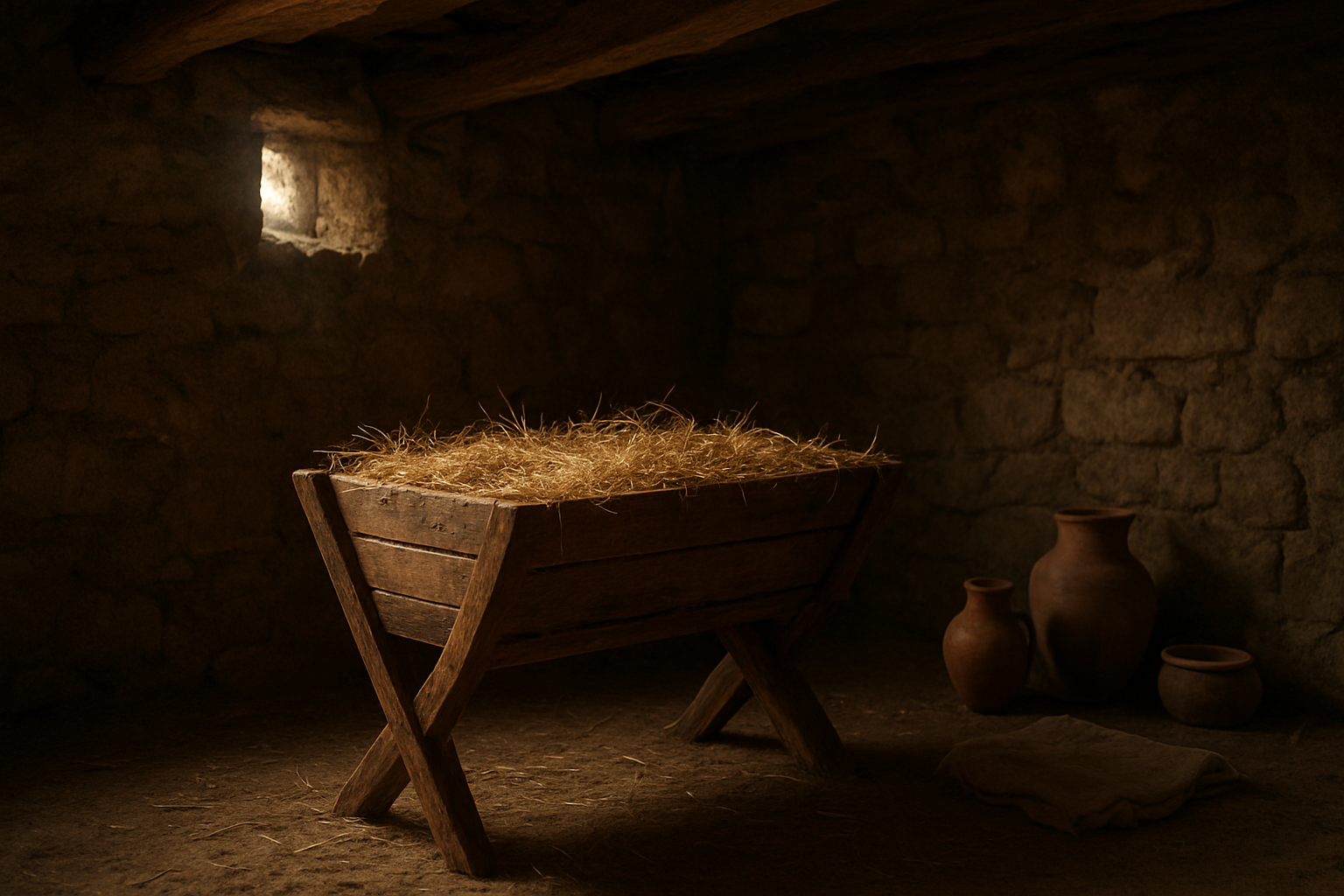
The biblical manger meaning becomes crystal clear when we see how this simple feeding trough perfectly captures the mystery of God becoming human. Picture the Creator of the universe, who spoke stars into existence, lying helplessly in a wooden box meant for cattle feed. This stark image makes the incarnation doctrine real and touchable.
The manger Christmas story shows us divinity wrapped in humanity's most vulnerable form. God didn't just pretend to be human or appear as a grown man ready for ministry. He entered our world as every human does - as a baby, completely dependent on others for survival. The rough wooden edges of that feeding trough pressed against the same skin that would later calm storms and heal the sick.
This humble beginning bridges the gap between heaven and earth in ways that resonate across cultures and centuries. When shepherds found Jesus in that manger, they weren't just seeing a baby - they were witnessing the Word made flesh, dwelling among us in the most ordinary circumstances imaginable.
Demonstrating God's love for humanity regardless of social status
The significance of the manger shines brightest when we consider who God chose to receive the first birth announcement. Not kings in their palaces or priests in their temples, but shepherds watching sheep in dark fields. These were society's outcasts - people considered ceremonially unclean, unable to participate in temple worship because of their work with animals.
God could have arranged for Jesus to be born in Caesar's palace or in Jerusalem's finest guest room. Instead, He chose a feeding trough in an overcrowded town, surrounded by the sounds and smells of livestock. This choice speaks volumes about divine priorities and values.
The Christmas manger symbolism reveals a God who identifies with the forgotten, the displaced, and the overlooked. Mary and Joseph weren't wealthy travelers staying in luxury accommodations - they were a young couple with limited resources, turned away from proper lodging. In choosing these circumstances for His Son's birth, God demonstrated that His love reaches everyone, regardless of their bank account, social connections, or worldly status.
Establishing the foundation for Jesus's ministry to the marginalized
Starting life in a feeding trough Jesus birth experience set the tone for everything that followed. Jesus's ministry consistently focused on those society pushed to the margins - tax collectors, prostitutes, lepers, and foreigners. His birth circumstances weren't accidental; they were prophetic of His entire earthly mission.
The humble beginnings of Christ established credibility with people who struggled daily for basic needs. When Jesus later said, "Foxes have holes and birds have nests, but the Son of Man has no place to lay his head," those words carried weight because His life began in borrowed space, in accommodations meant for animals.
This foundation allowed Jesus to speak authentically to human suffering and need. He understood hunger, displacement, and rejection not as abstract concepts, but as lived experience from His very first breath. The manger became the first chapter in a story that would consistently champion the cause of the powerless and give dignity to the despised.
Revealing the nature of true kingship and leadership
The theological meaning Christmas manger unveils a revolutionary understanding of power and authority. Real kings in Jesus's time ruled from golden thrones, surrounded by luxury and protected by armies. Jesus began His reign from a feeding trough, guarded only by farm animals and visited by society's outcasts.
This contrast wasn't lost on the Gospel writers, who repeatedly emphasized the irony. Matthew traces Jesus's genealogy to King David, then shows us this heir to the throne sleeping where cattle ate their meals. The magi brought gifts fit for royalty to a baby whose first bed was carved from rough wood.
True leadership, the manger teaches us, begins with service and identification with those you lead. Jesus didn't rule over people from a distance - He lived among them, sharing their struggles and understanding their pain. The nativity manger importance lies partly in how it redefined what it means to be king, showing that genuine authority comes through love and sacrifice rather than force and intimidation.
This servant-leadership model, established in that Bethlehem stable, would culminate at another wooden structure - the cross - where the King of Kings would demonstrate the ultimate expression of love by laying down His life for His people.
Modern Applications and Lessons from the Manger Story

Finding Hope and Dignity in Humble Circumstances
The manger Christmas story teaches us something powerful about finding worth in ordinary situations. When life feels overwhelming or our circumstances seem less than ideal, we can remember that the Savior of the world began his earthly journey in the most basic of settings. This reality speaks directly to anyone who has ever felt forgotten, overlooked, or trapped in difficult situations.
Christ's birth in a feeding trough shows us that God doesn't wait for perfect conditions to work miracles. Your small apartment, your entry-level job, or your financial struggles don't disqualify you from experiencing divine purpose. The significance of the manger reminds us that extraordinary things happen in ordinary places when we remain open to God's presence.
Consider how Mary and Joseph maintained their dignity despite their challenging circumstances. They didn't let their temporary housing situation define their worth or diminish their joy. This example encourages us to look beyond our current limitations and trust that our humble beginnings might actually be preparing us for something greater.
Embracing Simplicity Over Materialism During Christmas Celebrations
The stark simplicity of Christ's birth challenges our modern Christmas celebrations. While there's nothing wrong with gifts and festivities, the Christmas manger symbolism calls us to examine our priorities. The first Christmas required no elaborate decorations, expensive presents, or social media-worthy moments.
Mary and Joseph experienced the most meaningful Christmas in history with nothing but each other, their newborn son, and a few visiting shepherds. This reality invites us to strip away the excess and focus on what truly matters: relationships, gratitude, and spiritual connection.
Many families are discovering the joy of simpler Christmas traditions inspired by the manger scene. Instead of accumulating more possessions, they choose experiences together, acts of service, or meaningful conversations. The feeding trough Jesus birth story reminds us that the most precious gifts can't be wrapped or purchased.
When we embrace simplicity, we create space for wonder and reflection. Children often find more joy playing with cardboard boxes than expensive toys, echoing the truth that happiness doesn't require elaborate settings or costly materials.
Recognizing Christ's Presence in Unexpected Places and People
The shepherds were society's outcasts, yet they received the first announcement of Christ's birth. This detail from the nativity manger importance teaches us to look for God's work among those often overlooked or dismissed. Christ continues to reveal himself through unexpected people and circumstances.
Today, we might encounter Jesus in the homeless person asking for help, the elderly neighbor living alone, or the coworker struggling with personal challenges. The humble beginnings of Christ remind us that divine encounters rarely happen where we expect them.
This perspective transforms how we interact with others. Instead of judging based on appearances, education, or social status, we can approach each person as a potential messenger or recipient of God's love. The manger story teaches us that the most profound spiritual experiences often come through the most ordinary people.
Churches and communities that embrace this lesson create inclusive spaces where everyone feels valued. They understand that the biblical manger meaning extends beyond the historical event to inform how we treat one another today. Just as the animals in the stable witnessed Christ's birth, we're called to recognize sacred moments in everyday interactions.
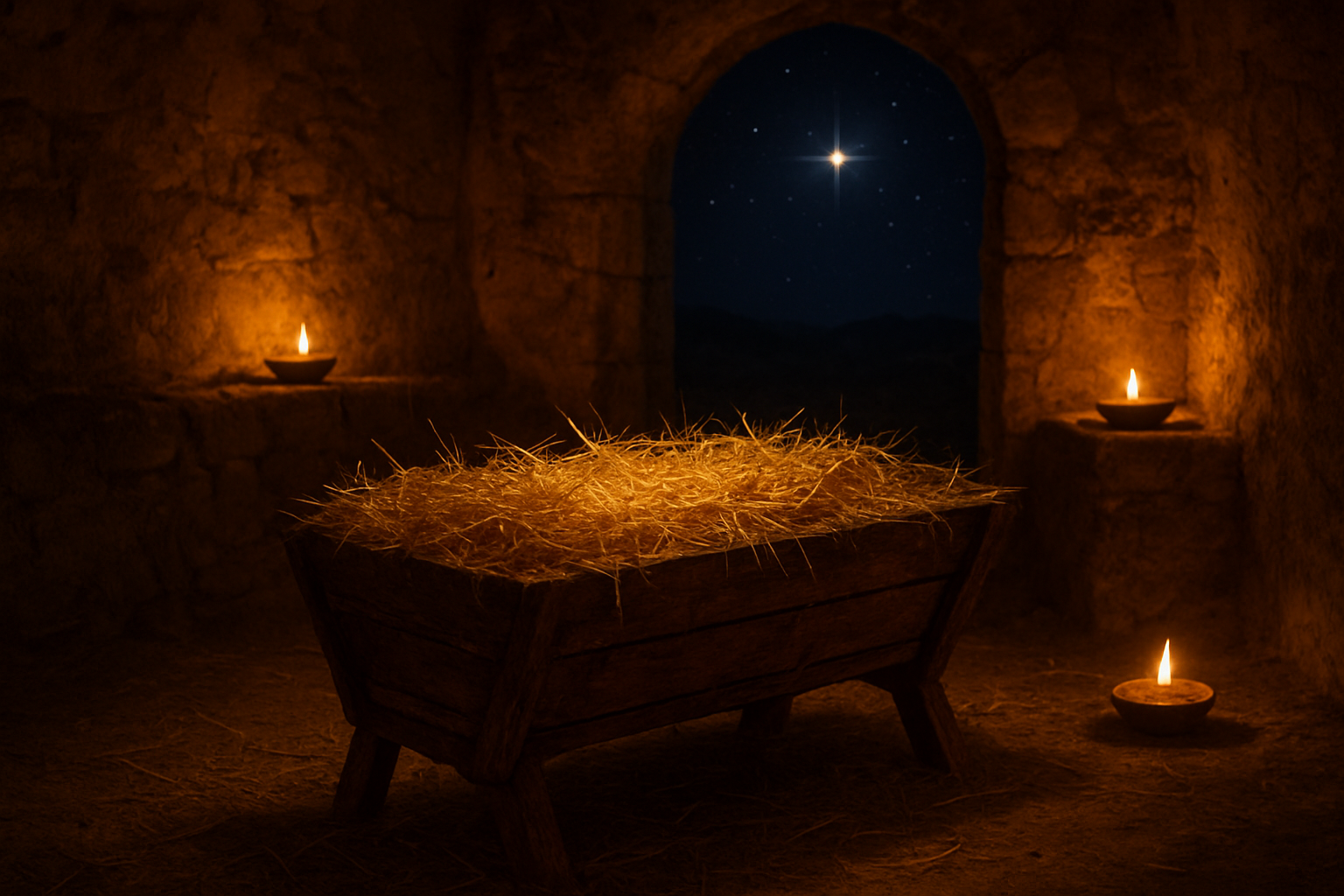
The manger represents far more than just the place where Jesus was born—it's a powerful symbol that captures the heart of Christianity. From its humble beginnings as a feeding trough to its role in fulfilling ancient prophecies, this simple wooden structure teaches us that God chose the lowliest place to enter our world. The theological weight of Christ being laid in a manger speaks to themes of humility, accessibility, and God's deep love for all people, regardless of their social status or circumstances.
Today, the manger story continues to challenge how we think about power, success, and what truly matters in life. It reminds us to look for God in unexpected places and to value humility over pride. As we celebrate Christmas each year, the manger calls us back to the radical truth that the King of Kings chose to be born among animals and shepherds rather than in a palace. This choice wasn't accidental—it was intentional, showing us that God's kingdom operates on completely different principles than the world around us.


Comments
Post a Comment