CHRISTIAN UNDERSTANDING OF CHRISTMAS
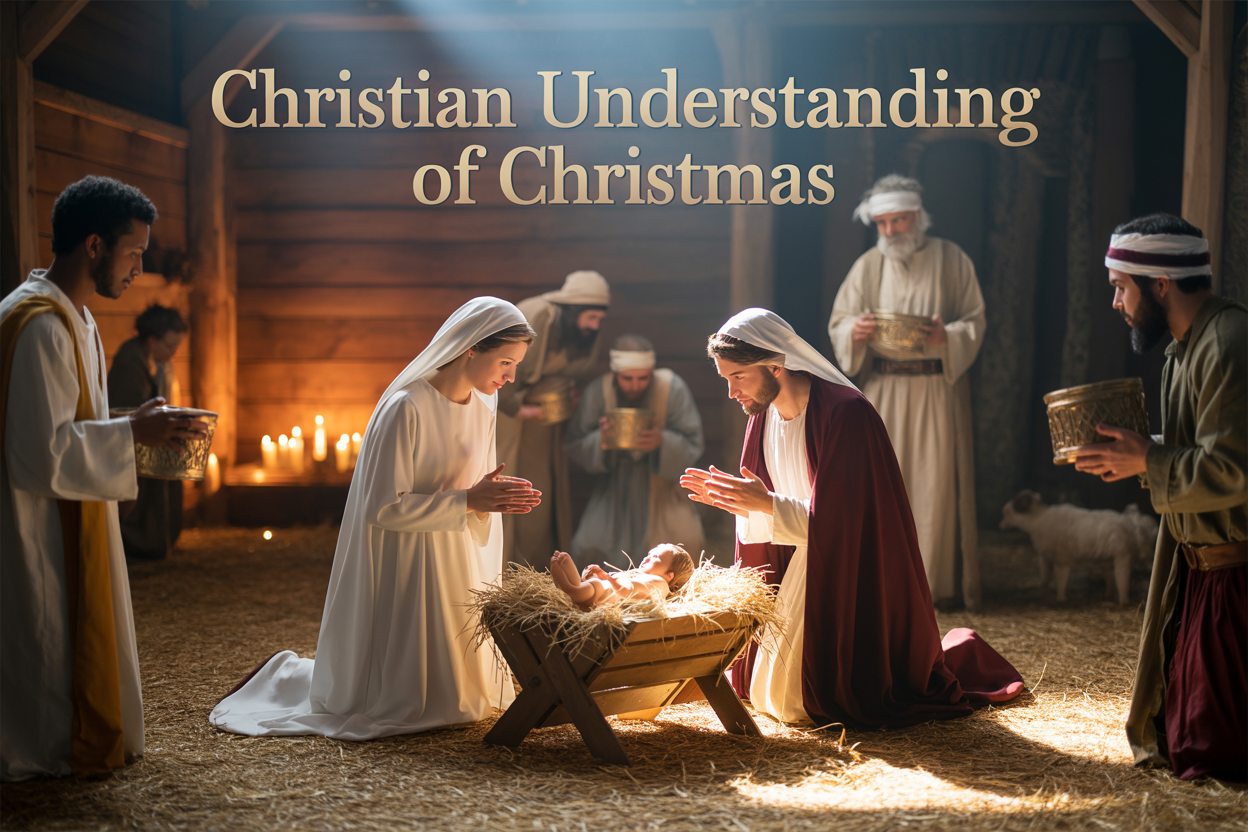
Christmas holds profound spiritual meaning for Christians worldwide, representing far more than festive celebrations and gift-giving. This guide explores the Christian understanding of Christmas for believers seeking to deepen their faith, families wanting to teach biblical values, and anyone curious about the theological foundations behind this sacred holiday.
The Christmas meaning for Christians centers on God's ultimate gift to humanity—the incarnation of Jesus Christ. When Christians celebrate Christ's birth, they commemorate a pivotal moment when divine love entered human history through a vulnerable baby in Bethlehem.
We'll examine the biblical foundation of Christmas through the nativity story Bible accounts, uncovering how Matthew and Luke's Gospels reveal the theological significance of Incarnation. You'll discover the deeper meanings behind core Christian Christmas symbols like the star, manger, and shepherd imagery that connect modern celebrations to ancient faith traditions. Finally, we'll explore practical ways to live Christmas values throughout the year, transforming seasonal joy into lasting spiritual growth that honors the true significance of Jesus birth.
Biblical Foundation of Christmas

The Nativity Account in Scripture
The biblical foundation of Christmas rests on two primary accounts found in the Gospels of Matthew and Luke. Luke's Gospel presents the most detailed nativity story Bible readers know well, beginning with the angel Gabriel's announcement to Mary in Nazareth. The narrative unfolds with Mary's journey to Bethlehem with Joseph, the birth of Jesus in a stable due to lack of room at the inn, and the shepherds' visit after receiving heavenly proclamation of the Savior's birth.
Matthew's Gospel approaches the story differently, focusing on Joseph's perspective and the visit of the Magi from the East. This account emphasizes Jesus' royal lineage through the genealogy and highlights the political tensions surrounding His birth, including Herod's murderous decree and the family's flight to Egypt.
Both accounts complement each other, providing a comprehensive picture of Christ's humble yet miraculous entrance into the world. The Christmas meaning for Christians emerges from these carefully recorded historical events that demonstrate God's intervention in human history through the most ordinary circumstances - a young couple, a small town, and a simple birth that would change everything.
Prophecies Fulfilled Through Christ's Birth
The biblical Christmas story gains profound significance when viewed through the lens of fulfilled Old Testament prophecies. Isaiah 7:14 declared that "a virgin will conceive and give birth to a son, and will call him Immanuel" - meaning "God with us." This prophecy found its fulfillment in Mary's miraculous conception through the Holy Spirit.
Micah 5:2 specifically prophesied that the Messiah would be born in Bethlehem, despite it being "small among the clans of Judah." The circumstances that led Mary and Joseph to Bethlehem for the Roman census perfectly aligned with this ancient prediction, showing God's sovereignty over both spiritual and political affairs.
The prophet Isaiah also foretold the nature of the coming Messiah in chapter 9:6, describing Him as "Wonderful Counselor, Mighty God, Everlasting Father, Prince of Peace." These titles reveal the divine nature of the child born in Bethlehem, establishing the theological foundation for understanding Jesus as both fully God and fully human.
Additional prophecies regarding the Messiah's suffering (Isaiah 53), His ministry location (Isaiah 9:1-2), and His eternal kingdom (2 Samuel 7:12-16) all trace their origins back to the humble birth in Bethlehem, creating an intricate tapestry of divine planning that spans centuries.
God's Divine Plan of Salvation Revealed
Christmas represents the pivotal moment when God's eternal plan of salvation became visible to humanity. The incarnation theology teaches that God didn't remain distant from human suffering but chose to enter our world as a vulnerable infant. This divine strategy defied human expectations of how a conquering king should arrive, yet perfectly demonstrated God's character of humble love.
Paul's letter to the Galatians explains that Jesus was "born of a woman, born under the law, to redeem those under the law" (Galatians 4:4-5). The timing of Christ's birth wasn't accidental but represented "the fullness of time" when conditions were optimal for the gospel message to spread throughout the known world.
The nativity reveals God's desire for intimate relationship with humanity. Rather than conquering through force, God chose vulnerability, entering the world through the same process every human experiences. This approach shows that salvation comes not through human achievement but through God's gracious initiative.
The theological significance of Incarnation extends beyond the birth itself to encompass the entire mystery of God becoming flesh. John's Gospel declares that "the Word became flesh and made his dwelling among us" (John 1:14), establishing the foundation for understanding how Christmas inaugurated the new covenant between God and humanity through the person of Jesus Christ.
Theological Significance of the Incarnation
Jesus as Fully God and Fully Man
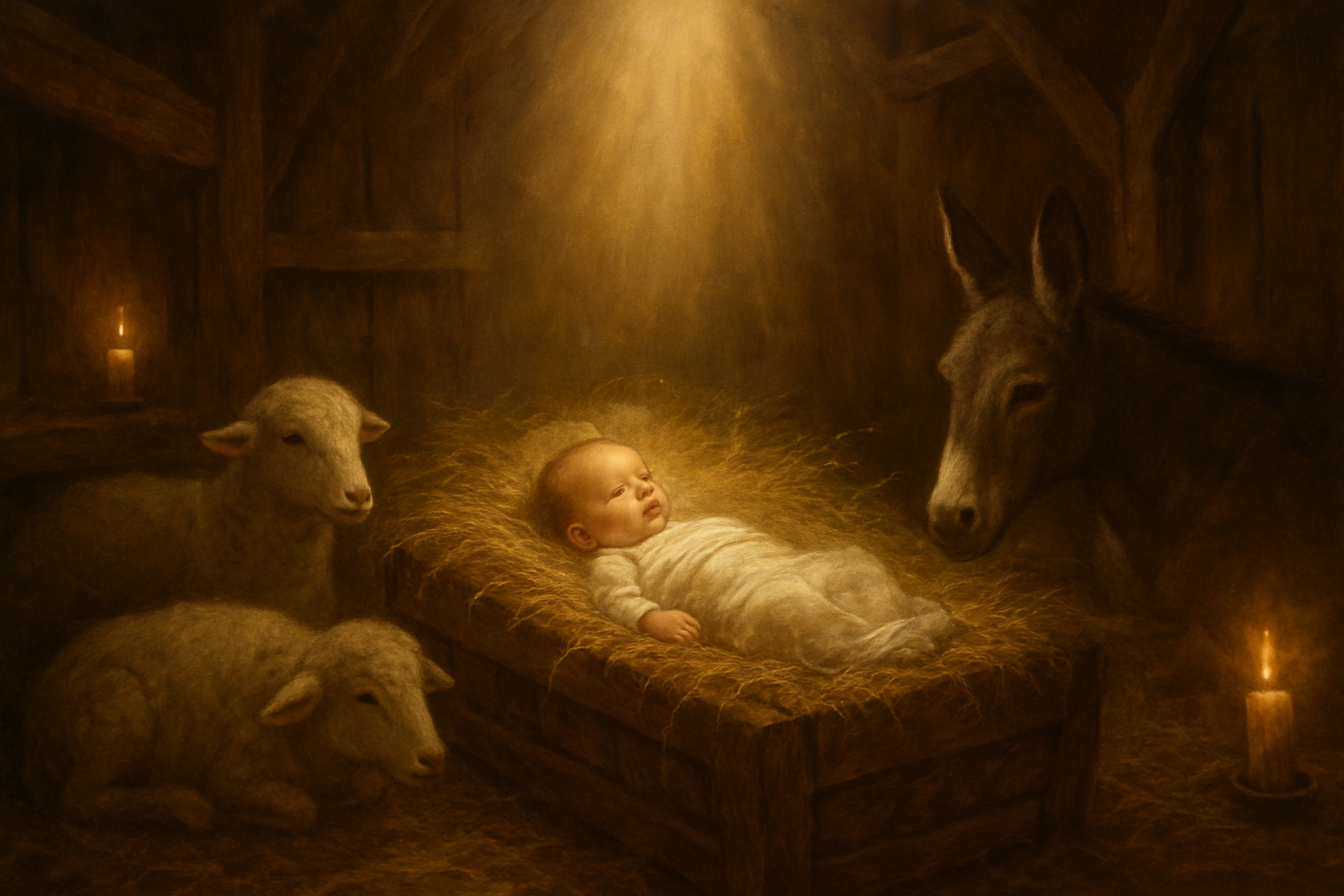
The incarnation theology centers on one of Christianity's most profound mysteries: Jesus Christ existing simultaneously as completely divine and completely human. This dual nature isn't a half-and-half arrangement but rather the full presence of both natures in one person. Early church councils wrestled with this concept, ultimately declaring that Jesus possesses two complete natures united in one divine person.
This theological understanding of Christmas meaning for Christians goes beyond simple historical acknowledgment. When God chose to enter human existence, He didn't abandon His divine attributes or diminish His godhood. Instead, Jesus experienced hunger, exhaustion, and emotional pain while retaining the power to calm storms and forgive sins. This perfect union allows Him to serve as the ultimate bridge between humanity and divinity.
The practical implications are staggering. Because Jesus is fully human, He understands our struggles, temptations, and limitations intimately. Because He is fully God, He possesses the authority and power to address our deepest spiritual needs. This makes His birth not just a religious event but the pivotal moment when heaven touched earth in the most personal way possible.
The Mystery of Divine Love Made Manifest
Christmas reveals God's character in ways that abstract theology never could. The incarnation demonstrates divine love not through words or symbols but through action. God chose vulnerability, entering the world as a helpless infant dependent on human care. This choice speaks volumes about the nature of divine love - it's willing to risk, sacrifice, and humble itself for the sake of relationship.
The biblical Christmas story shows us a God who doesn't remain distant but enters into the messiness of human existence. Mary's pregnancy scandal, Joseph's dilemma, the humble stable setting - these details aren't accidental but reveal how God works through ordinary, often difficult circumstances. Divine love doesn't demand perfect conditions but transforms imperfect ones.
This manifestation of love challenges human understanding. We typically associate power with control and distance, yet God's greatest display of power comes through proximity and sacrifice. The Christmas spiritual meaning lies partly in recognizing that divine love operates by different rules than human love, choosing connection over comfort and relationship over reputation.
Redemption Through God Becoming Human
The theological significance of Incarnation directly connects to humanity's need for redemption. Sin created a chasm between God and humanity that human effort couldn't bridge. The incarnation provides the solution by creating a person who could represent both sides - fully identifying with humanity while possessing the divine nature necessary for true reconciliation.
Jesus's human nature allows Him to serve as humanity's representative, experiencing temptation without sin and ultimately offering perfect obedience where humanity had failed. His divine nature ensures that His sacrifice carries infinite worth, sufficient to address the sins of all people across all time. This isn't merely symbolic but represents actual cosmic reconciliation.
The redemptive work begins at birth, not just at the cross. Every moment of Jesus's human experience contributes to redemption - His perfect life provides the righteousness humanity lacks, while His death addresses sin's penalty. The incarnation makes both aspects possible by uniting divine perfection with human experience in one person.
Breaking the Barrier Between Heaven and Earth
Christmas represents the moment when the spiritual and physical realms intersected permanently. The incarnation didn't just bring God to earth temporarily but established an ongoing connection that changes everything. Jesus's presence breaks down the wall separating sacred and secular, holy and common.
This barrier-breaking has immediate implications for Christian understanding Christmas. No longer do people need elaborate religious systems or perfect moral records to approach God. The incarnation creates direct access, making relationship with the divine available to anyone willing to receive it. This accessibility doesn't cheapen the relationship but reveals its true nature as gift rather than achievement.
The ongoing impact extends beyond individual relationships. Through the incarnation, God demonstrates commitment to physical creation, validating material existence as worthy of divine attention. This means our daily lives, physical bodies, and earthly relationships carry spiritual significance. Heaven and earth remain distinct but no longer separated, creating possibilities for experiencing divine presence in ordinary moments throughout the year, not just during Christian holiday traditions.
Core Christian Symbols and Their Meanings

The Star of Bethlehem as Divine Guidance
The Star of Bethlehem holds profound meaning in Christian understanding of Christmas, representing God's active guidance in human affairs. This celestial phenomenon guided the wise men from the East to find the newborn Jesus, showing how God uses creation itself to reveal His purposes. The star wasn't just a natural occurrence—it was a divine signpost pointing toward salvation.
Christian scholars have long viewed the star as God's way of calling people from all nations to worship Christ. The wise men weren't Jewish, yet God drew them to Jesus through this miraculous sign. This demonstrates that Christ's birth wasn't just for one people group, but for all humanity. The star's appearance fulfilled Old Testament prophecies, particularly Balaam's prophecy about a star rising from Jacob.
The symbolism runs deeper than mere navigation. The star represents divine revelation breaking into human darkness. Just as physical stars shine brightest against the darkest nights, God's truth shines most brilliantly when the world seems lost. Christians see this as a reminder that God doesn't leave people to find their way alone—He provides guidance for those genuinely seeking Him.
Modern believers often reflect on how the star's journey mirrors their own spiritual seeking. Like the wise men, Christians are called to follow divine guidance even when the path seems uncertain or requires personal sacrifice.
The Virgin Birth as Miraculous Sign
The virgin birth stands as one of Christianity's most significant miraculous signs, demonstrating God's power over natural law and His unique entrance into human history. This doctrine affirms that Jesus was conceived by the Holy Spirit in Mary's womb, making Him both fully divine and fully human. The virgin birth wasn't just a biological miracle—it was a theological necessity for Christian understanding of salvation.
Christians believe the virgin birth fulfilled Isaiah's prophecy about a virgin conceiving and bearing a son called Immanuel, meaning "God with us." This miraculous conception shows that Jesus wasn't just another human teacher or prophet, but God incarnate. The virgin birth ensures Christ's sinless nature, as He wasn't born under the curse of inherited sin that affects all other humans.
Mary's role in this miracle reveals important Christian values about faith and obedience. Her willingness to accept God's plan despite personal risk and social stigma exemplifies the kind of surrendered faith Christians are called to embrace. The angel's announcement and Mary's response show how God works through ordinary people willing to trust His extraordinary plans.
The virgin birth also highlights God's gentle approach to redemption. Rather than arriving as a conquering king, God chose to enter the world as a vulnerable baby, dependent on human care. This demonstrates divine humility and shows that God's power often works through apparent weakness.
The Manger Representing Humility and Service
The manger where Jesus was born carries deep symbolic meaning about humility and service in Christian understanding of Christmas. This animal feeding trough became Christ's first bed, representing how the King of Kings chose the humblest circumstances for His arrival. The manger wasn't an accident—it was God's deliberate choice to demonstrate that His kingdom operates by different values than worldly power.
Christians see the manger as a radical statement about God's character. Instead of a palace or temple, Jesus entered the world in a place associated with service to animals. This setting foreshadowed His entire earthly ministry, which emphasized serving others rather than being served. The Son of God, who deserved the finest accommodations, accepted the most basic shelter available.
The manger scene teaches Christians about embracing simplicity and finding God in ordinary places. Many believers reflect on how Jesus made Himself accessible to everyone—shepherds could approach Him just as easily as kings. The humble setting removed barriers that might have existed if He had been born in wealth or luxury.
This symbol challenges modern Christians to examine their own attitudes toward status and material possessions. If the Savior of the world was content with a manger, believers are called to find contentment in simple circumstances and to serve others regardless of their social position. The manger reminds Christians that true greatness comes through humble service, not worldly achievement.
Celebrating Christ's Birth in Christian Tradition
Advent Season Preparation and Anticipation
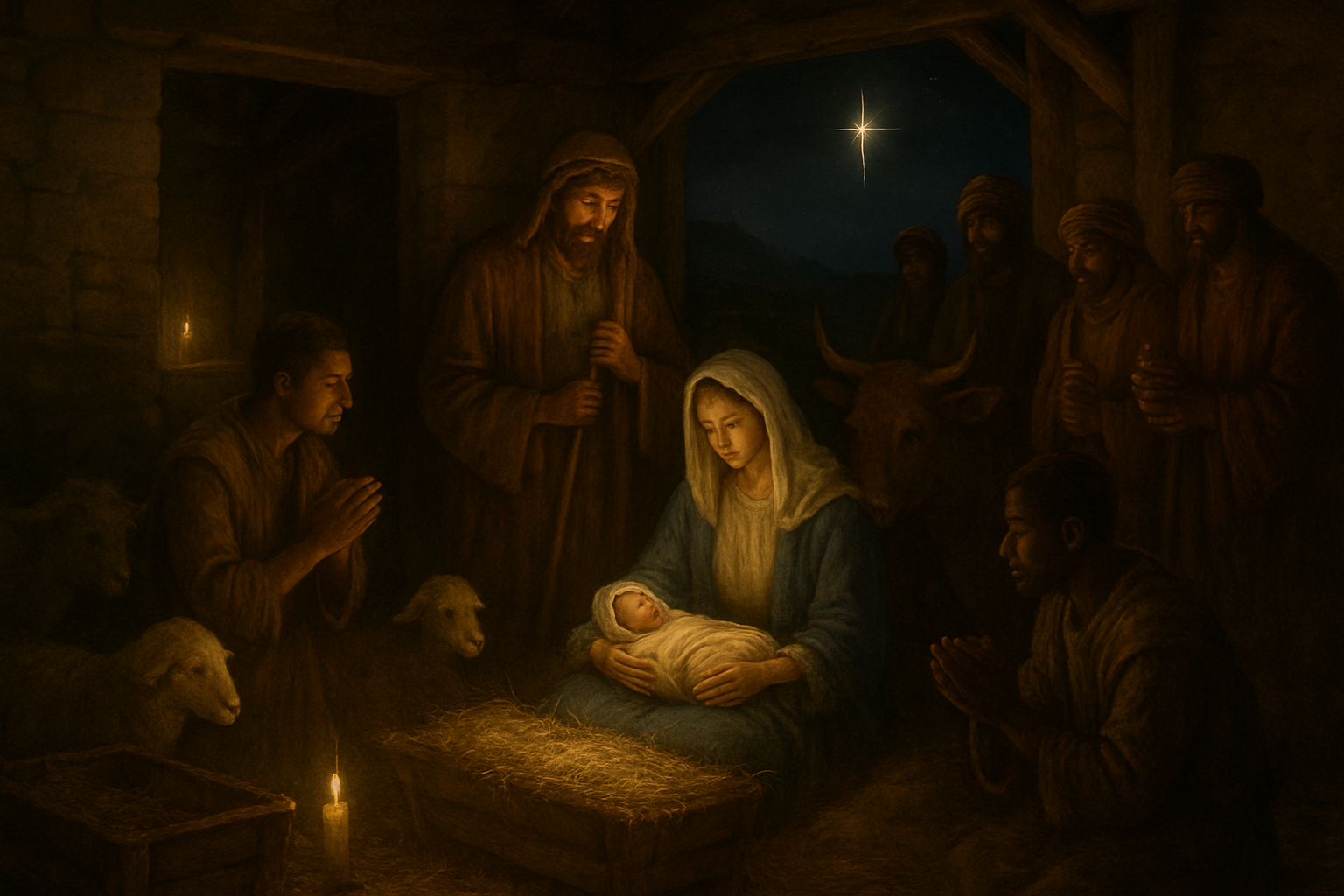
The four weeks leading up to Christmas create a sacred rhythm of waiting that mirrors humanity's centuries-long anticipation for the Messiah. Christians worldwide observe Advent as a time of spiritual preparation, lighting candles on the Advent wreath each Sunday while reflecting on hope, peace, joy, and love. This isn't just marking time on a calendar - it's entering into the same expectant spirit that filled Mary, Joseph, and the faithful remnant of Israel.
Advent calendars, purple vestments, and special liturgies all serve to slow down our modern rush toward Christmas morning. Many families create devotional practices during these weeks, reading daily Scripture passages that trace God's promise from Genesis through the prophets to Bethlehem. The tension between "already" and "not yet" becomes tangible as Christians remember Christ's first coming while anticipating His return.
Traditional Advent practices like the Jesse Tree, where families hang ornaments representing Old Testament stories and prophecies, help connect Christmas to the broader biblical narrative. The theological significance of Incarnation becomes more meaningful when believers spend weeks preparing their hearts rather than simply arriving at December 25th unprepared.
Christmas Mass/Service and Worship Practices
Christmas Eve and Christmas Day services represent the culmination of Christian anticipation, where celebrating Christ's birth takes center stage through carefully crafted liturgies and worship experiences. Many churches offer midnight services that echo the nighttime arrival of shepherds at the stable, creating an atmosphere where candlelight and hushed reverence meet explosive joy.
The structure of Christmas worship typically weaves together Scripture readings that tell the nativity story Bible passages, carols that have carried the Christmas message for centuries, and special music that highlights the theological significance of Incarnation. Traditional readings include Isaiah's prophecies, Luke's nativity account, and John's profound declaration that "the Word became flesh and dwelt among us."
Different Christian traditions bring unique elements to Christmas worship:
-
Catholic Mass: Incorporates the Gloria, special prayers, and often features elaborate nativity displays
-
Protestant Services: Emphasize congregational carol singing and extended Scripture readings
-
Orthodox Celebrations: Follow different calendar dates but maintain rich liturgical traditions
-
Contemporary Churches: Blend traditional elements with modern expressions of worship
Many congregations invite children to participate in nativity pageants during services, allowing young voices to proclaim the Christmas story while adults witness the wonder through fresh eyes. These moments transform worship spaces into Bethlehem, making the ancient story present and real.
Gift-Giving as Expression of God's Ultimate Gift
Christian gift-giving flows directly from understanding Christmas as God's supreme gift to humanity - His own Son. This practice transforms material exchange into spiritual reflection, where each wrapped package becomes a small echo of the Father's generosity in the Incarnation. The tradition connects believers to the Magi's offerings of gold, frankincense, and myrrh, establishing a biblical foundation for Christmas generosity.
Rather than mere commercialized exchange, thoughtful Christian families approach gift-giving as worship practice. Many follow the "something you want, something you need, something to wear, something to read" formula, while others adopt "three gifts like the wise men" to mirror the biblical account. Some families create "Jesus birthday gifts" - charitable donations made in Christ's honor to serve those in need.
The practice becomes particularly meaningful when gifts reflect the recipient's spiritual journey or serve others beyond the immediate family. Books that deepen faith, experiences that create memories, or items that enable service to others all capture the spirit of God's gift better than expensive items that satisfy only temporary desires.
Teaching children that gifts represent God's love helps them understand that Christmas meaning for Christians centers on divine generosity rather than human acquisition. Parents often share stories of how their gifts came from prayer and careful consideration, modeling the thoughtfulness that characterized God's perfect timing in sending Jesus.
Family Gatherings Reflecting Christian Community
Christmas family gatherings provide a unique opportunity to live out Christian community values on an intimate scale, where the theological significance of Incarnation meets everyday relationships. These gatherings become laboratories for practicing forgiveness, extending grace, and celebrating the bonds that reflect God's family design.
Many Christian families structure their Christmas gatherings around spiritual practices that keep Christ central to the celebration. Reading the nativity story together, sharing testimonies of God's faithfulness throughout the year, and praying together create sacred space within family time. Some families designate Christmas morning as a time for spiritual reflection before gift-opening begins.
The inclusion of extended family, friends without family nearby, and sometimes complete strangers reflects the hospitality that characterized the early Christian church. Christmas dinner tables often expand to welcome those who might otherwise spend the holiday alone, demonstrating how celebrating Christ's birth naturally leads to welcoming others just as God welcomed humanity through Jesus.
Intergenerational storytelling becomes particularly rich during Christmas gatherings, as grandparents share how their families celebrated in previous decades, connecting current celebrations to longer Christian traditions. These stories help younger family members understand that their Christmas celebrations participate in centuries of faithful observance.
Family traditions like Christmas morning devotions, special prayers before meals, and evening reflections on the day's blessings help establish rhythm that prioritizes spiritual connection alongside relational joy. These practices create memories that associate Christmas with both divine love and human community, reinforcing the incarnational truth that God chose to enter human life through family relationships.
Living Out Christmas Values Year-Round

Embodying Christ's Love in Daily Life
Christmas celebrates God's ultimate expression of love through Jesus Christ, and this divine love should shape how Christians live every single day. Christ's love shows up in the small moments - choosing patience when someone cuts you off in traffic, listening without judgment when a friend struggles, or offering forgiveness when someone hurts you deeply.
The incarnation reveals that God didn't stay distant from human pain and suffering. Jesus entered our messy world, experienced rejection, felt physical and emotional pain, and chose love even when it cost him everything. This means Christians are called to love not just when it's convenient or comfortable, but especially when it's difficult.
Practical ways to embody Christ's love include:
-
Active listening - Giving others your full attention without planning what to say next
-
Generous assumptions - Choosing to believe the best about people's motives
-
Sacrificial giving - Sharing time, resources, and energy even when it's inconvenient
-
Radical forgiveness - Releasing resentment and choosing reconciliation
-
Compassionate presence - Showing up for people in their darkest moments
This love extends beyond family and friends to strangers, difficult coworkers, and even those who oppose Christian beliefs. The Christmas story reminds believers that God loved humanity before anyone loved him back, setting the standard for unconditional love that Christians should strive to mirror in their relationships and interactions throughout the year.
Serving Others as Jesus Served Humanity
Jesus came not to be served but to serve, and his birth in a humble stable demonstrates God's heart for the marginalized and forgotten. Living Christmas values year-round means adopting this servant-hearted approach to life, looking for opportunities to lift others up rather than seeking personal advancement or recognition.
Christ's service took many forms - healing the sick, feeding the hungry, teaching truth, comforting the grieving, and ultimately sacrificing his life for humanity's redemption. Modern Christians can follow this example through both organized ministry and spontaneous acts of kindness.
Ways to serve like Jesus:
| Type of Service | Examples | Impact |
|---|---|---|
| Physical needs | Food banks, homeless shelters, disaster relief | Meets immediate survival needs |
| Emotional support | Counseling, mentoring, grief support | Provides healing and hope |
| Spiritual guidance | Teaching, prayer ministry, evangelism | Transforms lives eternally |
| Social justice | Advocacy, community organizing, policy work | Creates systemic change |
The beauty of Christian service lies in its motivation - not to earn salvation or gain recognition, but as a natural response to God's love. When believers understand the theological significance of incarnation, they realize that every person carries divine worth and deserves dignity, respect, and care.
Service doesn't require grand gestures. Sometimes it's bringing coffee to an overworked colleague, helping an elderly neighbor with groceries, or volunteering at local schools. The key is maintaining Jesus's posture of humility and genuine concern for others' wellbeing.
Maintaining Hope and Joy Beyond the Season
Christmas joy often feels magical during December but can quickly fade when faced with January's harsh realities. However, the hope and joy Christians celebrate at Christmas aren't seasonal emotions - they're foundational truths about God's character and promises that sustain believers through every circumstance.
The nativity story Bible tells us represents hope fulfilled after centuries of waiting. Mary's song of praise, the angels' joyful announcement, and the shepherds' excitement all point to a deeper joy that transcends temporary circumstances. This same hope remains available to Christians facing unemployment, health crises, relationship struggles, or global uncertainty.
Sustaining Christmas joy year-round:
-
Daily gratitude practice - Recognizing God's goodness in small moments
-
Regular scripture study - Remembering God's faithfulness throughout history
-
Community worship - Gathering with other believers for encouragement
-
Prayer and meditation - Staying connected to God's presence
-
Mission focus - Finding purpose in serving God's kingdom
True Christian joy doesn't depend on perfect circumstances or constant happiness. Instead, it's rooted in the unchanging reality that God loves humanity enough to enter our world, that Jesus conquered sin and death, and that believers have an eternal future secured by God's promises.
This hope becomes especially powerful during difficult seasons. When facing loss, disappointment, or uncertainty, Christians can return to the manger scene and remember that God specializes in bringing light into darkness, hope into despair, and life into death. The incarnation proves that no situation is too desperate for God's intervention and that his love remains constant regardless of external circumstances.
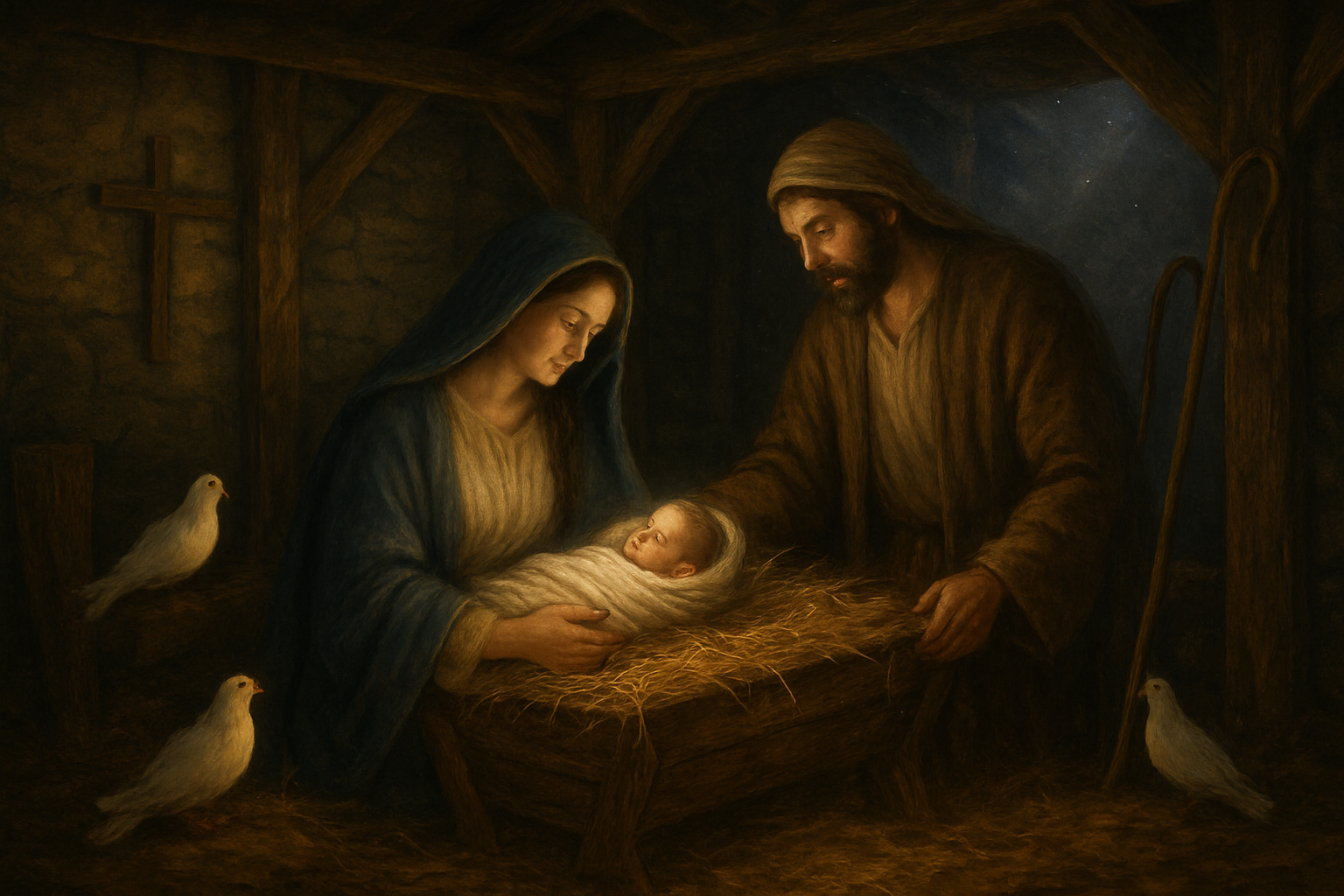
Christmas goes far beyond the twinkling lights and gift exchanges we see everywhere during the holiday season. At its heart, this celebration centers on the incredible moment when God chose to become human, stepping into our world through the birth of Jesus Christ. The biblical story, rich theological meaning, and powerful symbols all point to one amazing truth: God's love for humanity is so deep that He was willing to enter our story personally.
The real magic of Christmas isn't found in perfect decorations or elaborate celebrations, but in understanding what Christ's birth means for our daily lives. The values Jesus brought into the world - love, compassion, hope, and sacrifice - aren't meant to be stored away after December 25th. They're meant to shape how we treat others, how we respond to challenges, and how we show God's love throughout the entire year. This Christmas, take time to reflect on the true gift of the Incarnation and let it transform not just your holiday season, but your whole approach to living.


Comments
Post a Comment