Celebrating Motherhood God's Way
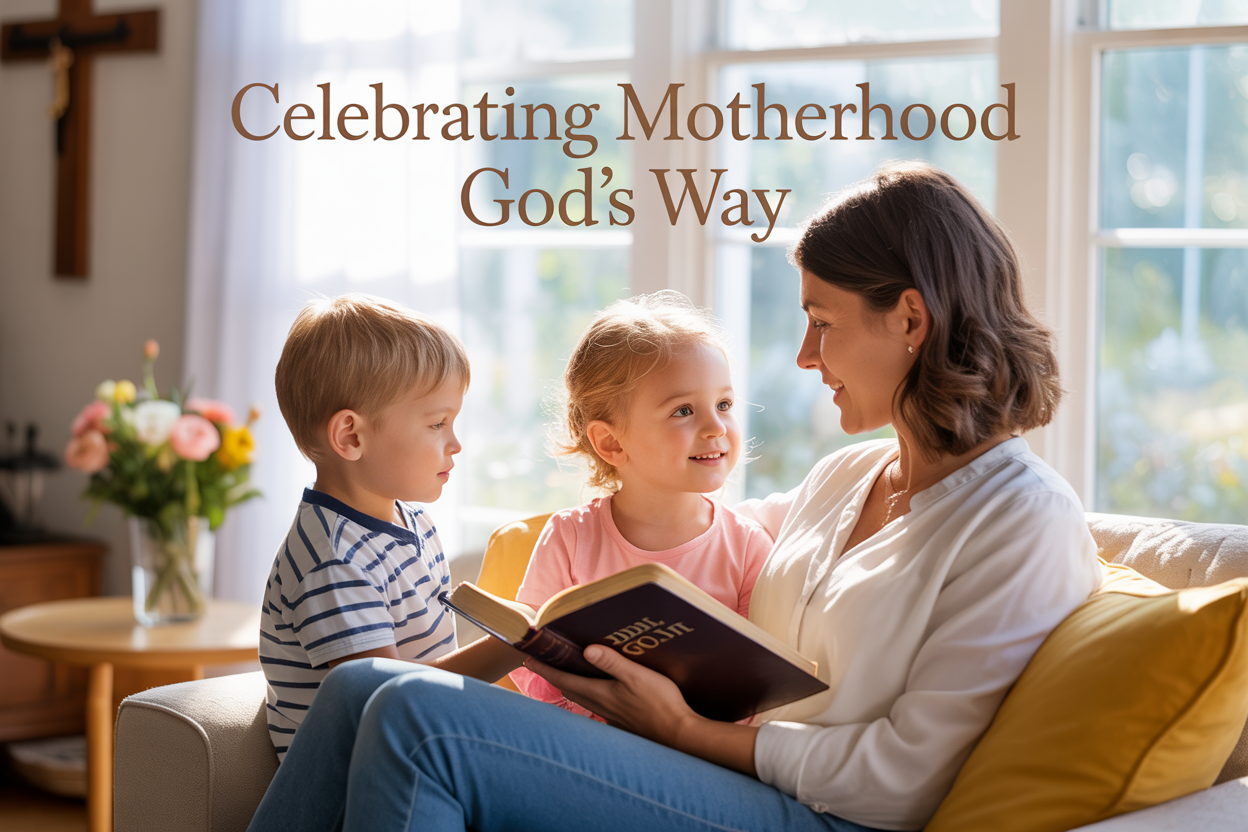
Motherhood brings both incredible joy and overwhelming challenges. For Christian moms seeking to embrace motherhood God's way, the journey requires more than good intentions—it calls for biblical wisdom and faith-centered guidance.
This guide is for Christian mothers at every stage, from expecting moms to seasoned parents who want to align their parenting with God's heart. Whether you're navigating sleepless nights with a newborn or guiding teenagers through tough decisions, godly parenting starts with understanding your calling as a Christian mom.
We'll explore God's beautiful design for biblical mothering and discover what makes a truly godly mother. You'll learn practical ways to cultivate Christ-centered character in your children while raising them in faith. We'll also tackle how to overcome common motherhood challenges through prayer and biblical wisdom, helping you build a lasting legacy of faith for future generations.
Your role as a mother matters deeply to God, and He has equipped you with everything you need for this sacred calling.
Understanding God's Design for Motherhood

Discovering Your Divine Purpose as a Mother
God created you with a unique calling to nurture, guide, and shape the hearts of your children. This divine purpose goes far beyond the daily tasks of feeding, clothing, and protecting your little ones. As a Christian mother, you carry the sacred responsibility of being God's instrument in your children's lives, reflecting His love through your actions, words, and character.
Your role in godly parenting begins with understanding that motherhood isn't an accident or afterthought in God's plan. He specifically chose you to be the mother of your children, knowing exactly what they would need from you. This calling requires you to walk closely with Him, seeking His wisdom in every decision and trusting His guidance when the path seems unclear.
The beauty of biblical mothering lies in recognizing that you don't have to be perfect to fulfill this calling. God uses your strengths and weaknesses, your victories and struggles, to shape both you and your children according to His perfect will. Your journey as a mother becomes a testament to His faithfulness and grace.
Embracing the Sacred Calling of Nurturing Life
Nurturing goes beyond meeting physical needs – it encompasses the emotional, spiritual, and intellectual development of your children. This sacred calling of Christian motherhood involves creating an environment where your children can grow in wisdom, stature, and favor with God and others.
Faith-based parenting starts with recognizing that each child is fearfully and wonderfully made by God. Your role involves:
-
Cultivating an atmosphere of love, security, and acceptance
-
Teaching godly values through everyday moments and teachable opportunities
-
Modeling Christ-like character in your responses to challenges
-
Praying consistently for your children's hearts and future
-
Creating traditions and memories that point to God's goodness
The sacred nature of this calling means you're participating in God's work of redemption through the lives of your children. Every moment spent nurturing their hearts, correcting their behavior with love, or teaching them about God's character contributes to His eternal purposes.
Finding Strength in God's Perfect Plan for Families
When the demands of motherhood God's way feel overwhelming, remember that God's design for families provides the framework for success. His plan isn't meant to burden you but to bless you and your children through the structure He created.
God's perfect plan includes:
-
Clear roles and responsibilities that bring order and peace to family life
-
Grace for your imperfections as you learn and grow alongside your children
-
Community support through the church and other Christian families
-
Biblical wisdom to guide your decisions and responses
-
Spiritual resources like prayer, Scripture, and the Holy Spirit's guidance
Drawing strength from God's plan means releasing control and trusting His timing. Some seasons will be easier than others, but each phase serves a purpose in your family's spiritual development. The sleepless nights with newborns, the challenging teenage years, and every stage in between are opportunities to depend on God's strength rather than your own.
Raising children in faith requires you to consistently return to the source of your strength. Regular prayer, Bible study, and fellowship with other believers will sustain you through the most difficult parenting moments while celebrating the joyful ones with proper perspective.
Biblical Foundations of Godly Mothering

Learning from Faithful Mothers in Scripture
Scripture provides us with incredible examples of women who embraced Christian motherhood with courage and devotion. Hannah's story teaches us about the power of surrendering our children to God's purposes, even when it means personal sacrifice. Her prayer life and willingness to dedicate Samuel to the Lord's service shows how godly parenting begins with recognizing that our children belong to God first.
Mary, the mother of Jesus, exemplifies trust and submission to God's plan, even when it didn't align with her own expectations. Her response to the angel—"Let it be unto me according to your word"—demonstrates the heart attitude every Christian mom needs when facing unexpected challenges in raising children.
Jochebed, Moses' mother, shows us creative faith-based parenting under extreme circumstances. She risked everything to protect her son while trusting God's sovereignty. Her story reminds us that biblical mothering sometimes requires bold action combined with complete dependence on God's protection.
The Proverbs 31 woman provides a comprehensive picture of motherhood God's way. She speaks wisdom, shows kindness, and manages her household with excellence. Her children rise up and call her blessed because she has modeled godly character consistently throughout their lives.
These biblical mothers share common traits: unwavering faith, sacrificial love, and complete trust in God's plan for their children's futures.
Applying Timeless Wisdom to Modern Parenting Challenges
Biblical child-rearing principles remain relevant despite changing cultural landscapes. When dealing with technology boundaries, we can apply Proverbs 22:6 by training children according to their unique bent while establishing guardrails that protect their hearts and minds. The same wisdom that guided parents away from idolatry now helps us navigate social media's influence on our children's identity formation.
Discipline challenges find answers in Hebrews 12:5-11, which teaches that loving correction produces righteousness. Modern Christian motherhood means balancing grace with accountability, just as our heavenly Father does with us. This doesn't mean harsh punishment, but rather consistent, loving guidance that shapes character over time.
Peer pressure issues connect directly to Daniel's example in Babylon. Teaching children to stand firm in their convictions while showing love to others reflects godly mother characteristics that prepare kids for real-world challenges. We help them develop internal compasses based on biblical truth rather than external validation.
Faith-based parenting addresses anxiety by teaching children about God's sovereignty and care. When kids worry about grades, friendships, or future plans, we point them to Matthew 6:26-34, helping them understand their worth comes from being God's beloved children, not their performance or popularity.
The apostle Paul's relationships with Timothy and Titus show how spiritual mentoring works. We invest in our children's spiritual growth through consistent Bible reading, prayer, and discussing how faith applies to daily situations.
Building Your Family on Solid Biblical Principles
Christian family values start with establishing God's Word as the foundation for all family decisions and interactions. This means regular family devotions aren't just religious activities but opportunities to build shared understanding of God's character and expectations. When children see parents consulting Scripture for guidance, they learn to value biblical wisdom above cultural trends.
Creating family traditions rooted in biblical truth strengthens your children's spiritual foundation. Celebrating biblical holidays like Passover alongside Christmas and Easter helps kids understand their place in God's larger story. Regular discussions about how Bible stories connect to current situations make Scripture practical and relevant.
Biblical mothering includes teaching children about God's design for relationships, work, and character development. This means having age-appropriate conversations about integrity, serving others, managing money according to biblical principles, and treating their bodies as temples of the Holy Spirit.
Establishing clear family mission statements based on biblical values provides direction during difficult seasons. When families know their purpose is to glorify God and serve others, individual decisions become easier to navigate. Children learn to evaluate opportunities and relationships through the lens of their family's biblical convictions.
Prayer becomes the family's first response to challenges rather than a last resort. Teaching children to seek God's wisdom before making decisions, to confess sins quickly, and to trust His timing develops spiritual maturity that will serve them throughout their lives.
Trusting God's Promises for Your Children's Future
Raising children in faith requires releasing control while remaining actively involved in their spiritual development. God's promises in Deuteronomy 6:4-9 assure us that consistent, loving instruction in His ways will impact our children's hearts, even when we can't see immediate results. This doesn't guarantee our children will never struggle or make poor choices, but it means our faithful parenting matters eternally.
Isaiah 55:11 reminds us that God's Word never returns void. Every Bible verse memorized, every prayer offered, every Christ-centered conversation plants seeds that God can use throughout our children's lives. Sometimes these seeds sprout quickly; other times they remain dormant for years before bearing fruit. Our job is faithful planting, not forcing growth.
The promise in Proverbs 22:6 about training children according to their way encourages us to parent each child individually while maintaining consistent biblical standards. God created each of our children with unique personalities, gifts, and callings. Christian motherhood means partnering with God to help each child discover and develop their God-given potential for His glory.
Jeremiah 29:11 applies to our children just as it applied to Israel. God has good plans for each of our kids, plans that give them hope and a future. This doesn't mean life will be easy, but it means God is actively working in their lives, even during difficult seasons. Trusting this promise helps us parent with confidence rather than fear, knowing our children's ultimate security rests in God's hands, not our perfect parenting.
Cultivating Christ-Centered Character in Your Children

Modeling Faith Through Daily Actions and Decisions
Children watch everything you do, and they learn far more from your actions than your words. When you pray before meals, handle conflicts with grace, or show kindness to difficult people, you're teaching them what Christian motherhood looks like in real life. Your response to traffic jams, unexpected bills, or disappointing news becomes their first theology lesson.
Consider how you handle mistakes. When you mess up dinner or lose your patience, do you model humility by asking for forgiveness? This teaches your children that godly parenting includes accountability and grace. Your children need to see that faith isn't about perfection—it's about depending on God through life's ups and downs.
Make your decision-making process visible to your kids. When choosing between activities, explain how you're considering what honors God and what's best for your family. Share age-appropriate struggles and how you're seeking God's guidance. This transparency helps them understand that faith-based parenting means involving God in both big and small decisions.
Teaching Biblical Values in Age-Appropriate Ways
Biblical child-rearing starts with meeting children where they are developmentally. Toddlers learn through simple stories and repetitive actions. Tell them about God's love through picture books, sing worship songs during car rides, and pray simple prayers together. At this stage, focus on God's love, kindness, and creation.
Elementary-aged children can grasp more complex concepts like forgiveness, honesty, and helping others. Use everyday situations as teaching moments. When they struggle with sharing, connect it to God's generosity. When they face friendship troubles, discuss Jesus's example of love and loyalty.
| Age Group | Key Biblical Values | Teaching Methods |
|---|---|---|
| Toddlers (2-4) | God's love, kindness | Stories, songs, simple prayers |
| Elementary (5-10) | Honesty, forgiveness, helping others | Real-life examples, Bible stories |
| Tweens/Teens (11+) | Identity in Christ, wisdom, integrity | Discussion, mentoring, service projects |
Teenagers need space to wrestle with deeper questions about faith, purpose, and identity. Create opportunities for meaningful conversations rather than one-sided lectures. Ask their opinions on current events through a biblical lens, and be willing to explore tough questions together.
Creating Sacred Moments for Spiritual Growth
Raising children in faith happens through both planned and spontaneous moments. Establish family rhythms that naturally create space for God. This might include bedtime prayers, weekend family devotions, or blessing your children before school each day.
Look for everyday miracles together—a beautiful sunset, an answered prayer, or an unexpected kindness from a neighbor. Point out God's faithfulness in small things so your children learn to recognize His presence in ordinary moments.
Create traditions that mark spiritual milestones. Maybe you give each child a special Bible when they learn to read, or you take individual dates to discuss growing up and following Jesus. These intentional moments become treasured memories that shape their understanding of God's love and your commitment to their spiritual growth.
Family service projects provide powerful opportunities for spiritual development. Whether serving at a food bank, visiting elderly neighbors, or supporting missionaries, working together to help others teaches children that faith involves action and compassion.
Disciplining with Love and Grace
Effective godly parenting balances correction with compassion, just as our heavenly Father does with us. When children disobey, focus on the heart issue rather than just the behavior. Ask questions like "What were you feeling when you chose to do that?" or "How do you think your sister felt when that happened?"
Connect consequences to learning rather than punishment. If your child lies, the consequence might involve making amends and discussing why truthfulness matters to God and others. This approach helps children understand that rules exist to protect and guide them, not to control them.
Remain calm during discipline moments. Children need to see that you can handle their worst moments with steady love. This doesn't mean being permissive—clear boundaries are essential—but your tone and approach should reflect God's patience with us.
Remember that discipline is discipleship. You're not just correcting behavior; you're shaping character. Pray with your children after difficult moments, acknowledging everyone's need for God's help and forgiveness.
Encouraging Your Children's Unique God-Given Gifts
God has created each child with specific talents, interests, and personality traits. Part of biblical mothering involves helping your children discover and develop these gifts for God's glory. Pay attention to what energizes your child, where they show natural ability, and what brings them joy.
Some children are natural encouragers, others are creative problem-solvers, and still others have hearts for justice. Rather than trying to mold all your children into the same shape, celebrate their differences and help them understand how God can use their unique qualities.
Create opportunities for your children to use their gifts in service to others. The child who loves art might create cards for nursing home residents. The one with musical ability could lead family worship or play for church events. The natural leader might organize neighborhood service projects.
Avoid comparing your children to each other or to other families. Each child's journey with God will look different, and that's beautiful. Your role as a Christian mom is to nurture what God has placed within them while pointing them toward His purposes for their lives.
Regularly affirm the character qualities you see developing in your children. Notice when they show kindness, perseverance, or courage, and connect these qualities to their identity as God's beloved children. This builds confidence rooted in who they are in Christ rather than just what they achieve.
Overcoming Motherhood Challenges with Faith

Finding Peace in the Midst of Daily Chaos
Christian motherhood often feels like trying to find calm in a hurricane. Between diaper changes, homework battles, and bedtime negotiations, peace can seem like a distant dream. Yet God promises His peace that surpasses understanding, even when your toddler is having a meltdown and the laundry is piling up.
Start your day with just five minutes of quiet time before the house awakens. Read a short Psalm or simply pray for strength. This small investment creates a foundation of peace that carries through chaotic moments. When overwhelm threatens, practice breath prayers - short, whispered conversations with God like "Jesus, give me patience" or "Lord, I need Your wisdom right now."
Remember that perfect homes exist only in magazines, not in real Christian family life. God sees your heart, not your messy kitchen. He delights in your efforts to love your children well, even when everything feels out of control.
Create simple routines that invite God's presence into ordinary moments. Pray over meals together, sing worship songs while cleaning up, or share gratitude before bedtime. These practices transform chaotic days into opportunities for faith-based parenting and help establish Christian family values naturally.
Handling Mom Guilt Through God's Grace
Mom guilt whispers lies that you're not doing enough, being enough, or loving enough. Satan uses this weapon to discourage godly mothers and steal joy from Christian motherhood. But God's grace speaks louder than guilt's accusations.
When guilt attacks, remember that condemnation doesn't come from God. He convicts to restore, not to destroy. Ask yourself: Is this guilt leading me toward positive change, or is it simply making me feel terrible about myself? True conviction from the Holy Spirit always comes with hope and direction for improvement.
Practice speaking truth over yourself daily:
-
"I am chosen by God to mother these children"
-
"His grace is sufficient for my weaknesses"
-
"I don't have to be perfect to be a good mom"
-
"God's love for my children is even greater than mine"
Replace comparison with gratitude. Instead of measuring yourself against other mothers, thank God for the unique way He's designed you to love your specific children. Your biblical mothering journey looks different from everyone else's because God has called you to this particular assignment.
When you make mistakes, model repentance and grace for your children. Show them what it looks like to receive forgiveness and start fresh. This teaches them about God's character while freeing you from perfectionism's prison.
Seeking Divine Wisdom for Difficult Parenting Decisions
Parenting decisions range from simple daily choices to complex long-term strategies. Whether dealing with discipline issues, educational choices, or character development concerns, godly parenting requires wisdom beyond human understanding.
James 1:5 promises that God gives wisdom generously to those who ask. Don't hesitate to bring every parenting dilemma to Him in prayer. He cares about whether your child should play travel sports, how to handle friendship drama, or when to introduce certain privileges.
Create a decision-making process that honors God:
| Step | Action | Scripture Foundation |
|---|---|---|
| 1 | Pray for wisdom | James 1:5 |
| 2 | Search Scripture for principles | 2 Timothy 3:16-17 |
| 3 | Seek godly counsel | Proverbs 27:17 |
| 4 | Consider your child's unique needs | Psalm 139:13-14 |
| 5 | Move forward in faith | Proverbs 3:5-6 |
Trust that God will guide you toward decisions that align with His will for your family. Sometimes His guidance comes through circumstances, wise counsel from other Christian moms, or a simple peace about which direction to take.
Don't rush major decisions. Give yourself time to pray, research, and discuss important choices with your spouse. God rarely calls us to make hasty decisions about our children's futures.
Building Resilience Through Prayer and Scripture
Resilience in Christian motherhood isn't about being strong enough to handle everything alone. True resilience comes from knowing where to find strength when yours runs out. Prayer and Scripture provide the foundation for enduring difficult seasons with grace.
Develop a prayer rhythm that works for your season of motherhood. This might mean praying while folding laundry, during your commute, or while your children nap. Consistency matters more than length. Even two-minute prayers throughout the day build spiritual strength.
Keep a small notebook of encouraging verses to reference during tough moments:
-
Philippians 4:13 for feeling inadequate
-
Isaiah 40:11 for remembering God's tender care
-
Psalm 127:3 for celebrating your children as gifts
-
Ephesians 6:4 for guidance in discipline
-
1 Peter 5:7 for casting your anxieties on Him
Build resilience by sharing burdens with other believers. Join a mom's group at church, find an accountability partner, or participate in online communities focused on biblical child-rearing. Isolation makes challenges feel overwhelming, but community provides perspective and support.
Remember that resilience grows through practice. Each difficult situation you navigate with God's help prepares you for future challenges. Your children watch how you handle stress, disappointment, and uncertainty, learning valuable lessons about trusting God through all circumstances.
Building a Legacy of Faith for Future Generations

Intentionally Passing Down Your Christian Heritage
Your family's faith story didn't begin with you, and it shouldn't end there either. Every Christian mother has the incredible opportunity to be a bridge between generations, carrying forward the rich heritage of faith while adding her own chapter to the story.
Start by knowing your spiritual heritage. Share stories of how God has worked in your family lineage - the prayers answered, the difficult seasons navigated through faith, and the ways previous generations lived out their beliefs. These narratives become powerful foundations for your children's understanding of God's faithfulness across time.
Create intentional moments for spiritual conversation throughout everyday life. When your toddler asks questions about God, when your teenager wrestles with doubt, when family crises arise - these become opportunities to demonstrate how faith intersects with real life. Biblical mothering means seizing these teachable moments rather than relegating spiritual discussions to formal settings only.
Document your family's faith journey through photos, journals, or video messages. Record yourself praying for your children, sharing your testimony, or reading favorite Bible verses. These tangible reminders will become treasures your children can revisit and eventually share with their own families.
Remember that passing down Christian heritage isn't about perfection - it's about authenticity. Your children need to see how you handle mistakes, seek forgiveness, and depend on God's grace. This transparent approach to faith-based parenting creates a foundation they can build upon rather than feel they need to live up to.
Creating Family Traditions That Honor God
Family traditions shape hearts and memories in profound ways. When these traditions center on honoring God, they become powerful tools for reinforcing Christian family values and creating a rhythm of worship in your home.
Establish weekly traditions that prioritize faith. Sunday family devotions, weeknight prayer walks, or Saturday morning Bible reading create consistent touchpoints where your family connects with God together. These don't need to be elaborate productions - simple, consistent practices often have the greatest impact on young hearts.
Make holidays about more than presents and parties. Christmas becomes richer when you focus on advent traditions, serve others together, or create nativity scenes as a family. Easter celebrations can include sunrise services, resurrection cookies, or acts of kindness that reflect Christ's love. These purposeful celebrations help children understand the true meaning behind Christian holidays.
Create unique family traditions that reflect your values and interests. Maybe your family takes annual mission trips, hosts neighborhood Bible studies, or maintains a family prayer journal where everyone contributes requests and celebrates answers. Perhaps you establish a tradition of blessing each child on their birthday with Scripture verses or prayers specific to their personality and calling.
Food traditions offer another avenue for connecting faith with family life. Praying before meals, preparing special dishes for biblical holidays, or cooking together while discussing how God provides can turn ordinary kitchen moments into sacred memories that honor your Christian motherhood journey.
Preparing Your Children to Impact the World for Christ
Raising children in faith means preparing them not just to survive in the world, but to transform it. Your role as a Christian mom extends beyond protecting their innocence - you're equipping them to be salt and light wherever God calls them.
Teach them to think biblically about current events and cultural issues. When news stories arise or friends make choices that conflict with your family's values, use these as opportunities to discuss how Christian principles apply to real-world situations. This helps develop their ability to navigate complex situations with wisdom and grace.
Encourage their unique gifts and talents while connecting these to kingdom purposes. Whether your child excels in sports, arts, academics, or leadership, help them see how God might use these abilities for His glory. A child gifted in music might lead worship; one with athletic ability could use sports for ministry; academic excellence could open doors for Christian influence in various professional fields.
Provide opportunities for service and ministry appropriate to their age. Young children can participate in food drives or make cards for nursing home residents. Teenagers can join mission trips, volunteer at church, or mentor younger children. These experiences help them understand that faith isn't just personal - it's meant to bless others.
Model how to engage with non-believers lovingly and respectfully. Show them how to maintain friendships with people who don't share their faith while staying true to biblical convictions. Demonstrate how to disagree gracefully, show compassion to those who are hurting, and share the gospel naturally through relationships.
Help them develop a strong prayer life and personal relationship with God that doesn't depend on your presence or prompting. The goal of godly parenting is raising children who will follow Christ independently, making decisions based on their own relationship with Him rather than simply following family rules.
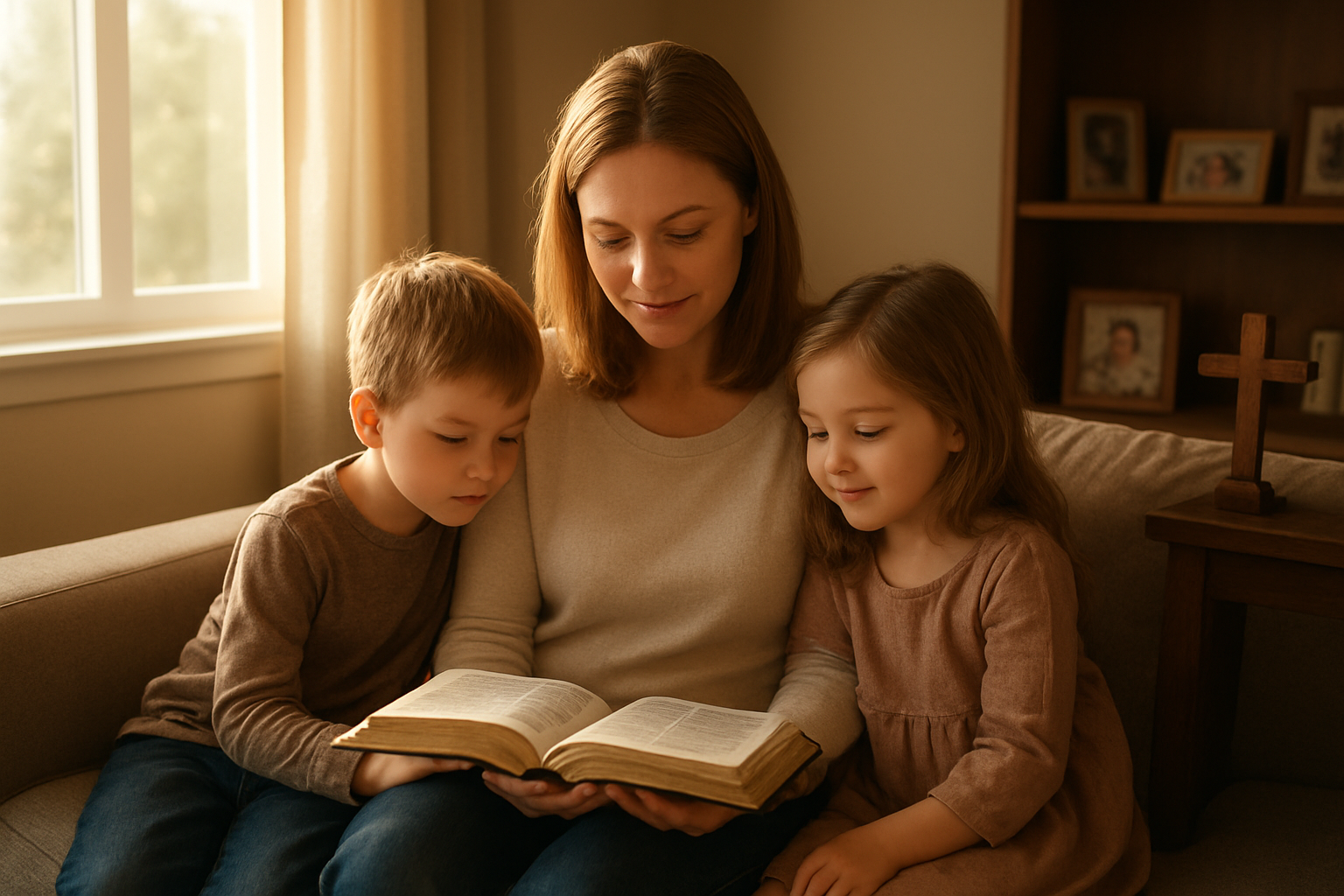
Motherhood becomes truly fulfilling when we align our hearts with God's beautiful design for raising children. The biblical foundations we've explored show us that godly mothering isn't about perfection—it's about faithfully pointing our children toward Christ while trusting God to work in their hearts. When we focus on cultivating character over achievements and lean on faith during the tough moments, we create homes where His love can flourish.
The legacy you're building today will ripple through generations to come. Your children are watching how you handle struggles with grace, how you pray through difficulties, and how you celebrate God's goodness in everyday moments. Take heart in knowing that every prayer you whisper over your sleeping child, every gentle correction given in love, and every moment you choose faith over fear is an investment in eternity. Trust that God sees your efforts and will bless your faithful commitment to raising children who know and love Him.


Comments
Post a Comment