A Christian Perspective on Mother's Day
.png)
Mother's Day takes on deeper meaning when viewed through the lens of faith. This guide explores a Christian Mother's Day perspective for believers, church communities, and families wanting to celebrate with biblical purpose.
Many Christians wonder how to honor mothers while staying true to their faith values. The Bible offers rich guidance on motherhood's sacred role and our calling to honor those who nurture us.
We'll examine the biblical foundation of motherhood and God's design for this calling. You'll discover how honoring mothers connects to biblical commands and spiritual growth. We'll also address finding hope during difficult Mother's Day seasons and celebrate the many ways God uses motherly love in our lives.
Biblical Foundation of Motherhood and Its Sacred Purpose
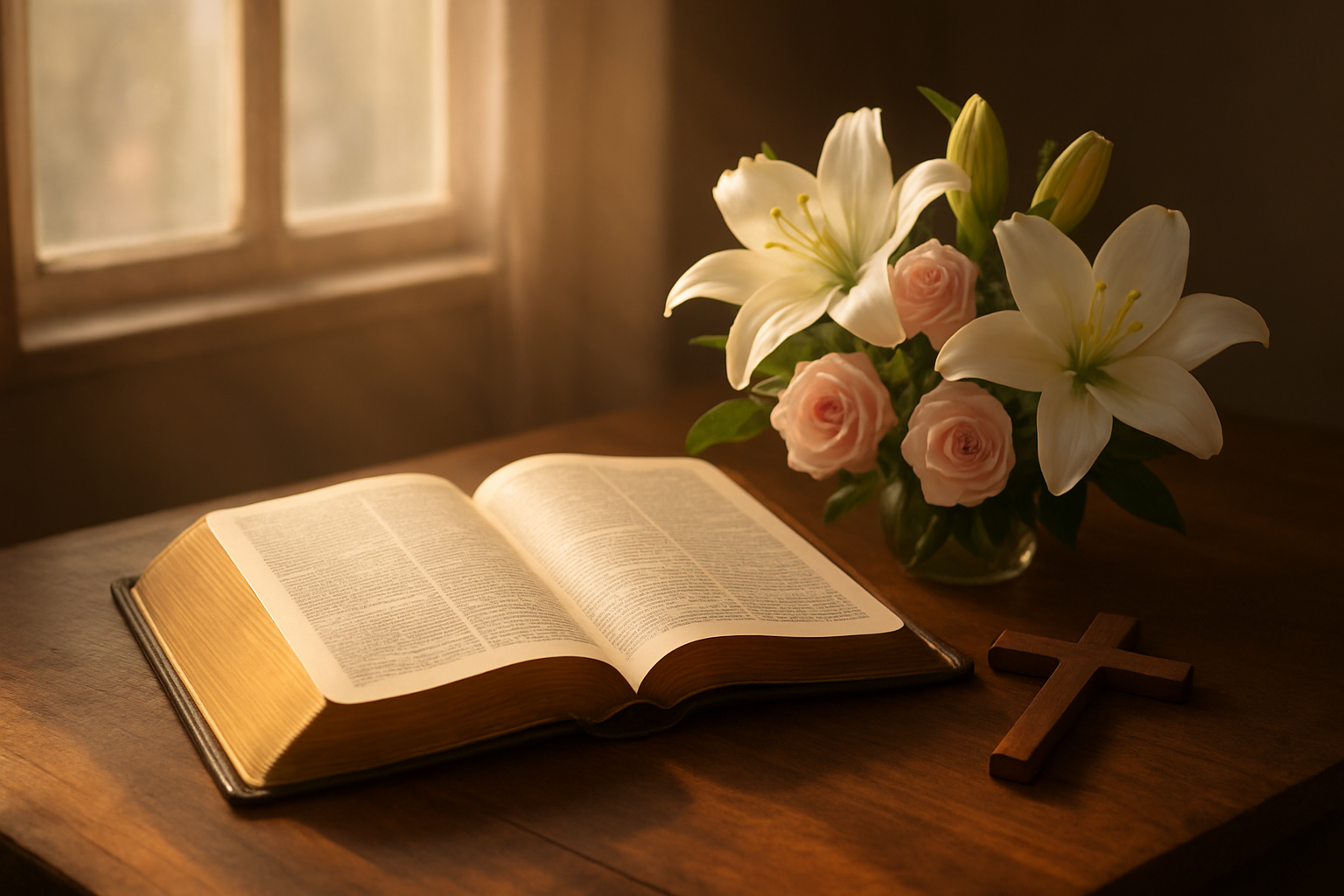
God's Design for Mothers as Nurturers and Life-Givers
From the very beginning, God established a profound connection between women and the gift of life. When Eve became "the mother of all living" (Genesis 3:20), she embodied God's intentional design for women to carry within them the miraculous ability to create and nurture new life. This sacred calling reflects the Creator's own nature—He who breathes life into existence and sustains all creation.
The nurturing heart God places within mothers mirrors His own tender care for His children. Just as God gathers His people "as a hen gathers her chicks under her wings" (Matthew 23:37), mothers instinctively protect, comfort, and provide for their children. This maternal instinct isn't merely biological; it's a divine imprint that reflects God's character of compassion, patience, and unconditional love.
Scripture reveals that motherhood serves as one of God's most powerful illustrations of His relationship with humanity. Isaiah 66:13 declares, "As a mother comforts her child, so will I comfort you," drawing a direct parallel between maternal love and divine love. This comparison isn't coincidental—God designed motherhood to be a living testament to His unwavering care and devotion.
The sacred purpose of biblical motherhood extends beyond physical birth to spiritual nurturing. Mothers shape hearts, plant seeds of faith, and create environments where children can flourish both naturally and spiritually.
Examples of Godly Mothers in Scripture Who Shaped History
Scripture presents remarkable women whose faithful motherhood left indelible marks on God's redemptive story. These biblical women mothers demonstrate how maternal influence can shape nations, preserve faith, and advance God's purposes across generations.
Hannah stands as a beautiful example of surrendered motherhood. Despite years of barrenness and heartache, she poured out her soul to God and promised to dedicate her child to divine service. When Samuel was born, Hannah kept her vow, raising him to know and serve the Lord before presenting him to Eli at the temple. Her song of praise (1 Samuel 2:1-10) reveals a mother who understood that children are gifts from God, entrusted to parents for His glory.
Jochebed, Moses' mother, displayed extraordinary courage and faith. Faced with Pharaoh's decree to kill Hebrew male babies, she hid Moses for three months and then crafted a plan that would preserve his life while positioning him in Pharaoh's household. Her quick thinking and unwavering trust in God's protection saved the future deliverer of Israel.
The Proverbs 31 woman exemplifies biblical motherhood in action. She rises early, works diligently, speaks with wisdom, and watches over her household. Her children call her blessed because she has modeled godly character, work ethic, and faith. She teaches through both words and example, creating a legacy that extends far beyond her own lifetime.
Mary, the mother of Jesus, represents the ultimate example of faithful submission to God's will. Her response, "Let it be unto me according to your word" (Luke 1:38), shows a heart fully surrendered to divine purpose, even when the path seemed impossible to understand.
The Role of Mothers in Raising Children According to Biblical Principles
Biblical motherhood involves far more than meeting physical needs—it encompasses the spiritual formation and character development of the next generation. Deuteronomy 6:6-7 establishes the foundation: "These commandments that I give you today are to be on your hearts. Impress them on your children. Talk about them when you sit at home and when you walk along the road, when you lie down and when you get up."
Mothers serve as primary disciplers in their homes, weaving faith into everyday moments. Whether preparing meals, tucking children into bed, or addressing conflicts between siblings, godly mothers look for opportunities to point their children toward biblical truth and godly character.
Proverbs emphasizes the mother's role in teaching wisdom and instruction. "Listen, my son, to your father's instruction and do not forsake your mother's teaching" (Proverbs 1:8). This partnership between parents creates a comprehensive approach to child-rearing that addresses both correction and nurture, strength and tenderness.
The biblical foundation of motherhood also includes training children in practical righteousness. Timothy's faith was nurtured through the sincere faith of his mother Eunice and grandmother Lois (2 Timothy 1:5). This multi-generational approach to spiritual formation shows how faithful mothers invest not only in their immediate children but in future generations.
Christian motherhood requires balancing grace and truth, offering unconditional love while maintaining biblical standards. Like God Himself, mothers must learn to discipline in love, correct with gentleness, and guide with wisdom, always pointing their children toward their heavenly Father's perfect love and holy character.
Honoring Mothers as a Biblical Command and Spiritual Practice
.png)
Understanding the Fifth Commandment's Call to Honor Parents
The fifth commandment in Exodus 20:12 stands as one of the most direct biblical commands regarding family relationships: "Honor your father and your mother, so that you may live long in the land the Lord your God is giving you." This commandment carries special weight because it's the first command that comes with a promise attached to it. When we think about honoring mothers Bible teachings, this commandment serves as the foundation for our Christian Mother's Day celebrations.
The Hebrew word "kabed" translated as "honor" means to give weight, importance, or glory to someone. It's not just about superficial respect - it's about recognizing the significant role mothers play in God's plan for families. This command doesn't come with age restrictions or conditions about whether our mothers were perfect. The call to honor remains constant because it reflects how God designed family structures to work.
Practical Ways to Show Respect and Gratitude to Mothers
Living out the biblical foundation of motherhood in our daily lives means moving beyond once-a-year gestures to consistent acts of honor. Simple actions like regular phone calls, listening without judgment, and asking for advice show genuine respect. When mothers age, honoring them might mean helping with practical needs or making difficult decisions together with patience and love.
Consider these meaningful ways to honor mothers:
-
Speak life into their hearts through words of affirmation and gratitude
-
Share family stories that highlight their positive influence
-
Pray for and with them regularly
-
Include them in decision-making when appropriate
-
Create new traditions that celebrate their unique contributions
-
Write letters expressing specific ways they've shaped your faith journey
The goal isn't perfection but consistency in showing that their investment in your life continues to bear fruit.
Celebrating Motherhood Without Falling into Secular Materialism
Christian mother's celebration differs from secular approaches by focusing on eternal values rather than temporary gifts. While flowers and cards aren't wrong, the heart behind Mother's Day should reflect kingdom priorities. Instead of expensive presents, consider gifts that strengthen faith and motherhood connections.
Create photo albums filled with scripture verses that remind her of God's faithfulness through different seasons. Cook her favorite meal while sharing stories about how her cooking brought your family together. Plant a garden together that you can tend throughout the year, symbolizing how her nurturing continues to help your family grow.
The spiritual significance Mother's Day holds comes from recognizing mothers as partners with God in the sacred work of raising children and building families. This perspective shifts our focus from what we can buy to how we can bless.
Extending Honor to Spiritual Mothers and Mentors in Faith
Biblical women mothers like Naomi, Elizabeth, and the Proverbs 31 woman remind us that motherhood extends beyond biological relationships. Many women have shaped our spiritual lives through mentoring, teaching, and modeling godly character. These spiritual mothers deserve recognition during our Christian family bonds Mother's Day celebrations.
Consider honoring:
| Type of Spiritual Mother | Ways to Honor |
|---|---|
| Sunday School Teachers | Write notes sharing how their lessons impacted your faith |
| Mentors | Take them to lunch and update them on your spiritual growth |
| Older Women in Church | Ask them to share their wisdom and life experiences |
| Foster/Adoptive Mothers | Acknowledge their sacrificial love publicly |
| Childless Women Who Nurture Others | Recognize their maternal hearts and investments |
The Mother's Day faith perspective reminds us that God uses many women to fulfill maternal roles in our lives. Recognizing these relationships honors God's design for intergenerational relationships within the body of Christ. When we expand our definition of motherhood to include these spiritual relationships, we create opportunities for deeper community connections and mutual encouragement that last far beyond a single day of celebration.
Finding Hope and Healing for Those Struggling on Mother's Day
.png)
Comfort for Women Who Have Lost Children or Cannot Conceive
The empty chair at the dinner table speaks louder than any greeting card ever could. For women who have lost children or struggle with infertility, Mother's Day can feel like a painful reminder of what's missing rather than a celebration. The Bible acknowledges this deep pain – Hannah's tears over her barrenness moved God's heart, and David mourned the loss of his child with raw honesty.
Your grief is valid, and God sees every tear you've shed. The empty nursery, the unused baby clothes, the silence where laughter should be – these are sacred spaces of sorrow that God honors. Remember that motherhood isn't defined solely by biological children. Your capacity to love, nurture, and care extends far beyond traditional boundaries.
Scripture reminds us that God "heals the brokenhearted and binds up their wounds" (Psalm 147:3). Your pain doesn't disqualify you from experiencing God's comfort or finding purpose in your season of waiting or loss. Many women have found healing through mentoring younger women, volunteering with children, or supporting other families facing similar struggles.
Consider creating new Mother's Day traditions that honor your unique journey – perhaps visiting a special place that brings peace, supporting pregnancy crisis centers, or spending time with others who understand your path. Your story of faith through suffering can become a beacon of hope for others walking similar roads.
Support for Those Who Have Difficult Relationships with Their Mothers
Not every mother-daughter relationship fits the greeting card picture. Some mothers struggled with addiction, mental illness, or simply weren't equipped to provide the love and security their children needed. Others may have been absent entirely. If this describes your experience, Mother's Day can trigger feelings of anger, sadness, or confusion about how to navigate this complex relationship.
The biblical command to "honor your father and mother" doesn't mean pretending dysfunction was healthy or that abuse was acceptable. Honor can look different when relationships are complicated. Sometimes it means setting healthy boundaries while still acknowledging the good that existed. Other times it might mean praying for healing and forgiveness – not for their sake, but for your own freedom.
God understands broken family relationships. Jesus himself experienced rejection and misunderstanding from those closest to him. You can honor the biblical principle while protecting your emotional well-being. This might mean sending a simple card instead of visiting, choosing gratitude for specific positive memories while acknowledging the pain, or even deciding that distance is the healthiest choice.
Your worth isn't determined by your mother's ability to love you well. God's love fills the gaps that human relationships leave empty. Many have found healing through counseling, support groups, or connecting with mentor figures who model healthy maternal love. Remember that breaking cycles of dysfunction takes courage and is itself an act of honoring what family relationships should be.
Grace for Single Mothers Carrying Heavy Burdens Alone
Single motherhood often means being everything to your children – provider, protector, comforter, and disciplinarian all wrapped into one exhausted person. The weight of making every decision alone while managing finances, schedules, and bedtime battles can feel overwhelming. Society sometimes adds judgment to an already challenging situation, making you question if you're enough.
The Bible is filled with stories of single mothers who raised remarkable children. Hagar raised Ishmael with God's provision in the wilderness. The widow of Zarephath trusted God's supply through Elijah. These women teach us that God sees single mothers and provides for their needs in unexpected ways.
Your daily sacrifice doesn't go unnoticed by God. Every morning you get up and face another day of sole responsibility demonstrates incredible strength. The exhaustion you feel after juggling work, homework help, and household management is evidence of your dedication, not failure. Your children are learning resilience, independence, and determination simply by watching you persist.
Building a support network becomes crucial for your wellbeing and your children's development. Many churches offer single parent ministries, childcare swaps, or practical help like meal trains. Don't hesitate to accept assistance – it teaches your children both humility and community values.
Remember that you're modeling strength and faith for your children. They're learning that families come in different shapes and that love, commitment, and trust in God matter more than having two parents under one roof. Your family is complete as it is, blessed and watched over by a heavenly Father who never leaves or forsakes you.
Healing for Mothers Who Feel They Have Failed Their Children
The weight of maternal guilt can crush even the strongest women. Maybe you lost your temper more than you'd like to admit. Perhaps work demands kept you from school events you wanted to attend. Your teenager made choices that broke your heart despite your best efforts. The gap between the mother you wanted to be and the mother you feel you've been seems impossibly wide.
Perfect mothers exist only in imagination. Even biblical mothers faced challenges – Rebekah showed favoritism between her sons, and Sarah's jealousy created family conflict. These women weren't perfect, yet God worked through their imperfect families to accomplish his purposes. Your mistakes don't disqualify you from being a good mother or receiving God's grace.
Children are remarkably resilient and forgiving. The love you've shown, even imperfectly, creates lasting bonds that mistakes cannot break. Your willingness to acknowledge where you've fallen short actually models humility and growth for your children. Apologizing when you're wrong teaches them that everyone makes mistakes and that relationships can heal.
God's grace covers parenting failures just as completely as any other sin. Your children need to see a real mother who struggles, fails sometimes, but keeps getting back up and trying again. This authenticity often means more to them than perfection ever could.
Focus on moving forward rather than dwelling on past regrets. Make amends where possible, change patterns that aren't working, and trust that God can redeem even your parenting mistakes for good. Many adult children look back with appreciation for mothers who weren't perfect but were real, present, and loving in their own imperfect ways.
Celebrating All Forms of Motherly Love Through Christian Eyes
Recognizing Adoptive and Foster Mothers as Instruments of God's Love
Adoptive and foster mothers embody one of the most beautiful reflections of God's heart for humanity. Just as God adopted us into His family through Christ, these incredible women open their hearts and homes to children who need love, stability, and belonging. The biblical foundation of motherhood extends far beyond biological connections, rooting itself in the intentional choice to love, nurture, and guide young lives.
Scripture celebrates this form of motherhood through stories like Pharaoh's daughter adopting Moses, demonstrating how God works through willing hearts to fulfill His purposes. Adoptive mothers often face unique challenges - navigating complex emotions, building trust with children who may have experienced trauma, and creating new family traditions. Yet their commitment mirrors the unconditional love God shows us daily.
Foster mothers deserve special recognition for their courage in caring for children during uncertain seasons. They provide stability when everything else feels chaotic, offering safety and love without knowing how long these precious relationships will last. Many foster mothers have shared how their Christian Mother's Day celebrations focus on gratitude for every moment they're entrusted with these children, viewing their role as a sacred calling to be God's hands and feet in vulnerable young lives.
Honoring Grandmothers and Spiritual Mentors Who Shape Lives
Grandmothers hold a special place in biblical motherhood, often serving as the spiritual backbone of families for generations. The Bible speaks powerfully about generational faith, particularly highlighting women like Lois and Eunice, who passed down their sincere faith to Timothy. These women understood that mothering doesn't end when children become adults - it transforms into wisdom-sharing, prayer covering, and spiritual guidance.
Many grandmothers become primary caregivers, stepping into active parenting roles later in life. They bring decades of wisdom, patience earned through experience, and often a deeper spiritual perspective that comes with age. Their prayers have sustained countless families through difficult seasons, and their homes become sanctuaries where grandchildren learn about faith, family history, and unconditional love.
Spiritual mentors - whether teachers, church leaders, or family friends - also deserve recognition during our Christian mother's celebration. These women may never have biological children, yet they pour maternal love into countless lives. They see potential where others see problems, offer guidance during crucial decision-making moments, and provide the steady presence young people need to flourish. Their influence often spans decades, shaping character and faith in ways that ripple through generations.
Appreciating Women Who Pour Maternal Love into Their Communities
Community mothers come in many forms - teachers who stay after hours to help struggling students, neighbors who provide safe spaces for children to play, church volunteers who lead children's ministries, and women who mentor teens navigating difficult circumstances. These women embody the faith and motherhood connection by extending their nurturing hearts beyond their own families.
Some women feel called to childless seasons, using their maternal instincts to serve in orphanages, lead youth groups, or support single mothers in their communities. Others channel their nurturing gifts into caring for elderly community members, treating them with the same tenderness they'd show their own parents. The spiritual significance Mother's Day takes on new meaning when we recognize how broadly God distributes maternal hearts throughout our communities.
Women who work in pediatric healthcare, social work, education, and ministry often describe their work as more than career choices - they're expressions of God-given maternal instincts. They celebrate when children succeed, grieve when families struggle, and advocate fiercely for those who can't speak for themselves. Their dedication reminds us that motherhood isn't limited by biology but flows from hearts that choose to love, protect, and nurture wherever they find the opportunity.
Using Mother's Day to Strengthen Your Faith and Family Bonds
Creating Meaningful Traditions That Point to God's Love
Christian Mother's Day celebrations become more powerful when they connect earthly love with God's eternal love. Start a family tradition of reading Proverbs 31:10-31 together each Mother's Day morning, discussing how the virtues described reflect God's character. Create a "Blessing Journal" where family members write specific ways they've seen God's love demonstrated through their mother throughout the year.
Consider establishing a service tradition where families volunteer together at local shelters or nursing homes on Mother's Day weekend. This practice teaches children that honoring mothers extends beyond their own family to caring for all mothers in the community. Many families find deep meaning in planting a garden together, symbolizing how mothers nurture growth just as God tends to His children.
Prayer walks around your neighborhood while thanking God for mothers can become a cherished annual ritual. During these walks, pray for single mothers, grieving mothers, and those longing for children. This broadens the Christian Mother's Day celebration beyond personal gratitude to community intercession.
Teaching Children to Value and Respect Motherhood
Children learn to honor mothers Bible-style through consistent modeling and intentional teaching. Start with simple acts like having children write thank-you notes to their mother, grandmother, and other maternal figures, expressing specific gratitudes rather than generic sentiments. Teach them the biblical foundation of motherhood by sharing stories of Sarah, Hannah, Mary, and other faithful mothers from Scripture.
Role-playing exercises help children understand the challenges mothers face. Have them "walk in mom's shoes" for an hour, handling household responsibilities while maintaining patience and kindness. This experiential learning builds empathy and appreciation for daily sacrificial love.
Create age-appropriate chores and responsibilities that contribute to family life, teaching children that honoring mothers means sharing the load, not just saying nice words. When conflicts arise, guide children through biblical conflict resolution, emphasizing forgiveness and understanding rather than winning arguments.
Building Stronger Relationships Through Forgiveness and Understanding
Mother's Day provides a natural opportunity to address unresolved tensions within families through a Christian lens. Start honest conversations about past hurts, approaching them with grace and mercy as Christ demonstrated. Many adult children struggle with complicated relationships with their mothers, and this holiday can either deepen wounds or begin healing.
Practice the biblical principle of bearing one another's burdens by acknowledging that mothers are imperfect people who did their best with the resources, knowledge, and emotional capacity they possessed. This doesn't minimize pain or excuse harmful behavior, but it opens doors for redemptive conversations.
Establish family meetings where members can share appreciation and address concerns in a safe, loving environment. Use Matthew 18:15-17 as a framework for working through conflicts, always prioritizing restoration over being right. Sometimes forgiveness begins with understanding your mother's own childhood experiences and the generational patterns that shaped her parenting.
For families dealing with loss, addiction, or estrangement, Mother's Day can strengthen faith and family bonds by focusing on God's redemptive power. Pray together for healing, wisdom, and the courage to take steps toward reconciliation when possible and healthy.
.png)
Motherhood holds a special place in God's design, and Mother's Day gives us a beautiful chance to recognize the sacred calling that mothers embrace every day. From the biblical examples of faithful women to the everyday heroes raising children with love and grace, we see how God works through mothers to shape hearts and nurture faith. This day also reminds us that motherly love comes in many forms - whether through biological mothers, adoptive parents, mentors, or spiritual mothers who guide us in our faith journey.
For those who find Mother's Day difficult due to loss, infertility, or strained relationships, remember that God's love surrounds you and your pain is not forgotten. Use this season to strengthen your connection with your family and your faith, whether that means reaching out to your own mother, supporting someone who needs encouragement, or simply taking time to thank God for the women who have shaped your life. Let Mother's Day become more than just a holiday - make it a time to celebrate God's gift of nurturing love and to honor the women who reflect His heart in their daily acts of care and sacrifice.


Comments
Post a Comment