Lessons from Sarah in the Bible

Sarah's story in the Bible offers powerful lessons that speak directly to modern women facing real-life struggles with faith, relationships, and motherhood. Her journey from barrenness to becoming the mother of nations reveals timeless biblical lessons from Sarah that remain relevant today.
This Bible character study Sarah is perfect for women who want to deepen their faith while learning practical wisdom for daily challenges. Whether you're waiting for God's promises to unfold, dealing with marriage difficulties, or struggling with comparison and jealousy, Sarah's experiences offer hope and guidance.
We'll explore how Sarah's faith journey teaches us to trust God's timing even during decades-long waits. You'll discover biblical marriage wisdom from her relationship with Abraham and learn how she handled the complexities of motherhood later in life. Most importantly, we'll see how her legacy continues to inspire biblical women today, showing us that our struggles can become stepping stones to greater faith and purpose.
Trust God's Timing Despite Long Waits

Embrace Patience When Promises Seem Delayed
Sarah's journey teaches us that God's promises don't always unfold on our timeline. When God promised Abraham that he would become the father of many nations, Sarah was already well past childbearing years by ancient standards. Yet she waited decades for this promise to materialize. Her story shows us that divine timing often requires extraordinary patience.
The gap between promise and fulfillment can test even the strongest faith. Sarah experienced years of monthly disappointments, watching other women bear children while her womb remained barren. This waiting period wasn't empty time—it was preparation. God was working behind the scenes, orchestrating circumstances that would make Isaac's birth undeniably miraculous.
When promises seem delayed, we learn to distinguish between God's silence and His absence. Sarah discovered that delayed doesn't mean denied. The promise was real; the timing was divine.
Avoid Forcing Solutions Through Human Effort
Sarah's attempt to fulfill God's promise through Hagar reveals a common human tendency: taking matters into our own hands when God seems slow to act. This decision, though culturally acceptable in her time, created complications that rippled through generations.
Her choice to give Hagar to Abraham as a surrogate demonstrates how human solutions often complicate divine plans. What seemed like a practical approach to childlessness became a source of household tension and eventual heartbreak. Ishmael's birth through Hagar didn't fulfill the specific promise God had made about Sarah herself bearing a child.
We often mirror Sarah's impatience when facing our own waiting seasons. The temptation to manufacture outcomes through our own schemes can be overwhelming. Yet Sarah's experience reminds us that human effort cannot replace divine intervention. Our shortcuts frequently create more problems than they solve.
Find Peace in God's Perfect Scheduling
Sarah eventually learned that God's timing serves purposes beyond our understanding. Isaac's birth at the exact moment God intended accomplished something no earlier birth could have achieved—it demonstrated God's supernatural power over nature itself.
God's perfect scheduling often involves factors we cannot see. Sarah's advanced age made Isaac's conception impossible by natural means, which magnified God's glory. Had Isaac been born when Sarah was younger, observers might have attributed it to natural fertility rather than divine intervention.
The years of waiting also prepared Sarah's heart for motherhood in ways an earlier pregnancy might not have. Her joy at Isaac's birth was intensified by the long journey of faith that preceded it. She understood more deeply that this child was a gift from God, not merely the result of biological processes.
Maintain Hope During Seasons of Waiting
Sarah's laughter when she first heard the promise of Isaac reveals her initial skepticism, but her later joy shows how hope can be restored even after seasons of doubt. Her story encourages us to hold onto hope even when circumstances suggest impossibility.
During extended waiting periods, hope requires intentional cultivation. Sarah had to choose daily whether to believe God's promise or surrender to despair. Some days were probably easier than others, but her persistence through decades of waiting demonstrates remarkable spiritual endurance.
Hope during waiting seasons looks different from wishful thinking. Sarah's hope was anchored in God's character and promises, not in her circumstances. Even when her body told her one story, she learned to trust that God could write a different ending. This kind of hope sustains us through our own seasons of delay and uncertainty.
Navigate Marital Challenges with Wisdom

Support your spouse's calling and purpose
Sarah demonstrated remarkable partnership when she followed Abraham from their comfortable life in Haran to an unknown destination, simply because God had called her husband to go. This wasn't just about physical relocation – she was supporting a divine calling that would reshape their entire lives. Her willingness to leave behind family, friends, and familiar surroundings shows us what true spousal support looks like.
Biblical marriage wisdom teaches us that when we marry, we don't just join our lives together; we also embrace each other's God-given purposes. Sarah could have resisted, complained, or made Abraham choose between his calling and their marriage. Instead, she became an active participant in God's plan. This doesn't mean losing your own identity or dreams, but rather finding ways to align your life with your spouse's divine assignment while pursuing your own calling alongside theirs.
Modern couples can learn from Sarah's example by having honest conversations about each other's dreams, goals, and sense of purpose. When one spouse feels called to a new career, ministry, or life direction, the other can choose to be a source of encouragement rather than resistance.
Communicate openly about fears and concerns
Sarah's faith journey wasn't without moments of doubt and fear. When she laughed at the promise of having a child in her old age, she revealed her human struggles with believing God's promises. Rather than keeping these doubts buried, she expressed them – even if imperfectly. This teaches us that healthy marriages require space for vulnerability and honest conversation about our deepest concerns.
Throughout their journey, Sarah and Abraham faced numerous challenges that required open dialogue. From decisions about where to settle, to navigating interactions with foreign rulers, to handling family dynamics with Lot, their relationship demanded constant communication. The biblical account shows us that even when their conversations weren't perfect, they continued to engage with each other about their fears and hopes.
Couples today can practice this by creating safe spaces to share their worries without judgment. Whether facing financial pressures, parenting challenges, or major life transitions, following Sarah's example means refusing to suffer in silence. Open communication builds trust and allows both partners to support each other through difficult seasons.
Work together through difficult decisions
Perhaps the most challenging decision Sarah and Abraham faced together was regarding Hagar and Ishmael. While their handling of this situation wasn't perfect, it shows us how couples must navigate complex decisions that affect their entire household. Sarah and Abraham had to work through jealousy, family dynamics, and competing loyalties while trying to honor God's plan.
The Sarah Abraham story reveals that difficult decisions often don't have clear-cut answers. When facing their dilemma with Hagar, they had to consider God's promises, their current circumstances, and the well-being of everyone involved. This required multiple conversations, prayer, and ultimately making tough choices together as a unit.
Every marriage faces decisions that test the partnership: career changes, where to live, how to handle extended family, financial choices, or parenting decisions. Sarah and Abraham's example reminds us that we don't have to figure everything out perfectly, but we do need to face these challenges as a team. This means listening to each other's perspectives, seeking wisdom together, and being willing to make hard choices when necessary. Their story shows us that even imperfect decisions made together in faith can still be part of God's greater plan.
Overcome Jealousy and Comparison
.png)
Recognize when envy damages relationships
Sarah's story reveals how jealousy can poison even the closest relationships. When her servant Hagar conceived Abraham's child, Sarah's envy transformed her from a gracious mistress into a harsh taskmaster. The biblical lessons from Sarah show us that jealousy doesn't just hurt the person we envy—it changes who we are at our core.
Jealousy acts like acid, eating away at trust and compassion. Sarah began treating Hagar so badly that the pregnant woman fled into the wilderness. What started as Sarah's personal struggle with infertility became a toxic dynamic that affected everyone in their household. We see this same pattern today when comparison drives us to undermine others' success or happiness.
The damage extends beyond the immediate relationship. Sarah's jealousy created generational conflict between Isaac and Ishmael that echoes through history. When we let envy control our actions, we often hurt innocent people—children, friends, and extended family members who get caught in the crossfire.
Address root causes of insecurity
Sarah's jealousy stemmed from deeper wounds than simple competition with Hagar. Her primary insecurity came from feeling like God had forgotten her promise. For decades, she had waited to become a mother while watching other women bear children effortlessly. This prolonged disappointment created fertile ground for comparison and resentment.
Sarah's faith journey teaches us that unaddressed insecurity always finds an outlet. When we don't deal with our core fears—whether it's feeling unloved, unsuccessful, or overlooked—these feelings inevitably surface in our relationships with others. Sarah's real issue wasn't Hagar's pregnancy; it was her own sense of being abandoned by God.
The root of most jealousy is fear. Fear that we're not enough, that others have what we'll never get, or that God loves them more than us. Sarah feared she would never experience the joy of motherhood, never fulfill her destiny as the mother of nations. Instead of bringing these fears to God, she projected them onto Hagar.
Choose contentment over competition
Despite her struggles with jealousy, Sarah eventually learned to find peace in God's plan. The biblical marriage wisdom we gain from her story includes choosing gratitude over comparison. When Isaac was finally born, Sarah's response was laughter and joy—not bitterness about the delay.
Contentment doesn't mean settling for less; it means trusting that God's timing and methods are perfect. Sarah could have spent Isaac's childhood resenting the years she missed, but instead she embraced the present moment. Her declaration that "God has brought me laughter" shows a heart that had moved from competition to celebration.
The key to overcoming jealousy Bible style is shifting our focus from what others have to what God has given us. Sarah stopped measuring her worth by Hagar's circumstances and started celebrating her own unique journey. This mindset change transformed her from a bitter rival into a woman of joy.
| Comparison Mindset | Contentment Mindset |
|---|---|
| Why don't I have what they have? | What has God given me to celebrate? |
| Life is unfair to me | God's timing is perfect |
| They don't deserve their blessings | I can rejoice with others |
| I'm missing out | My journey is unique and valuable |
Restore broken relationships through humility
The most challenging aspect of Sarah's story involves her relationship with Hagar after Isaac's birth. While the Bible doesn't record a full reconciliation, it does show us principles for restoring relationships damaged by jealousy. Sarah had to acknowledge that her treatment of Hagar was wrong, even if cultural norms of her time didn't require it.
Restoring relationships after jealousy requires brutal honesty about our own behavior. Sarah couldn't blame her actions entirely on circumstances or emotions. She made choices that hurt another person, and healing required owning those choices. The Sarah Abraham story demonstrates that even people of great faith can act badly when jealousy takes control.
Humility means releasing our need to justify our past actions and focusing instead on making things right. Sometimes restoration looks like a heartfelt apology. Other times it means changing our behavior going forward or giving someone space to heal. The goal isn't to eliminate all consequences but to demonstrate genuine change.
True restoration also requires releasing our grip on past hurts. Just as Sarah had to forgive Hagar for having what she wanted, we must forgive others for their blessings, successes, or advantages. This doesn't excuse any wrong they may have done, but it frees us from the prison of ongoing resentment.
Handle Motherhood Changes Gracefully
.png)
Adapt to unexpected life transitions
Sarah's story teaches us that motherhood rarely unfolds according to our carefully laid plans. At 90 years old, she experienced the shock of her life when she conceived Isaac after decades of barrenness. This dramatic shift from childless woman to new mother required tremendous adaptability and courage.
Modern mothers can learn from Sarah's example of embracing unexpected changes. Whether facing surprise pregnancies, special needs children, or major family relocations, life often throws curveballs that demand flexibility. Sarah didn't let her advanced age or the seemingly impossible circumstances paralyze her with fear. Instead, she moved forward with faith, adjusting her expectations and lifestyle to accommodate God's timing.
The biblical motherhood lessons from Sarah show us that adaptation doesn't mean losing our identity. She remained Abraham's wife and partner while taking on her new role as Isaac's mother. Successful transitions happen when we hold our plans lightly while trusting that unexpected changes can bring unexpected blessings.
Find joy in fulfilled promises
Sarah's laughter at Isaac's birth represents one of the most beautiful examples of joy in the Bible. Her son's name literally means "laughter," serving as a permanent reminder of the happiness that comes when God fulfills His promises. After years of disappointment and waiting, Sarah finally experienced the deep satisfaction of answered prayer.
Her reaction teaches us to celebrate fully when good things happen in our families. Too often, we're so focused on the next challenge or goal that we forget to savor the precious moments. Sarah's faith journey reminds us that recognizing and celebrating God's faithfulness strengthens our ability to trust Him in future difficulties.
The joy Sarah experienced wasn't just personal happiness—it was confirmation that God keeps His word. When we find ourselves in seasons of fulfillment, whether welcoming a new baby, watching our children reach milestones, or seeing family prayers answered, we can follow Sarah's example by expressing genuine gratitude and sharing our joy with others.
Protect your family from harmful influences
Sarah's decision to send away Hagar and Ishmael reveals her fierce protective instincts as a mother. When she observed Ishmael mocking Isaac during the weaning celebration, she immediately recognized a threat to her son's wellbeing and inheritance. Her swift action, though difficult, prioritized Isaac's safety and future.
This aspect of Sarah's character demonstrates that loving mothers sometimes make hard choices to shield their families from negative influences. Whether dealing with toxic relationships, inappropriate media exposure, or harmful peer groups, parents must be willing to set firm boundaries even when those decisions create conflict or discomfort.
Sarah's protective nature wasn't rooted in paranoia or overcontrol—she acted on legitimate concerns about her child's environment. Her example encourages modern parents to trust their instincts when something doesn't feel right, even if others don't understand or support their decisions. Sometimes protecting our families requires courage to stand against popular opinion or social pressure.
The biblical lessons from Sarah show us that healthy boundaries aren't selfish—they're necessary for creating safe spaces where families can thrive and children can develop their God-given potential without unnecessary obstacles or negative influences.
Leave a Legacy of Faith
.png)
Model unwavering belief for future generations
Sarah's faith journey became a powerful example for countless generations to follow. Her unwavering belief in God's promises, even during decades of waiting, shows us how to maintain spiritual strength during life's most challenging seasons. When you model steadfast faith like Sarah did, you're essentially creating a blueprint for others to follow when they face their own impossible circumstances.
The ripple effect of Sarah's faith extends far beyond her immediate family. Her story continues to encourage people thousands of years later, proving that one woman's spiritual journey can impact eternity. Your own faith legacy works the same way - the biblical lessons from Sarah remind us that our spiritual choices today shape the faith of our children, grandchildren, and even people we may never meet.
Demonstrate hospitality and kindness to strangers
Abraham and Sarah's famous encounter with the three visitors in Genesis 18 reveals how God honors those who show genuine hospitality. Sarah quickly prepared fresh bread for these unexpected guests, not knowing she was entertaining angels who would deliver the long-awaited promise of Isaac's birth. This biblical marriage wisdom shows how couples can work together to bless others.
Your acts of kindness toward strangers create opportunities for God to work miraculously in your life. Sarah's willingness to serve others, despite her advanced age and physical limitations, demonstrates that hospitality isn't about having perfect circumstances - it's about having an open heart.
Show how God transforms ordinary people
Sarah's transformation from a barren woman to the mother of nations illustrates God's power to turn impossible situations into extraordinary testimonies. Her faith legacy shows that God doesn't need perfect people to accomplish His purposes - He needs available people who trust His plan.
The Sarah Abraham story reveals how God takes our weaknesses, fears, and limitations and transforms them into strengths that inspire others. Your own spiritual journey, with all its ups and downs, becomes a powerful testimony when you allow God to work through your imperfections.
Inspire others through your spiritual journey
Sarah's faith journey wasn't always smooth, but her willingness to keep trusting God despite setbacks created a legacy that still inspires people today. Her moments of doubt and struggle make her story relatable, while her ultimate faith victories give others hope for their own impossible situations.
When you share your own struggles and victories honestly, you create space for others to believe that God can work in their lives too. Sarah Bible lessons teach us that transparency about our faith journey often impacts people more powerfully than trying to appear perfect.
Create lasting impact beyond your lifetime
Sarah's influence didn't end with her death - it multiplied through Isaac, Jacob, and ultimately through Jesus Christ himself. Her biblical motherhood lessons continue to guide women today as they navigate their own unique callings and challenges.
The impact of your faith legacy extends far beyond what you can see or measure in your lifetime. Just as Sarah's trust in God's timing created a nation, your faithfulness in small daily choices can create a spiritual inheritance that blesses people for generations. Your life becomes part of God's bigger story, creating lasting change in ways you may never fully understand this side of heaven.
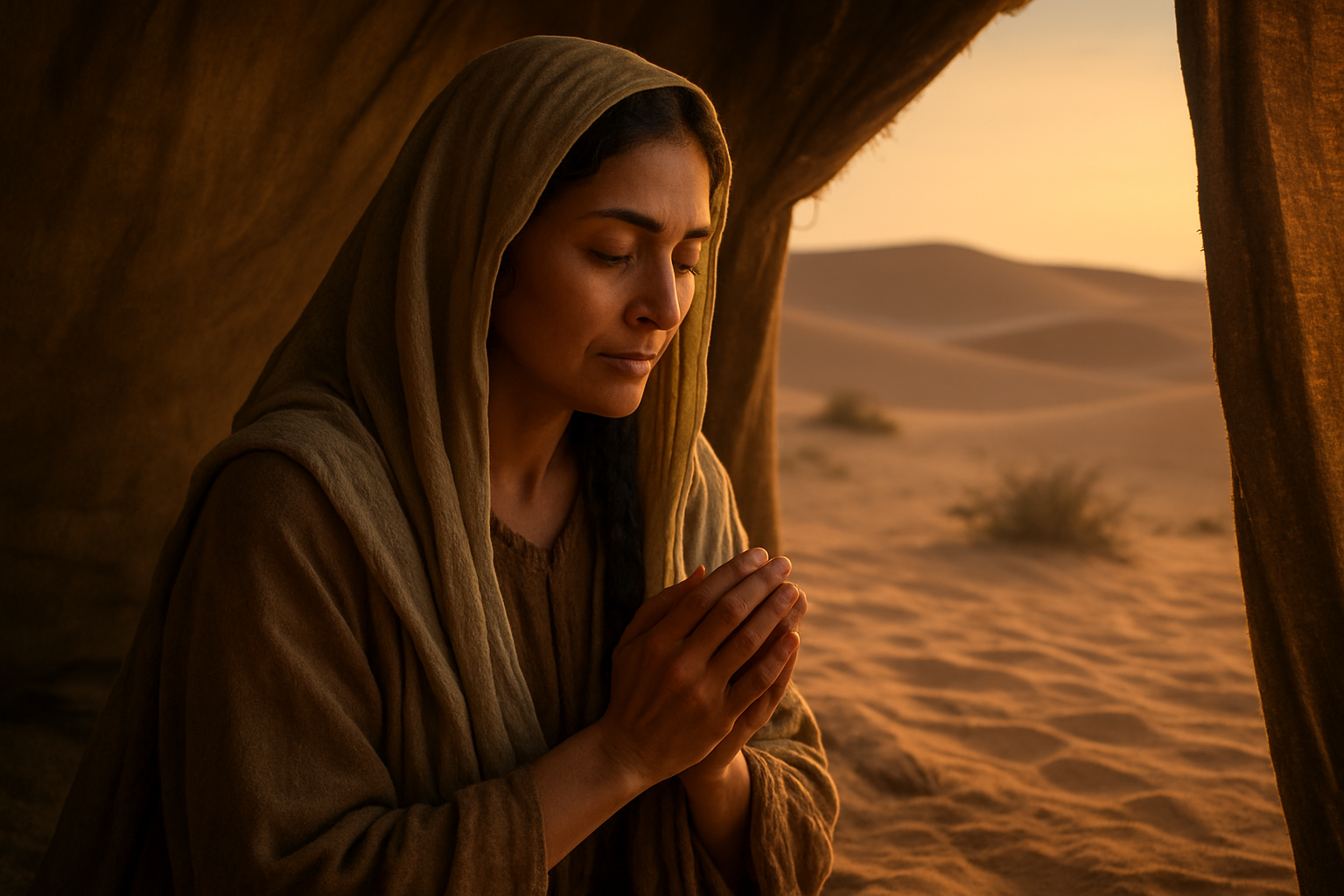
Sarah's story teaches us that God's timeline rarely matches our expectations, but His plans are always worth the wait. Her journey through years of childlessness, complex family dynamics, and personal struggles shows us how to trust when circumstances seem impossible. She learned to work through marriage difficulties, dealt with jealousy toward Hagar, and eventually embraced the incredible changes that came with becoming a mother at 90 years old.
The most powerful lesson Sarah leaves us is that our faith can outlast our doubts and fears. Her legacy reminds us that God uses ordinary people facing real problems to do extraordinary things. When you're stuck waiting for answers, dealing with relationship stress, or feeling jealous of what others have, remember Sarah's example. Trust that your story isn't over yet, and the faith you build through difficult seasons will impact generations long after you're gone.


Comments
Post a Comment