Lessons From Miriam in the Bible
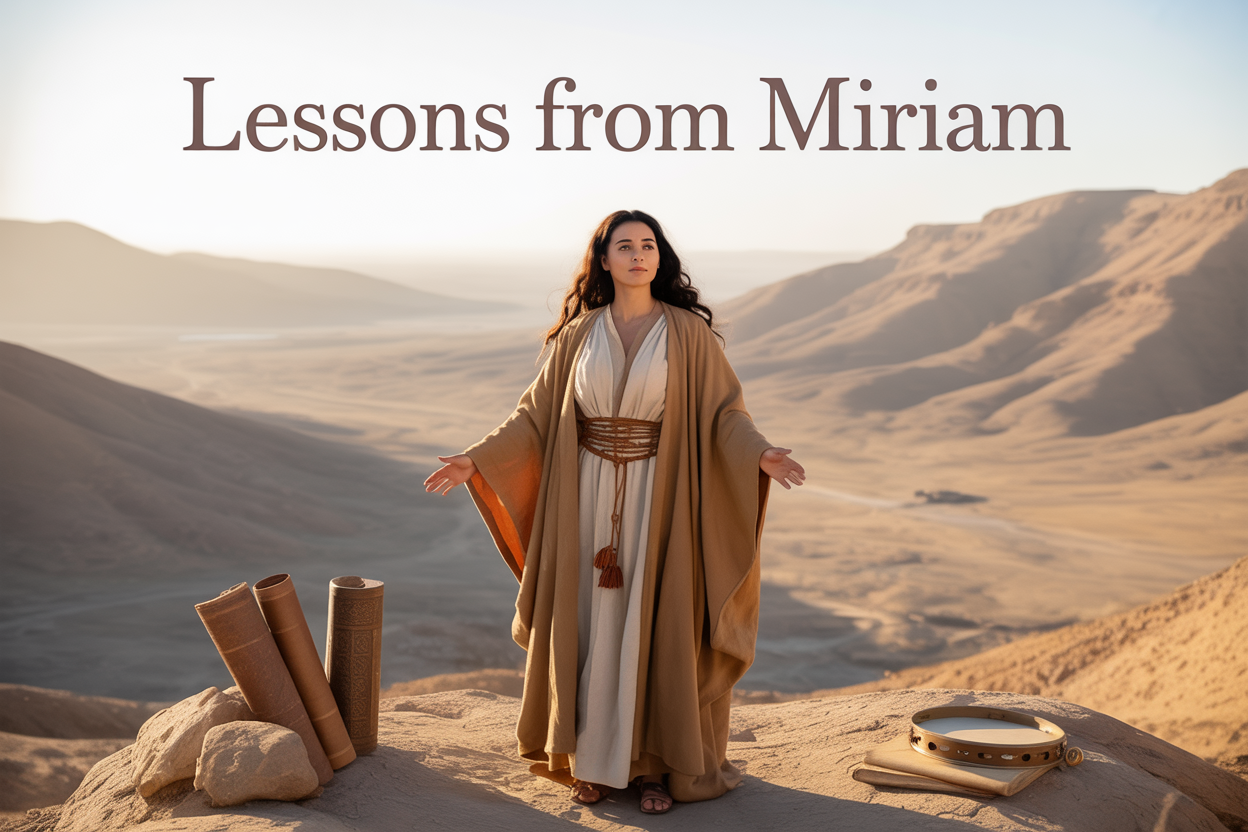
Miriam in the Bible stands as one of Scripture's most compelling examples of faith and leadership lessons that speak directly to today's challenges. For pastors, ministry leaders, and anyone seeking to grow in biblical leadership, Miriam's story offers practical wisdom for navigating both triumph and failure.
This biblical character shows us what protective leadership looks like when she courageously watched over baby Moses, risking everything to save Israel's future deliverer. Her journey teaches us how to develop unshakeable faith through life's storms, from the banks of the Nile to the wilderness wanderings.
We'll explore how Miriam transformed her biggest mistakes into ministry opportunities, turning a moment of jealousy and rebellion into deeper humility and service. You'll also discover her remarkable ability to celebrate others' success without jealousy - at least most of the time - and how her example of servant leadership created lasting influence that extended far beyond her lifetime.
These Bible women leaders like Miriam offer timeless principles for anyone called to lead, serve, or simply trust God through uncertain seasons.
Develop Unshakeable Faith Through Life's Storms

Trust God's Plan When Circumstances Seem Impossible
Miriam in the Bible faced what appeared to be an insurmountable crisis when Pharaoh ordered the death of all Hebrew male babies. Yet she demonstrated remarkable faith through storms by trusting God's timing and purpose. When her baby brother Moses was born, Miriam didn't panic or despair. Instead, she helped devise a plan that would ultimately position Moses to become Israel's greatest deliverer.
This biblical woman understood that God's plans often unfold in ways that defy human logic. The basket floating down the Nile River seemed like certain death, but Miriam recognized it as part of divine orchestration. Her unwavering confidence in God's sovereignty teaches us to look beyond immediate circumstances and trust in larger purposes we may not yet understand.
Modern believers can apply this lesson by refusing to let overwhelming situations dictate their faith. When facing financial hardship, relationship struggles, or health challenges, remember that God specializes in turning impossible situations into testimonies of His faithfulness.
Maintain Hope During Times of Uncertainty
Uncertainty dominated Miriam's early life. Living under Egyptian oppression meant never knowing what tomorrow would bring. Yet she maintained hope by focusing on God's promises rather than present problems. When watching over Moses in the river, she didn't know the outcome, but she stayed vigilant and ready to act when opportunity arose.
Biblical leadership lessons from Miriam show us that hope isn't passive optimism—it's active expectation coupled with preparedness. She positioned herself strategically, ready to intervene when Pharaoh's daughter discovered the basket. This demonstrates how hope drives us to take purposeful action even when we can't see the full picture.
Hope during uncertainty requires:
-
Remembering God's past faithfulness
-
Staying alert to unexpected opportunities
-
Taking practical steps while trusting divine outcomes
-
Surrounding yourself with others who share your faith perspective
Find Strength in Prayer and Worship
After witnessing the miraculous crossing of the Red Sea, Miriam led the Israelite women in spontaneous worship and celebration. Her prophetic song and dance weren't just emotional responses—they were acts of faith that strengthened the entire community. This moment reveals how Bible women leaders understood the power of corporate worship to build collective faith.
Miriam's worship wasn't reserved for mountain-top experiences alone. Her life pattern suggests she maintained a consistent relationship with God through both trials and triumphs. Prayer became her source of wisdom when making crucial decisions, like how to protect baby Moses. Worship became her way of processing God's mighty acts and sharing that joy with others.
Finding strength through prayer and worship means:
-
Creating regular rhythms of communion with God
-
Expressing gratitude even during difficult seasons
-
Using music and celebration to reinforce faith
-
Leading others into encounters with God's presence
Stand Firm When Others Doubt Your Beliefs
Miriam faced skepticism from multiple directions throughout her life. Egyptian authorities questioned Hebrew resistance to their decrees. Fellow Israelites sometimes doubted God's deliverance plans during wilderness wanderings. Even within her own family, tensions arose when she and Aaron challenged Moses' leadership decisions.
Yet Miriam's biblical character demonstrates the importance of standing firm in convictions while remaining teachable. When God corrected her for speaking against Moses, she accepted the discipline and learned from it. This shows maturity in faith—being confident in core beliefs while staying humble enough to receive correction when needed.
Standing firm requires:
-
Knowing the difference between non-negotiable truths and personal preferences
-
Responding to criticism with grace rather than defensiveness
-
Being willing to admit mistakes without abandoning core convictions
-
Drawing strength from God's approval rather than human validation
Faith and leadership lessons from Miriam teach us that unshakeable faith doesn't mean being inflexible or unteachable. True spiritual strength comes from being deeply rooted in God's character while remaining responsive to His ongoing guidance in our lives.
Master the Art of Protective Leadership

Shield Others From Harm Without Overstepping Boundaries
Miriam's protective instincts emerged early when she watched over baby Moses in the basket among the reeds. She didn't rush in recklessly but positioned herself strategically to observe and act when needed. This biblical leadership lesson shows us that effective protection requires both vigilance and restraint.
The key lies in understanding your role versus someone else's responsibility. Miriam knew she couldn't save Moses herself - that was Pharaoh's daughter's role to play. But she could create the conditions for success by staying alert and being ready to connect the right people at the right moment.
Modern protective leadership means:
-
Watching for genuine threats without becoming paranoid or controlling
-
Offering resources and support rather than taking over completely
-
Creating safe spaces where others can grow and make their own decisions
-
Stepping back once the immediate danger has passed
Miriam didn't hover over Moses for his entire childhood. She protected him in that crucial moment, then allowed him to develop under Pharaoh's daughter's care. This demonstrates mature leadership - knowing when your protective role should transition into something else.
Know When to Speak Up and When to Stay Silent
Timing made all the difference in Miriam's approach. When Pharaoh's daughter found Moses, Miriam didn't blurt out the truth immediately. She waited, assessed the situation, and then spoke at exactly the right moment with a carefully crafted question: "Shall I go and call a nurse for you from the Hebrew women?"
This moment teaches us that powerful communication often comes through strategic questions rather than direct statements. Miriam didn't announce "This is my brother!" Instead, she created an opening for the outcome everyone needed.
Biblical leadership lessons from Miriam's timing include:
-
Reading the room before speaking up
-
Choosing your battles wisely
-
Using questions to guide conversations toward positive outcomes
-
Staying silent when others need space to reach their own conclusions
Later in Miriam's story, we see the consequences when she spoke up at the wrong time, criticizing Moses' leadership. This contrast shows us that even strong leaders must continuously refine their judgment about when to engage and when to hold back.
Balance Courage With Wisdom in Decision Making
Miriam's actions at the Nile required enormous courage. A young Hebrew girl approaching Egyptian royalty could have faced severe punishment or death. Yet she didn't act on blind courage alone - she combined bravery with careful planning and wisdom.
She observed the princess's reaction to Moses first. When she saw compassion rather than anger, Miriam recognized her opportunity. This balance of courage and wisdom in decision making becomes essential for anyone in protective leadership roles.
Courage without wisdom leads to reckless actions that often backfire. Wisdom without courage results in missed opportunities to help others. Miriam in the Bible demonstrates how these qualities work together:
| Courage Elements | Wisdom Elements |
|---|---|
| Willingness to take risks | Careful observation |
| Speaking truth when needed | Timing conversations well |
| Stepping into uncomfortable situations | Assessing consequences |
| Protecting others despite personal cost | Understanding your limitations |
The best protective leaders develop both simultaneously. They're brave enough to act when action is needed, but wise enough to choose their methods carefully. Miriam's example shows us that effective biblical leadership lessons often come from these moments where courage and wisdom intersect perfectly.
Transform Your Mistakes Into Ministry Opportunities
Accept Responsibility for Your Actions and Words
When Miriam spoke against Moses regarding his Cushite wife, she faced God's immediate displeasure and was struck with leprosy. Her first step toward restoration involved owning her mistake completely. Rather than making excuses or blaming circumstances, biblical leadership lessons show us that true leaders acknowledge when they've crossed the line.
Miriam in the Bible demonstrates that taking responsibility means more than just admitting fault – it requires understanding the impact of your words and actions on others. She didn't minimize her criticism of Moses or claim she was misunderstood. This biblical character shows us that accountability creates the foundation for genuine healing and restoration.
Seek Forgiveness and Make Genuine Amends
Aaron's immediate plea to Moses – "Please, my lord, I ask you not to hold against us the sin we have so foolishly committed" – reveals the urgency of seeking forgiveness when relationships are damaged. Miriam's situation required both divine forgiveness and reconciliation with her brother Moses.
Making genuine amends goes beyond saying "I'm sorry." It involves understanding the depth of hurt caused and taking concrete steps to repair the damage. Moses interceded for Miriam, crying out to God, "Please, God, heal her!" This shows how authentic repentance often moves others to advocate on our behalf.
Learn From Criticism Without Becoming Defensive
The seven-day isolation period that followed Miriam's healing wasn't just punishment – it was a time for reflection and growth. During this time, she had to process not only God's correction but also the broader implications of her actions on Israel's journey.
Effective leaders learn to separate their ego from constructive feedback. Miriam's experience teaches us that defensive reactions often escalate conflicts and prevent learning. When we can receive criticism with an open heart, we position ourselves for greater wisdom and stronger leadership abilities.
Use Your Failures to Help Others Avoid Similar Pitfalls
After her restoration, Miriam continued serving alongside Moses and Aaron, but with a transformed perspective. Her experience with the consequences of speaking against God's appointed leader became a powerful lesson for future generations about the dangers of undermining authority.
The best ministry often comes from our deepest wounds and greatest failures. People facing similar struggles need to hear from someone who has walked that difficult path and emerged stronger. Miriam's story continues to teach Bible women leaders and others about the importance of supporting rather than criticizing leadership.
Rebuild Trust Through Consistent Changed Behavior
Trust rebuilding requires time and consistent demonstration of changed attitudes and actions. Miriam had to prove through her subsequent behavior that she truly learned from her mistake. The fact that she continued serving in leadership alongside Moses shows that restoration was complete and trust was rebuilt.
Servant leadership biblical principles emphasize that influence is earned through consistent character over time. Miriam's later years demonstrated the transformed heart that came from experiencing God's discipline and grace. Her commitment to changed behavior allowed her to continue making valuable contributions to Israel's journey toward the Promised Land.
Celebrate Others' Success Without Jealousy

Recognize God's Unique Calling on Each Person's Life
Miriam understood something crucial that many leaders struggle with today - God doesn't create duplicates. When Moses received the calling to lead Israel out of Egypt, Miriam could have easily questioned why she wasn't chosen for the top role. After all, she had been protecting and guiding Moses since childhood. Yet she recognized that divine assignments aren't based on human comparisons but on God's specific purposes.
Every person carries a unique fingerprint of calling that serves the bigger picture. Miriam's role as a prophetess and worship leader was equally vital to Israel's journey as Moses' role as deliverer. She didn't need to be Moses to make an impact - she needed to be fully Miriam. This biblical leadership lesson shows us that recognizing others' callings actually frees us to embrace our own purpose without the weight of comparison.
When we truly grasp this truth, jealousy becomes irrelevant. Why would you covet someone else's assignment when God has specifically designed yours for maximum kingdom impact?
Support Others Even When They Receive Greater Recognition
The real test of character comes when someone close to you receives the spotlight while you remain in the background. Miriam faced this challenge throughout her relationship with Moses. While he became the face of Israel's deliverance, she consistently chose to support rather than compete.
Think about those moments when your colleague gets the promotion, your friend's ministry explodes with growth, or your sibling receives family praise for their achievements. Your natural response reveals the condition of your heart. Miriam shows us that true biblical leadership means:
-
Amplifying others' voices rather than demanding your own platform
-
Celebrating publicly what you might struggle with privately
-
Using your influence to strengthen their position, not undermine it
-
Offering practical help behind the scenes without seeking credit
Supporting others during their season of recognition requires supernatural grace. It means choosing their success over your ego, their platform over your pride. This kind of servant leadership creates a culture where everyone can thrive.
Find Joy in Being Part of Someone Else's Victory
Miriam discovered something beautiful - being part of someone else's victory story can be more fulfilling than being the solo star. After crossing the Red Sea, she didn't sulk because Moses got to raise the staff. Instead, she grabbed her tambourine and led the women in one of the most powerful worship celebrations recorded in Scripture.
She found genuine joy in Moses' triumph because she understood she was part of something bigger than individual recognition. Her celebration wasn't forced or fake - it bubbled up from a heart that truly believed in shared victory. When Moses succeeded, Israel succeeded, and Miriam succeeded too.
This mindset shift changes everything. Instead of viewing others' wins as your losses, you start seeing them as team victories. The person getting promoted might open doors for you later. The friend whose business thrives might become your biggest advocate. The ministry leader whose platform grows might invite you to collaborate.
Joy in others' success isn't just noble - it's strategic. It builds networks, creates opportunities, and establishes you as someone others want to work alongside. People remember who celebrated with them during their breakthrough moments, and they're more likely to invite those supporters into future opportunities.
Finding joy in others' victories also protects your own heart from the poison of bitterness that destroys so many potentially great leaders.
Build Lasting Influence Through Servant Leadership
Lead by Example Rather Than Through Force
Miriam understood that true leadership flows from authenticity, not authority. When she watched over baby Moses in the Nile, she didn't bark orders or demand attention. Instead, she positioned herself strategically and acted with wisdom when Pharaoh's daughter discovered the basket. Her approach demonstrates how biblical leadership lessons often center on quiet competence rather than loud commands.
The most effective leaders in Scripture, including Bible women leaders like Miriam, gained followers through their character and actions. They showed up consistently, made sacrifices for others, and demonstrated the values they wanted to see. Miriam biblical character reveals how servant leadership biblical principles work in practice – you earn respect by giving it first.
When leading the Israelite women in celebration after crossing the Red Sea, Miriam didn't force participation. Her genuine joy and worship became contagious, drawing others to join naturally. This pattern repeats throughout her story: she influenced through inspiration, not intimidation.
Mentor the Next Generation With Patience and Grace
Miriam in the Bible serves as a powerful example of generational mentorship. She invested in Moses from his earliest days, protecting him and later supporting his calling as a leader. Her relationship with Aaron also shows how she understood the importance of building up those around her rather than competing with them.
Great mentors create space for others to grow, even when it means stepping back from the spotlight. Miriam's willingness to share leadership responsibilities and celebrate others' gifts reflects mature servant leadership biblical thinking. She recognized that her role wasn't just to lead but to develop other leaders.
The patience she showed during Moses' early struggles as a leader teaches us that mentorship requires long-term vision. She didn't give up when he made mistakes or faced setbacks. Instead, she provided steady support and wisdom, understanding that leadership development takes time.
Leave a Legacy That Honors God's Kingdom
Miriam's legacy extends far beyond her lifetime because she focused on advancing God's purposes rather than her own reputation. Her contributions to the Exodus story demonstrate how faith and leadership lessons intertwine – she consistently pointed people toward God rather than herself.
The songs and celebrations she led became part of Israel's collective memory. Women throughout generations would remember her example of worship, courage, and faithfulness. This kind of lasting impact comes from aligning your leadership with eternal values rather than temporary achievements.
Her willingness to confront even Moses when necessary shows that kingdom-focused leadership sometimes requires difficult conversations. Yet she approached these moments with the goal of restoration and growth, not personal vindication.
Impact Others Through Faithful Service Behind the Scenes
Much of Miriam's most significant work happened away from public recognition. Her early years of protecting Moses, her behind-the-scenes support during the wilderness journey, and her influence among the women of Israel often went unnoticed by history's spotlight.
This pattern reveals a crucial truth about servant leadership: the most transformative work often happens in quiet moments and private conversations. Miriam understood that celebrating others' success without jealousy actually multiplies your own influence. When she supported Moses' leadership publicly, she strengthened the entire community.
Her approach shows that faithful service behind the scenes creates a foundation for public impact. People trusted her leadership during celebrations because they had witnessed her character during ordinary days. She built credibility through consistency, not charisma alone.
The women who followed Miriam did so because they had experienced her genuine care and investment in their lives. She created a network of relationships that extended God's influence throughout the camp, proving that servant leadership creates ripple effects that reach far beyond what we can see.

Miriam's journey shows us that faith doesn't mean perfection—it means getting back up every time life knocks us down. Her story teaches us to lead with our hearts, protect those we love, and turn our biggest failures into our greatest lessons. When we see others succeed, we can choose celebration over comparison, knowing there's room for everyone to shine.
The real power in Miriam's legacy lies in servant leadership that outlasts our own lifetime. She didn't seek the spotlight, but her influence shaped an entire generation. Take a moment today to ask yourself: How can you lead like Miriam? Start by celebrating someone else's win, own up to a mistake you've been avoiding, or step up to protect someone who needs your voice. Your faithful actions today can create ripples that change lives for generations to come.


Comments
Post a Comment